
Every year, the Internal Revenue Service (IRS) holds onto billions of dollars in unclaimed tax refunds. While most taxpayers are diligent about filing their returns and collecting their checks, a significant portion of the population inadvertently leaves money on the table. Whether due to a change of address, an unfiled return for a year with low income, or a simple oversight regarding available tax credits, this “missing” money belongs to the taxpayers, not the government. Navigating the bureaucracy of the IRS can feel daunting, but identifying if you are owed money is a structured process that any individual can master.

Understanding how to track down these funds requires a multi-pronged approach. You must look at the current tax year, investigate historical filings, and explore specific credits that may have been bypassed. This guide provides a detailed roadmap for auditing your relationship with the IRS to ensure every dollar you are legally entitled to finds its way back to your bank account.
Leveraging Digital Tools: Tracking Your Current and Recent Refunds
The most common way people find themselves waiting on money is through the standard annual filing process. If you have filed a return recently and have not seen the funds, the IRS provides specific digital gateways to track that money in real-time.
The “Where’s My Refund?” Portal
The primary tool for any taxpayer expecting a refund is the “Where’s My Refund?” portal located on the official IRS website. To use this tool effectively, you need three specific pieces of information: your Social Security number or Individual Taxpayer Identification Number (ITIN), your filing status (Single, Married Filing Jointly, etc.), and the exact whole-dollar amount of the refund shown on your return.
The system typically updates once every 24 hours, usually overnight. It moves through three distinct stages: Return Received, Refund Approved, and Refund Sent. If your status remains in “Return Received” for longer than 21 days for an e-filed return, it may indicate that your return requires a manual review or that there is a discrepancy that needs addressing.
The IRS2Go Mobile App
For those who prefer mobile access, the IRS2Go app offers the same tracking capabilities as the web portal. Beyond just tracking refunds, this app allows users to sign up for helpful tax tips and generate security codes for IRS online services. It is a vital tool for staying engaged with your financial standing throughout the year, rather than just during the high-stress weeks of April.
Understanding Status Delays
If the online tools indicate a delay, it does not necessarily mean you won’t get your money. Common reasons for delays include errors in the Earned Income Tax Credit (EITC) or Additional Child Tax Credit (ACTC) claims, which require additional verification by law. Furthermore, identity theft protection measures may trigger a “path act” delay, which holds certain refunds until mid-February to ensure the filing is legitimate. Knowing these timelines prevents unnecessary panic and helps you identify when a “missing” refund is actually just a “delayed” one.
The Three-Year Window: Reclaiming Funds from Forgotten Tax Years
One of the most significant sources of unclaimed IRS money comes from individuals who failed to file a tax return at all. Many people believe that if their income was below the filing threshold, they don’t need to interact with the IRS. However, if federal taxes were withheld from your paycheck or if you qualify for refundable credits, the only way to get that money is to file a return.
The Statute of Limitations on Refunds
The IRS operates on a strict three-year window for claiming refunds. This means you generally have three years from the original filing deadline to submit a return and claim your money. For example, to claim a refund for the 2020 tax year, the deadline was typically the tax filing date in 2024. If you miss this window, the money becomes the property of the U.S. Treasury.
There is no penalty for filing a late return if you are owed a refund. The penalties usually associated with late filing apply only to those who owe taxes. Therefore, if you suspect you had withholdings in a year you didn’t file, there is no financial risk—only potential gain—in filing those back taxes.
Why Refunds Go Unclaimed
Millions of dollars in refunds are returned to the IRS every year as “undeliverable.” This often happens when a taxpayer moves without updating their address with the IRS or the U.S. Postal Service. If a paper check is mailed to an old address and returned to the IRS, the money sits in a holding account.
To check if you have an undeliverable refund from a previous year, you should first check your IRS Online Account. This digital dashboard provides a comprehensive view of your tax history, including any credits or payments that haven’t been successfully processed. If you find a “stale” check, you will likely need to file Form 8822 (Change of Address) to trigger a reissuance of the funds.
Filing for Prior Years
To claim money from a previous year, you cannot use the current year’s tax forms. You must download the specific forms for the year in question (e.g., Form 1040 for 2021). You will also need your W-2s or 1099s from that specific period. If you have lost these documents, you can request a “Wage and Income Transcript” from the IRS, which lists the information reported by your employers and financial institutions for that year.

Beyond the Standard Refund: Credits and Stimulus Recovery
Sometimes the IRS owes you money not because of your withholdings, but because of legislative changes or overlooked tax credits. In recent years, several “one-time” or expanded credits have resulted in significant unclaimed sums.
Recovery Rebate Credits
During the COVID-19 pandemic, the federal government issued several rounds of Economic Impact Payments (stimulus checks). If you did not receive the full amount of these payments at the time they were distributed, you are entitled to claim them as a “Recovery Rebate Credit” on your tax return. While the windows for the earliest stimulus payments are closing, it is essential to review your records for 2020 and 2021 to ensure you received the full amounts. Many college students, dependents who entered the workforce, and seniors who don’t typically file taxes missed these payments.
The Earned Income Tax Credit (EITC)
The EITC is one of the most substantial credits available to low-to-moderate-income workers, yet the IRS estimates that about 20% of eligible taxpayers fail to claim it. Because the EITC is a refundable credit, it can result in a refund even if you owe zero taxes. The eligibility requirements—such as income limits and household size—change annually. If your financial situation changed significantly in the last three years, you should retroactively check if you qualified for the EITC in those years.
Child Tax Credit Adjustments
Recent years saw temporary expansions to the Child Tax Credit, including advance monthly payments. If you didn’t receive the advance payments or if you had a child in a year where you didn’t file, you may be owed thousands of dollars. The IRS maintains a dedicated portal for Child Tax Credit information, and reviewing your “Letter 6419” (which the IRS sends to summarize these payments) is crucial for identifying discrepancies.
Navigating Administrative Hurdles: Transcripts and Professional Assistance
If you have used the basic tools and still suspect there is missing money, you need to dive deeper into your official records. This requires moving beyond simple “status trackers” and into the realm of official tax transcripts.
Utilizing IRS Transcripts
There are several types of transcripts, but two are particularly useful for finding missing money:
-
Tax Account Transcript: This provides a basic look at your return, including the type of return filed, marital status, adjusted gross income, and taxable income. Most importantly, it shows any “transactions” that occurred after the return was filed, such as adjustments made by the IRS or payments sent to you.
-
Record of Account Transcript: This is the most comprehensive document, combining the tax return transcript and the tax account transcript.
By examining these transcripts, you can see if the IRS applied your refund to a different debt (such as student loans or past-due child support) or if they adjusted your refund amount due to a math error. If a refund was “offset” to pay another debt, the transcript will show exactly where that money went.
When to Seek Help
While many people can find their missing money independently, certain situations require professional intervention. If you find that someone else has filed a return in your name (tax-related identity theft), the process for reclaiming your money becomes significantly more complex. In these cases, working with a Certified Public Accountant (CPA) or an Enrolled Agent (EA) is advisable. Additionally, the Taxpayer Advocate Service (TAS) is an independent organization within the IRS that helps taxpayers resolve problems that they haven’t been able to fix on their own. If your refund is causing financial hardship and you cannot get answers through standard channels, the TAS can be a powerful ally.
Long-Term Strategies for Financial Clarity
The best way to ensure the IRS never owes you “hidden” money is to modernize your approach to tax management. Relying on paper checks and snail mail is the primary cause of unclaimed funds.
Transitioning to Direct Deposit
The IRS consistently states that the fastest and most secure way to receive a refund is through a combination of e-filing and direct deposit. When you use direct deposit, there is no risk of a check being lost in the mail or stolen from a mailbox. Furthermore, you can split your refund into up to three different accounts, allowing you to automate your savings. If you do not have a traditional bank account, the IRS now allows for refunds to be deposited into many prepaid debit cards or mobile payment apps.
Maintaining an Updated Digital Profile
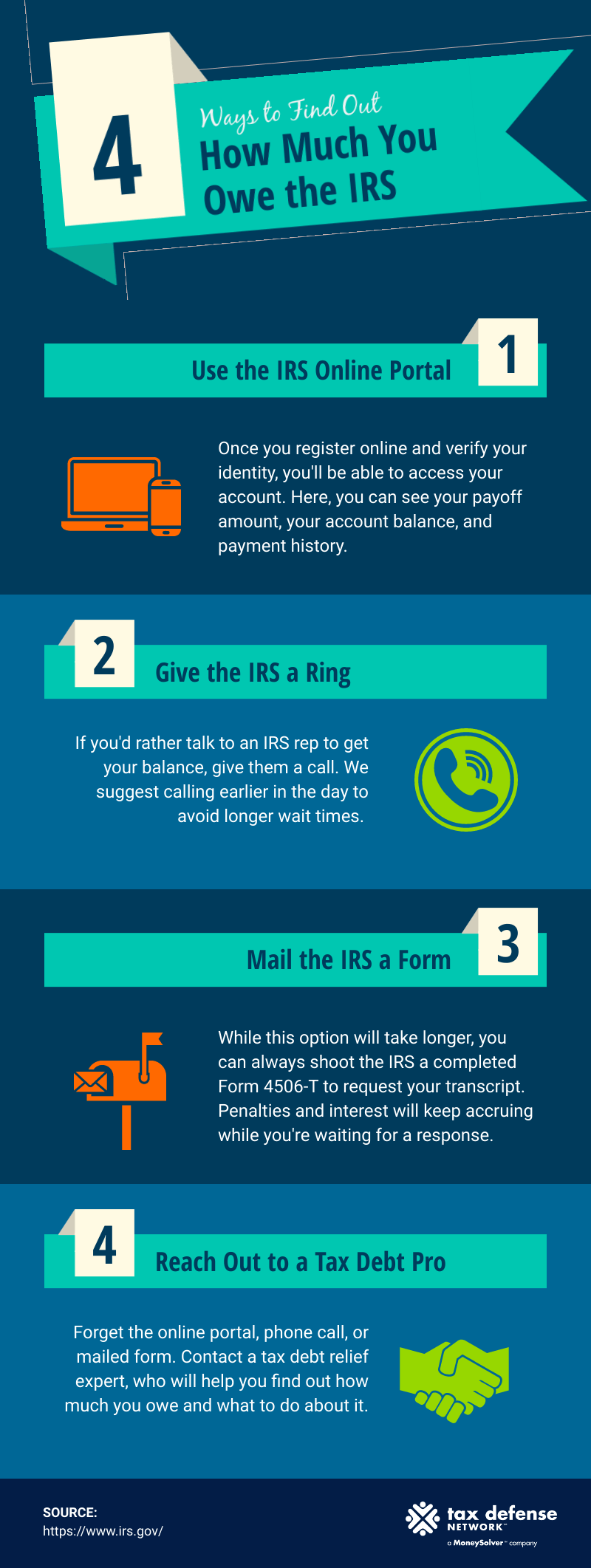
Creating and maintaining an “IRS Online Account” is perhaps the single most effective step a taxpayer can take. This portal allows you to view your balance, see your payment history, access your transcripts, and view digital copies of select notices sent by the IRS. By checking this account annually, you can spot “unclaimed” credits or adjustments before the three-year statute of limitations expires.
Adjusting Your Withholdings
If you find that the IRS consistently owes you a large sum of money every year, it may feel like a windfall, but it is actually an interest-free loan you are giving to the government. Using the IRS Tax Withholding Estimator can help you adjust your W-4 form so that you take home more money in each paycheck throughout the year. While “finding” money at tax time is exciting, having that money in your own investment or savings accounts throughout the year is a more effective long-term financial strategy.
Ultimately, the money held by the IRS belongs to the citizens who earned it. By staying informed about available credits, utilizing digital tracking tools, and auditing your past filings within the three-year window, you can ensure that you are not one of the many Americans leaving their hard-earned wealth in the hands of the government. Financial vigilance is the key to reclaiming what is yours.
aViewFromTheCave is a participant in the Amazon Services LLC Associates Program, an affiliate advertising program designed to provide a means for sites to earn advertising fees by advertising and linking to Amazon.com. Amazon, the Amazon logo, AmazonSupply, and the AmazonSupply logo are trademarks of Amazon.com, Inc. or its affiliates. As an Amazon Associate we earn affiliate commissions from qualifying purchases.