
The modernization of state financial systems has significantly reduced the administrative burden for taxpayers in Michigan. Moving away from paper checks and postal delays, the Michigan Department of Treasury now offers a robust digital infrastructure designed to facilitate secure, efficient, and transparent tax payments. For individuals and business owners alike, mastering the online payment portal is not just a matter of convenience; it is a vital component of proactive financial management and strategic tax planning.
Streamlining Your Financial Obligations via Michigan Treasury e-Services
The primary hub for managing your tax liability in the Great Lakes State is the Michigan Department of Treasury e-Services portal. This platform is designed to handle a variety of individual income tax tasks, ranging from checking refund statuses to making direct payments. For those focused on personal finance optimization, the e-Service portal provides a centralized location to ensure that all obligations are met without the risks associated with traditional mail.
Navigating the Individual Income Tax (IIT) Portal
To begin the payment process, taxpayers must navigate to the Individual Income Tax e-Service site. Michigan offers two primary paths for online payments: guest payments and authenticated payments via an account.
For many, the “Guest Payment” option is the most efficient. This does not require a full account setup but does require specific identifiers to ensure the funds are applied to the correct taxpayer ID. You will typically need your Social Security Number (SSN), the tax year for which you are paying, and your adjusted gross income (AGI) from a previous year’s return to verify your identity.
From a financial planning perspective, the ability to pay as a guest allows for quick action on tax deadlines without the friction of password management. However, for those who prefer a long-term view of their financial history, creating a MiLogin account provides a more comprehensive dashboard where you can view past returns and manage ongoing correspondence with the Treasury.
Types of Payments Supported Online
Michigan’s online system is versatile, allowing for several types of financial transactions:
-
Tax Due on a Filed Return: If you have already filed your MI-1040 and discovered a balance due, you can settle this immediately online.
-
Estimated Tax Payments (MI-1040ES): Crucial for freelancers, small business owners, and those with significant investment income, these quarterly payments keep you in compliance with the “pay-as-you-go” tax system.
-
Extension Payments: If you are requesting more time to file your paperwork, you must still pay the estimated tax due by the original deadline to avoid interest and penalties.
-
Assessments and Collections: If you have received a bill or an assessment notice from the state, these can also be resolved through the e-Service portal by using the specific account or assessment number provided in the correspondence.
Evaluating Payment Options: Fees, Efficiency, and Cash Flow
When paying Michigan state taxes online, you generally have two primary methods: Electronic Funds Transfer (EFT) from a checking or savings account, or payment via credit/debit card. Understanding the financial implications of each choice is essential for savvy money management.
Direct Debit (e-Check/EFT)
The most cost-effective way to pay your state taxes is through a direct debit from your bank account. The Michigan Department of Treasury does not charge a processing fee for this service. From a personal finance standpoint, this is the preferred method because it ensures 100% of your payment goes toward your tax liability rather than administrative overhead.
When utilizing direct debit, you will need your bank’s routing number and your account number. It is important to ensure that the funds are available at the time of the transaction, as a dishonored payment can result in state penalties that quickly negate any convenience gained.
Credit and Debit Card Payments
While Michigan allows for credit and debit card payments, these transactions are processed by third-party vendors who charge a “convenience fee.” This fee is typically a percentage of the total tax payment (often around 2.3% to 2.5%) or a flat fee for debit cards.
From an investment and budgeting perspective, using a credit card for tax payments is rarely advisable unless you are chasing a specific sign-up bonus or a rewards structure that exceeds the cost of the fee. For most taxpayers, paying a $25 fee on a $1,000 tax bill represents an immediate 2.5% loss on capital. However, if using a credit card is the only way to meet a deadline and avoid a 5% or 10% late payment penalty from the state, it can serve as a high-interest short-term bridge.

Managing Business and Fiduciary Tax Responsibilities Online
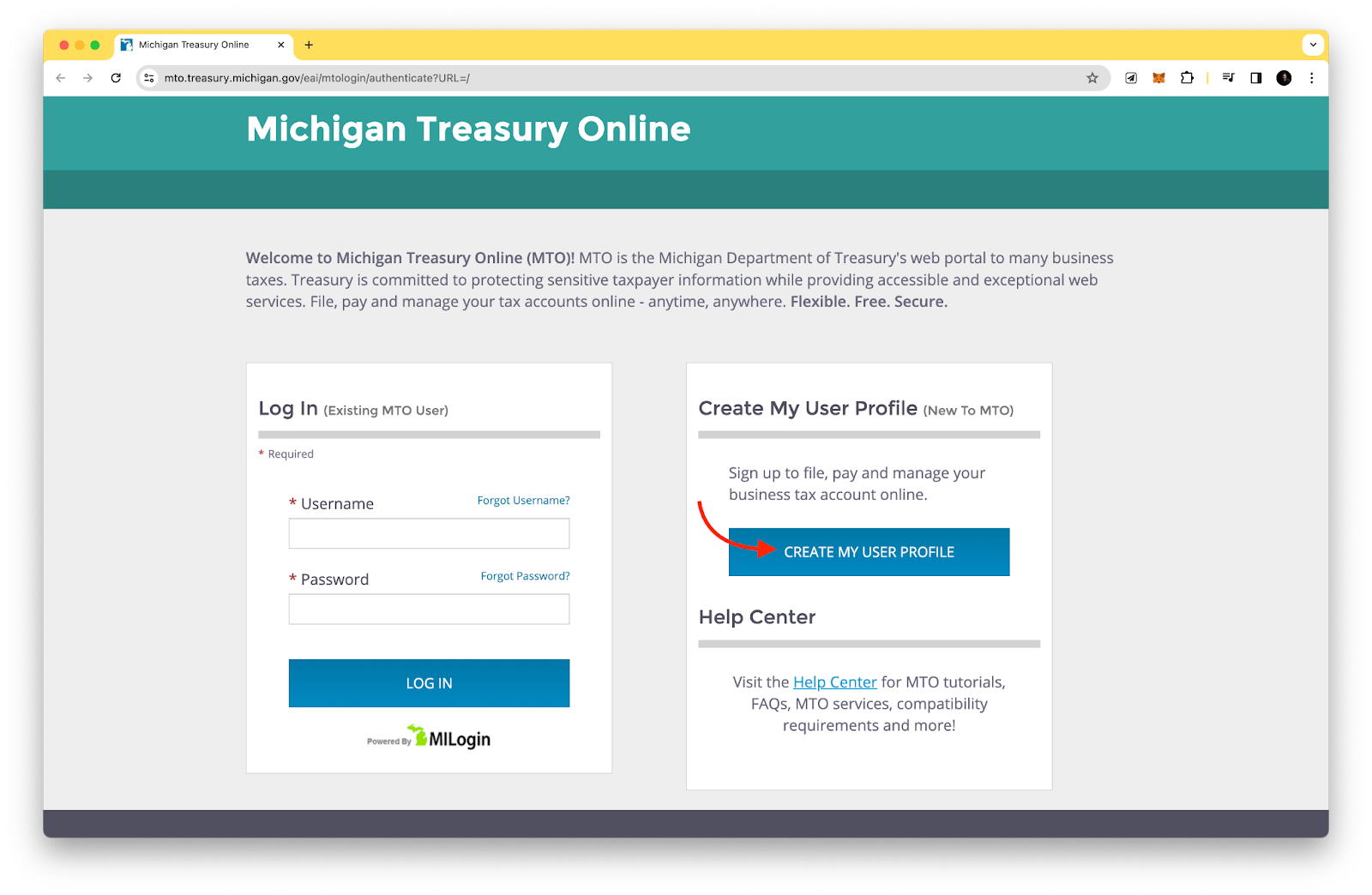
For entrepreneurs and business entities, Michigan’s tax requirements are more complex, involving sales tax, use tax, and withholding tax. These are managed through the Michigan Treasury Online (MTO) platform, a separate entity from the individual income tax e-Services.
The Michigan Treasury Online (MTO) Ecosystem
MTO is the gateway for business finance management in the state. It allows business owners to register their business, file returns, and pay taxes for multiple tax types in one place. For a business to remain in good standing and maintain its corporate identity, regular interaction with MTO is necessary.
Business owners can authorize “Delegated Users,” such as accountants or financial controllers, to handle the payments on their behalf. This level of granular control is vital for maintaining internal financial security while ensuring that the business meets its fiduciary duties to the state.
Sales, Use, and Withholding (SUW) Taxes
If your business collects sales tax or employs Michigan residents, you are responsible for remitting these funds to the state. These are “trust fund taxes,” meaning the money belongs to the state and you are merely holding it. Using MTO to pay these online ensures that the funds are transferred accurately and timely.
Failing to utilize the online system for business taxes can lead to significant delays. The MTO platform provides an immediate confirmation number, which serves as a critical audit trail for your business’s financial records. In the event of a state audit, having a digital log of every SUW payment made through MTO is an invaluable asset.
Proactive Financial Management: Deadlines, Estimated Payments, and Compliance
The ultimate goal of using online payment systems is to integrate tax compliance into a broader financial strategy. By moving to a digital-first approach, you can better manage your cash flow and avoid the punitive costs associated with late filings.
The Importance of Estimated Payments
For those in the “Online Income” or “Side Hustle” categories, the Michigan MI-1040ES (Estimated Tax) is a critical document. Michigan requires taxpayers to make estimated payments if their annual tax liability is expected to be $500 or more after credits and withholding.
By paying online quarterly (typically April, June, September, and January), you avoid the “sticker shock” of a massive tax bill in April. More importantly, you avoid the underpayment penalty. Calculating these payments accurately requires a deep dive into your net profit and an understanding of the current Michigan flat tax rate. Paying these online via e-Services allows you to adjust your payments in real-time as your income fluctuates throughout the year.
Digital Record Keeping and Security
A key component of financial health is the organization of records. When you pay Michigan taxes online, you receive a confirmation code and a downloadable receipt. These should be saved in a secure, encrypted digital environment alongside your federal tax records.
From a digital security perspective, always ensure you are on the official .gov website. Scams targeting taxpayers often involve fraudulent websites that mimic state portals to steal banking information. The Michigan Department of Treasury will never ask for your credit card information over an unsecured email. By strictly using the official e-Services or MTO portals, you protect your financial assets from bad actors.

Integrating Tax Payments into Budgeting Software
Modern financial tools and apps allow users to track their tax liabilities throughout the year. By syncing your bank accounts to budgeting software, you can categorize your online Michigan tax payments as “Taxes” or “Business Expenses,” providing a clearer picture of your true net income. This level of transparency is essential for long-term wealth building, as it allows you to see exactly how much of your gross revenue is being diverted to state obligations.
In conclusion, paying Michigan state taxes online is more than just a chore; it is a strategic financial move. Whether you are an individual managing a personal budget or a business owner overseeing corporate finances, the Michigan e-Services and MTO platforms offer the tools necessary to maintain compliance, optimize cash flow, and ensure long-term financial stability. By choosing the right payment methods and staying ahead of estimated deadlines, you can turn a complex legal requirement into a streamlined, professional financial process.
aViewFromTheCave is a participant in the Amazon Services LLC Associates Program, an affiliate advertising program designed to provide a means for sites to earn advertising fees by advertising and linking to Amazon.com. Amazon, the Amazon logo, AmazonSupply, and the AmazonSupply logo are trademarks of Amazon.com, Inc. or its affiliates. As an Amazon Associate we earn affiliate commissions from qualifying purchases.