
The digital revolution has fundamentally altered the landscape of personal finance, transforming how we earn, save, and spend. Perhaps no shift has been more impactful to the daily lives of consumers than the transition from paper-based invoicing to online bill payment. Once a novelty reserved for the tech-savvy, digital payments are now the backbone of modern household management. Mastering how to pay bills online is no longer just about convenience; it is a critical strategy for maintaining a high credit score, avoiding predatory late fees, and gaining a granular understanding of one’s cash flow.
The Evolution of Bill Payment: Transitioning to a Digital Ecosystem
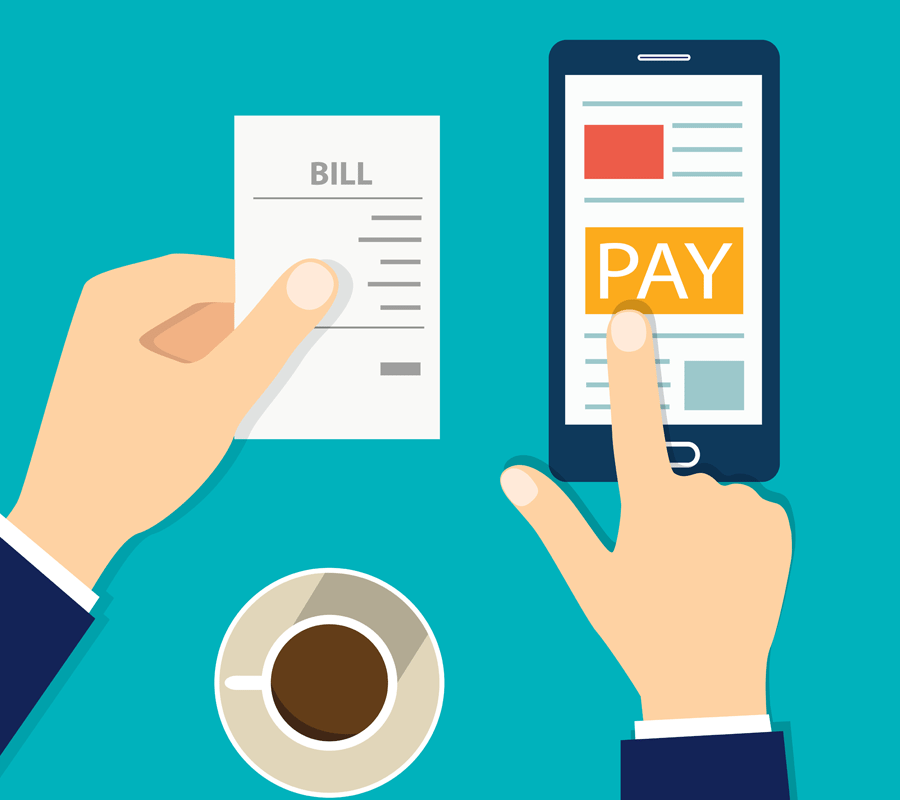
The historical method of managing household obligations involved a cumbersome cycle: receiving a paper statement in the mail, writing a physical check, recording the transaction in a manual ledger, and trusting the postal service to deliver the payment before the deadline. This process was fraught with potential for human error and delays. Today, the shift toward a digital-first approach has redefined financial efficiency.
Benefits of Digital Bill Management
The primary advantage of paying bills online is the unprecedented level of control it offers the consumer. When you move your financial obligations into the digital realm, you gain real-time visibility into your liabilities. Unlike the lag time associated with mailing a check, online payments—whether executed via ACH transfer or credit card—provide immediate or near-immediate confirmation.
Furthermore, digital payment systems offer enhanced record-keeping. Every transaction generates a digital footprint, allowing for seamless integration with budgeting software and tax preparation tools. This transparency is vital for long-term financial planning, as it enables individuals to track spending patterns and identify areas where they can reduce overhead.
Overcoming the Fear of Automation
For many, the hesitation to fully embrace online bill payment stems from a fear of losing control over their bank account balance. However, the modern financial ecosystem is designed with numerous safeguards. Transitioning to online payments does not mean relinquishing oversight; rather, it means delegating the repetitive, administrative tasks to secure software. By setting up automated payments for fixed expenses—such as rent, mortgages, or insurance premiums—you eliminate the risk of forgetfulness, which is the leading cause of credit score fluctuations for most Americans.
Choosing the Right Platform: Bank Portals vs. Third-Party Apps
Not all online payment methods are created equal. Depending on your financial goals, you may choose to centralize your payments or distribute them across various specialized platforms. Understanding the nuances of each can help you optimize your rewards and minimize your fees.
Leveraging Online Banking Portals
Most major financial institutions offer a “Bill Pay” feature within their online banking dashboard. This is often the most secure and streamlined method for managing monthly obligations. By using your bank’s internal portal, you can send payments to almost any entity, from large utility companies to individual contractors.
The benefit of this centralized approach is consolidated reporting. When you view your bank statement, all outgoing payments are listed in one place, making it easier to reconcile your monthly budget. Additionally, many banks offer “e-bills,” where the service provider sends the statement directly to your bank account, allowing you to view and pay the bill without ever leaving the portal.
The Rise of Fintech Consolidators
In recent years, a new generation of financial technology (fintech) apps has emerged, promising to simplify bill management even further. These third-party applications aggregate all of your accounts—utilities, credit cards, loans, and subscriptions—into a single interface.
These tools are particularly useful for individuals with complex financial lives. They often include predictive analytics that warn you if a scheduled payment will result in a low balance based on your spending history. However, users must be diligent about security, ensuring that any third-party app uses bank-level encryption and multi-factor authentication (MFA) to protect sensitive data.
Direct Merchant Payments
Many consumers prefer to pay “at the source” by logging directly into the website of the service provider (e.g., a wireless carrier or an electric company). This method is often the fastest way to ensure a payment is credited to your account, which is crucial if you are paying close to a deadline.
Direct merchant payments also allow for the strategic use of credit cards. While some banks limit Bill Pay to checking account transfers, most merchants allow you to pay via credit card. For the financially disciplined, this presents an opportunity to earn cash back or travel rewards on essential spending, provided the balance is paid in full each month to avoid interest charges.
Establishing a Robust Bill-Pay Workflow
Success in personal finance is rarely the result of a single action; it is the result of a consistent system. To master online bill payment, you must move beyond ad-hoc transactions and establish a recurring workflow that aligns with your income cycle.
Inventorying Your Monthly Obligations
The first step in a professional-grade bill payment strategy is a comprehensive audit. You cannot manage what you do not measure. Create a master list of every recurring expense, including:
-
Fixed Expenses: Mortgage/rent, car payments, insurance, gym memberships.
-
Variable Expenses: Utilities, credit card balances, groceries (if using a delivery service).
-
Irregular Expenses: Annual subscriptions, quarterly tax payments, vehicle registration.

Once this list is complete, map out the due dates against your paychecks. This “cash flow mapping” ensures that you always have sufficient liquidity to cover your obligations without dipping into emergency funds or savings.
The Strategic Use of Credit Cards vs. ACH Transfers
One of the most nuanced aspects of online bill payment is deciding how the money moves. For many, Automated Clearing House (ACH) transfers—where money is pulled directly from a checking account—are the default. They are reliable and rarely incur processing fees.
However, from a wealth-building perspective, paying bills via a rewards-bearing credit card can be superior. If you spend $2,000 a month on bills and use a card with 2% cash back, you are effectively generating $480 in “free” money annually. The caveat is that some service providers, particularly utilities and government agencies, may charge a “convenience fee” for credit card payments. If the fee exceeds the value of the rewards, an ACH transfer is the more financially sound choice.
Setting Up Effective Notifications and Alerts
In the digital age, ignorance is a choice. Every banking and merchant platform offers a suite of notification options. At a minimum, you should enable:
-
Bill Ready Alerts: Notifies you when a new statement is generated.
-
Payment Scheduled Alerts: Confirms that an automated payment is queued.
-
Low Balance Alerts: Warns you if an upcoming payment might overdraw your account.
-
Payment Posted Alerts: Provides peace of mind that the transaction is complete.
These notifications act as a “safety net,” allowing you to intervene if something goes wrong, such as a declined card or an unusually high utility bill due to a leak or billing error.
Advanced Financial Strategies for Bill Automation
Once you have mastered the basics of paying bills online, you can leverage automation to further optimize your financial health. This involves moving from a reactive state (paying bills when they arrive) to a proactive state (engineering your finances for growth).
The “Set It and Forget It” Philosophy
The goal of automation is to reduce the “cognitive load” of personal finance. By automating your minimum payments on all debt and the full balance on utility bills, you guarantee that you will never pay a late fee or suffer a hit to your credit score. This psychological freedom allows you to focus your mental energy on higher-value activities, such as investing or side hustles.
However, “Set It and Forget It” does not mean “Set It and Ignore It.” Financial professionals recommend a “Monthly Money Minute”—a brief period once a month where you review your automated transactions to ensure accuracy and to check for “subscription creep” (paying for services you no longer use).
Managing Variable Expenses in an Automated World
Variable bills, like electricity or water, can fluctuate significantly, making automation feel risky. To combat this, many utility companies offer “Budget Billing” or “Levelized Billing.” These programs average your annual usage and bill you the same amount every month. This turns a variable expense into a fixed expense, making your online bill payment schedule much more predictable and easier to manage.
Using Bill Payment Data for Budgeting and Forecasting
The data generated by your online payments is a goldmine for financial forecasting. Most online banking tools allow you to export your payment history into CSV or Excel formats. By analyzing this data, you can identify seasonal trends—such as increased heating costs in the winter—and adjust your savings goals accordingly. This level of insight is the difference between simply “getting by” and building sustainable wealth.
Security and Contingency Planning in the Digital Age
As we move more of our financial lives online, the importance of digital security cannot be overstated. Paying bills online is incredibly safe, but it requires a disciplined approach to data hygiene.
Protecting Your Financial Information
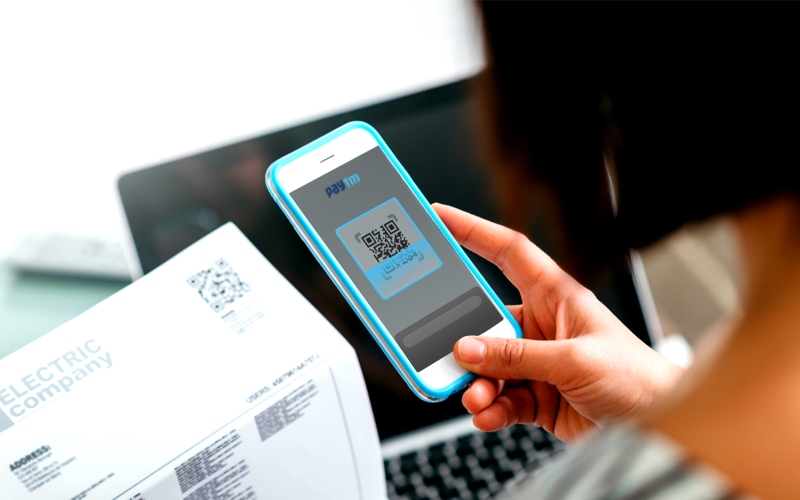
To safeguard your assets, you must treat your login credentials with the same care as your physical wallet. This means using a dedicated password manager to generate unique, complex passwords for every financial portal. Never reuse a password across multiple sites.
Furthermore, always use a secure, private internet connection when paying bills. Public Wi-Fi networks in coffee shops or airports are notorious for “man-in-the-middle” attacks where hackers can intercept your data. If you must pay a bill while on the go, use a Virtual Private Network (VPN) or your mobile device’s cellular data.
Handling Payment Failures and Errors
Even the most sophisticated systems occasionally fail. A credit card might expire, a bank might flag a transaction as suspicious, or a merchant might experience a technical glitch. To mitigate these risks, always keep a “liquidity buffer” in your checking account—typically one month’s worth of expenses.
If an online payment fails, contact the merchant immediately. Most companies are willing to waive late fees if you can demonstrate that you attempted to pay on time and are resolving the issue promptly. Keep a digital folder of payment confirmation numbers; these are your “receipts” in the digital world and are essential if you ever need to dispute a late charge or an incorrect balance.
By mastering the tools and strategies of online bill payment, you are doing more than just clearing your monthly obligations. You are building a streamlined, efficient, and secure financial foundation that serves as the springboard for all other wealth-building activities. In the modern economy, your ability to navigate digital financial systems is one of your most valuable assets.
aViewFromTheCave is a participant in the Amazon Services LLC Associates Program, an affiliate advertising program designed to provide a means for sites to earn advertising fees by advertising and linking to Amazon.com. Amazon, the Amazon logo, AmazonSupply, and the AmazonSupply logo are trademarks of Amazon.com, Inc. or its affiliates. As an Amazon Associate we earn affiliate commissions from qualifying purchases.