
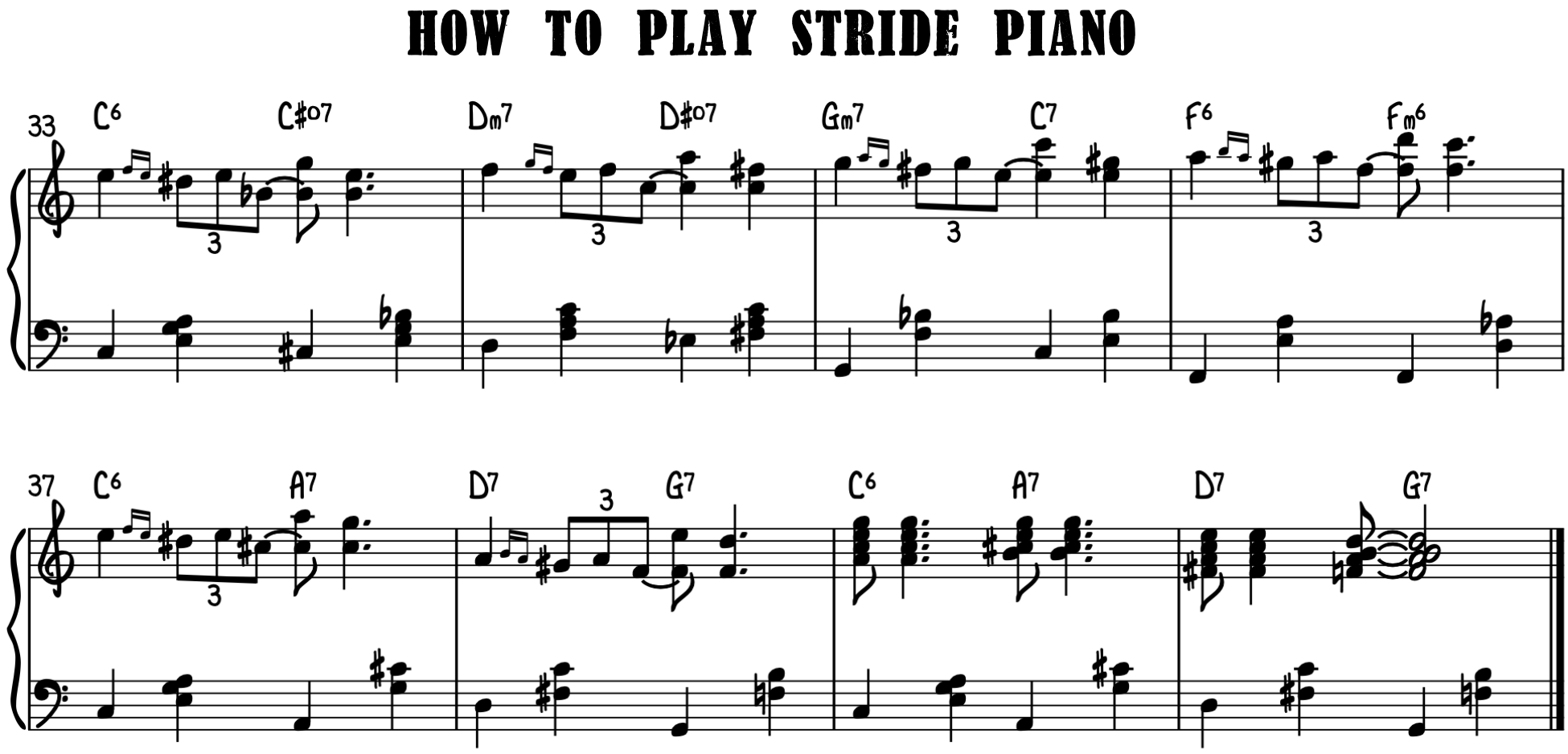
Stride piano, a vibrant and virtuosic jazz piano style that emerged in the early 20th century, is often celebrated for its captivating rhythm, intricate harmonies, and the astonishing dexterity it demands from its practitioners. While its roots are firmly planted in the acoustic, analog world of grand pianos and smoky jazz clubs, understanding “what a stride piano is” in the 21st century inevitably requires a deep dive into how modern technology preserves, propagates, educates, and even innovates within this beloved art form. From sophisticated digital instruments that emulate its unique sound to advanced AI tools that analyze and generate stride patterns, technology has fundamentally reshaped our interaction with and appreciation for this classic genre. This article will explore the contemporary essence of stride piano, seen through the prism of today’s technological landscape.
The Digital Renaissance of a Classic Art Form
The acoustic piano, particularly the grand piano, has always been the quintessential instrument for stride. Its rich sustain, dynamic range, and responsive action are crucial for delivering the energetic ‘oom-pah’ bass line and the complex, syncopated melodies that define stride. However, technological advancements have brought stride into the digital realm, making it more accessible and versatile than ever before.
Emulating Acoustic Grandeur: Digital Pianos and Stride
Modern digital pianos stand at the forefront of this technological integration, offering an unprecedented level of acoustic realism. For aspiring and professional stride pianists alike, these instruments provide a practical, space-saving, and often more affordable alternative to traditional acoustic pianos. High-quality digital pianos employ advanced sampling technologies, meticulously recording individual notes and their various dynamics from world-class grand pianos. This allows them to reproduce the characteristic sound of a grand piano, essential for the clarity and punch required in stride.
Beyond mere sound reproduction, the touch and feel of a digital piano’s keyboard action are paramount. Manufacturers have invested heavily in developing weighted-hammer actions that mimic the resistance and rebound of an acoustic grand, providing the necessary tactile feedback for developing proper stride technique. Features like sympathetic string resonance, key-off samples, and damper resonance algorithms further enhance the authenticity, ensuring that the subtle nuances of stride — the interplay between the bass and treble, the percussive attack, and the resonant decays — are faithfully replicated. MIDI capabilities also unlock a universe of possibilities, allowing pianists to connect their digital piano to computers, record performances with precision, and experiment with different virtual instruments and sound libraries, each offering unique sonic textures suitable for stride.
Software as the Composer’s Canvas: Notation and Production Tools
For those who wish to compose, arrange, or analyze stride piano music, modern software tools have become indispensable. Digital Audio Workstations (DAWs) like Logic Pro, Ableton Live, and Pro Tools, coupled with high-quality piano virtual instruments, allow composers to craft intricate stride pieces without needing a physical piano. These platforms offer robust recording, editing, and mixing capabilities, enabling artists to layer complex arrangements, experiment with different voicings, and produce studio-quality recordings from their home. The ability to quantize, transpose, and meticulously edit MIDI data means that even the most complex stride rhythms can be polished to perfection.
Music notation software, such as Sibelius, Finale, and MuseScore, plays an equally critical role. These programs empower composers to transcribe, arrange, and publish stride sheet music with professional precision. The graphical interface allows for the accurate placement of notes, articulation marks, dynamics, and complex rhythmic figures characteristic of stride. Furthermore, many of these programs can import and export MIDI files, bridging the gap between performance and notation. This not only aids in the creation of new works but also facilitates the preservation and dissemination of historical stride pieces, allowing scholars and enthusiasts to study and perform music that might otherwise remain inaccessible or difficult to decipher from handwritten manuscripts.
AI and Algorithms: Reshaping Stride Piano Interaction
The advent of Artificial Intelligence (AI) and sophisticated algorithms has introduced a new dimension to how we understand, learn, and even create stride piano music. These tools are moving beyond mere playback, actively engaging with the creative and analytical aspects of the genre.
Generative AI: Crafting New Stride Compositions and Variations
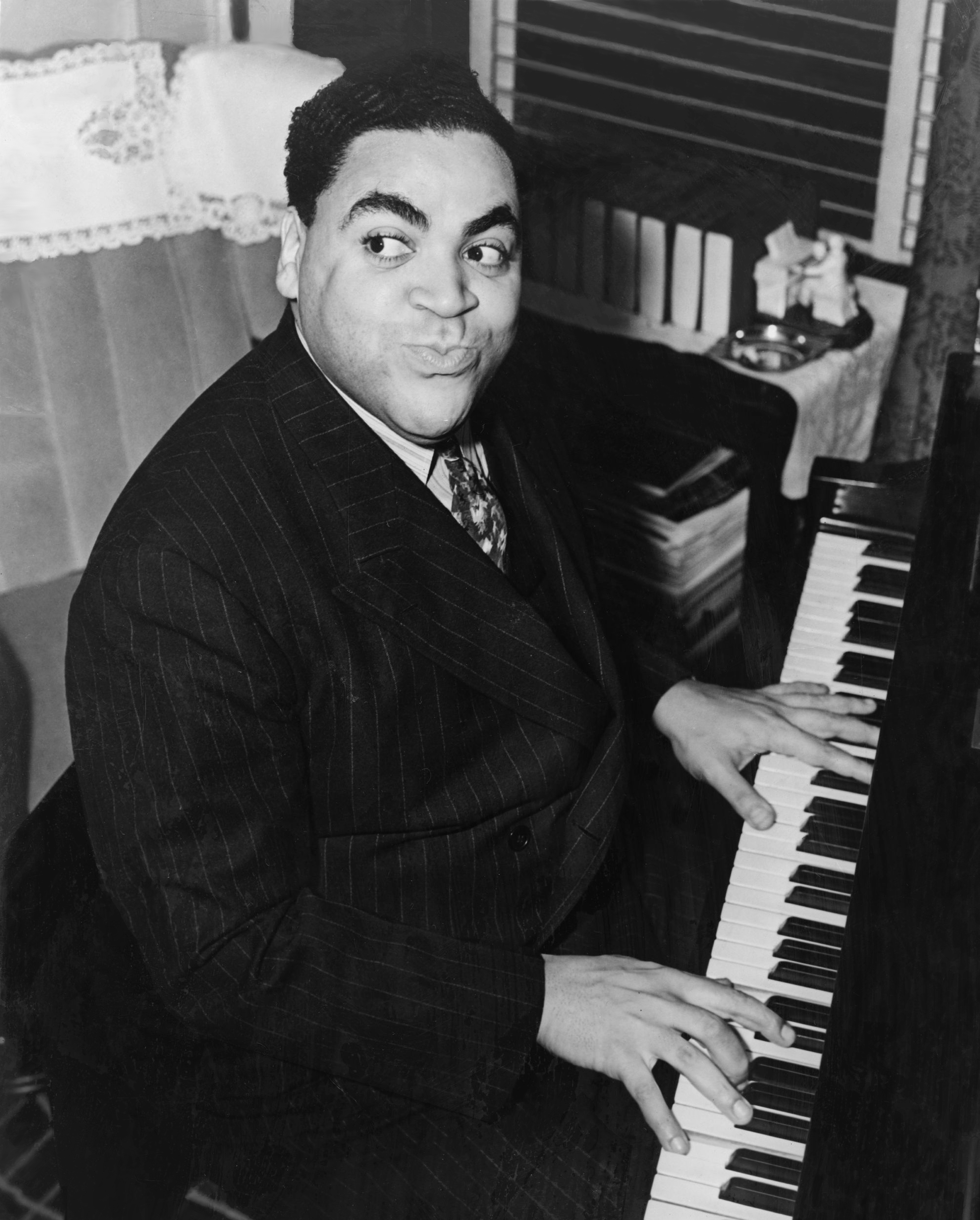
One of the most exciting applications of AI in music is its capacity for generation. AI models, trained on vast datasets of existing stride piano compositions by masters like Fats Waller, James P. Johnson, and Art Tatum, are now capable of learning the stylistic nuances, harmonic progressions, rhythmic patterns, and improvisational vocabulary of the genre. These generative AI tools can then create entirely new stride compositions, variations on existing themes, or even improvisational solos that adhere to the stylistic principles of stride.
While still an evolving field, this technology holds immense potential for composers seeking fresh inspiration, for researchers analyzing the constituent elements of stride, or even for creating dynamic background music. Imagine an AI capable of generating endless stride variations for practice, or a system that can complete a user-provided melody in authentic stride style. The philosophical implications of AI-generated music are profound, but its practical applications for expanding the library and creative boundaries of stride piano are undeniable.
AI-Powered Learning and Performance Analysis
Beyond creation, AI is revolutionizing how individuals learn and master stride piano. Educational AI tools can provide personalized feedback on a student’s performance, analyzing their rhythm, timing, dynamics, and even harmonic accuracy. Software equipped with machine listening capabilities can compare a student’s rendition of a stride piece against a master performance, highlighting specific areas for improvement. This might include identifying an inconsistent bass line, imprecise syncopation in the right hand, or an incorrect chord voicing.

Furthermore, AI can adapt learning pathways based on a student’s progress, offering tailored exercises and repertoire suggestions. Some advanced platforms can even generate interactive backing tracks that respond to the performer’s tempo and dynamics, allowing solo pianists to experience the joy of playing with a virtual band. For seasoned stride pianists, AI-powered analysis can offer deep insights into their own playing, identifying subtle habits or areas for refinement that might be overlooked by the human ear. This blend of objective analysis and adaptive learning makes the journey of mastering stride more efficient and engaging.
Online Ecosystems and Accessibility: Stride Piano for a Digital Age
The internet has democratized access to information and resources like never before, and stride piano has significantly benefited from this global connectivity. Online platforms have become crucial for learning, sharing, and experiencing stride music.
Virtual Tutorials and Remote Learning Platforms
The traditional model of one-on-one piano lessons is complemented, and in many cases enhanced, by the proliferation of virtual tutorials and remote learning platforms. Websites like YouTube host countless free tutorials, ranging from basic stride patterns for beginners to advanced masterclasses by renowned pianists. Dedicated online academies offer structured courses, often with subscription models, providing comprehensive curricula on stride piano technique, theory, and repertoire. These platforms frequently incorporate high-quality video demonstrations, interactive sheet music, downloadable practice tracks, and even opportunities for virtual feedback from instructors.
Remote learning has shattered geographical barriers, allowing aspiring stride pianists from anywhere in the world to learn from leading experts without needing to travel. This global reach ensures that the niche art form of stride piano continues to attract new enthusiasts and sustain its legacy through education accessible at the click of a button. The convenience and flexibility offered by these online resources are pivotal in fostering a new generation of stride players.
Digital Archives and Streaming Services: Preserving and Spreading Stride
The digital age has also transformed how stride piano music is archived, discovered, and consumed. Online digital archives, such as university libraries, jazz history websites, and dedicated music databases, house vast collections of historical stride recordings, sheet music, interviews, and scholarly articles. These resources are invaluable for researchers, performers, and enthusiasts seeking to delve into the genre’s rich history and diverse repertoire. The digitization of rare recordings and out-of-print sheet music ensures that the works of early stride masters are preserved for posterity and remain accessible to a global audience.
Streaming services like Spotify, Apple Music, and Tidal have become the primary conduits for listeners to discover and enjoy stride piano. Curated playlists, algorithmic recommendations, and vast discographies allow both long-time fans and new listeners to explore the breadth of stride music, from classic recordings by Jelly Roll Morton and Willie “The Lion” Smith to contemporary interpretations by modern pianists. This global distribution platform ensures that stride piano, despite its historical niche, continues to reach new ears and maintain its relevance in the crowded landscape of modern music.
Gadgets and Gear: Enhancing the Stride Experience
Beyond the software and platforms, a range of specialized hardware and gadgets further enhances the creation, performance, and recording of stride piano, bridging the gap between artistic intent and technological execution.
Smart Pedals and Controllers: Nuance in Digital Performance
While digital pianos come with standard pedals (sustain, sostenuto, una corda), advanced controllers and “smart pedals” offer enhanced expressive capabilities, particularly useful for the nuanced dynamics of stride. These might include custom-mappable MIDI pedals that can control various parameters within a digital audio workstation or virtual instrument, allowing for effects like intricate filter sweeps, delay, or reverb manipulation, adding a modern twist to traditional stride performances. Some controllers are designed to offer more precise, continuous control over sustain or softer sounds, replicating the delicate balance required in complex stride passages.
Furthermore, dedicated MIDI controllers, often in the form of smaller keyboards or pad controllers, can be integrated into a stride pianist’s setup to trigger samples, backing tracks, or even interact with generative AI applications in real-time. This allows for live improvisation to be augmented with electronic elements, pushing the boundaries of what a “stride piano performance” can entail.
Recording and Amplification: Bringing Stride to the Masses
Modern recording technology has revolutionized how stride piano is captured and shared. High-fidelity microphones, digital audio interfaces, and sophisticated preamplifiers ensure that the rich, dynamic sound of an acoustic or digital stride piano can be recorded with pristine clarity. These tools allow independent artists to produce professional-grade recordings from their home studios, bypassing the need for expensive commercial facilities. The ability to multitrack and mix ensures every element of a stride performance – from the roaring bass to the glittering treble – is perfectly balanced.
For live performances, advanced amplification systems, including dedicated piano amplifiers and PA systems, are designed to faithfully reproduce the piano’s sound in diverse acoustic environments. This ensures that the energy and complexity of a stride performance can be fully appreciated by an audience, whether in a small club or a large concert hall. Wireless monitoring systems also provide pianists with clear feedback on their sound, allowing them to adjust their playing for optimal delivery.
In conclusion, “what is a stride piano” in the 21st century is not just about its historical musical characteristics but also its dynamic interplay with technology. From the digital instruments that replicate its sound and feel, to the AI that learns and creates new compositions, to the online platforms that educate and distribute its legacy, technology has become an indispensable partner in the evolution and perpetuation of this captivating jazz genre. As technology continues to advance, the future of stride piano promises an even richer tapestry of innovation, accessibility, and creative expression.
aViewFromTheCave is a participant in the Amazon Services LLC Associates Program, an affiliate advertising program designed to provide a means for sites to earn advertising fees by advertising and linking to Amazon.com. Amazon, the Amazon logo, AmazonSupply, and the AmazonSupply logo are trademarks of Amazon.com, Inc. or its affiliates. As an Amazon Associate we earn affiliate commissions from qualifying purchases.