
Financial transparency is the cornerstone of a healthy personal or business portfolio. Yet, for many Americans, the question of whether they have a standing debt with the Internal Revenue Service (IRS) remains a source of significant anxiety. Tax liability is not always straightforward; it can arise from filing errors, changes in tax law, under-reporting of income, or the complexities of the gig economy. Understanding your status with the federal government is not merely about avoiding penalties—it is a critical component of strategic financial planning.
Ignoring a potential tax debt does not make it disappear; in fact, the accrual of interest and penalties can turn a manageable balance into a significant financial burden. This guide explores the multi-faceted methods for determining your tax status, decoding official communications, and managing the resolution process with professional precision.
Digital Pathways: Utilizing the IRS Online Account
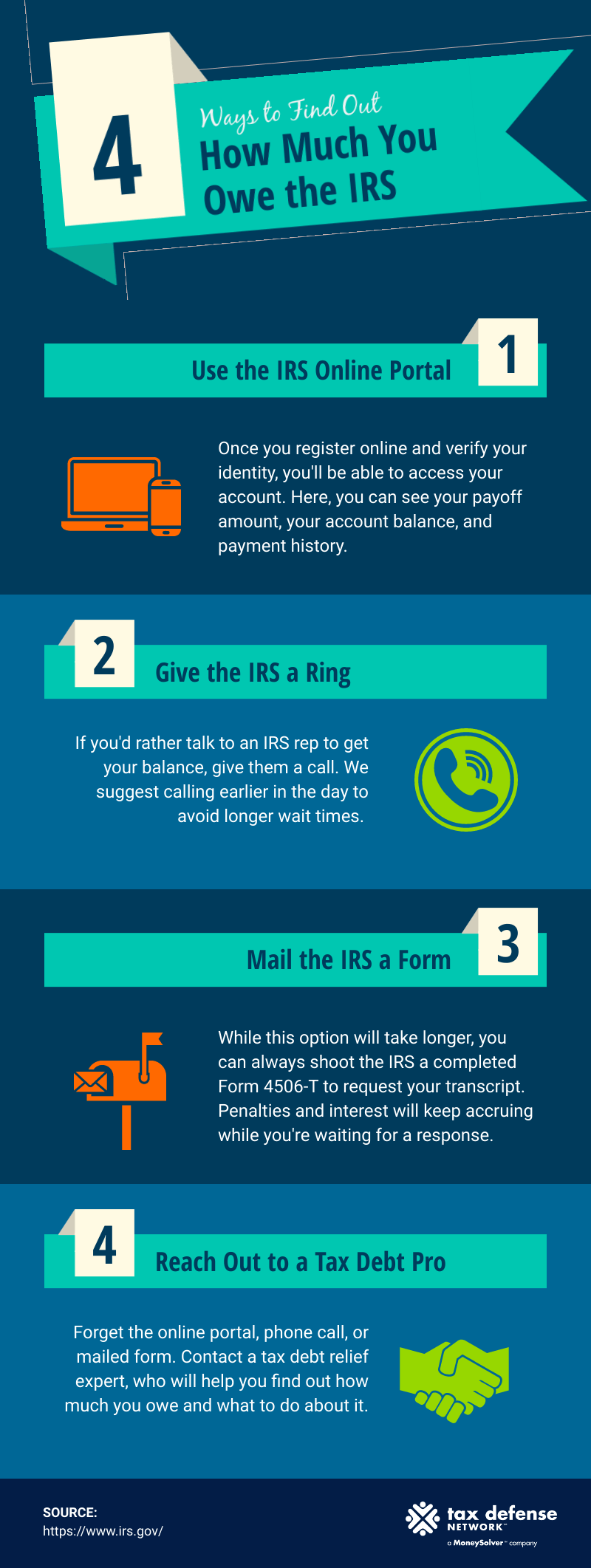
In the modern era of financial management, the IRS has significantly upgraded its digital infrastructure. The most direct and efficient way to determine if you owe money is through the official IRS Online Account portal. This secure platform provides a real-time snapshot of your federal tax status, allowing you to move beyond guesswork and into informed action.
The ID.me Verification Process
To access your sensitive financial data, the IRS requires a high level of security. They currently use ID.me, a third-party identity verification service. To set this up, you will need a government-issued photo ID (such as a driver’s license or passport) and a smartphone or computer with a camera. While the process may seem rigorous, it is a necessary safeguard to protect your financial identity from fraud. Once verified, you gain access to a comprehensive dashboard that displays your total balance due, your payment history, and key information from your most recent tax return.
Viewing Tax Records and Transcripts
Sometimes, knowing that you owe is only half the battle; you also need to know why. Within your online account, you can request various types of tax transcripts. A “Tax Return Transcript” shows most line items from your original return, while a “Record of Account Transcript” provides a more detailed look at any adjustments made by the IRS after the return was filed. If there is a discrepancy between what you reported and what the IRS believes you owe, these documents are the primary tools for reconciliation.
Monitoring the Balance Summary
The online dashboard provides a “Balance Summary” for each tax year. It breaks down the amount owed into three categories: principal tax, penalties, and interest. Because the IRS updates this information frequently, it serves as the “source of truth” for your current liability. If you have recently made a payment that hasn’t cleared yet, the portal will often show a “pending” status, providing peace of mind that your funds are being processed.
Decoding Official Correspondence: IRS Notices and Letters
While digital tools are convenient, the IRS still relies heavily on the United States Postal Service for official legal notifications. Understanding the anatomy of an IRS notice is vital for any taxpayer. These documents are not just bills; they are legal explanations of your financial standing and your rights as a taxpayer.
Identifying Common Notice Codes
Every IRS letter has a specific code, usually found in the top or bottom right corner, preceded by the letters “CP” or “LTR.”
-
CP14: This is usually the first notice you receive. It states that you have a balance due and requests payment within 21 days. It is a formal demand for payment but does not yet signal an aggressive collection action.
-
CP501 and CP502: These are follow-up notices. If the CP14 goes unanswered, these reminders are sent to indicate that the balance is still outstanding and that interest is continuing to accrue.
-
CP504: This is a much more serious document. It is a “Notice of Intent to Levy.” It signifies that the IRS has reached a point where they may begin seizing assets, such as state tax refunds or bank account funds, to satisfy the debt.
Distinguishing Official Mail from Scams
In the realm of personal finance, security is paramount. A critical rule of thumb is that the IRS will never initiate contact with taxpayers via email, text messages, or social media to request personal or financial information. They will also never demand immediate payment using a specific method like a prepaid debit card, gift card, or wire transfer. Official IRS correspondence will always provide instructions on how to pay through authorized channels, such as the Electronic Federal Tax Payment System (EFTPS) or by mailing a check to the Department of the Treasury.

The Importance of Response Deadlines
Every IRS notice includes a “Respond By” date. Missing these deadlines can result in the loss of your right to appeal a finding or request a hearing. Even if you cannot afford to pay the full amount immediately, responding to the notice is essential. Communication shows the IRS that you are not an “uncooperative” taxpayer, which can be a deciding factor in whether they grant you leniency or payment extensions later.
The Impact of Self-Employment and Diverse Income Streams
For individuals with traditional W-2 employment, tax withholding is managed by the employer, which often prevents large, unexpected balances. However, the rise of the “1099 economy” and diverse investment portfolios has introduced new complexities. Many taxpayers find they owe money because they failed to account for income that did not have taxes withheld at the source.
The Reality of Self-Employment Tax
If you earn more than $400 from self-employment, you are generally required to pay self-employment tax. This is comprised of Social Security and Medicare taxes, totaling 15.3%. Unlike W-2 employees who only see half of this deducted from their checks (with the employer paying the other half), self-employed individuals are responsible for the full amount. Many freelancers are surprised to find they owe thousands of dollars at the end of the year because they only calculated their federal income tax and forgot about the self-employment portion.
Quarterly Estimated Payments
The U.S. tax system is a “pay-as-you-go” system. If you expect to owe more than $1,000 in taxes for the year, the IRS requires you to make quarterly estimated tax payments. If you neglect these payments, you may find yourself with a significant balance due in April, along with an underpayment penalty. Tracking your income in real-time using accounting software or a dedicated financial spreadsheet is the best way to ensure you are setting aside enough capital to meet these obligations.
Unreported Investment Gains and Side Hustles
With the proliferation of retail trading apps and cryptocurrency platforms, many taxpayers inadvertently overlook taxable events. Selling stock for a profit, trading digital assets, or earning dividends are all taxable activities. The IRS receives “Information Returns” (like 1099-B or 1099-K) from these platforms. If you do not report this income on your return, the IRS’s automated system will flag the omission and generate a notice of deficiency, resulting in a balance due that includes back taxes and interest.
Strategic Resolution: Managing Your Tax Debt Effectively
Discovering that you owe the IRS can be daunting, but the agency offers several avenues for resolution. Effective financial management involves choosing the path that protects your credit, minimizes interest, and fits within your monthly cash flow.
Short-Term and Long-Term Payment Plans
The IRS offers “Installment Agreements” for those who cannot pay their balance in full. A short-term payment plan gives you up to 180 days to pay the total amount, often with lower setup fees. For larger balances that require more time, a long-term installment agreement allows for monthly payments over several years. While interest and a reduced failure-to-pay penalty still apply, being on an approved plan stops more aggressive collection actions like wage garnishments or tax liens.
Offer in Compromise (OIC)
In rare cases of extreme financial hardship, the IRS may accept an “Offer in Compromise.” This is an agreement between the taxpayer and the government that settles the tax debt for less than the full amount owed. The IRS only grants this if they believe the debt is truly uncollectible or if paying it would create an “unfair” economic hardship. The application process is rigorous and requires full disclosure of all assets, income, and expenses, but for those who qualify, it offers a necessary financial reset.

Penalty Abatement and Hardship Status
If your failure to pay was due to “reasonable cause”—such as a natural disaster, a serious illness, or the death of an immediate family member—you may qualify for penalty abatement. The “First Time Abate” policy is also available for taxpayers who have a clean compliance history for the past three years. Additionally, if you are currently unable to pay any of your basic living expenses, you can request a “Currently Not Collectible” status. This does not erase the debt, but it temporarily halts collection efforts until your financial situation improves.
Navigating the waters of federal tax liability requires a blend of digital literacy, careful document review, and proactive planning. By utilizing the IRS’s online tools, staying vigilant regarding official mail, and understanding the specific requirements of your income streams, you can transform a complex legal obligation into a manageable component of your broader financial strategy. Awareness is the first step toward resolution; once you know exactly what you owe, you can take the necessary steps to reclaim your financial peace of mind.
aViewFromTheCave is a participant in the Amazon Services LLC Associates Program, an affiliate advertising program designed to provide a means for sites to earn advertising fees by advertising and linking to Amazon.com. Amazon, the Amazon logo, AmazonSupply, and the AmazonSupply logo are trademarks of Amazon.com, Inc. or its affiliates. As an Amazon Associate we earn affiliate commissions from qualifying purchases.