
The uncertainty of whether you owe money to the Internal Revenue Service (IRS) can be a significant source of financial stress. For many taxpayers, the complexity of the tax code, combined with changes in annual income or shifts in employment status, makes it difficult to maintain a clear picture of their tax standing. Whether you are a salaried employee, a freelancer, or a small business owner, understanding your tax obligations is a cornerstone of sound personal finance. Failing to address tax debt promptly can lead to mounting interest, penalties, and even legal action such as liens or levies.

Knowing your status is the first step toward financial peace of mind. This guide explores the various methods available to verify your tax balance, how to interpret IRS communications, and the proactive steps you can take if you discover an outstanding liability.
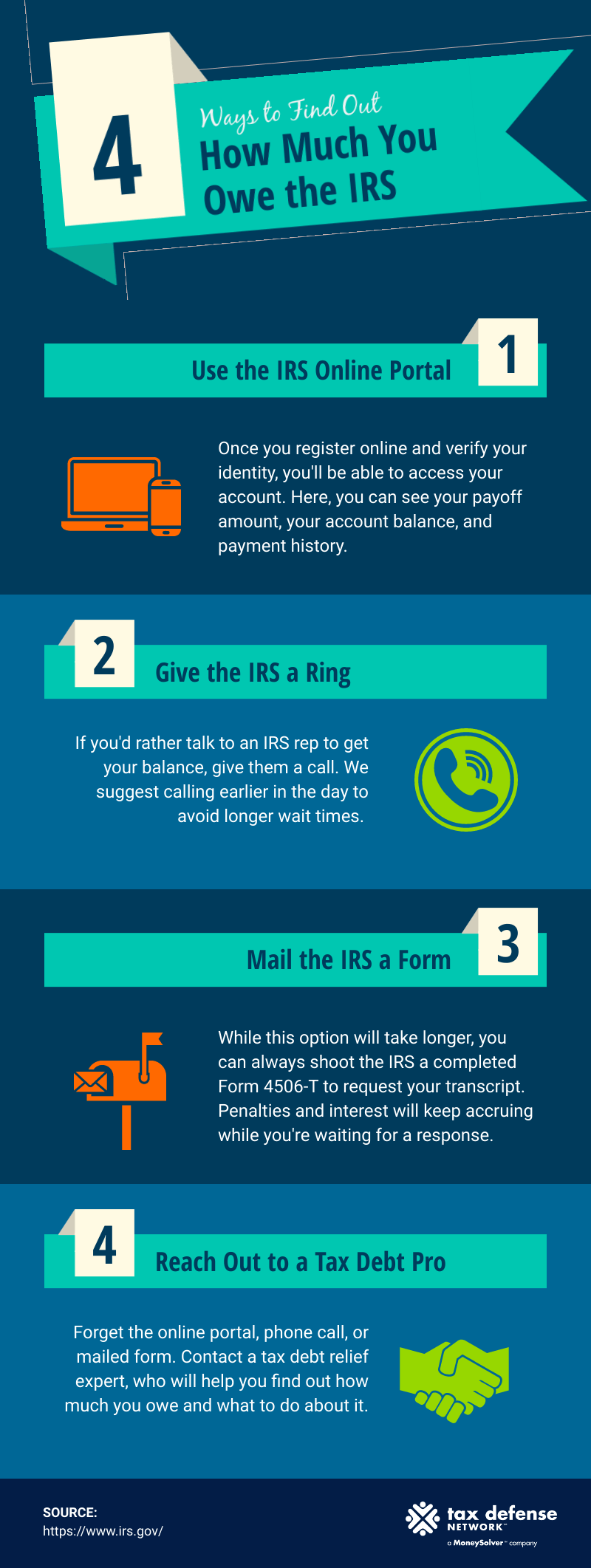
Digital and Traditional Methods to Verify Your Balance
In the modern era, the IRS has significantly improved its digital infrastructure, allowing taxpayers to access their records with more transparency than in previous decades. There are several reliable ways to confirm if you have an outstanding balance.
Utilizing the IRS Online Account Tool
The most efficient way to check your tax status is through the official IRS website. By creating or logging into your “Individual Online Account,” you can view the total amount you owe, including a breakdown of the tax, penalties, and interest for each tax year.
To access this tool, you must complete a rigorous identity verification process, often through a third-party service like ID.me. This process requires a government-issued photo ID and biometric verification to ensure your sensitive financial data remains secure. Once authenticated, you can view your payment history, access digital copies of certain notices, and see the details of any active payment plans. This dashboard serves as the “source of truth” for your federal tax obligations.
Requesting a Tax Transcript
If you prefer a more formal record or if you are unable to use the online account tool, you can request a tax transcript. There are several types of transcripts, but the “Tax Account Transcript” is the most useful for determining debt. It shows basic data such as return type, marital status, adjusted gross income, taxable income, and, crucially, any later adjustments made by the IRS.
Transcripts can be requested online for immediate viewing or by mail via Form 4506-T. For those dealing with complex financial histories or potential audits, the “Record of Account” transcript provides the most comprehensive overview, combining the information from the original return with any subsequent changes or payments.
Inquiring by Phone or Mail
While the IRS is known for long hold times, particularly during peak tax season, calling their customer service line is a direct way to speak with an agent regarding your balance. When calling, you should have your Social Security number, filing status, and your most recent tax return ready for verification.
Additionally, you can submit a written inquiry. While this is the slowest method, it provides a paper trail that can be useful if you are disputing a balance or seeking an official statement for a mortgage or loan application.
Deciphering IRS Notices and Correspondence
The IRS communicates primarily through the United States Postal Service. If you owe money, you will likely receive a series of letters known as “notices.” Understanding the codes and the tone of these letters is vital to determining the urgency of your situation.
Common Notice Codes and Their Meanings
Each IRS notice is labeled with a code, typically found in the top right-hand corner.
-
CP14: This is usually the first notice sent when you have an unpaid balance. It outlines the amount of tax you owe plus any initial interest and penalties.
-
CP501, CP503, and CP504: These are follow-up notices that increase in severity. A CP504 notice is a “Final Notice” and indicates that the IRS intends to levy your property or assets if the debt is not settled.
-
CP2000: Also known as an Underreporter Inquiry, this notice is sent when the income reported on your tax return doesn’t match the information the IRS received from third parties (like your employer or bank). This doesn’t always mean you owe money, but it suggests a discrepancy that could lead to a balance due.
Identifying Potential Scams
It is critical to distinguish between official IRS correspondence and fraudulent attempts to steal your information. The IRS does not initiate contact via email, text message, or social media to request personal or financial information. Furthermore, they will never demand immediate payment using specific methods like wire transfers, prepaid debit cards, or gift cards. Official payments are always made to the “United States Treasury.” If you receive a suspicious digital communication claiming you owe money, do not click on any links; instead, log directly into your official IRS Online Account to verify the claim.
Actionable Steps if You Discover an Outstanding Debt
Discovering that you owe the IRS can be overwhelming, but the agency offers several avenues for taxpayers to settle their debt in a manageable way. The worst mistake a taxpayer can make is to ignore the debt, as the IRS has significant collection powers.
Setting Up a Payment Plan
If you cannot pay the full amount immediately, you can apply for an Online Payment Agreement.
-
Short-term Payment Plan: This gives you up to 180 days to pay your liability in full, though interest and penalties still accrue.
-
Long-term Installment Agreement: If you need more than six months, you can set up a monthly payment plan. For balances under $50,000, these are often “streamlined,” meaning you don’t have to provide an extensive financial statement to the IRS.
Offer in Compromise (OIC)
In cases of extreme financial hardship, the IRS may allow you to settle your tax debt for less than the full amount you owe. This is known as an Offer in Compromise. The IRS considers your ability to pay, income, expenses, and asset equity. This is a complex process and typically requires the assistance of a tax professional, but for those in dire financial straits, it provides a path to a fresh start.
Penalty Abatement and Hardship Status
If you have a history of filing and paying on time but missed a payment due to a specific circumstance (such as a natural disaster or serious illness), you may qualify for “First-Time Penalty Abatement.” Additionally, if paying your tax debt would prevent you from meeting basic living expenses, you can apply for “Currently Not Collectible” status. While this does not wipe away the debt, it temporarily halts collection activities like levies or garnishments.
Proactive Strategies to Avoid Future Tax Surprises
The best way to manage IRS debt is to prevent it from occurring in the first place. This requires a proactive approach to your personal or business finances throughout the year.
Adjusting Your Withholdings
For W-2 employees, the most common reason for owing at the end of the year is an incorrectly filed Form W-4. If you had a major life event—such as getting married, having a child, or starting a second job—you should update your withholdings. The IRS offers a “Tax Withholding Estimator” tool that helps you determine exactly how much should be taken out of each paycheck to ensure you break even or receive a modest refund.
Managing Estimated Tax Payments
For the self-employed, freelancers, and those with significant investment income, the IRS requires quarterly estimated tax payments. Since no employer is withholding taxes for you, you must calculate and pay your own taxes four times a year. Failure to do so can result in an “underpayment penalty,” even if you pay the full amount by the April deadline. A good rule of thumb is to set aside 25% to 30% of your gross income in a separate high-yield savings account to cover these obligations.

Leveraging Financial Tools and Professional Guidance
Using modern accounting software can help track your tax liability in real-time. Tools that categorize expenses and estimate tax burdens based on current income can prevent the “sticker shock” that often accompanies the filing season. Furthermore, if your financial situation involves multiple income streams, foreign assets, or complex deductions, consulting with a Certified Public Accountant (CPA) or Enrolled Agent is an investment that can save you thousands in penalties and interest over the long term.
Understanding your relationship with the IRS is not just about compliance; it is about maintaining control over your financial destiny. By utilizing digital tools, staying vigilant against scams, and understanding the relief options available, you can navigate the complexities of federal taxes with confidence and clarity.
aViewFromTheCave is a participant in the Amazon Services LLC Associates Program, an affiliate advertising program designed to provide a means for sites to earn advertising fees by advertising and linking to Amazon.com. Amazon, the Amazon logo, AmazonSupply, and the AmazonSupply logo are trademarks of Amazon.com, Inc. or its affiliates. As an Amazon Associate we earn affiliate commissions from qualifying purchases.