
In the current landscape of global finance, the ability to move capital quickly, securely, and across borders is no longer a luxury—it is a fundamental requirement for personal and professional success. Whether you are an individual looking to streamline your monthly budgeting, a freelancer entering the gig economy, or an entrepreneur launching a digital storefront, the digital wallet has become the cornerstone of financial agility. PayPal, as one of the pioneers of the fintech revolution, remains a dominant force in this space. Establishing a PayPal account is more than just a technical setup; it is a strategic move to integrate your financial life into a global ecosystem that prioritizes liquidity and security.
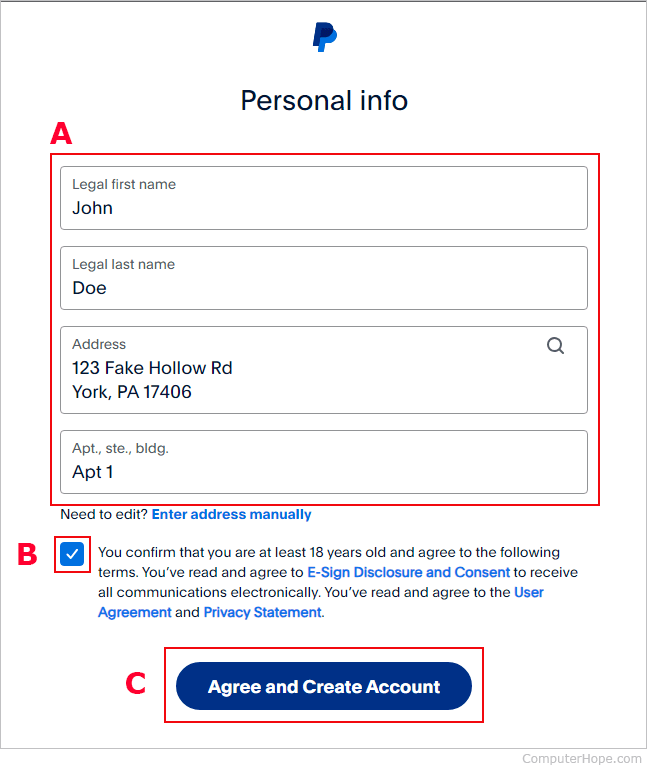
This guide explores the intricate process of establishing a PayPal account through the lens of financial optimization, ensuring that your transition into digital payments is both profitable and protected.
Choosing the Right Financial Foundation: Personal vs. Business Accounts
The first and most critical decision in establishing your PayPal presence is determining the architectural framework of the account. PayPal offers two primary account types, each designed with specific financial goals in mind. Making the wrong choice at this stage can lead to unnecessary fees or limited functionality later on.
The Personal Account: For the Individual Consumer
A Personal account is optimized for those whose primary financial activities involve purchasing goods and services or sending money to friends and family. From a personal finance perspective, this account acts as a secure buffer between your primary bank account and the vast world of online merchants.
The primary advantage here is the “Friends and Family” feature, which allows for the transfer of funds without incurring transaction fees, provided the source of funds is a linked bank account or the PayPal balance itself. For those managing a household budget, a Personal account provides a consolidated view of discretionary spending, making it easier to track digital outlays.
The Business Account: For the Modern Professional
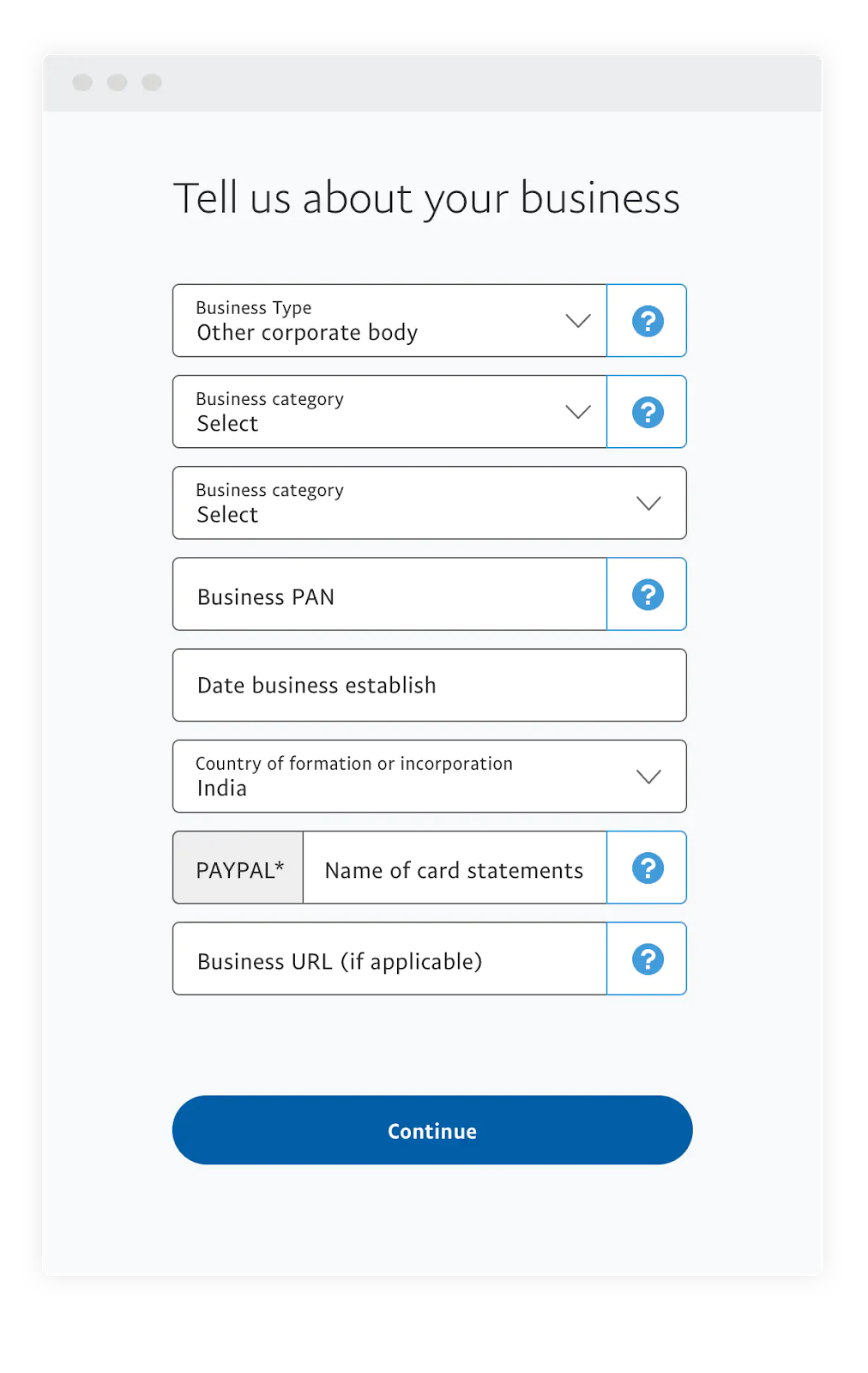
If your objective is to generate online income, whether through e-commerce, consulting, or creative freelancing, a Business account is mandatory. From a strategic financial standpoint, the Business account allows you to operate under a company name, providing a layer of professionalism and privacy.
More importantly, it unlocks a suite of financial tools, such as professional invoicing, subscription management, and the ability to accept credit card payments from clients who do not have a PayPal account. While Business accounts incur merchant fees—typically a percentage of the transaction plus a fixed fee—the tax benefits of having a clearly delineated business ledger often outweigh these costs.
The Architecture of Setup: Step-by-Step Integration
Establishing the account requires a meticulous approach to data entry to ensure that your financial pipeline remains uninterrupted by security flags or verification delays.
Initial Registration and Email Strategy
The process begins with a valid email address, which serves as your primary financial identifier. For business users, it is highly recommended to use an email associated with your professional domain to instill trust in your clients. During this phase, password strength is not merely a suggestion but a critical component of your digital asset protection. A robust, unique password, combined with multi-factor authentication (MFA), creates a formidable barrier against unauthorized access to your capital.
Linking the Lifeblood: Banks and Cards
Once the shell of the account is created, you must link it to your existing financial infrastructure. To achieve full functionality, you should link both a bank account and a debit or credit card.
-
Bank Account: This serves as the primary conduit for “carrying” money out of the PayPal ecosystem and into your traditional savings or checking accounts.
-
Credit/Debit Card: This acts as a secondary funding source, ensuring that your transactions are never declined due to a low balance. From a wealth management perspective, using a rewards-based credit card as your primary funding source within PayPal allows you to stack rewards points while benefiting from PayPal’s buyer protection.

The Verification Milestone
A “verified” account is the gold standard in the PayPal ecosystem. Verification involves PayPal making two micro-deposits (usually a few cents each) into your linked bank account. Once you confirm these amounts within the PayPal interface, your account limits are lifted. This is a crucial step for anyone planning to move significant sums of money, as unverified accounts often face strict withdrawal caps and may have funds “held” for longer periods during security reviews.
Optimizing Cash Flow and Managing Digital Capital
Once the account is established, the focus shifts from setup to management. How you interact with your PayPal balance can significantly impact your overall financial health.
Managing the PayPal Balance
One of the most debated topics in personal finance is whether to keep a balance within a digital wallet. While a PayPal balance offers immediate liquidity for online purchases, it generally does not earn interest. For individuals focused on wealth accumulation, it is often wiser to “sweep” excess funds into a high-yield savings account on a weekly or monthly basis. However, for business owners, maintaining a “float” within the PayPal account can be useful for paying recurring software subscriptions or vendor invoices without tapping into primary operational capital.
Navigating the Fee Structure
Understanding the cost of doing business on the platform is essential for maintaining healthy margins. For domestic transactions, PayPal’s fees are transparent, but the landscape changes when moving money internationally.
-
Merchant Fees: These are the costs associated with receiving payments for goods and services.
-
Currency Conversion: This is often where users lose the most money. PayPal applies its own exchange rate, which includes a spread over the base market rate. For those receiving significant international income, it may be more cost-effective to use a dedicated multi-currency tool or to hold the funds in their original currency within PayPal until market rates are more favorable.
Tax Compliance and Reporting
In many jurisdictions, including the United States, PayPal is required to report gross settlements to tax authorities (such as the IRS via Form 1099-K) once certain thresholds are met. Establishing your account with the correct Taxpayer Identification Number (TIN) or Social Security Number (SSN) from the outset ensures that your year-end financial reporting is seamless. Proper record-keeping within the PayPal “Activity” tab allows for easy categorization of deductible business expenses, which is vital for effective tax planning.
Security Protocols and Fraud Mitigation
In the digital age, financial security is synonymous with financial stability. Establishing a PayPal account requires a proactive stance on defending your assets.
Buyer and Seller Protection
One of the primary reasons users gravitate toward PayPal is the inherent protection policies. For consumers, Buyer Protection offers a safety net if an item fails to arrive or is not as described. For entrepreneurs, Seller Protection provides a shield against certain types of chargebacks and reversals. Understanding the documentation required to qualify for these protections—such as proof of shipment and tracking information—is a key part of professional financial management.
Recognizing Phishing and Social Engineering
As your PayPal account becomes a more significant part of your financial life, it will inevitably become a target for malicious actors. It is vital to remember that PayPal will never ask for your password or sensitive financial details via email. Establishing a habit of navigating directly to the official website rather than clicking links in notifications is a simple yet effective way to protect your capital from phishing attempts.
The Importance of Two-Factor Authentication (2FA)
Within the security settings of your newly established account, enabling 2FA is the single most effective step you can take. By requiring a code from a mobile device or an authenticator app, you ensure that even if your login credentials are compromised, your funds remain inaccessible to hackers. In the realm of digital finance, this extra layer of friction is a small price to pay for the peace of mind it provides.
Leveraging PayPal for Global Financial Reach
The ultimate goal of establishing a PayPal account is to remove the geographical barriers to your financial potential. In an era where a freelancer in Eastern Europe can provide services to a corporation in North America, PayPal acts as the bridge.
By mastering the tools provided—from the mobile app for on-the-go tracking to the sophisticated reporting tools for year-end analysis—you position yourself at the forefront of the digital economy. The account is not merely a place to store money; it is a dynamic engine for transaction, a protector of consumer rights, and a facilitator of global commerce. When established with care, optimized for fees, and defended with modern security protocols, your PayPal account becomes an invaluable asset in your broader financial portfolio.
aViewFromTheCave is a participant in the Amazon Services LLC Associates Program, an affiliate advertising program designed to provide a means for sites to earn advertising fees by advertising and linking to Amazon.com. Amazon, the Amazon logo, AmazonSupply, and the AmazonSupply logo are trademarks of Amazon.com, Inc. or its affiliates. As an Amazon Associate we earn affiliate commissions from qualifying purchases.