
In the rapidly evolving landscape of digital finance, the ability to move capital securely and efficiently is a cornerstone of personal and professional success. PayPal has transitioned from a simple peer-to-peer payment tool into a comprehensive financial ecosystem. For many, a PayPal account is not just a digital wallet; it is a gateway to the global economy, a tool for managing side hustle income, and a platform for sophisticated budgeting. Understanding how to create and optimize a new PayPal account is the first step toward mastering your digital financial footprint.
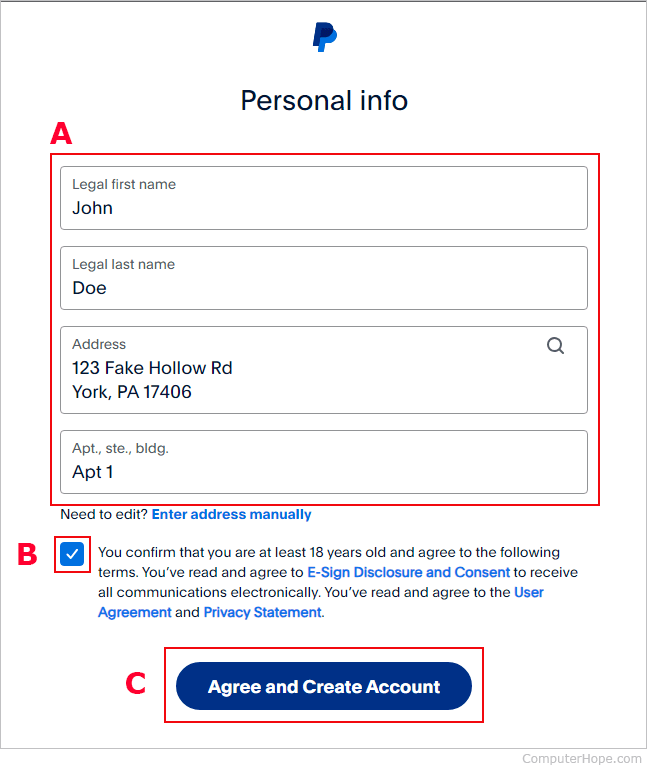
This guide moves beyond a simple technical tutorial, focusing instead on the strategic setup of a PayPal account within the context of personal finance, business management, and long-term wealth protection.
Choosing the Right Account Type for Your Financial Goals
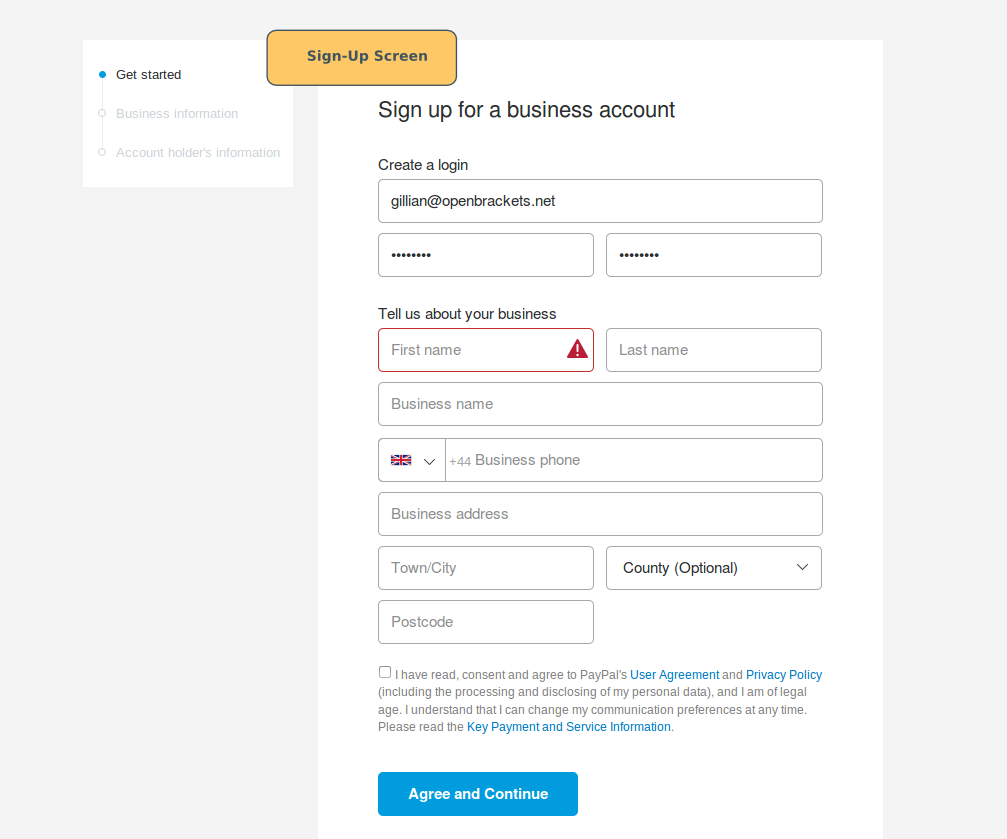
Before you begin the registration process, you must make a pivotal decision that will dictate your fee structure, tax reporting, and legal protections: choosing between a Personal and a Business account. This choice should be informed by your current financial activity and your future scaling goals.
Personal Accounts for Savvy Budgeters and Casual Users
A Personal account is designed for individuals who primarily use the platform for shopping, sending money to friends and family, and receiving occasional payments. From a financial management perspective, the Personal account is an excellent tool for tracking discretionary spending.
One of the primary benefits of the Personal account is the lack of fees for standard transfers within the same country when using a linked bank account or PayPal balance. This makes it an ideal vehicle for “envelope budgeting” in the digital age, where you can move specific amounts of money for online purchases without exposing your primary bank account details to every merchant.
Business Accounts for Entrepreneurs and Freelancers
If your goal is to generate online income or manage a side hustle, a Business account is mandatory. While Personal accounts can receive payments for goods and services, Business accounts offer professional features such as the ability to operate under a corporate name (LLC, Inc., or DBA), provide access to multiple users, and integrate with advanced accounting software.
From a money management standpoint, a Business account facilitates the separation of personal and business finances—a crucial step for tax compliance and liability protection. Business accounts also unlock the ability to send professional invoices and accept credit card payments directly, which can significantly improve your cash flow and client acquisition rates.
Step-by-Step Setup: Building Your Digital Wallet
Once you have identified the appropriate account type, the setup process requires a meticulous approach to ensure your account remains in good standing with financial regulators.
Initial Registration and Identity Verification
To begin, navigate to the official website or download the mobile app. You will need a valid email address—ideally one used specifically for financial transactions to reduce the risk of phishing—and a secure password.
In the era of “Know Your Customer” (KYC) regulations, PayPal is required by law to verify the identity of its users. This means you will be asked for your legal name, physical address, and, in many regions, a Taxpayer Identification Number (such as a Social Security Number in the United States). Providing accurate information at this stage is critical; discrepancies between your PayPal data and your government ID can lead to frozen funds and account limitations.
Linking Financial Instruments: Banks vs. Cards
The true power of PayPal lies in its role as an intermediary between your liquid assets and the marketplace. You will be prompted to link a bank account or a debit/credit card.
-
Bank Accounts: Linking a bank account via ACH (Automated Clearing House) is often the most cost-effective way to move money. It allows for “standard” withdrawals, which are typically free and take 1-3 business days. This is the preferred method for long-term wealth building, as it avoids the high percentage fees associated with instant transfers.
-
Credit Cards: From a personal finance perspective, linking a credit card to PayPal offers an extra layer of protection. If a merchant fails to deliver a product and PayPal’s internal dispute resolution fails, you still have the option to initiate a chargeback through your card issuer. Furthermore, using a rewards-bearing credit card through PayPal allows you to accumulate points or cashback on purchases that might not otherwise offer such incentives.
Maximizing Security and Financial Safety
A digital account is only as valuable as its security. When dealing with financial tools, your primary objective should be the mitigation of risk and the protection of your capital.
Two-Factor Authentication and Fraud Protection
Immediately after creating your account, you should enable Two-Factor Authentication (2FA). By requiring a code from an authenticator app or a text message in addition to your password, you create a robust barrier against unauthorized access.
Furthermore, PayPal utilizes sophisticated AI-driven fraud detection. As a user, you can assist this system by keeping your contact information updated and reviewing your transaction history weekly. In the context of personal finance, this regular review serves a dual purpose: identifying fraudulent activity and maintaining awareness of your spending habits.
Navigating the Nuances of Buyer and Seller Protection
One of the most significant financial advantages of using PayPal is its “Purchase Protection” program. If an item doesn’t arrive or doesn’t match the description, PayPal can facilitate a full refund.
However, users must understand the distinction between “Friends and Family” payments and “Goods and Services” payments. The former is intended for personal transfers and offers no protection; the latter is for commercial transactions and includes the protection suite. Using “Friends and Family” for business transactions to avoid fees is a common mistake that leaves both parties financially vulnerable and can lead to account termination for violating terms of service.
Leveraging PayPal for Income and Wealth Building
For the modern freelancer or small business owner, PayPal is more than a payment processor; it is a tool for financial optimization.
Optimizing Transaction Fees for Freelancers
Transaction fees are an unavoidable part of doing business, but they must be managed. PayPal typically charges a percentage of the transaction plus a fixed fee for receiving money. When calculating your rates as a freelancer or a seller, you must factor these costs into your pricing model.
Strategic users often utilize PayPal’s “Invoicing” feature to clearly outline costs for clients. Additionally, for international business, be aware of cross-border fees and currency conversion spreads. If you frequently deal in multiple currencies, maintaining a balance in those specific currencies within PayPal can help you avoid unnecessary conversion costs until the exchange rates are most favorable.
Integrating with E-commerce and Side Hustles
For those building side hustles, PayPal integrates seamlessly with platforms like eBay, Etsy, Shopify, and WooCommerce. This integration allows for automated bookkeeping and streamlined order fulfillment. By using these integrations, you create a clear “paper trail” for your business income, which is invaluable during tax season.
Advanced Financial Tools within the PayPal Ecosystem
As the platform has matured, it has introduced features that compete with traditional banking and investment firms. Integrating these into your financial strategy can provide additional utility.
High-Yield Savings and Crypto Integration
In many markets, PayPal now offers a high-yield savings account in partnership with established banks. For users who maintain a balance on the platform, moving that capital into a savings pocket can earn interest rates that often outperform traditional brick-and-mortar banks. This is an excellent way to park your “emergency fund” or “tax set-aside” money while keeping it accessible.
Furthermore, the introduction of cryptocurrency services allows users to buy, hold, and sell assets like Bitcoin and Ethereum. While volatile, having this option within your primary payment app allows for easy rebalancing of a small portion of your speculative portfolio using existing balances or linked accounts.
Tax Reporting and Financial Record Keeping
One of the most overlooked benefits of a PayPal account is its reporting capability. At the end of the fiscal year, PayPal provides detailed transaction logs and, for eligible business users, Form 1099-K.
To make the most of this, you should use the “Notes” feature on every transaction. Whether you are paying a contractor or purchasing supplies, a quick note describing the expense transforms your PayPal history into a searchable, categorized ledger. This level of organization is the hallmark of professional financial management and ensures that you are maximizing your tax deductions while remaining compliant with local laws.

Conclusion
Creating a new PayPal account is a straightforward process, but doing so with a focus on financial strategy transforms it into a powerful asset. By choosing the right account type, prioritizing security, and leveraging the platform’s advanced income-tracking and savings tools, you position yourself to navigate the digital economy with confidence. Whether you are an individual looking to secure your online purchases or an entrepreneur ready to scale a global business, a well-managed PayPal account is an essential component of a modern financial toolkit.
aViewFromTheCave is a participant in the Amazon Services LLC Associates Program, an affiliate advertising program designed to provide a means for sites to earn advertising fees by advertising and linking to Amazon.com. Amazon, the Amazon logo, AmazonSupply, and the AmazonSupply logo are trademarks of Amazon.com, Inc. or its affiliates. As an Amazon Associate we earn affiliate commissions from qualifying purchases.