
In the evolving landscape of personal finance, the tools we use to manage our capital are constantly shifting. For over two decades, PayPal has been a cornerstone of the digital economy, bridging the gap between traditional banking and the internet. However, as the fintech sector matures, many sophisticated users are finding that their financial needs are better met by a more diversified array of specialized services. Whether you are consolidating your accounts to improve your financial focus, migrating to platforms with lower fee structures, or enhancing your digital security posture, closing a PayPal account is a significant step in optimizing your personal or business treasury.
Closing a financial account is more than just clicking a button; it is an act of financial housekeeping that requires a methodical approach to ensure no assets are left behind and no tax obligations are overlooked. This guide examines the strategic reasons for account closure and provides a comprehensive roadmap for transitioning your liquidity to more modern financial environments.
The Case for Financial Consolidation: Why Close Your PayPal Account?
Deciding to close a long-standing financial account is often a strategic move toward simplicity. In an era where “app creep” can lead to fragmented oversight of one’s net worth, reducing the number of platforms that hold your data and your cash is a sound defensive financial strategy.
Reducing Digital Clutter and Security Risks
From a wealth management perspective, every open account represents a potential point of failure. Financial accounts that sit dormant are often the primary targets for identity theft or unauthorized access, as they are monitored less frequently than active checking or investment accounts. By closing accounts that no longer serve a primary purpose, you tighten your financial perimeter. Furthermore, PayPal’s data-sharing policies, while standard for the industry, mean that an active account continues to be a node in a massive network of marketing and credit-scoring data. For those prioritizing financial privacy, closing the account is the only way to cease active data collection.
Avoiding Fees and Hidden Costs
For many small business owners and freelancers, the cost of doing business on PayPal has become a point of contention. Between standard transaction fees, currency conversion spreads, and the potential for “instant transfer” fees, the erosion of margins can be significant over a fiscal year. Modern competitors often offer more transparent pricing or tiered structures that favor high-volume merchants. If your financial audit reveals that a disproportionate amount of your revenue is being diverted to processing fees, migrating to a dedicated merchant service provider or a specialized business bank account is a prudent fiduciary move.
The Essential Financial Checklist Before You Close
Before initiating the closure of your account, you must perform a thorough audit of your account status. Because account closure is permanent and irreversible, failing to secure your data and funds beforehand can result in lost revenue or administrative headaches during tax season.
Emptying Your Balance and Managing Pending Transfers
The first rule of closing any financial account is to ensure your balance is zero. However, this is more complex than a simple withdrawal. You must account for any “pending” transactions that have not yet cleared. If you initiate a closure while a transfer is in progress, it can lead to the funds being held in a state of limbo for weeks.
For personal accounts, the most efficient method is to transfer the remaining balance to a linked, high-yield savings account. For business accounts, ensure that all “on-hold” funds—often held by the platform as a risk mitigation strategy—have been released. If your account has a negative balance, you will be required to resolve the debt before the platform allows you to terminate the relationship.
Resolving Disputes and Outstanding Claims
A PayPal account cannot be closed if there are open disputes, claims, or active chargebacks. From a financial stability standpoint, it is essential to resolve these issues while you still have access to the platform’s resolution center. If you are a merchant, closing an account with pending disputes could lead to those disputes being settled automatically in the buyer’s favor, resulting in a loss of both product and capital. Ensure all customer service inquiries are finalized and that any “rolling reserves” mandated by the platform have been fully liquidated and transferred to your primary bank.
Archiving Financial Records and Tax Documents
Perhaps the most overlooked step in account closure is data retention. Once an account is closed, you lose access to years of transaction history. For both individuals and business entities, this history is vital for tax compliance.
In the United States, the IRS requires documentation for all business income, and PayPal issues 1099-K forms to users who meet specific thresholds. You should download at least seven years of transaction history in CSV or PDF format. This ensures that if you are audited or need to prove a cost-of-goods-sold deduction in the future, you have the necessary evidentiary support without needing to petition the company’s legal department for archived records.
Managing Recurring Payments and Subscriptions
PayPal often acts as a “silent” intermediary for dozens of monthly subscriptions, from software-as-a-service (SaaS) tools to insurance premiums. Before closing the account, review your “Automatic Payments” settings. If you close the account without updating your payment method at the source (the merchant), you may experience service interruptions or late fees. This is a perfect opportunity to perform a “subscription audit,” canceling any services that no longer provide value to your lifestyle or business operations.
The Step-by-Step Guide to Deactivating Your Account
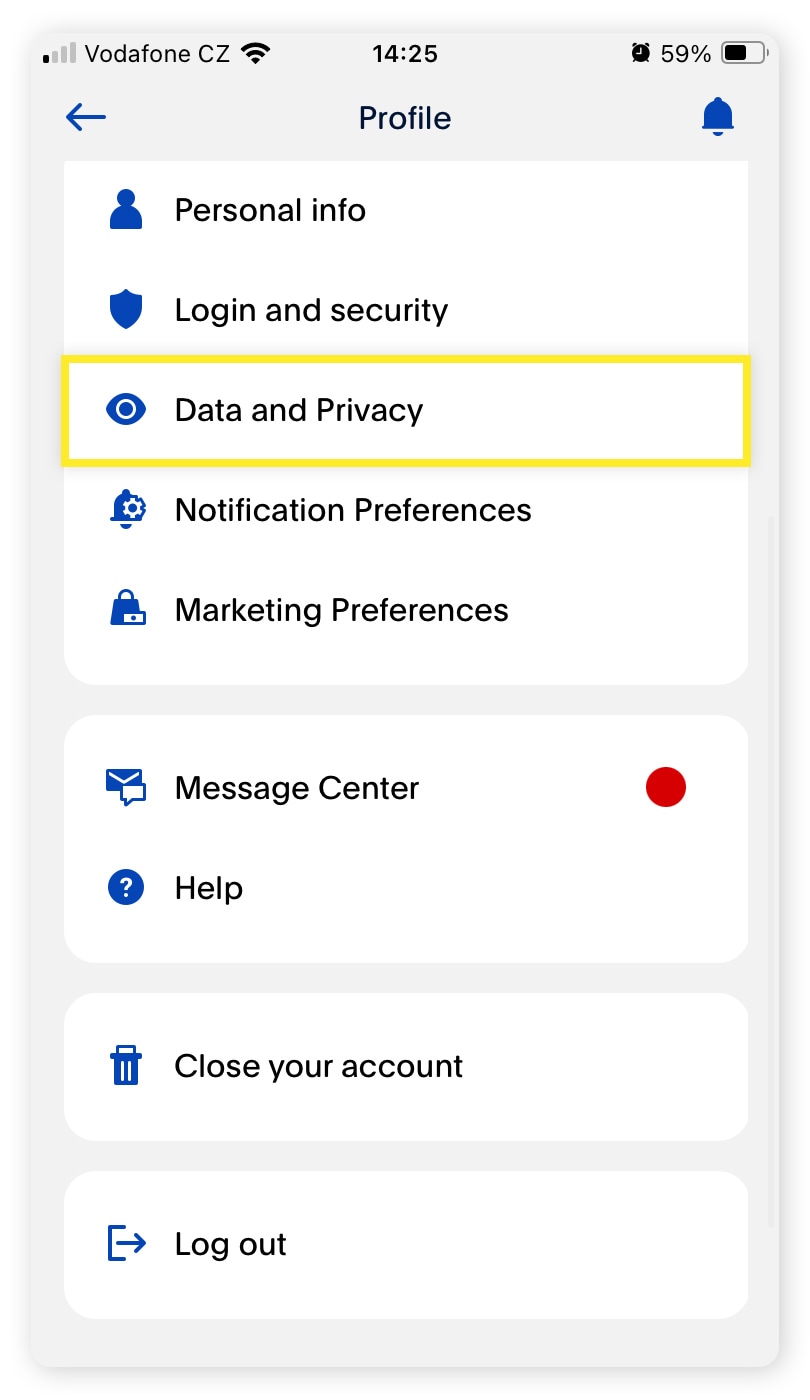
Once your financial audit is complete and your balance is zeroed out, the actual process of closing the account is straightforward. However, it must be done through a web browser, as the mobile application often lacks the administrative depth required for full account termination.
-
Login and Verification: Access your account via a secure, private connection. Ensure you have completed any multi-factor authentication requirements.
-
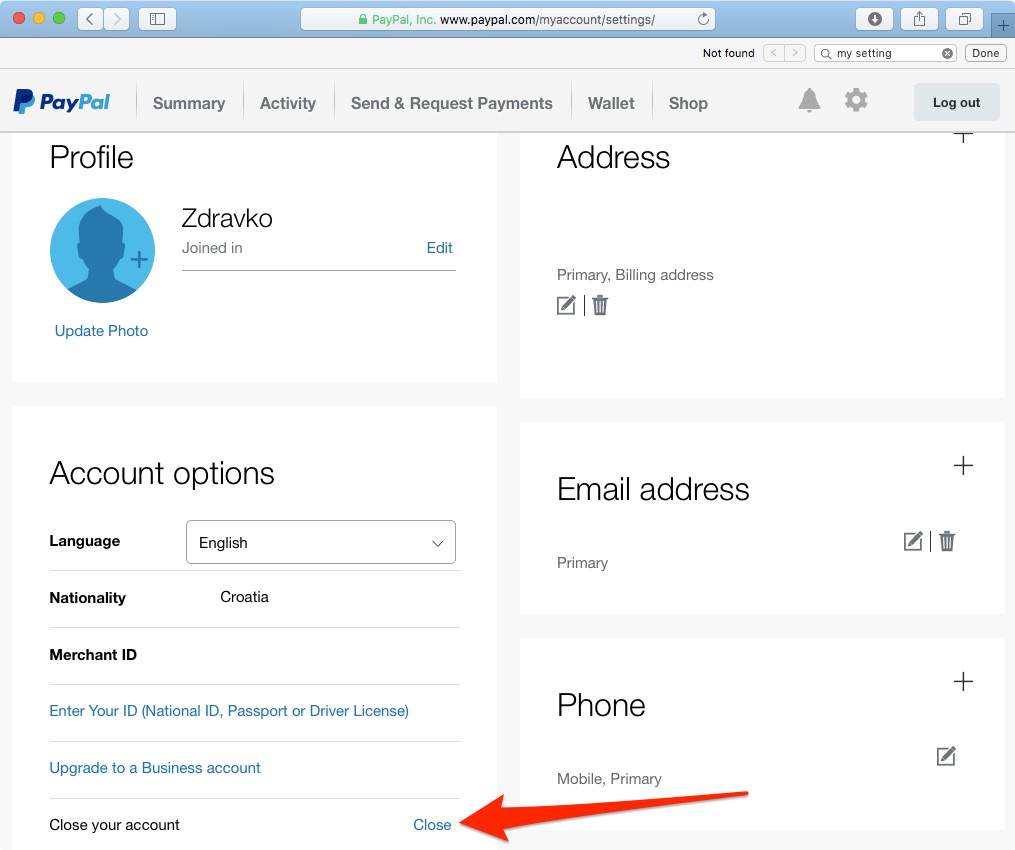
Navigate to Settings: Locate the gear icon (Settings) usually found near the top right of the dashboard.
-
Account Options: Under the “Account” tab, scroll to the bottom of the page. You will find the link labeled “Close your account.”
-
Security Confirmations: The platform will likely ask for a final confirmation of your identity. This is a security measure to prevent unauthorized account deletions.
-
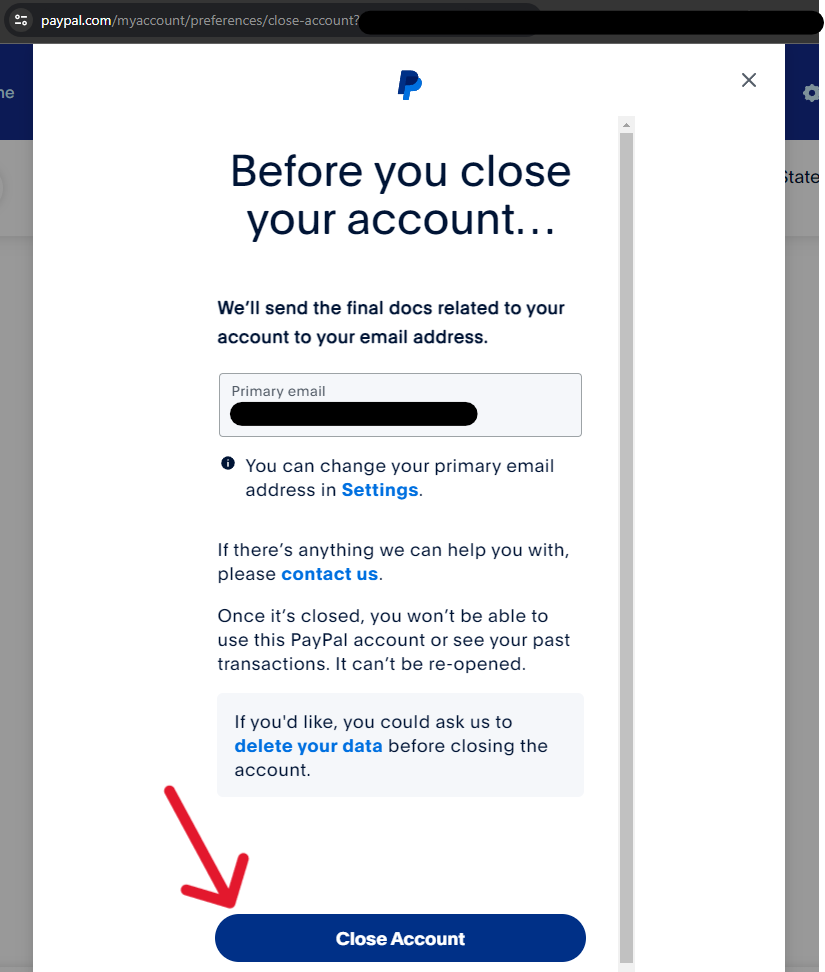
Final Submission: Once you confirm, the system will verify that there are no pending transactions or open disputes. If the account is clear, the closure is immediate.
It is worth noting that closing a personal account is different from closing a business account. For business entities, ensure that all authorized users have been notified, as their access will be terminated simultaneously.
Life After PayPal: Navigating the Modern Fintech Landscape
Closing your PayPal account does not mean retreating from digital commerce; rather, it allows you to reallocate your financial activity toward tools that offer better yield, lower fees, or superior integration with your accounting software.
High-Yield Alternatives for Cash Management
If you used PayPal as a secondary place to store “mad money” or digital earnings, you are missing out on the current interest rate environment. Many neo-banks and traditional online banks now offer high-yield savings accounts (HYSA) with rates significantly higher than zero. Moving your digital “float” to an account that earns 4% or 5% APY is a simple way to make your dormant cash work harder for you.
Merchant-Focused Solutions for Business Owners
For those running a business, moving away from legacy payment processors can unlock sophisticated financial features. Platforms like Stripe offer deeper integration for developers and more robust analytics for financial forecasting. Alternatively, many business owners are moving toward “all-in-one” platforms that combine banking, invoicing, and expense management. These systems provide a more holistic view of cash flow, allowing for better-informed decisions regarding reinvestment and tax planning.
Peer-to-Peer Payment Optimization
For personal use, the peer-to-peer (P2P) market has fragmented into specialized niches. Services like Zelle, which are integrated directly into many bank apps, allow for instantaneous transfers between bank accounts without the “holding period” or “instant transfer fees” associated with third-party apps. For international transfers, specialized services often provide mid-market exchange rates that are far more favorable than the retail rates offered by general-purpose payment platforms, potentially saving you hundreds of dollars on large cross-border transactions.
Long-Term Wealth Management in a Digital-First World
The decision to close an account should be viewed through the lens of long-term wealth management. A streamlined financial life is a more manageable one. By concentrating your assets in a few high-quality institutions, you can more easily track your net worth, manage your asset allocation, and ensure that your heirs can navigate your estate more effectively.
Financial minimalism is a growing trend among high-net-worth individuals who recognize that complexity is often the enemy of profit. Each account you maintain requires time—time to monitor, time to reconcile, and time to secure. By closing your PayPal account and consolidating those functions into a more modern, efficient financial stack, you are reclaiming that time and focusing your energy on growth rather than administration.
Ultimately, the goal of any financial tool should be to facilitate the movement and growth of your capital with the least amount of friction possible. If a platform no longer meets that criteria, closing it is not just a technical task—it is a strategic upgrade to your financial life.
aViewFromTheCave is a participant in the Amazon Services LLC Associates Program, an affiliate advertising program designed to provide a means for sites to earn advertising fees by advertising and linking to Amazon.com. Amazon, the Amazon logo, AmazonSupply, and the AmazonSupply logo are trademarks of Amazon.com, Inc. or its affiliates. As an Amazon Associate we earn affiliate commissions from qualifying purchases.