
Navigating the complexities of federal taxation is a fundamental aspect of personal financial management. Whether you are a high-net-worth investor, a freelance entrepreneur, or a salaried employee, maintaining a clear picture of your tax liability is essential for long-term fiscal health. Ignoring potential debt to the Internal Revenue Service (IRS) does not make it disappear; rather, it allows interest and penalties to compound, potentially jeopardizing your financial goals. Fortunately, modern financial tools and traditional administrative channels provide several reliable ways to verify your status. Understanding how to check if you owe the IRS is the first step toward proactive wealth management and debt resolution.
Utilizing the IRS Online Account for Real-Time Financial Visibility
In recent years, the IRS has significantly modernized its digital infrastructure, moving toward a “self-service” model that mirrors private banking and investment platforms. The IRS Online Account is now the most efficient and comprehensive tool for individuals to monitor their standing with the federal government.
The Registration Process via ID.me
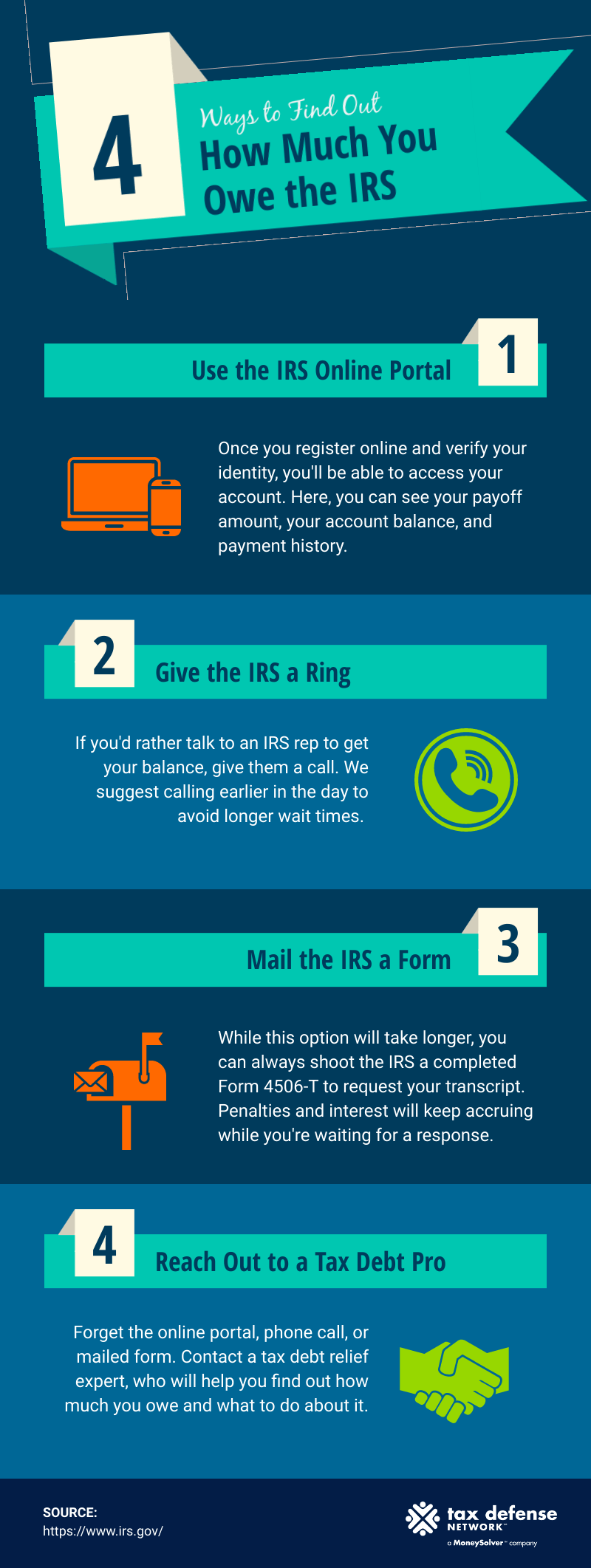
To access your financial data, the IRS requires a high level of security to prevent identity theft and fraud. Currently, this is managed through ID.me, a third-party credential service provider. Setting up an account involves verifying your identity using government-issued photo identification and biometric data (such as a selfie). While this may seem like an extra hurdle, it is a necessary safeguard for your sensitive financial records. Once authenticated, you gain immediate access to a centralized dashboard that tracks your tax history over the last several years.
Navigating the Dashboard and Account Balance
The primary benefit of the Online Account is the “Account Balance” feature. This section provides a real-time snapshot of the total amount you owe, including the principal tax, accrued interest, and any assessed penalties. The dashboard breaks down these figures by tax year, allowing you to identify exactly where a discrepancy occurred. For individuals who manage multiple income streams or complex portfolios, this level of granularity is vital for reconciling internal ledgers with government records.
Accessing Digital Transcripts for Financial Planning
Beyond simply checking a balance, the Online Account allows you to download various types of tax transcripts. For financial planning purposes, the “Record of Account Transcript” is particularly useful, as it combines data from your original return with any subsequent adjustments made by the IRS. These documents are often required when applying for significant lines of credit, such as mortgages or business loans, making the ability to verify your tax status digitally a significant advantage in the broader financial landscape.
Alternative Methods to Verify Tax Liability
While digital tools are the fastest option, they are not the only way to determine your tax standing. Certain financial situations or preferences may necessitate more traditional methods of inquiry. These methods remain robust and provide a paper trail that can be essential for legal or accounting audits.
Monitoring Your Physical Mail for Official Notices
The IRS still relies heavily on the United States Postal Service for official legal notifications. If you owe money, the agency will typically send a series of notices, starting with the CP14. This notice outlines the amount owed and the due date for payment. Subsequent notices, such as the CP501 or CP504 (Notice of Intent to Levy), indicate an escalating level of urgency. From a personal finance perspective, maintaining an organized filing system for these notices is crucial. They contain specific “Notice Numbers” and “Assessment Dates” that are required if you need to dispute a balance or enter into a payment negotiation.
Requesting Information via Form 4506-T
If you are unable to access the online portal, you can request a transcript of your account by filing Form 4506-T (Request for Transcript of Tax Return). This is a manual process where you specify the tax years and the type of information you need. While this method takes longer—often several weeks—it provides a physical record of your tax liability that is recognized by financial institutions and the courts. It is a prudent step for individuals who are undergoing a comprehensive financial audit or who are preparing for complex estate planning.
The Role of Tax Professionals and Powers of Attorney
For individuals with high-complexity financial lives, checking IRS debt is often delegated to a Certified Public Accountant (CPA) or a tax attorney. By filing Form 2848 (Power of Attorney and Declaration of Representative), you authorize a professional to view your account details and speak with the IRS on your behalf. These professionals have access to a dedicated “Tax Professional Transcript Delivery System,” which allows them to pull your records and analyze them through the lens of tax law and financial optimization. This is often the most effective route if you suspect you owe a significant balance but are unsure of the underlying cause.
Decoding the Components of Your Tax Debt

Finding out that you owe a balance is only half of the equation; understanding why that balance exists and how it is structured is critical for effective financial resolution. Tax debt is rarely just the “missing” tax; it is a composite of several financial elements.
Distinguishing Between Principal, Interest, and Penalties
When you view your balance, it is usually divided into three categories. The “Principal” is the original tax amount that was not paid by the filing deadline. The “Interest” is a variable rate set by the government, compounded daily, which serves as the cost of borrowing money from the Treasury. “Penalties” are administrative charges, such as the Failure to File or Failure to Pay penalties. From a wealth management perspective, the Failure to File penalty is particularly damaging, as it is often much higher than the Failure to Pay penalty. Understanding this breakdown helps you prioritize which debts to settle first and whether you might qualify for penalty abatement.
Common Reasons for an Unexpected Balance
In many cases, taxpayers are surprised to find they owe money. This often stems from “Underreporting,” where the IRS receives a 1099 or W-2 that was not included on the tax return. Another common cause is the “Alternative Minimum Tax” (AMT) or self-employment tax obligations that were not properly estimated during the fiscal year. By identifying the root cause—be it a capital gains realization or a simple clerical error—you can adjust your financial strategy to ensure the mistake does not recur in future quarters.
Strategic Solutions for Managing Outstanding Tax Balances
If your inquiry reveals an outstanding debt, the next step is to integrate the resolution of that debt into your broader financial plan. The IRS offers several mechanisms to help taxpayers settle their obligations without facing immediate financial ruin.
Short-Term and Long-Term Installment Agreements
For most individuals, an Installment Agreement (IA) is the most viable path. A short-term IA gives you up to 180 days to pay the balance in full, which can be useful if you are waiting for a liquidity event, such as the sale of an asset or a bonus. A long-term IA, or “Payment Plan,” allows for monthly payments over several years. Setting up these plans is a strategic financial move because it halts certain collection actions, such as wage garnishments or bank levies, providing much-needed stability to your cash flow.
Exploring the Offer in Compromise (OIC)
An Offer in Compromise is a sophisticated financial tool that allows you to settle your tax debt for less than the full amount owed. However, the IRS only grants an OIC if there is a legitimate doubt as to collectability or if full payment would create an unfair economic hardship. This process requires an exhaustive disclosure of your assets, income, and monthly expenses. While difficult to obtain, it represents a “fresh start” for individuals facing extreme financial distress, allowing them to clear their liabilities and return to a state of net-worth growth.
Seeking Currently Not Collectible (CNC) Status
If your current financial situation is so dire that paying the IRS would prevent you from meeting basic living expenses, you may request “Currently Not Collectible” status. While this does not wipe away the debt—and interest continues to accrue—it stops the IRS from active collection efforts. This is a temporary reprieve used in financial crisis management to allow an individual time to stabilize their income and assets before resuming payments.
Proactive Financial Strategies to Avoid Future Debt
Checking your IRS status should not be an act of crisis management; it should be a routine part of your financial maintenance. Once you have cleared any existing debt, implementing proactive strategies will ensure you remain in good standing.
Optimization of Estimated Quarterly Payments
For business owners and investors, the “pay-as-you-go” nature of the U.S. tax system requires making estimated payments every quarter. Failure to do so leads to an underpayment penalty. By using financial software or working with an advisor to project your annual income, you can make precise quarterly payments. This ensures that when you check your balance at the end of the year, it sits at zero—or close to it—avoiding the shock of a massive tax bill in April.

Revisiting W-4 Withholdings and Tax-Advantaged Planning
For employees, an unexpected tax debt is usually the result of improper withholding. Periodically revisiting your Form W-4, especially after a major life event like marriage, the birth of a child, or a significant raise, is essential. Furthermore, contributing to tax-advantaged accounts like a 401(k) or an HSA reduces your taxable income, which can lower your overall liability. By integrating tax awareness into your everyday financial decisions, you transform the IRS from a source of stress into a manageable variable in your total wealth strategy.
aViewFromTheCave is a participant in the Amazon Services LLC Associates Program, an affiliate advertising program designed to provide a means for sites to earn advertising fees by advertising and linking to Amazon.com. Amazon, the Amazon logo, AmazonSupply, and the AmazonSupply logo are trademarks of Amazon.com, Inc. or its affiliates. As an Amazon Associate we earn affiliate commissions from qualifying purchases.