
In an era dominated by instantaneous digital transfers, mobile wallets, and encrypted online portals, the traditional paper check remains a surprisingly resilient tool in the realm of American tax administration. While the Internal Revenue Service (IRS) heavily promotes its electronic filing and payment systems, thousands of taxpayers and business owners continue to rely on physical checks to settle their obligations. Whether driven by a desire for a tangible paper trail, specific corporate accounting protocols, or a general distrust of online financial interfaces, paying by check is a valid and legal method to fulfill your tax duties. However, the process is far more nuanced than simply writing a number and dropping an envelope in a mailbox. To ensure your payment is credited correctly and timely, you must navigate a specific set of administrative requirements.

The Anatomy of a Tax Payment Check: Getting the Details Right
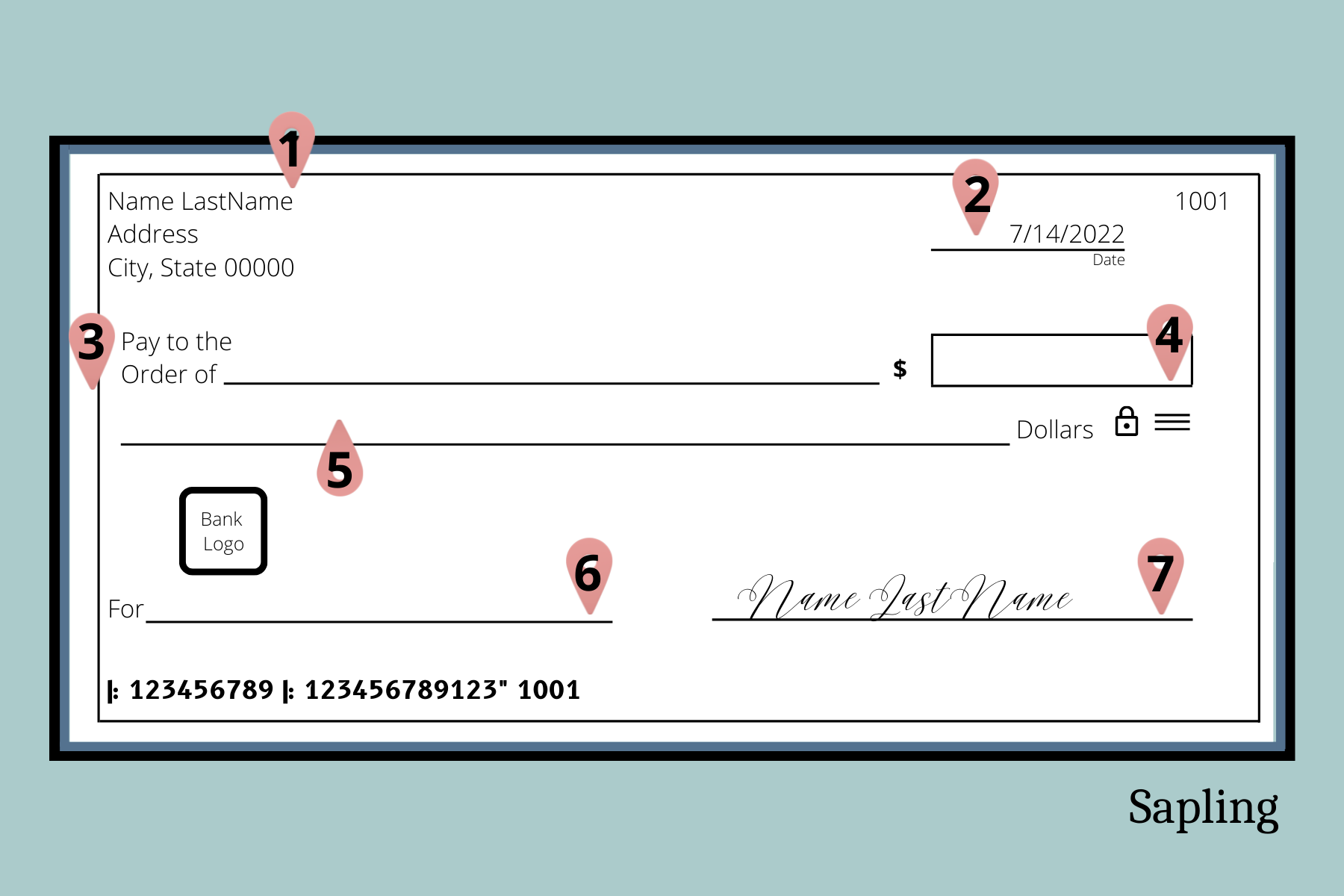
The IRS processes millions of payments annually. To prevent your check from being separated from your tax account or applied to the wrong year, every piece of information on that slip of paper must be precise. Errors in the “Pay to” line or a missing Social Security Number can lead to administrative delays, unintended late fees, and the frustration of resolving misapplied funds.
The Recipient: Who Gets the Funds?
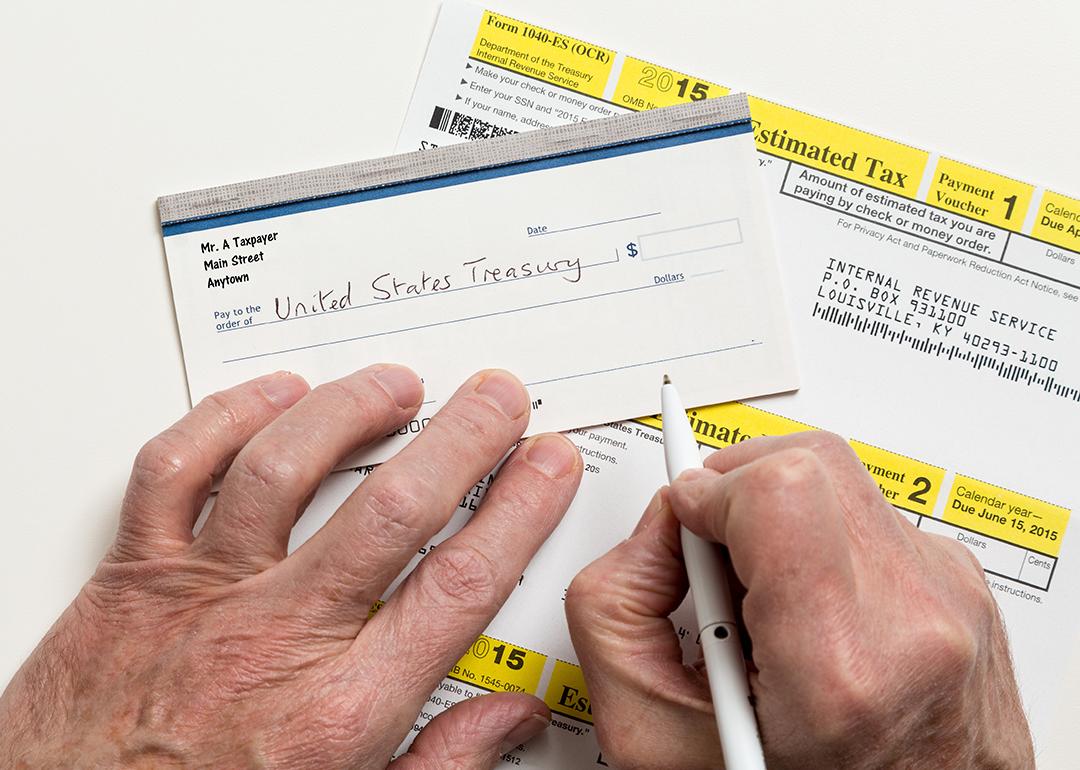
A common mistake made by taxpayers is making the check payable to “The Internal Revenue Service” or simply “The IRS.” While this may seem logical, the official guidelines state that all checks must be made payable to the “U.S. Treasury.” This is a critical distinction for the federal government’s internal accounting and check-processing systems. Using the correct name ensures that the financial institution handling the government’s deposits can process the document without manual intervention or rejection.
The Memo Line: Your Financial Fingerprint
The memo line of your check is arguably the most important section when paying the IRS. Because the IRS tracks payments by individual identifiers and specific tax periods, you must provide three vital pieces of information in this space:
-
Taxpayer Identification Number: For individuals, this is your Social Security Number (SSN). If you are filing a joint return, use the SSN that appears first on the tax form. For businesses, use your Employer Identification Number (EIN).
-
Tax Year: Specify the exact year the payment is intended for (e.g., “2023 Tax Year”). Without this, the IRS might apply the payment to the oldest outstanding debt on your account, which may not be your intention if you are trying to satisfy a current year balance.
-
Form Number: Indicate which form you are filing. Common examples include “Form 1040” for individual income tax, “Form 1040-ES” for estimated payments, or “Form 941” for employer’s quarterly tax returns.
Formatting the Amount and Date
Ensure the numeric amount in the box matches the written amount on the line below it. In the event of a discrepancy, the written words usually legally prevail, but the IRS may return the check for clarification, leading to potential late penalties. Additionally, never post-date a check sent to the IRS. The agency generally processes payments as soon as they are received. If your account lacks sufficient funds at the moment the IRS presents the check to your bank, you will face “dishonored check” penalties, which can be significant depending on the total amount.
The Role of Form 1040-V and Strategic Mailing
Writing the check is only half the battle. How you package and send that check determines whether it reaches the correct processing center and whether you receive credit for a timely payment. The IRS utilizes different processing centers across the United States, and sending your payment to the wrong office can delay the application of funds by weeks.
Utilizing Form 1040-V
Whenever possible, you should include Form 1040-V, Payment Voucher, with your check. This is a small, one-page document that summarizes your identifying information and the amount you are paying. The IRS uses high-speed scanners to process mail; the voucher contains a scanable horizontal line that allows their systems to instantly read your data. If you print your own voucher from the IRS website, ensure you use high-quality ink and do not fold the check or the voucher in a way that obscures the data. Importantly, do not staple the check to the voucher or the tax return. Use a paperclip if necessary, though most instructions suggest simply placing the check loose inside the envelope with the voucher.
Identifying the Correct Mailing Address
The IRS does not have one single address for all payments. The destination of your check depends on two factors: where you live and whether you are enclosing a full tax return with your payment. The IRS website provides a dynamic list of “Where to File” addresses. For instance, a taxpayer in California will send their payment to a different service center than a taxpayer in New York. If you are sending a payment without the actual return (for example, if you already e-filed but chose to mail the check separately), the address is often a specific P.O. Box designated solely for payments.
Deadlines and Proof of Mailing
The “Postmark Rule” is a fundamental concept in tax law. A payment is generally considered “on time” if the envelope is postmarked by the United States Postal Service (USPS) on or before the due date. To protect yourself from claims of late filing, it is highly recommended to use Certified Mail with a Return Receipt Requested. This provides you with a stamped receipt from the post office proving when the item was sent and a signature confirming it was received. In a financial dispute or audit, this paper trail is your best defense against failure-to-pay penalties.
Managing Cash Flow and Common Pitfalls
Choosing to pay by check involves more than just a preference for paper; it is a decision that impacts your personal or business cash flow management. Understanding the timing and the potential risks of this method is essential for maintaining financial health.
The “Float” and Processing Times
One reason some taxpayers prefer checks is the “float”—the time between when the check is written and when the funds are actually withdrawn from the bank account. However, it is dangerous to rely on a long processing window. The IRS has significantly modernized its mailrooms. In many cases, once a check reaches an IRS processing center, it is converted into an electronic fund transfer (EFT). This means the money could leave your account within 24 to 48 hours of the IRS receiving the mail. You must ensure that the total amount is available in your account the moment you drop the envelope in the mail.
Handling Insufficient Funds
The penalties for a “bounced” check to the IRS are tiered. For payments of $1,250 or more, the penalty is typically 2% of the check amount. For payments under $1,250, the penalty is $25 or the amount of the check, whichever is less. These penalties are in addition to any fees your own bank may charge for a returned item. If you realize after mailing a check that you won’t have the funds to cover it, you should contact the IRS immediately, though stopping payment through your bank can often trigger these penalties anyway.
Avoiding Lost Payments
Every year, thousands of checks are “lost” in the system—not necessarily because the USPS lost the mail, but because the check became separated from the taxpayer’s documentation. To mitigate this risk:
-
Always keep a photocopy of the signed check.
-
Keep a copy of the specific 1040-V voucher you sent.
-
Monitor your bank account daily to see when the check clears. Once it clears, the image of the canceled check (available through your online banking portal) serves as definitive proof of payment. The back of the cleared check will contain an IRS endorsement code, which is vital if you ever need to track down a misapplied payment.
Comparing Checks to Modern Financial Alternatives
While this guide focuses on the “how-to” of check payments, an insightful financial strategy requires comparing this traditional method against modern alternatives. Each method has specific implications for your record-keeping and financial security.
Direct Pay vs. The Paper Check
IRS Direct Pay allows individuals to pay directly from a checking or savings account without a fee. The primary advantage here is instant confirmation. Unlike a check, which leaves you wondering if it arrived safely, Direct Pay provides a confirmation number immediately. From a personal finance perspective, this eliminates the “mail anxiety” and provides a digital record that is easier to store than a physical receipt.
EFTPS for Business Entities
For business owners, the Electronic Federal Tax Payment System (EFTPS) is often a requirement rather than an option for certain tax types. However, even when optional, EFTPS offers a level of reporting that paper checks cannot match. It allows for scheduled payments, which is a powerful tool for managing quarterly estimated taxes and ensuring that you never miss a deadline due to a mailing delay.
The Security Consideration
Digital security is a major concern in the modern age, but physical security is often overlooked. A check contains your bank account number, routing number, name, address, and often your Social Security Number in the memo line. If an envelope is intercepted, this is a goldmine for identity thieves. If you choose to pay by check, ensure you are using high-security envelopes (with security tinting) and drop the mail directly inside a post office rather than leaving it in an unsecured residential mailbox for pickup.
Final Integration: The Check as a Financial Tool
Ultimately, paying the IRS by check is a procedural task that requires attention to detail and a proactive approach to financial documentation. For many, the physical act of writing the check serves as a psychological “closing of the books” for the tax year. It provides a tangible record that can be filed away with physical tax returns, creating a comprehensive historical archive of one’s financial life.
By adhering to the “U.S. Treasury” naming convention, meticulously filling out the memo line, using the proper payment voucher, and utilizing certified mail, you turn a potentially stressful administrative hurdle into a streamlined, professional financial transaction. Whether you are an individual managing your personal wealth or a business owner balancing the company books, mastering the traditional check payment method ensures that you remain in control of your relationship with the IRS, maintaining compliance while protecting your financial interests. Keep your records sharp, your math accurate, and your postage verified, and the process of paying by check will remain a reliable component of your financial toolkit.
aViewFromTheCave is a participant in the Amazon Services LLC Associates Program, an affiliate advertising program designed to provide a means for sites to earn advertising fees by advertising and linking to Amazon.com. Amazon, the Amazon logo, AmazonSupply, and the AmazonSupply logo are trademarks of Amazon.com, Inc. or its affiliates. As an Amazon Associate we earn affiliate commissions from qualifying purchases.