
The digital transformation of the global financial landscape has fundamentally altered how individuals and businesses interact with fiscal authorities. Gone are the days of mailing paper checks and hoping they arrive before the midnight deadline. Today, the ability to pay income tax online represents a convergence of convenience, security, and strategic financial management. Understanding the nuances of this process is not merely about meeting a deadline; it is about leveraging financial tools to maintain liquidity, ensure accuracy, and safeguard one’s personal financial ecosystem.
The Core Platforms for Digital Tax Payments
The shift toward a paperless economy has led tax authorities, most notably the Internal Revenue Service (IRS) in the United States, to develop robust online portals. These platforms are designed to handle millions of transactions simultaneously, providing taxpayers with several distinct avenues for fulfilling their obligations.
IRS Direct Pay: The Standard for Individuals
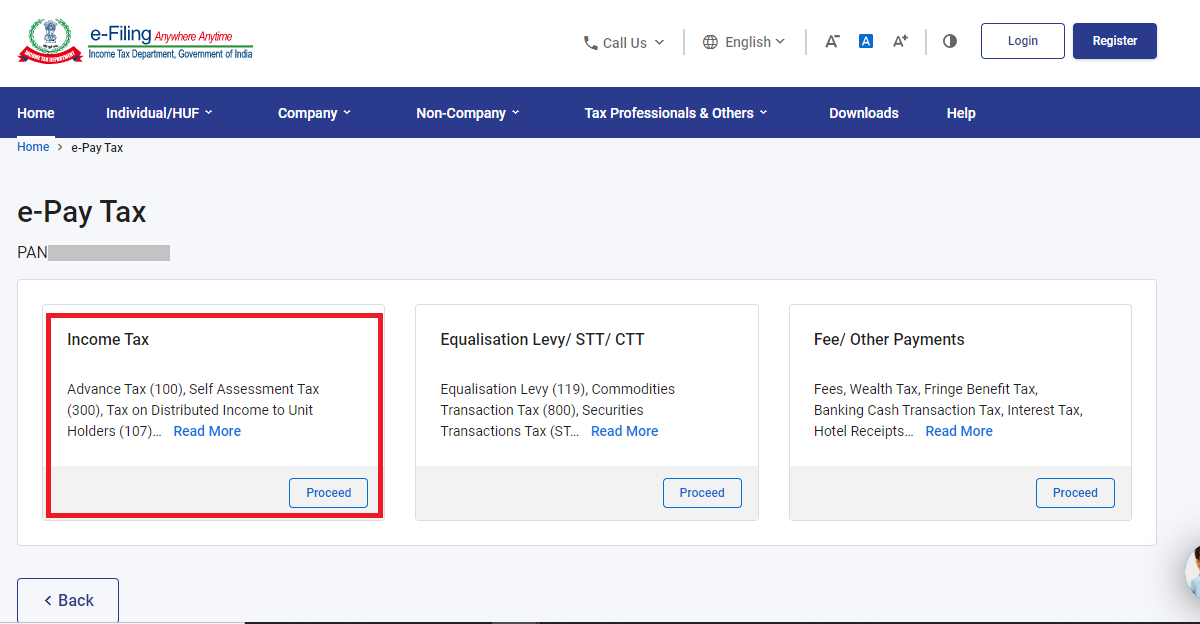
For the vast majority of individual taxpayers, IRS Direct Pay is the most efficient and cost-effective method. This service allows you to pay your income tax directly from a checking or savings account without any associated processing fees. The system is intuitive, requiring the user to select the “reason for payment” (such as a 1040 return, an extension, or an estimated tax payment) and the applicable tax year.
One of the significant advantages of Direct Pay is the immediate generation of a confirmation number. In the world of personal finance, this digital receipt is a critical document, providing an irrefutable audit trail that the payment was initiated. Furthermore, Direct Pay allows users to schedule payments up to 365 days in advance, a feature that is invaluable for those looking to automate their financial planning and avoid the stress of last-minute filings.
The Electronic Federal Tax Payment System (EFTPS)
While Direct Pay is tailored for individuals, the Electronic Federal Tax Payment System (EFTPS) is the heavy-duty engine designed for businesses and high-net-worth individuals with complex requirements. Unlike Direct Pay, which requires identity verification for each transaction, EFTPS requires a formal enrollment process that includes the issuance of a Personal Identification Number (PIN).
EFTPS is particularly useful for those who need to manage multiple types of federal taxes, including corporate income tax, payroll taxes, and excise taxes. From a financial management perspective, EFTPS offers a higher level of reporting and history tracking, allowing users to view up to 16 months of payment history. This level of transparency is essential for business owners who must reconcile their accounts and ensure that all fiscal liabilities are met throughout the year.
Paying via Debit or Credit Card: Cost-Benefit Analysis
A third option for paying income tax online is using a debit or credit card through one of several authorized third-party processors. This method is often the subject of debate among financial strategists. On one hand, paying via credit card can offer a short-term liquidity bridge, allowing a taxpayer to settle their debt with the government while deferring the actual cash outflow until their credit card statement is due.
However, this convenience comes at a price. Third-party processors charge a convenience fee, typically ranging from 1.87% to 1.99% for credit cards, or a flat fee for debit cards. For a taxpayer with a $10,000 liability, a 2% fee represents an additional $200 expense. From a strictly mathematical standpoint, this is only advisable if the rewards, points, or cash-back earned from the credit card exceed the cost of the fee, or if the taxpayer is using the card to meet a high-spend requirement for a significant sign-up bonus.
A Step-by-Step Guide to Processing Your Payment
Successfully navigating the online payment process requires a systematic approach to ensure that funds are applied to the correct account and tax year.
Gathering Necessary Financial Documentation
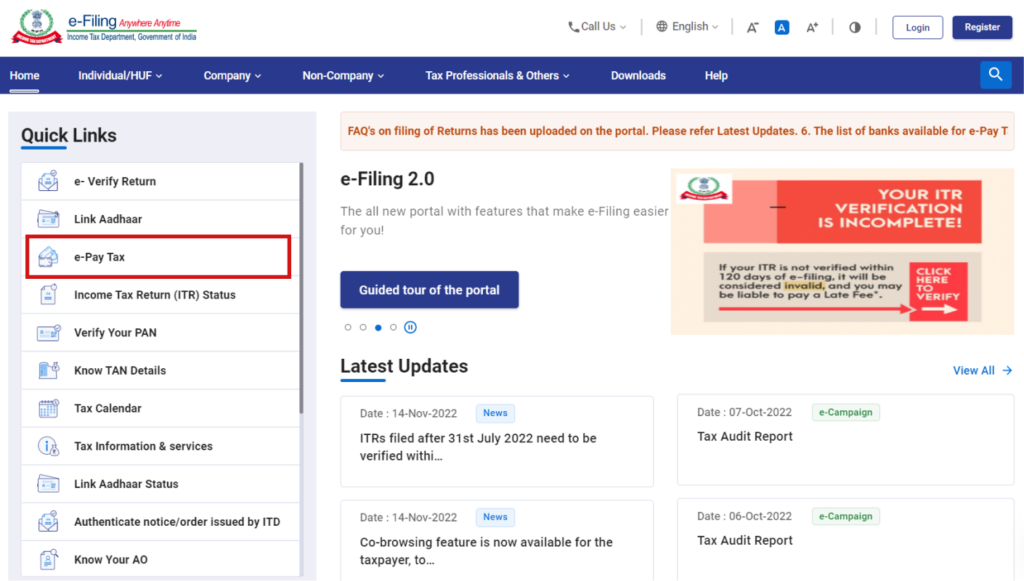
Before logging into any portal, you must have your financial records organized. You will typically need your Social Security Number (SSN) or Individual Taxpayer Identification Number (ITIN), as well as information from a previously filed tax return to verify your identity. This verification process often asks for your filing status and address from a specific year (e.g., your 2022 return if you are paying in 2024). Having these documents at your fingertips prevents session timeouts and reduces the risk of data entry errors.
Navigating the Digital Interface
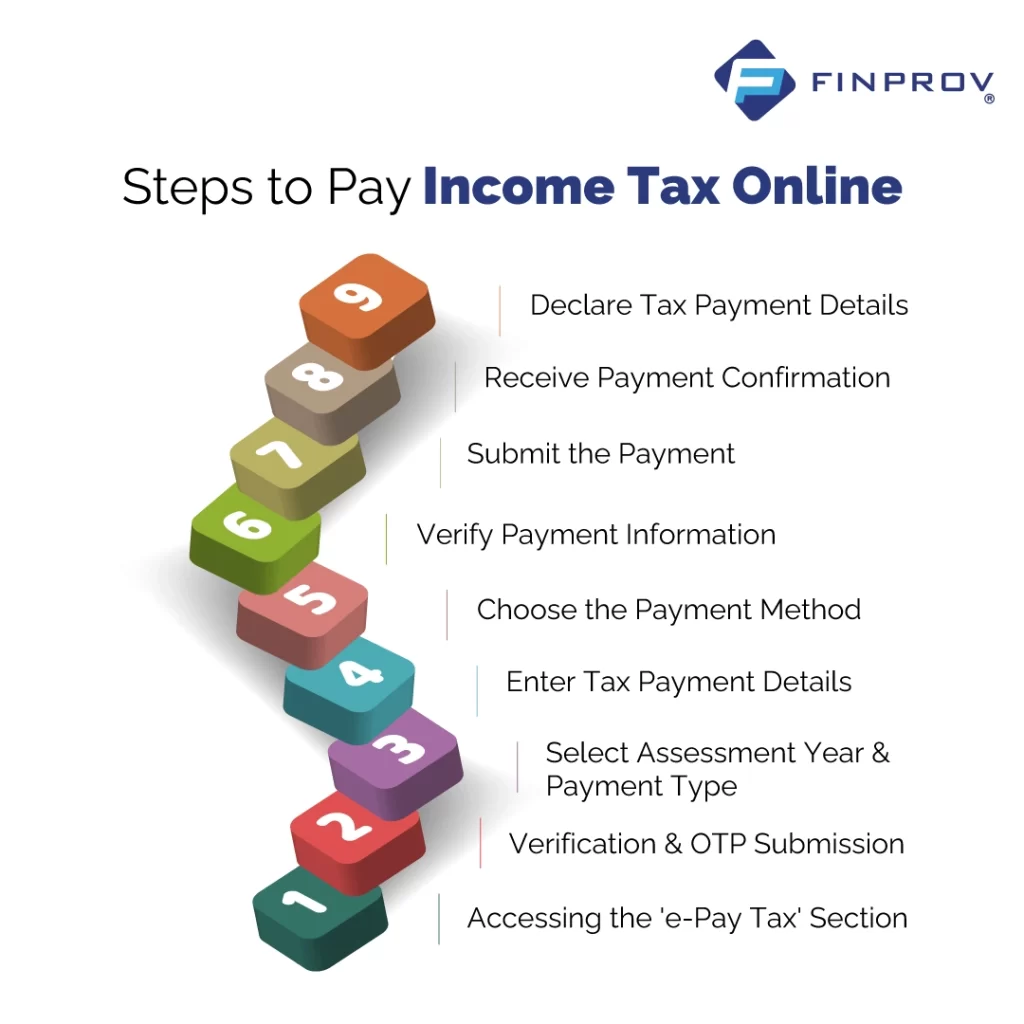
Once identity is verified, the user must carefully select the payment type. This is a critical step: misclassifying a “Balance Due” payment as an “Estimated Tax” payment can lead to administrative headaches and potential underpayment penalties. The interface will prompt for the payment amount and the bank account details (Routing Number and Account Number). Double-checking these numbers is paramount; an incorrect digit can lead to a rejected payment, which the IRS treats as a non-payment, often resulting in late fees regardless of the taxpayer’s intent.
Handling State and Local Income Taxes
It is important to remember that paying federal income tax is only one half of the digital equation for most taxpayers. Most states have their own department of revenue websites that mirror the federal system. While some states allow you to pay through your tax filing software, others require a separate login to their specific treasury portal. Integrating these two workflows—federal and state—is essential for a comprehensive digital tax strategy.
Advanced Financial Strategies for the Online Taxpayer
Online payment systems provide more than just a way to pay a bill; they are tools for sophisticated financial planning and cash flow management.
Managing Estimated Quarterly Payments
For freelancers, entrepreneurs, and those with significant investment income, quarterly estimated tax payments are a recurring reality. The online system is the primary tool for avoiding the “underpayment penalty.” By using Direct Pay or EFTPS, these individuals can precisely calibrate their payments based on real-time income fluctuations. Instead of waiting until April to face a massive bill, proactive taxpayers use online tools to pay in “real-time,” keeping their personal balance sheets lean and predictable.
Utilizing Payment Plans and Online Agreements
When a taxpayer cannot pay their full liability immediately, the online portal offers a path to financial recovery through Online Payment Agreements (OPA). Rather than engaging in lengthy phone calls with revenue agents, taxpayers can apply for short-term extensions (up to 180 days) or long-term installment agreements directly through the website. This digital self-service model allows for the immediate setup of direct debit payments, which often comes with a lower setup fee than agreements established via paper or phone. It is a strategic move that preserves credit scores and stops more aggressive collection actions.
Leveraging Tax Software Integration
Modern financial ecosystems are highly integrated. Leading tax preparation software packages now allow users to schedule their online payments directly from the software interface at the moment of filing. This “one-and-done” approach ensures that the payment is linked directly to the e-filed return, minimizing the chance of the payment being lost in the system. For many, this is the pinnacle of digital financial efficiency.
Security Protocols and Financial Record Keeping
In an era of increasing cyber threats, the security of online tax payments is a top priority for both the government and the taxpayer.
Safeguarding Personal Identifiable Information (PII)
When paying taxes online, users must ensure they are on an official “.gov” website. Phishing remains a significant threat, where fraudulent sites mimic the IRS to steal SSNs and bank details. Utilizing multi-factor authentication (MFA) where available, and ensuring that your own home network is secure, are non-negotiable steps in the digital payment process. Professional financial hygiene includes clearing browser caches after a transaction and never performing tax payments on public Wi-Fi networks.
The Digital Paper Trail: Archiving Receipts and Confirmations
In the world of finance, if it isn’t documented, it didn’t happen. Every online tax payment concludes with a confirmation page. This page should be saved as a PDF and backed up in at least two locations (e.g., an encrypted local drive and a secure cloud service). These digital receipts are your primary defense in the event of a banking error or an IRS transcript discrepancy. Over time, maintaining an archive of these confirmations allows for easier year-over-year financial comparisons and helps in long-term wealth planning.
The Role of Financial Technology in Future Tax Cycles
The trajectory of online income tax payments is moving toward even greater automation and transparency. We are seeing the rise of “real-time” tax withholding for the gig economy, where apps automatically calculate and set aside tax portions of every dollar earned, ready to be pushed to the IRS with a single click.
As APIs (Application Programming Interfaces) become more common between banking institutions and government agencies, the manual entry of routing and account numbers may eventually be replaced by secure “instant-link” technologies. This would further reduce human error and increase the speed of settlement. For the modern taxpayer, staying informed about these technological shifts is not just about compliance—it is about mastering the digital tools that define modern personal and business finance. By embracing the online payment ecosystem, you move from a reactive posture to a proactive one, ensuring that your tax obligations are handled with the same precision and strategy as your investment portfolio.
aViewFromTheCave is a participant in the Amazon Services LLC Associates Program, an affiliate advertising program designed to provide a means for sites to earn advertising fees by advertising and linking to Amazon.com. Amazon, the Amazon logo, AmazonSupply, and the AmazonSupply logo are trademarks of Amazon.com, Inc. or its affiliates. As an Amazon Associate we earn affiliate commissions from qualifying purchases.