
The gaming landscape has undergone a seismic shift over the last decade, transitioning from physical discs to digital downloads, and now, to the cloud. Microsoft has been at the forefront of this evolution with Xbox Cloud Gaming (formerly known as Project xCloud). For many users, the primary question is no longer just about the hardware specs of the latest console, but rather: how much does it cost to enter this ecosystem, and what technology is powering the experience?
Xbox Cloud Gaming is not a standalone purchase but is integrated into Microsoft’s broader service-oriented architecture. To understand the cost, one must look at the subscription models, the hardware requirements, and the technological trade-offs involved in streaming high-fidelity games to everyday devices.
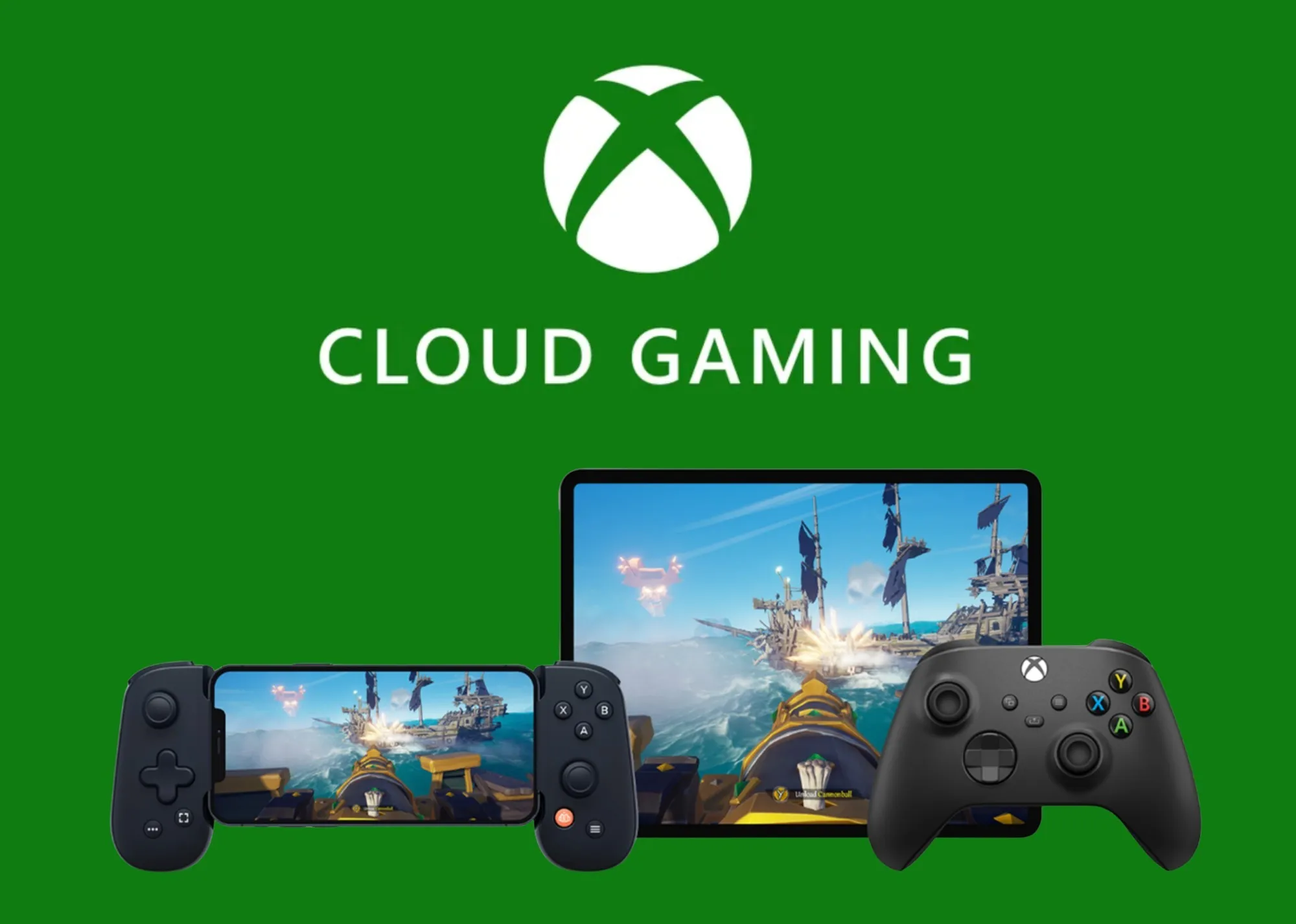
Understanding the Subscription Model: Xbox Game Pass Ultimate
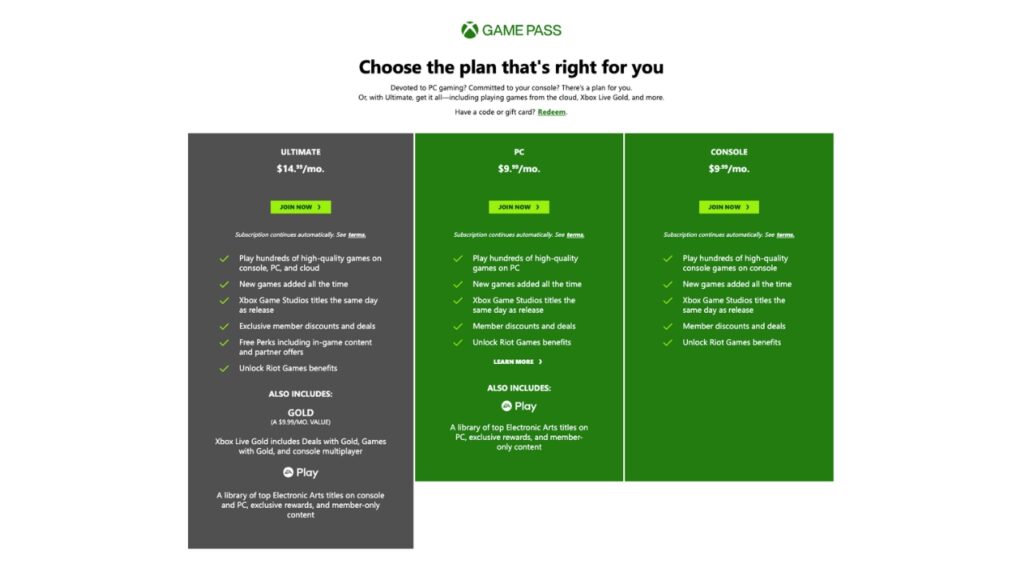
To access the full breadth of Xbox Cloud Gaming, users must subscribe to the highest tier of Microsoft’s gaming service: Xbox Game Pass Ultimate. As of the current market positioning, this remains the primary gateway for cloud-based play.
The Monthly Cost and Tier System
Xbox Game Pass Ultimate is priced at approximately $16.99 per month in the United States, with localized pricing across the globe. While Microsoft offers lower tiers—such as Game Pass for Console or Game Pass for PC—these do not include the cloud streaming feature. The Ultimate tier is designed as an all-encompassing “tech stack” for gamers, providing access to hundreds of titles on console, PC, and via the cloud.
The value proposition here is significant for those who do not wish to invest $500 in a dedicated Xbox Series X console. For the price of a standard movie streaming subscription, users gain access to a library that includes day-one releases from Xbox Game Studios, Bethesda, and Activision Blizzard. From a financial perspective, the “barrier to entry” is lowered from a massive upfront hardware cost to a manageable monthly operational expense.
Accessing Free-to-Play Titles Without a Subscription
A common misconception is that a paid subscription is strictly mandatory for any form of cloud gaming on the Xbox platform. In a strategic move to capture a wider audience, Microsoft allows users to play certain free-to-play titles, most notably Fortnite, via the cloud for free.
All that is required is a Microsoft account and a compatible device with a web browser. This serves as a “tech demo” for many users, allowing them to test their network stability and latency before committing to the monthly Ultimate subscription. It highlights Microsoft’s shift toward “Gaming as a Service” (GaaS), where the platform is the software itself rather than the plastic box under the TV.
The Hardware Behind the Stream: Microsoft’s Cloud Infrastructure
When you pay for Xbox Cloud Gaming, you aren’t just paying for a license to play games; you are renting time on some of the world’s most powerful server clusters. The technology powering this service is a feat of modern software engineering and cloud infrastructure.
From Xbox One to Series X Server Blades
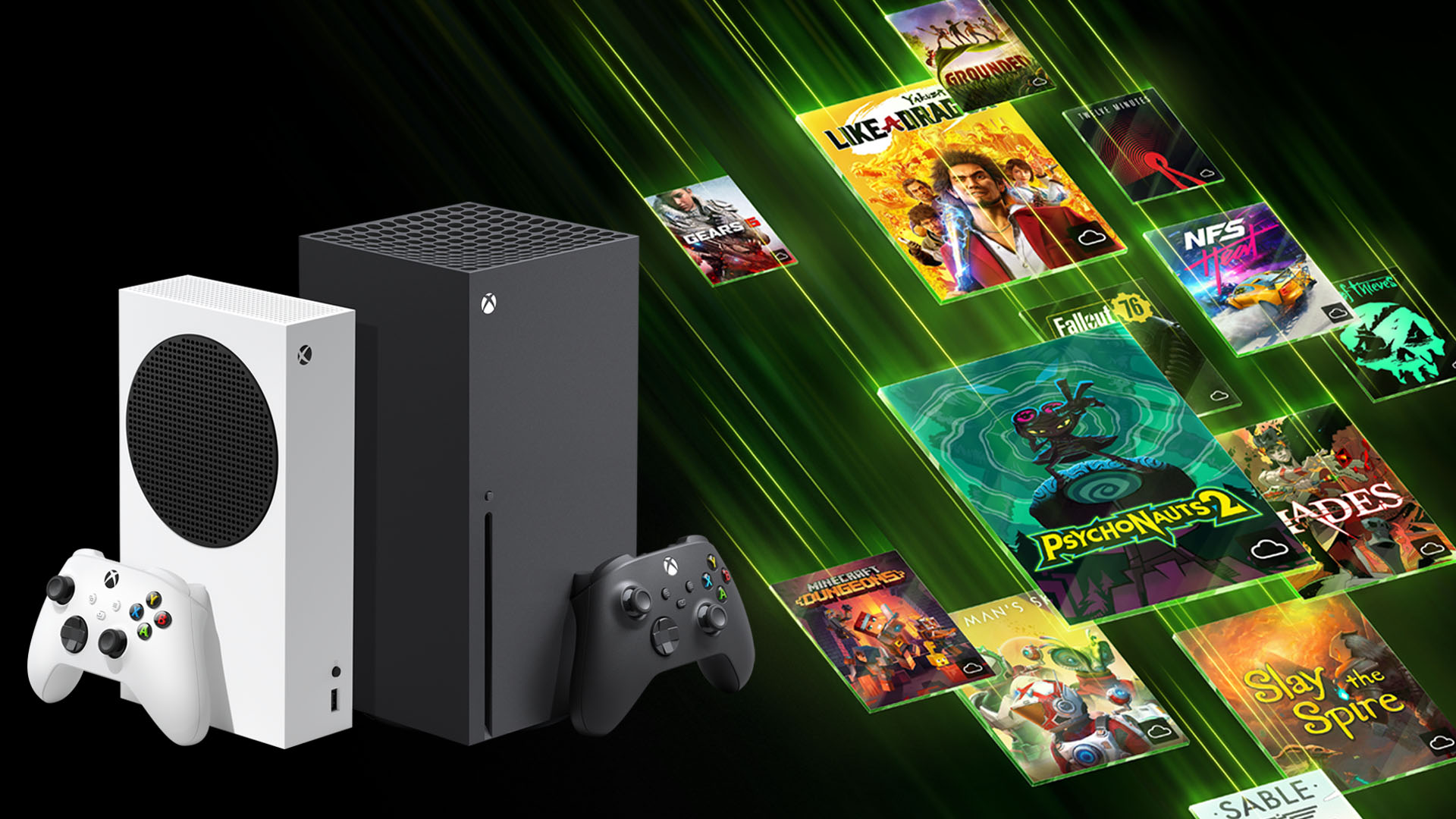
Initially, the xCloud project ran on server blades based on Xbox One S hardware. This limited the resolution and frame rates significantly. However, Microsoft completed a massive infrastructure overhaul, replacing these older units with custom-designed Xbox Series X hardware.
When a user initiates a session, they are essentially connecting to a remote Xbox Series X located in a Microsoft Azure data center. This allows for faster load times, improved frame rates, and the ability to run “next-gen” titles on devices as simple as a five-year-old smartphone. The technology uses sophisticated encoding to compress the video feed of the game and transmit it over the internet with minimal delay, a process that requires immense computational power on the server side.
Decoding Latency and Connection Requirements
The “hidden cost” of cloud gaming is often the requirement for a high-quality internet connection. While the subscription is $16.99, the service demands a stable connection of at least 20 Mbps for a smooth experience.
Microsoft utilizes advanced algorithms to manage “jitter” and packet loss. On the software side, they have implemented features like “Direct Clarity” and low-latency controller protocols to bridge the gap between a local experience and a streamed one. For the tech-savvy gamer, the investment isn’t just in the subscription, but in ensuring their home network utilizes Wi-Fi 6 or a hardwired Ethernet connection to minimize the round-trip time (RTT) of data packets.
Device Compatibility: Where Can You Stream?
The true power of Xbox Cloud Gaming lies in its ubiquity. Unlike traditional gaming, which requires a specific console, the cloud service turns almost any screen into a high-end gaming station.
Mobile and Tablet Ecosystems
The most common use case for cloud gaming is on mobile devices. Through the Xbox Game Pass app on Android or via the Safari browser on iOS (due to Apple’s previous App Store restrictions), users can play AAA titles like Halo Infinite or Forza Horizon 5 on their phones.
This has birthed a new market for mobile peripherals. Devices like the Backbone One or the Razer Kishi turn smartphones into handheld consoles similar to a Nintendo Switch. While these gadgets add an upfront cost (typically $60 to $100), they represent the ultimate fusion of mobile convenience and hardcore gaming performance.
Smart TVs and the Death of the Console Requirement
Microsoft has recently expanded the service to Smart TVs, specifically through partnerships with manufacturers like Samsung. For owners of 2021 or newer Samsung Smart TVs, the Xbox app is available directly in the TV’s gaming hub.
By simply pairing a Bluetooth controller to the TV, users can play high-definition games without ever owning a console. This is a pivotal moment in technology; it suggests a future where the “console” is merely an app pre-installed on your television, much like Netflix or YouTube. The cost of gaming is thus reduced to the price of a controller and the monthly service fee.
Handheld PCs and Specialized Cloud Gadgets
The rise of the Steam Deck, ASUS ROG Ally, and the Logitech G Cloud has further expanded the reach of Xbox Cloud Gaming. While the Steam Deck runs games locally, many users utilize the cloud to preserve battery life or play titles that are too demanding for the handheld’s APU. The Logitech G Cloud, specifically, is a device built entirely around the premise of streaming, emphasizing high-quality screens and long battery life over internal processing power.
Comparative Analysis: Xbox Cloud Gaming vs. The Market
To determine if the cost of Xbox Cloud Gaming is justified, it must be compared to its peers in the technology sector, such as NVIDIA GeForce Now and PlayStation Plus.
Xbox vs. NVIDIA GeForce Now
NVIDIA’s GeForce Now takes a different approach. While Xbox provides a library of games, NVIDIA provides the “rig.” On GeForce Now, you must own the games on stores like Steam or Epic Games Store. NVIDIA offers a free tier, but their “Ultimate” tier (costing around $19.99/month) provides access to RTX 4080-level performance, supporting 4K resolution and 120 FPS.
In contrast, Xbox Cloud Gaming currently caps out at 1080p and 60 FPS. For the tech enthusiast who demands the highest resolution, NVIDIA might be the winner. However, for the average consumer, the inclusion of a massive library in the Xbox Game Pass Ultimate subscription offers far better value for the money.
The Evolution of Cloud Gaming Technology
Cloud gaming is still in its “broadband era,” similar to how Netflix was in 2008. We are seeing constant iterations in video codecs (like AV1) that allow for better visual fidelity at lower bitrates. Microsoft is also working on “Project Moorcroft,” which aims to bring game demos to the cloud, and they are constantly expanding their data center footprint to bring servers closer to users, further reducing latency.
Is Cloud Gaming Worth the Investment?
When calculating “how much is Xbox Cloud Gaming,” the answer is a combination of the $16.99 monthly fee and the existing hardware you own.
For a student with a laptop, a commuter with a smartphone, or a casual gamer with a Smart TV, the cost is incredibly low compared to the $500+ required for a traditional console setup. You are paying for flexibility. The ability to start a game on your Xbox in the living room, continue it on your phone during a lunch break, and finish it on a laptop at a hotel is the primary “feature” of the service.
From a tech perspective, we are witnessing the decoupling of software from hardware. As 5G networks become more prevalent and fiber-to-the-home becomes the standard, the friction of cloud gaming will continue to vanish. Microsoft’s investment in the Azure cloud ensures that as the technology improves, the value of the Game Pass Ultimate subscription only increases.
Ultimately, Xbox Cloud Gaming represents a shift in financial philosophy for the gaming industry. It moves away from the “sunk cost” of hardware and toward a flexible, high-utility subscription model that democratizes access to high-end digital entertainment. Whether you are a hardcore gamer or a curious newcomer, the entry price is no longer a barrier—it’s an invitation.
aViewFromTheCave is a participant in the Amazon Services LLC Associates Program, an affiliate advertising program designed to provide a means for sites to earn advertising fees by advertising and linking to Amazon.com. Amazon, the Amazon logo, AmazonSupply, and the AmazonSupply logo are trademarks of Amazon.com, Inc. or its affiliates. As an Amazon Associate we earn affiliate commissions from qualifying purchases.