
In the modern financial landscape, few companies have experienced a meteoric rise quite like NVIDIA. Once a niche player primarily known for powering high-end gaming rigs, the company has transformed into the primary architect of the artificial intelligence revolution. This shift has not only skyrocketed its market capitalization into the trillions but has also fundamentally altered its balance sheet. For investors, financial analysts, and business strategists, the question of “how much cash does NVIDIA have” is more than a curiosity—it is a metric of the company’s ability to sustain its dominance, weather economic volatility, and out-invest its competitors.
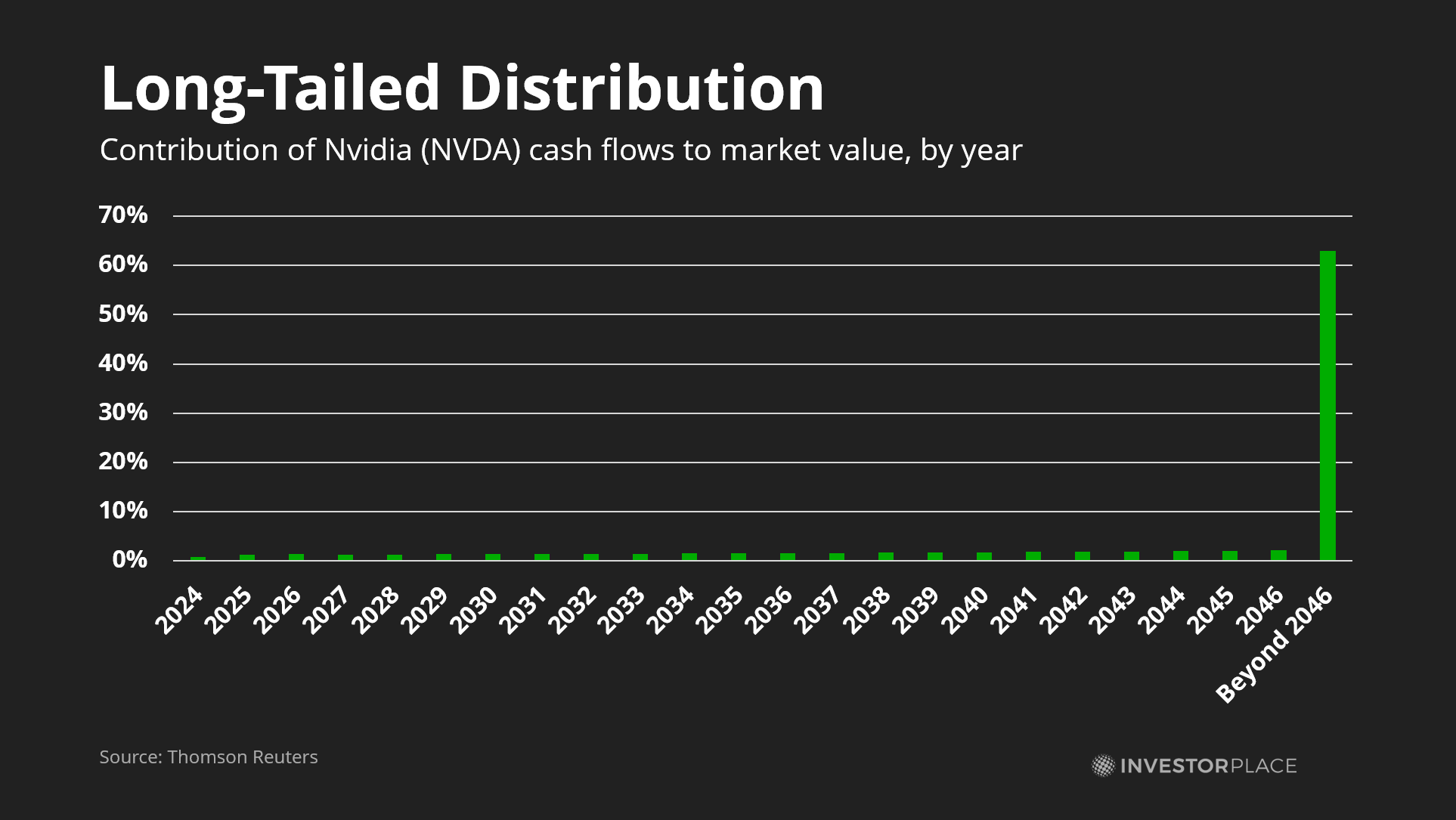
As of the most recent fiscal reports for 2024 and heading into 2025, NVIDIA’s liquid assets have reached unprecedented levels. To understand the gravity of NVIDIA’s financial position, one must look beyond the stock price and examine the cold, hard liquidity that fuels its operations.
Analyzing the Current Liquidity: NVIDIA’s Cash and Short-Term Investments
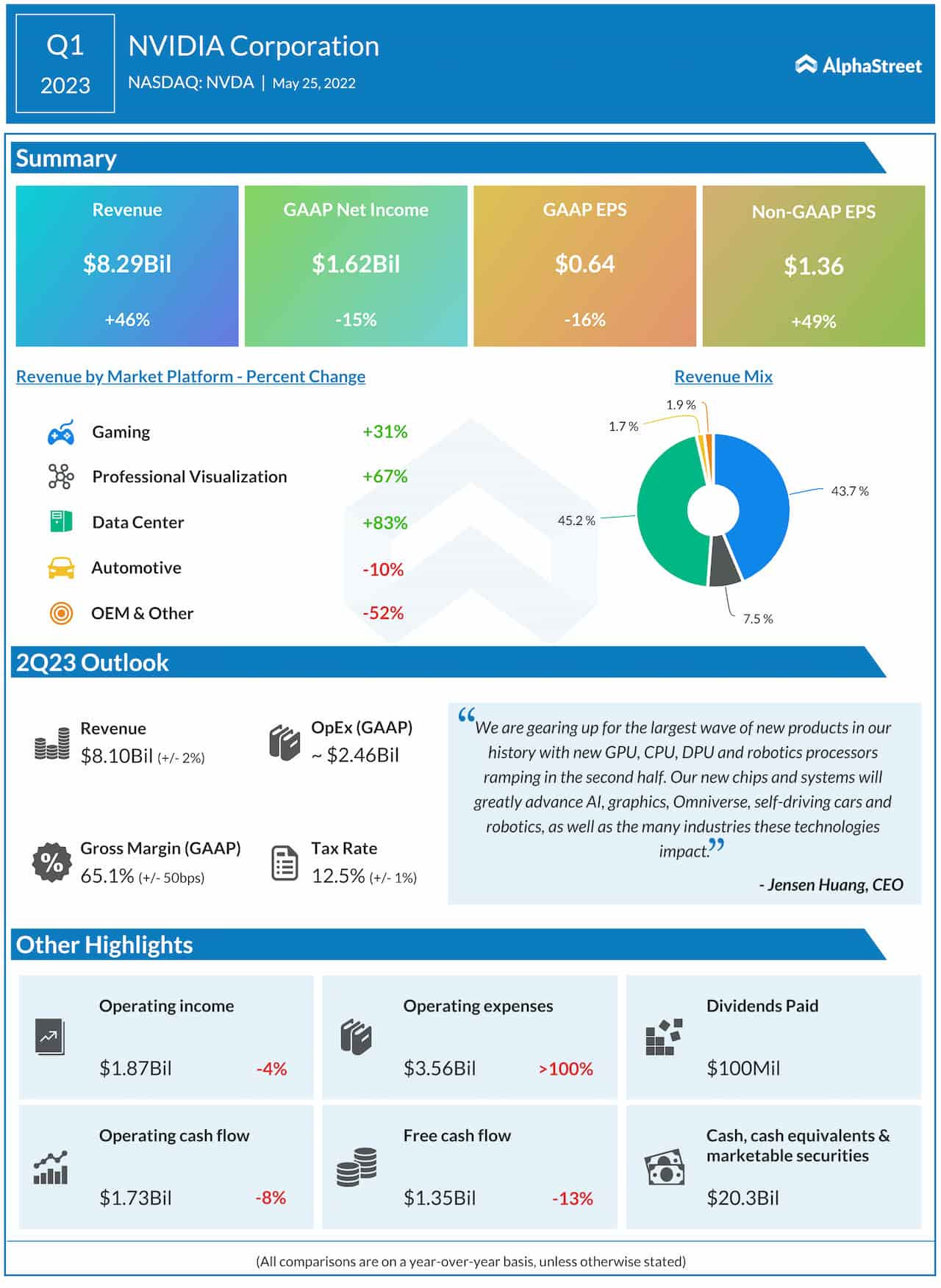
NVIDIA’s financial health is currently characterized by an extraordinary level of liquidity. According to the company’s latest quarterly filings, NVIDIA holds approximately $34.8 billion in cash, cash equivalents, and marketable securities. This figure represents a staggering increase compared to just a few years ago, reflecting the immense profitability of its data center business.
Breaking Down the Balance Sheet
When assessing NVIDIA’s “cash,” it is important to distinguish between “cash and cash equivalents” and “marketable securities.” Cash and cash equivalents—typically around $7 billion to $10 billion of the total—represent the most liquid assets, including bank deposits and highly liquid short-term investments with maturities of three months or less.
The remainder of their war chest is held in marketable securities. These are often high-grade corporate bonds, government treasury bills, and commercial paper. For a corporation of NVIDIA’s scale, keeping tens of billions in a standard checking account would be inefficient. By holding marketable securities, the company ensures that its capital is earning a modest return while remaining accessible within days if a strategic acquisition or a sudden capital expenditure is required.
The Velocity of Cash Flow Generation
What makes NVIDIA’s cash position truly remarkable is not just the balance itself, but the speed at which it is growing. The company’s “Free Cash Flow” (FCF)—the cash remaining after a company pays for its operating expenses and capital expenditures—has seen exponential growth. In recent quarters, NVIDIA has generated upwards of $14 billion in free cash flow in a single three-month period. To put that in perspective, NVIDIA is currently generating more cash in a single quarter than many Fortune 500 companies generate in a decade. This “cash velocity” provides NVIDIA with a safety net and a weapon that few other entities in the history of the tech industry have possessed.
Where the Money Comes From: The Data Center Explosion
NVIDIA’s cash hoard is the direct result of a fundamental shift in global computing. The company’s transition from a gaming-centric business to a data-center-first powerhouse has created a high-margin revenue stream that functions almost like a utility for the AI age.
The AI Infrastructure Gold Rush
The primary engine behind NVIDIA’s liquidity is the Data Center segment. As hyperscalers—such as Microsoft, Google, Amazon, and Meta—race to build out AI infrastructure, they require NVIDIA’s H100 and Blackwell architecture chips. These units are not just expensive; they carry immense profit margins. Analysts estimate that NVIDIA’s gross margins have hovered around 75% to 78%. When a company sells a product for $30,000 to $40,000 that costs a fraction of that to manufacture, the result is an overwhelming influx of cash.
Profit Margins and Operational Efficiency
Unlike traditional manufacturing firms that must spend heavily on physical factories (fabs), NVIDIA operates on a “fabless” model. They design the chips but outsource the actual manufacturing to firms like TSMC. This model allows NVIDIA to keep its capital expenditures (CapEx) relatively low compared to its revenue. While Intel must spend tens of billions on building physical plants, NVIDIA can funnel its revenue directly back into its cash reserves or into Research and Development (R&D). This lean operational structure is the primary reason the company can convert such a high percentage of its revenue directly into cash.
What NVIDIA Does with Its Cash: Strategic Capital Allocation
Having nearly $35 billion in liquid assets presents a unique challenge for CEO Jensen Huang and the board of directors: how to deploy that capital to maximize shareholder value. NVIDIA follows a multi-pronged approach to capital allocation, focusing on shareholder returns, internal innovation, and ecosystem dominance.
Share Buybacks and Dividends
NVIDIA has become increasingly aggressive in returning capital to shareholders. In 2024, the company announced a massive increase in its share repurchase authorization, adding $50 billion to the program. Share buybacks reduce the total number of shares outstanding, which in turn increases Earnings Per Share (EPS)—a key metric for investors.
While NVIDIA does pay a dividend, it remains a nominal amount. The company’s philosophy is clear: at this stage of growth, capital is better spent on buying back its own stock (which they clearly believe is undervalued relative to future potential) or reinvesting in the business rather than distributing large cash payments to investors that would be taxed immediately.
Research, Development, and Future-Proofing
A significant portion of NVIDIA’s cash flow is diverted into R&D to ensure that no competitor can close the “moat” the company has built. NVIDIA spends billions annually on developing next-generation architectures. By having such a deep cash reserve, they can afford to take massive risks on “moonshot” projects in robotics, automotive AI, and healthcare (AI-driven drug discovery). Their cash allows them to play the long game, investing in technologies that may not see a return for five to ten years.
Strategic Acquisitions and Ecosystem Investments
While NVIDIA’s attempt to acquire ARM for $40 billion was ultimately blocked by regulators, the attempt highlighted NVIDIA’s willingness to use its cash for massive strategic moves. Even without mega-mergers, NVIDIA uses its cash to invest in a wide array of AI startups. Through its venture arm, NVIDIA has become one of the most active investors in the AI space. By putting cash into the companies that use its chips, NVIDIA ensures a future customer base and stays at the forefront of software innovations that will eventually run on its hardware.
Comparing NVIDIA to the Tech Titans: A Financial Perspective
To understand if NVIDIA’s cash position is truly “large,” one must compare it to its peers in the “Magnificent Seven.”
NVIDIA vs. Apple and Microsoft
In terms of sheer volume, NVIDIA still trails the absolute cash kings of the tech world. Apple and Microsoft often carry upwards of $60 billion to $160 billion in total cash and investments. However, those companies are much more mature. What distinguishes NVIDIA is its debt-to-equity ratio and the ratio of cash to total revenue. NVIDIA carries relatively little long-term debt (approximately $8.5 billion), meaning its “Net Cash” position is incredibly strong.
Unlike older tech giants that may use debt to fund buybacks, NVIDIA’s buybacks are funded almost entirely by current operations. This suggests a level of financial independence that is rare even among the world’s most valuable companies.
The Stability of the Balance Sheet
NVIDIA’s balance sheet is arguably one of the cleanest in the technology sector. Its “Quick Ratio”—a measure of a company’s ability to meet its short-term obligations with its most liquid assets—is consistently high. This financial fortress allows NVIDIA to be the “lender of last resort” for its own supply chain, often prepaying billions to suppliers to secure manufacturing capacity, a move that would be impossible for a company with less cash on hand.
The Investor’s Outlook: Sustainability of the Cash Moat
For an investor, the massive cash pile is a double-edged sword. On one hand, it represents security and the ability to pivot. On the other, it raises questions about whether the company is finding enough productive places to put that money to work.
Potential Headwinds and Market Volatility
The sustainability of NVIDIA’s cash generation depends entirely on the continued demand for AI compute. If the “AI bubble” were to burst, or if capital expenditures from big tech companies were to slow down, NVIDIA’s cash flow would see a sharp contraction. However, because the company already has nearly $35 billion in the bank, it is better positioned than almost any other semiconductor firm to survive a cyclical downturn in the chip market.

Long-term Financial Health and Valuation
When analysts look at NVIDIA’s valuation, they often subtract the net cash from the market cap to arrive at the “Enterprise Value.” As NVIDIA’s cash grows, its Enterprise Value becomes more attractive relative to its growth rates. For long-term holders, the company’s cash position is a testament to its “Alpha” status. It is no longer a speculative growth stock; it is a cash-generating machine that happens to be at the center of the most significant technological shift of the 21st century.
In conclusion, NVIDIA’s cash position is a reflection of its current dominance. With approximately $34.8 billion in total liquidity and a free cash flow profile that continues to shatter records, the company has built a financial fortress. This war chest allows NVIDIA to dictate the pace of the AI industry, reward its shareholders, and insulate itself from the inevitable cycles of the semiconductor market. As long as the world remains hungry for processing power, NVIDIA’s cash pile is likely to keep growing, providing the fuel for whatever technological frontier the company decides to conquer next.
aViewFromTheCave is a participant in the Amazon Services LLC Associates Program, an affiliate advertising program designed to provide a means for sites to earn advertising fees by advertising and linking to Amazon.com. Amazon, the Amazon logo, AmazonSupply, and the AmazonSupply logo are trademarks of Amazon.com, Inc. or its affiliates. As an Amazon Associate we earn affiliate commissions from qualifying purchases.