
In the competitive landscape of the global cruise industry, the question of which vessel reigns supreme is rarely a matter of simple logistics or cabin count. For Carnival Cruise Line, the concept of the “best” ship is a sophisticated exercise in brand positioning, market segmentation, and consumer psychology. As the flagship brand of Carnival Corporation & plc, the cruise line has spent decades refining a specific corporate identity: “The Fun Ships.” However, as the brand matures and the consumer base diversifies, the definition of excellence has shifted from a one-size-fits-all model to a tiered strategic approach.
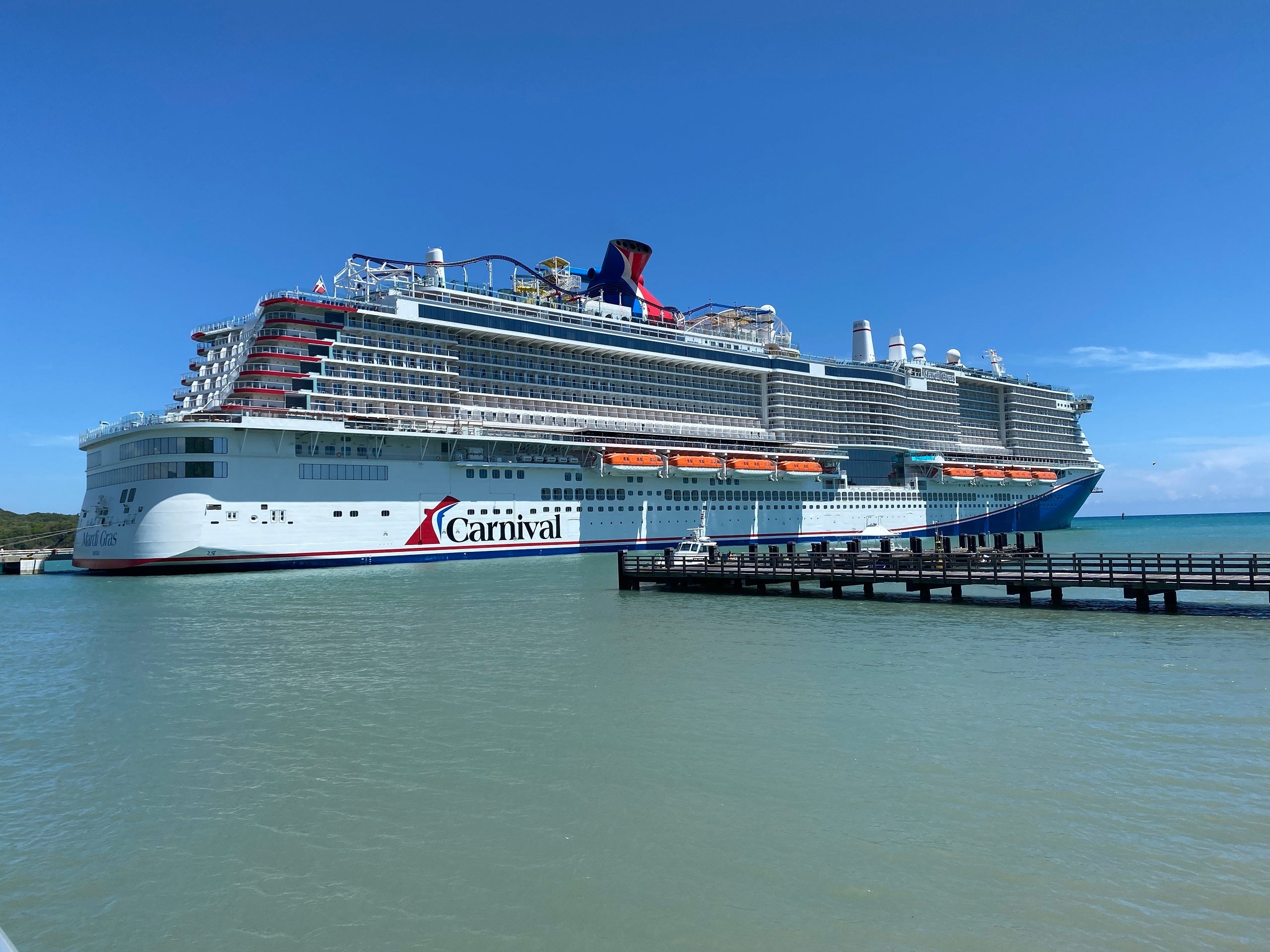
Determining the best Carnival cruise ship requires looking past the surface-level amenities to understand how each class of vessel serves a specific brand promise. Whether it is the high-tech allure of the new Excel-class ships or the intimate, nostalgia-driven branding of the older Spirit-class vessels, Carnival uses its fleet to capture different segments of the “value-seeking” traveler market. To analyze which ship is truly the best, we must examine them through the lens of brand equity, experiential marketing, and strategic differentiation.
The Architecture of Experience: How Carnival Built a Global Brand Identity
Carnival’s brand identity is arguably the most recognizable in the maritime world. Built on the pillars of accessibility, high-energy entertainment, and a “come as you are” ethos, the brand has successfully positioned itself as the democratic choice for vacations. When assessing the fleet, the “best” ship is often the one that most successfully executes this “Fun Ship” brand promise while adapting to modern consumer expectations.
The Evolution of the “Fun Ship” Brand
Historically, Carnival’s brand was synonymous with neon-lit interiors and a boisterous atmosphere—a strategy designed by legendary designer Joe Farcus. This was a deliberate branding move to differentiate Carnival from the stuffy, elitist image of traditional ocean liners. In the modern era, however, the brand has pivoted toward a more “Contemporary Premium” aesthetic. The best ships in the current fleet—such as the Carnival Celebration or Mardi Gras—represent the pinnacle of this brand evolution. They maintain the core DNA of fun but wrap it in a more sophisticated design language that appeals to multi-generational families and younger, tech-savvy demographics.
Sensory Branding and Onboard Atmosphere
A crucial component of Carnival’s brand strategy is sensory consistency. No matter the ship, certain brand touchpoints remain constant: the iconic “Whale Tail” funnel, the signature RedFrog Pub, and the high-energy “Sail Away” parties. The best ship, from a brand perspective, is the one that optimizes these touchpoints. The Vista-class ships, for instance, were a turning point for the brand, introducing the “Havana” experience—a sub-branding strategy that creates an exclusive, resort-style atmosphere within a larger vessel. This allowed Carnival to capture a higher-spending demographic without alienating its core value-conscious base.
Navigating the Tiers: Strategic Segmentation Across the Fleet
From a brand strategy perspective, Carnival does not view its older ships as obsolete; instead, it views them as specific tools for market penetration. By maintaining a diverse fleet, the brand can offer different price points and geographic accessibility, ensuring that the “Carnival Experience” is available to a broad spectrum of the economy.
The Excel Class: The Flagships of Innovation
For those seeking the ultimate manifestation of the Carnival brand today, the Excel-class ships (Mardi Gras, Carnival Celebration, and Carnival Jubilee) are the undisputed leaders. These ships represent a massive leap in brand investment. Utilizing Liquefied Natural Gas (LNG) technology, they position Carnival as a forward-thinking, environmentally conscious brand—a vital move for corporate identity in the 21st century.
The introduction of the “BOLT” roller coaster—the first at sea—serves as a powerful marketing hook that reinforces the brand’s “Fun Ship” moniker. These ships are segmented into thematic “zones,” a branding technique borrowed from theme park giants. By dividing a massive vessel into distinct neighborhoods like the “Ultimate Playground” or “French Quarter,” Carnival manages the guest flow and creates specialized brand experiences that cater to different moods and age groups simultaneously.
The Spirit and Conquest Classes: Geographic Brand Presence
While the Excel-class ships garner the most headlines, the smaller Spirit and Conquest-class ships are essential to the brand’s market dominance. These ships allow Carnival to dock in smaller ports where the massive Excel-class ships cannot go. From a brand equity standpoint, these ships act as the “entry-level” product. They offer a more traditional cruising experience that appeals to long-time loyalists—often referred to as “VIFP” (Very Important Fun People). For a brand, maintaining loyalty among this base is just as important as attracting new customers with shiny new hardware. Therefore, the “best” ship for a traveler seeking intimacy and ease of navigation is often one of these classic hulls.
The Power of Strategic Partnerships: Co-Branding on the High Seas
A significant part of Carnival’s modern brand strategy involves leveraging external brand equity to enhance its own. The best ships in the fleet are those that most effectively integrate these high-profile partnerships. By aligning with recognizable celebrities and culinary icons, Carnival elevates its perceived value and creates unique selling propositions (USPs).

Guy Fieri and the Culinary Brand Expansion
The partnership with Guy Fieri is perhaps the most successful co-branding exercise in the cruise industry. Guy’s Burger Joint is a staple across the fleet, but it is executed with the most flair on the newer ships. This partnership works because the “Flavortown” brand aligns perfectly with Carnival’s “Fun Ship” persona—unpretentious, bold, and high-quality. By offering these branded experiences at no extra cost, Carnival reinforces its brand promise of “value.”
Shaquille O’Neal and the “Chief Fun Officer” Role
The appointment of Shaquille O’Neal as the “Chief Fun Officer” (CFO) was a masterstroke of personal branding integration. Shaq’s “Big Chicken” restaurant, featured prominently on the Mardi Gras and Carnival Celebration, serves as a physical brand touchpoint that connects the celebrity’s massive public appeal with the ship’s physical space. This strategy turns the ship itself into a collection of brands, making the “best” ship the one that offers the most diverse and high-quality selection of these partnerships.
“Carnival Fun Italian Style”: A Case Study in Brand Pivoting
In an interesting move of corporate synergy, Carnival recently introduced the “Carnival Fun Italian Style” concept, utilizing ships originally designed for its sister brand, Costa Cruises. The Carnival Venezia and Carnival Firenze represent a unique brand hybrid. This move shows how Carnival uses ship design to test new market segments.
Rebranding and Asset Utilization
Instead of a full-scale renovation to match the standard Carnival aesthetic, the brand chose to lean into the Italian heritage of these vessels. This created a “boutique” brand experience within the broader Carnival portfolio. For travelers who find the standard Carnival branding too loud, the Venezia offers a more refined, themed experience while still delivering the core entertainment and service the brand is known for. This strategic pivot allows the company to maximize the value of its global assets while offering a “best ship” contender for a specific, style-conscious niche of the market.
The Economic Moat of Onboard Revenue Branding
The best Carnival ship is also the one that most successfully integrates revenue-generating brand experiences into the guest journey without disrupting the feeling of a “value” vacation. This is achieved through sophisticated design and “lifestyle branding.”
The Alchemy Bar and the Boutique Brand Experience
One of the most successful internal brands Carnival has created is the Alchemy Bar. It is a “vintage drugstore” themed cocktail bar that has become a cult favorite. On ships like the Carnival Horizon and Carnival Vista, this brand is a central hub of activity. By creating these high-quality internal brands, Carnival reduces its reliance on external licenses while building its own proprietary brand equity. These spaces feel distinct from the rest of the ship, offering a “brand within a brand” that caters to the craft cocktail movement and more sophisticated nightlife preferences.
The Cloud 9 Spa: Positioning Wellness within the Fun Ship Brand
Wellness branding is a difficult needle to thread for a brand built on burgers and parties. However, the Cloud 9 Spa branding, especially on the Vista and Excel-class ships, manages to carve out a “sanctuary” brand within the vessel. By offering spa-category staterooms with exclusive perks, Carnival uses its ship architecture to upsell guests, effectively creating a “premium class” experience without the formal class structures found on luxury lines.

Conclusion: Defining the “Best” through Brand Alignment
Ultimately, the question of “what’s the best Carnival cruise ship” cannot be answered with a single name. Instead, it is determined by how well a specific vessel aligns with the passenger’s desired brand experience.
For the consumer who wants the cutting edge of maritime technology and the widest array of branded entertainment, the Excel-class (Mardi Gras, Celebration, Jubilee) is the definitive choice. These ships are the “hero products” of the Carnival brand, designed to compete with the largest resorts in the world.
For the consumer who values the traditional, high-energy “Fun Ship” atmosphere in a more manageable and classic setting, the Vista-class (Carnival Vista, Horizon, Panorama) offers the perfect balance of modern amenities and brand heritage.
Finally, for the traveler looking for something unique—a brand “remix”—the Carnival Venezia provides an Italian-themed sophistication that expands the boundaries of what the Carnival brand can be.
Carnival’s strength lies in its ability to maintain a consistent brand promise—The Fun Ship—while deploying a fleet that segments that promise into various flavors. The “best” ship is a testament to Carnival’s mastery of brand strategy: it is the one that makes every guest feel they have found the exact version of “fun” they were looking for.
aViewFromTheCave is a participant in the Amazon Services LLC Associates Program, an affiliate advertising program designed to provide a means for sites to earn advertising fees by advertising and linking to Amazon.com. Amazon, the Amazon logo, AmazonSupply, and the AmazonSupply logo are trademarks of Amazon.com, Inc. or its affiliates. As an Amazon Associate we earn affiliate commissions from qualifying purchases.