
Cruising has long been perceived as a monolithic travel experience, yet from a financial perspective, it is one of the most complex discretionary purchases a consumer can make. Unlike a traditional hotel stay or a flight, a cruise ticket is a hybrid financial product—part transportation, part accommodation, and part all-inclusive meal plan. However, the “sticker price” advertised on travel portals is rarely the final amount debited from a traveler’s account.
Understanding how much a cruise ship ticket costs requires a deep dive into the economics of the maritime hospitality industry. To build an accurate budget, one must navigate beyond the base fare and account for the tiered pricing structures, mandatory surcharges, and the high-margin “onboard economy” that cruise lines rely on to maintain their bottom lines.
Understanding the Baseline: Factors That Influence Fare Pricing
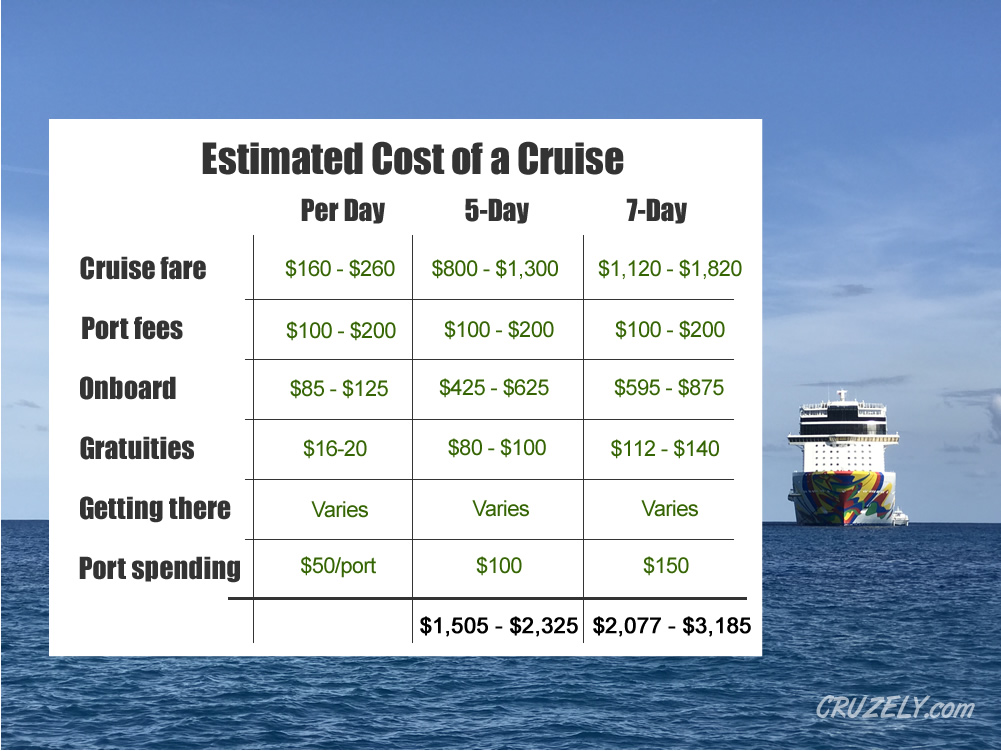
The base fare of a cruise is the primary figure used in marketing, but this number is highly volatile. On average, a standard cruise ticket can range from $50 per person per night for a budget-friendly interior cabin to over $1,000 per night for an ultra-luxury suite. Several variables dictate where a specific itinerary falls on this spectrum.
Seasonal Fluctuations and the “Wave Season”
In the world of personal finance and travel budgeting, timing is the most significant lever for cost control. The cruise industry operates on a supply-and-demand model known as dynamic pricing. During “Wave Season”—typically January through March—cruise lines offer their most aggressive promotions to secure bookings for the rest of the year.
Conversely, traveling during peak periods such as school holidays, Christmas, and mid-summer in the Mediterranean can double or triple the base fare. For the budget-conscious traveler, “shoulder seasons”—the periods just before or after the peak—offer the best ROI, providing a balance between decent weather and significantly lower ticket prices.
Cabin Categories: From Interior to Penthouse Suites
The physical real estate of the ship is priced according to desirability and square footage.
-
Interior Staterooms: These are the most economical options. Lacking windows, they serve as a “loss leader” for many lines, designed to get passengers on board where they will spend money on ancillary services.
-
Oceanview and Balcony: These represent the mid-tier. A balcony cabin typically carries a 30% to 50% premium over an interior room but is often considered the “standard” experience for modern cruisers.
-
Suites and The “Ship-within-a-Ship” Concept: High-net-worth individuals often opt for luxury enclaves like MSC’s Yacht Club or Norwegian’s The Haven. These tickets can cost five to ten times the base fare but include perks that offset other costs, such as private dining, butler service, and included gratuities.
Cruise Line Tiers: Budget vs. Premium vs. Ultra-Luxury
The brand of the cruise line acts as a primary price anchor.
-
Mass-Market Lines (Carnival, Royal Caribbean, MSC): These lines offer low entry prices ($400–$800 for a week) but feature a “pay-as-you-go” model for many amenities.
-
Premium Lines (Celebrity, Holland America, Princess): These typically range from $1,200 to $2,500 per week. The service-to-guest ratio is higher, and the food quality is generally superior.
-
Ultra-Luxury Lines (Silversea, Regent Seven Seas, Seabourn): These tickets can easily exceed $5,000 to $10,000 per person. While the upfront cost is staggering, these lines are often truly all-inclusive, covering alcohol, excursions, and even airfare, which can make the “all-in” cost comparable to a premium line once all add-ons are factored in.
Beyond the Ticket: Accounting for Mandatory Additional Costs
A common pitfall in financial planning for a cruise is neglecting the “non-negotiable” additions that are tacked onto the base fare during the checkout process or during the voyage itself. These are not optional upgrades; they are fundamental components of the total cost of ownership.
Port Fees and Taxes
When you see a cruise advertised for $399, that figure almost never includes government-mandated port taxes and fees. These fees are passed directly to the consumer and vary based on the number of stops and the specific ports visited. For a seven-day Caribbean itinerary, port fees can add an additional $150 to $250 per person. For more expensive regions like Alaska or the Panama Canal, these fees can be even higher.
Gratuities and Service Charges
Most major cruise lines automatically add a daily service charge to the passenger’s onboard account. This typically ranges from $16 to $20 per person, per day, depending on the cabin category. For a family of four on a seven-day cruise, this represents an additional $450 to $560 that must be budgeted for. While some lines allow you to prepay these at the time of booking, they are a mandatory expense that many first-time cruisers overlook.
Travel Insurance and Protection Plans
From a risk management perspective, travel insurance is a critical expenditure. Cruise contracts are heavily weighted in favor of the carrier, and last-minute cancellations due to illness or family emergencies usually result in a 100% loss of the fare. A robust insurance policy typically costs 4% to 8% of the total trip cost but protects the traveler against unforeseen medical evacuations at sea, which can cost upwards of $50,000.
The “Onboard Economy”: Managing Discretionary Spending
The profitability of mass-market cruise lines relies heavily on onboard spending. Once a passenger is on the ship, they enter a closed ecosystem where traditional currency is replaced by a room key linked to a credit card. This “frictionless spending” can lead to significant budget creep.
Beverage Packages and Dining Upgrades
While basic water, coffee, and tea are included, soda, specialty coffee, and alcohol are almost always extra.
-
Drink Packages: These often cost between $60 and $100 per person, per day. For a couple, this can add $1,400 to a week-long cruise. From a financial standpoint, a passenger must consume approximately 6 to 9 alcoholic beverages daily to “break even” on these packages.
-
Specialty Dining: Most ships feature “free” dining rooms, but they also offer high-end steakhouses, sushi bars, and French bistros for an upcharge of $30 to $70 per person.
Shore Excursions and Port Activities
The cost of a cruise ticket only covers the time spent on the ship. Activities in port are a significant secondary expense. While one can simply walk around the port for free, organized excursions—such as dog sledding in Alaska or catamaran tours in the Caribbean—can cost between $100 and $500 per person. Budgeting $500 per person for a week of excursions is a realistic baseline for a well-rounded experience.
Connectivity and Connectivity Costs (Wi-Fi)
In the modern era, digital connectivity is a necessity for many, especially those managing side hustles or remote businesses while at sea. Satellite internet (such as Starlink, which many lines have adopted) is expensive. Expect to pay $20 to $35 per day for a single-device plan. Without a pre-purchased plan, cellular roaming charges at sea are exorbitant, often reaching $15 per megabyte of data.
Strategies for Maximizing Value and Finding Deals
Savvy financial planning can significantly reduce the total cost of a cruise. By applying investment-style discipline to the booking process, travelers can secure premium experiences for mass-market prices.
Last-Minute Bookings vs. Early Bird Discounts
The cruise industry uses two primary “sweet spots” for pricing. Booking 12 to 18 months in advance often secures the lowest possible rate and the best cabin selection. However, if a ship is not reaching its occupancy targets as the sail date approaches (usually 60 to 90 days out), prices may drop drastically to fill the remaining berths. This “last-minute” strategy is excellent for those with flexible schedules, though it often involves higher last-minute airfare costs.
Repositioning Cruises: The Hidden Value Play
Twice a year, cruise lines move their ships between seasonal regions—for example, moving a ship from the Mediterranean to the Caribbean for the winter. These “repositioning cruises” are often 12 to 15 days long, involve many days at sea, and are priced significantly lower than standard itineraries. From a cost-per-day perspective, repositioning cruises are the best value in the industry, often costing less than $70 per day for a premium experience.
Utilizing Loyalty Programs and Credit Card Rewards
Many frequent cruisers treat the hobby like a financial ecosystem. Co-branded credit cards can offer “cruise points” that can be redeemed for onboard credit or fare discounts. Furthermore, achieving “Elite” status in a cruise line’s loyalty program can yield perks like free laundry, free internet, and complimentary specialty dining, which effectively lowers the “onboard economy” costs of future trips.

Financial Planning for Your Voyage: The Total Cost of Ownership
To accurately answer “how much does a cruise ship ticket cost,” one must look at the Total Cost of Ownership (TCO). A $700 “ticket” for a seven-day cruise often looks closer to the following when fully budgeted:
-
Base Fare: $700
-
Taxes & Port Fees: $200
-
Gratuities: $120
-
Basic Beverage Package: $450
-
Two Shore Excursions: $300
-
Wi-Fi: $150
-
Total Estimated Cost: $1,920
In this scenario, the actual cost is nearly triple the advertised ticket price. When evaluating the financial viability of a cruise, it is essential to calculate the “all-in” daily rate. If a $2,000 total spend for a week ($285/day) provides more value than a comparable land-based vacation (considering hotel, meals, and entertainment), then the cruise represents a sound financial choice for the traveler’s leisure budget.
By shifting the perspective from “ticket price” to “total voyage cost,” travelers can avoid the sticker shock of the final onboard bill and ensure their vacation remains a source of relaxation rather than financial stress. Successful cruising is not just about finding the cheapest ticket; it is about understanding the underlying economics of the sea and budgeting with precision.
aViewFromTheCave is a participant in the Amazon Services LLC Associates Program, an affiliate advertising program designed to provide a means for sites to earn advertising fees by advertising and linking to Amazon.com. Amazon, the Amazon logo, AmazonSupply, and the AmazonSupply logo are trademarks of Amazon.com, Inc. or its affiliates. As an Amazon Associate we earn affiliate commissions from qualifying purchases.