
The humble roux, a cornerstone of countless culinary creations, is often more mysterious than it appears. While seemingly simple – just flour and fat cooked together – achieving the perfect roux can be the difference between a velvety smooth sauce and a grainy, disappointing mess. This guide delves into the visual cues of a well-executed roux, exploring how its appearance evolves and what it signifies for your cooking. Beyond the kitchen, we’ll draw parallels to broader principles of building solid foundations, whether you’re crafting a compelling brand or navigating the complexities of technology.
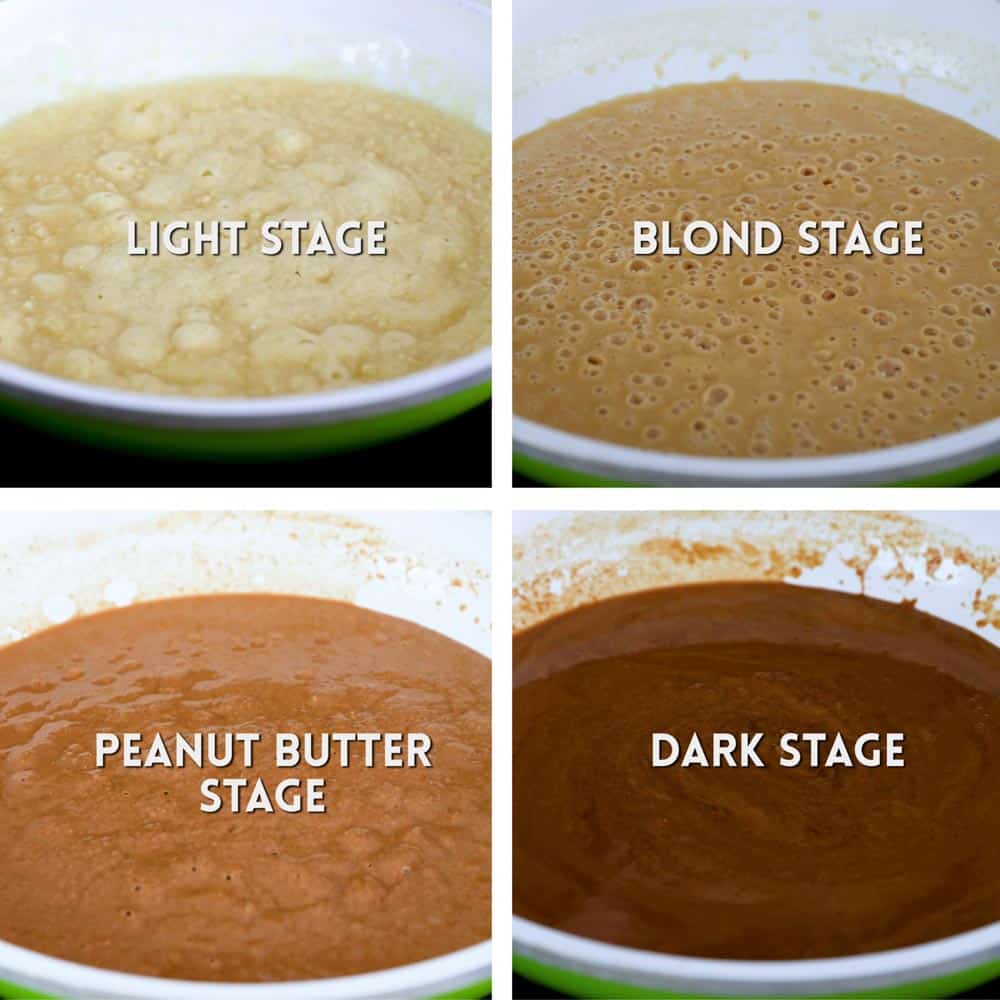
The Foundations of Flavor: Understanding the Roux’s Visual Progression
At its core, a roux is about transformation. The raw, pasty texture of flour and fat melds into a smooth, liquid emulsion that provides body, richness, and often, color to a dish. Understanding this visual journey is key to mastering this essential technique.
Early Stages: The Pale Roux
The earliest stage of a roux is often referred to as a “pale” or “white” roux. When you first combine equal parts flour and fat (typically butter or oil), the mixture will appear as a thick, somewhat lumpy paste. The flour is not yet cooked, and its raw starchy odor will be present.
What it looks like:
- A thick, opaque paste.
- The color will be a very pale ivory or slightly off-white, similar to the color of the flour itself.
- It will likely have a slightly grainy texture when you stir it.
- You might see some small pockets of unmixed fat or flour.
What it signifies:
This stage is crucial for dishes where you want the thickening power of the flour without imparting any significant color or flavor. Think of classic béchamel sauces for lasagna, creamy soups, or custards. The flour has just begun to absorb the fat, and the cooking process has barely started. The goal here is to cook out the raw flour taste without allowing any browning. This is often achieved with relatively low heat and constant stirring for a short period, typically 1-3 minutes. The key is to achieve a smooth, homogenous paste free from dry flour.
Mid-Stage Development: The Blond Roux
As you continue to cook and stir the roux, the magic begins to happen. The flour particles start to toast, undergoing the Maillard reaction – the same process that gives browned meats and baked goods their appealing colors and complex flavors. This stage is known as a “blond” or “light brown” roux.
What it looks like:
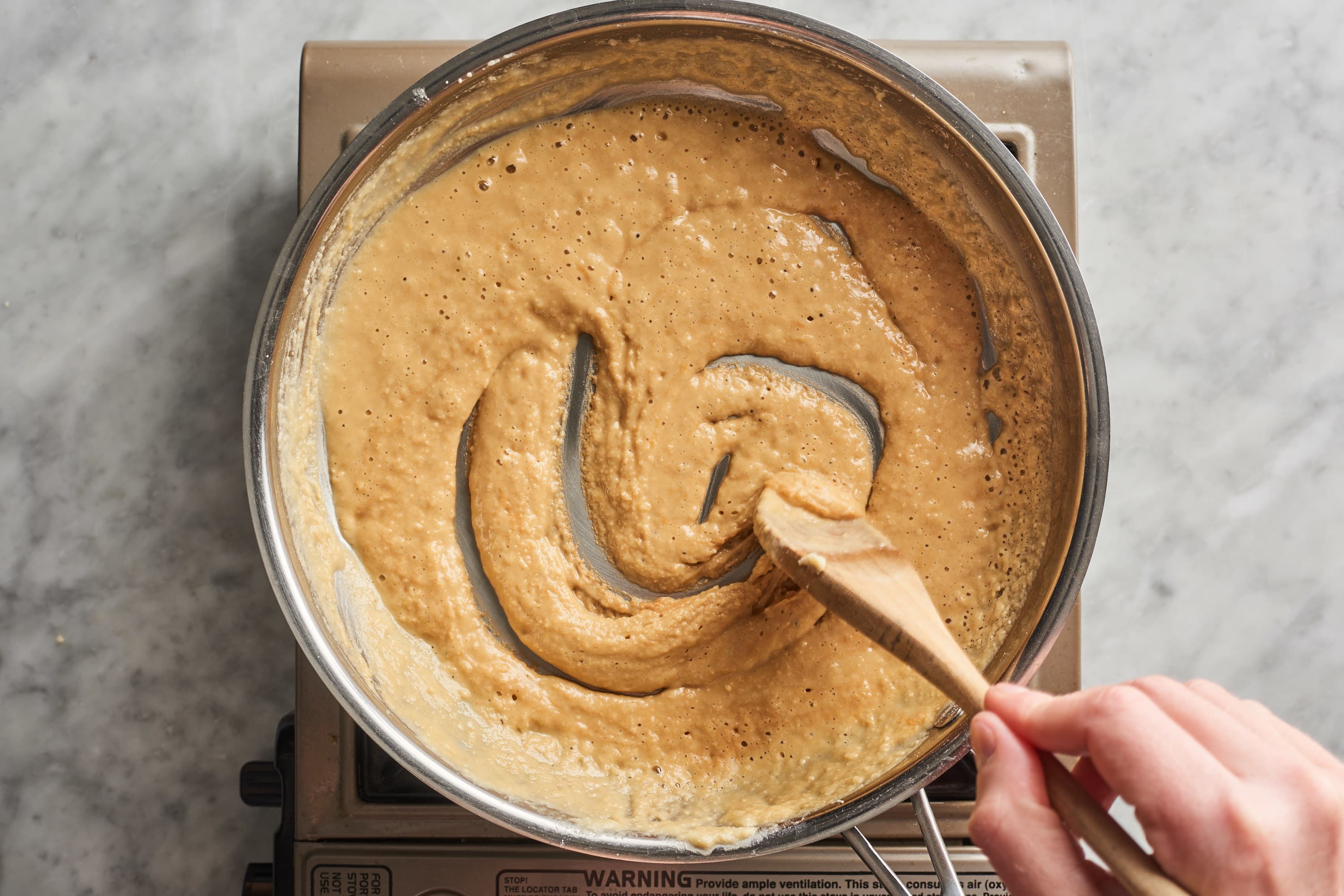
- The color will deepen to a light, golden blonde, reminiscent of honey or pale straw.
- The texture will become smoother and more fluid, with a less grainy feel.
- A subtle, pleasant nutty aroma will begin to develop.
- It will appear less dense than the pale roux and will flow more easily from your spoon.
What it signifies:
A blond roux is a versatile workhorse. It’s perfect for gravies, lighter cream sauces for seafood or chicken, and cheese sauces where a slightly more robust flavor profile is desired without being overpowering. The toasting of the flour has started to introduce subtle caramel notes, adding depth to the final dish. The cooking time for a blond roux typically ranges from 5-8 minutes, depending on the heat. You’re looking for that beautiful golden hue and a smooth, slightly glossy appearance.
The Richness of Color: The Brown Roux
Pushing the cooking process further leads to the development of a “brown” roux. This stage offers a deeper, more complex flavor profile and a richer color.
What it looks like:
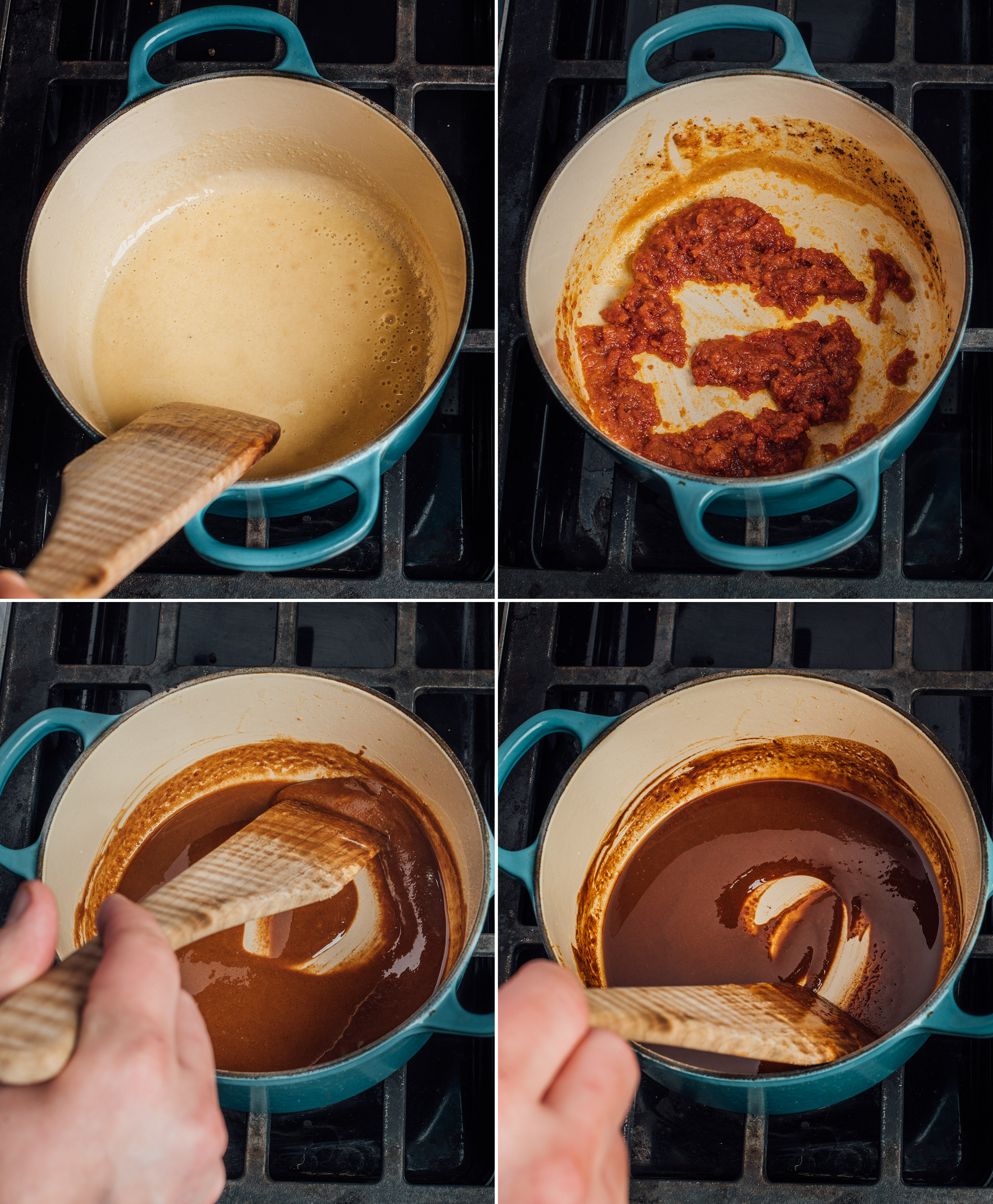
- The color will range from a medium peanut butter to a deep, coppery brown, similar to dark caramel or milk chocolate.
- The texture will be noticeably looser and more fluid than the earlier stages.
- A distinct, rich, nutty aroma will be prominent, sometimes with hints of roasted coffee.
- The roux will be very smooth, with no trace of graininess.
What it signifies:
A brown roux is essential for classic dishes like gumbo, étouffée, and rich beef stews. The longer cooking time has allowed for more extensive caramelization of the flour, resulting in a profound depth of flavor and a darker color that is often integral to the dish’s identity. However, this stage requires more attention as it’s easier to burn. The cooking time can extend to 15-25 minutes or even longer over lower heat. The goal is a rich, even color and that deep, toasty aroma. Overcooking to the point of bitterness is a risk here, so vigilance is key.
The Ultimate Depth: The Dark Brown Roux (or “Chocolat” Roux)
For the most intense flavor and darkest color, you can continue to cook your roux to a very dark brown, sometimes referred to as a “chocolat” roux in Cajun and Creole cuisine.
What it looks like:
- The color will be a deep, rich, dark chocolate brown.
- The texture will be very fluid and almost oily, as the fat begins to separate slightly from the flour.
- The aroma will be intensely nutty and roasted, with complex notes that can border on coffee-like.
- It will be the thinnest in consistency of all the roux stages.
What it signifies:
This is where the roux truly becomes a flavor enhancer in its own right, not just a thickener. It’s used in dishes where a very dark color and a deeply complex, almost smoky flavor are paramount, like traditional gumbos. This stage demands the most patience and care, as the risk of burning is highest. The cooking time can be 30 minutes or more over very low heat. The color is the primary indicator, but the incredibly deep aroma is unmistakable. A dark brown roux will have a very smooth, almost glossy appearance, and its liquid consistency will allow it to be easily incorporated into other liquids.
Beyond the Pan: Culinary Principles and Their Wider Applications
The meticulous process of creating a roux mirrors fundamental principles found in other domains, particularly in technology and branding. Both require a solid foundation, careful development, and an understanding of how subtle changes can lead to vastly different outcomes.
Building a Robust Tech Stack: The Analogy of a Stable Foundation
In the world of technology, the concept of a “foundation” is paramount. Just as a roux begins with the simple combination of flour and fat, a successful technology project starts with a well-chosen and robust foundational stack.
The Flour: This can be likened to the core programming languages, operating systems, or databases that form the bedrock of a software application. Choosing the right “flour” is critical. If you select an outdated or inefficient language for your needs, your entire project will be compromised, much like using the wrong type of flour for a delicate sauce.
The Fat: The fat in a roux represents the essential infrastructure and frameworks that support the core technologies. This could include cloud hosting services, development frameworks (like React or Angular for front-end development), or middleware. The quality and suitability of the “fat” are crucial for how smoothly everything else operates. A stable and scalable infrastructure ensures that your application can handle growth and demands, just as the right fat helps create a smooth, emulsified roux.
The Cooking Process: The stages of roux development – pale, blond, brown, dark brown – directly correlate to the iterative development and refinement of a tech product.
- Pale Roux (Initial Development): This is akin to the early stages of coding, where the basic structure is laid down. Functionality is present, but it’s raw and unoptimized. The focus is on getting the core features working, much like a pale roux focuses on thickening power without added flavor.
- Blond Roux (Feature Refinement): As features are polished and integrated, the technology starts to become more refined and user-friendly. This is like the blond roux, where initial toasting adds a subtle complexity and improves the overall experience. User interfaces are made more intuitive, and performance is optimized.
- Brown Roux (Performance Optimization & Integration): This stage is comparable to deep performance tuning, complex integrations, and the development of advanced functionalities. The technology has a richer, more robust character, capable of handling more demanding tasks, much like a brown roux adds significant depth to a dish. This might involve optimizing algorithms, integrating with multiple third-party services, or implementing sophisticated AI models.
- Dark Brown Roux (Scaling & Specialization): The darkest roux, with its intense flavor and liquid consistency, is analogous to highly specialized or scaled-up technological solutions. This could be a mature AI system designed for complex problem-solving, a distributed computing platform, or a highly customized enterprise solution. The foundation is incredibly strong, and the resulting product is rich, nuanced, and powerful.
The Risk of Burning: Just as a roux can burn and become bitter, poorly managed tech projects can suffer from technical debt, security vulnerabilities, or system failures. This “burnt” roux results in a product that is unpleasant to use, difficult to maintain, and potentially damaging to a brand’s reputation. Vigilance in code reviews, security audits, and continuous monitoring is the equivalent of constantly stirring your roux.
Crafting a Memorable Brand Identity: The Consistency of Brand Building
The principles of building a strong brand share striking similarities with the art of making a perfect roux. Both rely on a clear understanding of their purpose, a consistent execution, and the ability to evolve while maintaining integrity.
The Core Identity (The Pale Roux): A brand’s core identity is its fundamental offering, its mission, and its basic values. This is like the pale roux – the essential building block. It’s straightforward, functional, and the starting point for everything else. For a company, this might be its product or service, clearly defined and ready to serve its basic purpose. For an individual, it’s their core skills and profession.
Developing Brand Personality (The Blond Roux): As a brand grows, it develops a personality, a tone of voice, and a distinct visual style. This is the blond roux stage. The brand starts to gain character and appeal. It’s more engaging, more nuanced, and begins to attract a wider audience. Think of a brand’s advertising campaigns that start to infuse warmth and relatable stories.
Establishing Brand Authority and Recognition (The Brown Roux): A well-established brand with a strong reputation and recognition in its market is like a brown roux. It has depth, credibility, and a distinct flavor profile that consumers recognize and trust. This is achieved through consistent marketing, excellent customer service, and a proven track record. The brand’s message is clear, and its impact is significant.
Building a Legacy and Deep Influence (The Dark Brown Roux): The most iconic and influential brands are like the dark brown roux. They have transcended their initial offerings to become cultural touchstones. Their influence is deep, their brand loyalty is immense, and their story is rich and complex. These brands have a powerful, almost ingrained presence in the minds of consumers, offering a unique and irreplaceable value.
The “Burnt” Brand: Just as a burnt roux can ruin a dish, a poorly managed brand can suffer irreparable damage. This can stem from ethical lapses, inconsistent messaging, poor product quality, or damaging public relations. A “burnt” brand loses trust, its reputation is tarnished, and it becomes difficult to recover, much like a bitter roux makes a sauce unpalatable. Maintaining brand integrity through ethical practices and transparent communication is the equivalent of constant stirring and careful attention.
Conclusion: The Art and Science of the Roux
The appearance of a roux is not merely a visual indicator; it is a story of transformation, a testament to patience, and a crucial determinant of culinary success. Whether you’re aiming for a subtly thickening béchamel or a deeply flavored gumbo, understanding what a roux is supposed to look like at each stage is paramount.
This understanding extends far beyond the kitchen. In the realms of technology and brand building, the principles of laying solid foundations, nurturing development, and consistently refining your offering are echoed in the humble roux. A robust tech stack, like a well-made roux, provides the essential structure and flavor for success. A strong brand identity, like a perfectly cooked roux, offers depth, recognition, and lasting impact. By embracing the lessons of this fundamental culinary technique, we can approach innovation, strategy, and creation with greater clarity and a higher likelihood of achieving truly delicious and impactful results.
aViewFromTheCave is a participant in the Amazon Services LLC Associates Program, an affiliate advertising program designed to provide a means for sites to earn advertising fees by advertising and linking to Amazon.com. Amazon, the Amazon logo, AmazonSupply, and the AmazonSupply logo are trademarks of Amazon.com, Inc. or its affiliates. As an Amazon Associate we earn affiliate commissions from qualifying purchases.