
In the complex world of global finance and maritime commerce, the question of ownership is rarely as simple as pointing to a single individual. When consumers and investors ask, “Who owns Norwegian Cruise Line?” they are peeling back the layers of a multi-billion dollar entity known as Norwegian Cruise Line Holdings Ltd. (NCLH). As the third-largest cruise operator in the world, NCLH represents a massive intersection of institutional capital, retail investment, and strategic corporate management.
To understand who owns Norwegian Cruise Line today, one must look past the colorful hull art of its massive vessels and into the ledgers of the New York Stock Exchange. Norwegian Cruise Line is not owned by a single person or a family; it is a publicly traded corporation, meaning its ownership is distributed among thousands of shareholders, ranging from massive asset management firms to individual retail investors holding a few shares in their brokerage accounts.

Understanding Norwegian Cruise Line Holdings Ltd. (NCLH)
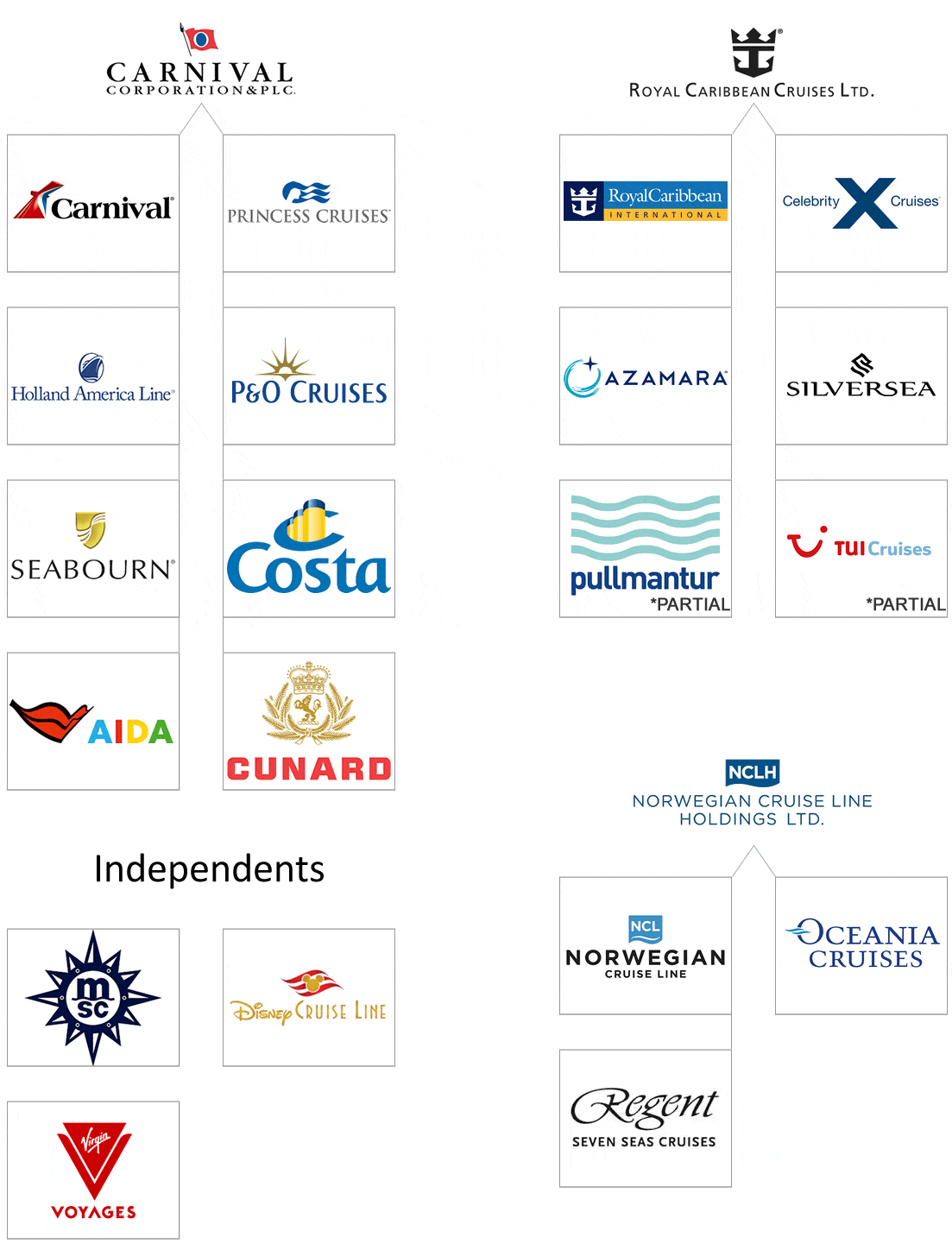
The entity that operates the Norwegian brand is Norwegian Cruise Line Holdings Ltd., a Bermuda-incorporated company headquartered in Miami, Florida. It serves as the parent company for three distinct and prestigious brands: Norwegian Cruise Line, Oceania Cruises, and Regent Seven Seas Cruises. This tiered structure allows the corporation to capture various segments of the market, from the contemporary “Freestyle Cruising” audience to the ultra-luxury demographic.
The Transition from Private Ownership to Public Markets
The journey to its current ownership structure is rooted in a history of high-stakes private equity and international partnerships. For much of its early life, Norwegian Cruise Line (NCL) saw shifts in control between various entities. In the late 1990s and early 2000s, Star Cruises (now part of the defunct Genting Hong Kong) acquired NCL. However, the modern financial era for the company truly began in 2007 and 2008, when Apollo Global Management and TPG Capital invested heavily in the brand to revitalize its fleet and financial standing.
The pivotal moment for the company’s current ownership model occurred in January 2013, when Norwegian Cruise Line Holdings Ltd. launched its initial public offering (IPO). This move transitioned the company from a private-equity-controlled entity to a public company listed on the NASDAQ (and later moving to the NYSE). While Apollo and Genting retained significant stakes for several years following the IPO, they systematically divested their holdings over time, eventually exiting their positions entirely to seek returns for their respective funds. Today, the “owners” are the public shareholders who trade the NCLH ticker daily.
The NCLH Portfolio: More Than Just One Brand
Ownership of NCLH also means ownership of a diversified luxury portfolio. In 2014, the company made a massive strategic acquisition, purchasing Prestige Cruises International for approximately $3.025 billion. This brought Oceania Cruises and Regent Seven Seas Cruises under the NCLH umbrella. For investors, this was a game-changer. It transformed the company from a single-brand operator into a diversified powerhouse with exposure to the high-margin luxury and upper-premium segments. This acquisition remains a cornerstone of the company’s value proposition, as the luxury brands often command higher per-diem rates and exhibit more resilient demand during economic downturns.
The Major Institutional Shareholders
Because NCLH is a publicly traded company, the “lions” of the financial world hold the largest slices of the pie. Institutional investors—companies that invest money on behalf of others, such as pension funds, mutual funds, and insurance companies—currently own the vast majority of Norwegian Cruise Line Holdings.
The Role of Vanguard and BlackRock
As of the most recent SEC filings, the ownership roster of NCLH reads like a “who’s who” of Wall Street. The Vanguard Group and BlackRock, Inc. typically sit at the top of the list. These two firms are the largest asset managers in the world, and they hold shares of NCLH primarily through their various index funds and ETFs.
When an individual buys an S&P 500 index fund or a total market fund, they are indirectly becoming a partial owner of Norwegian Cruise Line. Vanguard’s stake often hovers around 10-12%, while BlackRock typically maintains a significant position as well. These institutional giants do not “run” the cruise line in a traditional sense, but their voting power during shareholder meetings influences corporate governance, executive compensation, and sustainability initiatives.
Why Institutional Ownership Matters for Retail Investors
For the individual investor, high institutional ownership is often seen as a double-edged sword. On one hand, it provides a level of stability and validation; if the world’s most sophisticated analysts at State Street, T. Rowe Price, or Fidelity are holding millions of shares, it suggests a level of institutional confidence in the company’s long-term viability. On the other hand, heavy institutional ownership can lead to volatility. When large funds rebalance their portfolios or react to macroeconomic shifts (such as interest rate hikes), the resulting large-scale sell-offs can drive the stock price down regardless of the company’s actual day-to-day performance on the high seas.
Financial Health and Capital Structure
To truly understand who “owns” the value of Norwegian Cruise Line, one must also look at the company’s debt. In the world of corporate finance, bondholders and lenders often have a significant “claim” on the company’s assets that can, in certain circumstances, supersede that of the equity shareholders.
Navigating the Debt Landscape Post-2020
The global pandemic of 2020 created an unprecedented financial crisis for the cruise industry. With fleets grounded for over a year, NCLH had to burn through billions of dollars in cash to maintain its ships and staff. To survive, the company took on massive amounts of debt and issued new shares to raise capital.
This period shifted the “ownership” dynamic significantly. By issuing more shares (dilution), the percentage of the company owned by existing shareholders decreased. Furthermore, the company took on high-interest loans and issued senior secured notes. While the equity shareholders own the company’s future profits, the creditors currently own a significant portion of the company’s balance sheet through debt obligations. Monitoring NCLH’s “leverage ratio”—the amount of debt relative to its earnings—is the primary focus for any serious financial analyst looking at the brand today.
Revenue Growth and Profitability Metrics
Ownership is ultimately a bet on future cash flows. NCLH’s revenue model is built on two primary pillars: passenger ticket revenue and onboard revenue. In recent years, the company has excelled at driving “onboard spend” through high-end dining, excursions, and amenities. This strategy is particularly effective for NCLH because its ships are generally smaller and more upscale than the “mega-ships” of its competitors, allowing for a more curated and lucrative passenger experience.
Investors track Net Yield and Adjusted EBITDA (Earnings Before Interest, Taxes, Depreciation, and Amortization) to gauge the company’s health. As the company works to pay down its pandemic-era debt, the “ownership value” for shareholders increases. Every dollar of debt retired is essentially a dollar of value returned to the equity holders.
The Competitive Landscape and Market Position
Norwegian Cruise Line Holdings does not operate in a vacuum. Its ownership value is constantly measured against its two primary rivals: Carnival Corporation & plc and Royal Caribbean Group. Together, these three entities control the vast majority of the global cruise market.
NCLH vs. Carnival and Royal Caribbean
Compared to Carnival (the largest by passenger volume) and Royal Caribbean (the largest by market capitalization), NCLH is the “leanest” of the big three. Its strategy is not necessarily to be the biggest, but to be the most profitable per berth. NCLH focuses on a “high-yield” strategy, targeting guests who are willing to pay a premium for more space, better food, and more flexible schedules.
From an investment standpoint, NCLH is often viewed as a more “volatile” play than its larger competitors. Because it has a smaller fleet, any single event—a ship delay, a regional conflict impacting Mediterranean itineraries, or a localized weather event—can have a proportionately larger impact on its quarterly earnings. However, this smaller scale also allows for more nimbleness in shifting itineraries and adjusting pricing strategies.
Strategic Expansion and Fleet Development
A company is only as valuable as its assets. For NCLH, those assets are its ships. The company has a rigorous “Newbuild” program, with several ships scheduled for delivery over the next decade across all three brands. These ships are the engines of growth. New vessels are typically more fuel-efficient, feature more high-margin balcony cabins, and attract “new-to-brand” cruisers.
Who owns these ships? Technically, they are owned by subsidiaries of NCLH, but they are often financed through export credit agencies in the countries where the ships are built (such as Fincantieri in Italy or Meyer Werft in Germany). This intricate web of international finance means that while the title belongs to NCLH, the financial stakes involve European governments and global banking syndicates.
Investing in the Future of Norwegian Cruise Line
As we look toward the future, the ownership of Norwegian Cruise Line Holdings will likely continue to evolve. The company is increasingly focused on ESG (Environmental, Social, and Governance) metrics, as large institutional owners like BlackRock place greater emphasis on carbon footprint and sustainability. The “owners” of tomorrow are not just looking for profit; they are looking for a sustainable business model that can withstand changing environmental regulations and shifting consumer sentiment regarding climate change.

The Verdict for Investors
For the individual interested in the financial side of the cruise industry, “owning” Norwegian Cruise Line means purchasing NCLH stock. It is a play on the resilience of the global travel industry and the enduring appeal of the luxury cruise experience. While the company carries a significant debt load from the pandemic years, its premium branding and disciplined capacity growth make it a unique asset in the hospitality sector.
In summary, Norwegian Cruise Line is owned by a diverse global network of investors. From the massive index funds that provide the backbone of the stock market to the retail trader bullish on the return of luxury travel, the ownership of NCLH is a testament to the power of public markets. It is a company that has moved from private equity hands into the public sphere, surviving the greatest crisis in maritime history to remain a dominant force in the global economy. To own a piece of NCLH is to own a stake in the future of global tourism, tethered to the rigors of Wall Street and the high-margin potential of the open sea.
aViewFromTheCave is a participant in the Amazon Services LLC Associates Program, an affiliate advertising program designed to provide a means for sites to earn advertising fees by advertising and linking to Amazon.com. Amazon, the Amazon logo, AmazonSupply, and the AmazonSupply logo are trademarks of Amazon.com, Inc. or its affiliates. As an Amazon Associate we earn affiliate commissions from qualifying purchases.