
For millions of graduates and current students, student loans represent one of the most significant financial commitments of their lives. Yet, the complexity of the lending ecosystem—filled with federal agencies, private banks, third-party servicers, and evolving legislative policies—often leaves borrowers feeling disconnected from their own debt. Knowing exactly how much you owe, to whom you owe it, and what the terms of those obligations are is the foundational step in any successful personal finance strategy. Whether you are preparing to start repayment, looking to consolidate, or simply trying to get a handle on your net worth, this guide provides a professional and comprehensive roadmap to looking up and organizing your student loans.
Navigating the Federal Student Aid Landscape
The vast majority of student loans in the United States are federal loans, meaning they are funded by the government. Because these loans are centralized under the Department of Education, they are generally the easiest to track, provided you know where to look.
Accessing the StudentAid.gov Dashboard
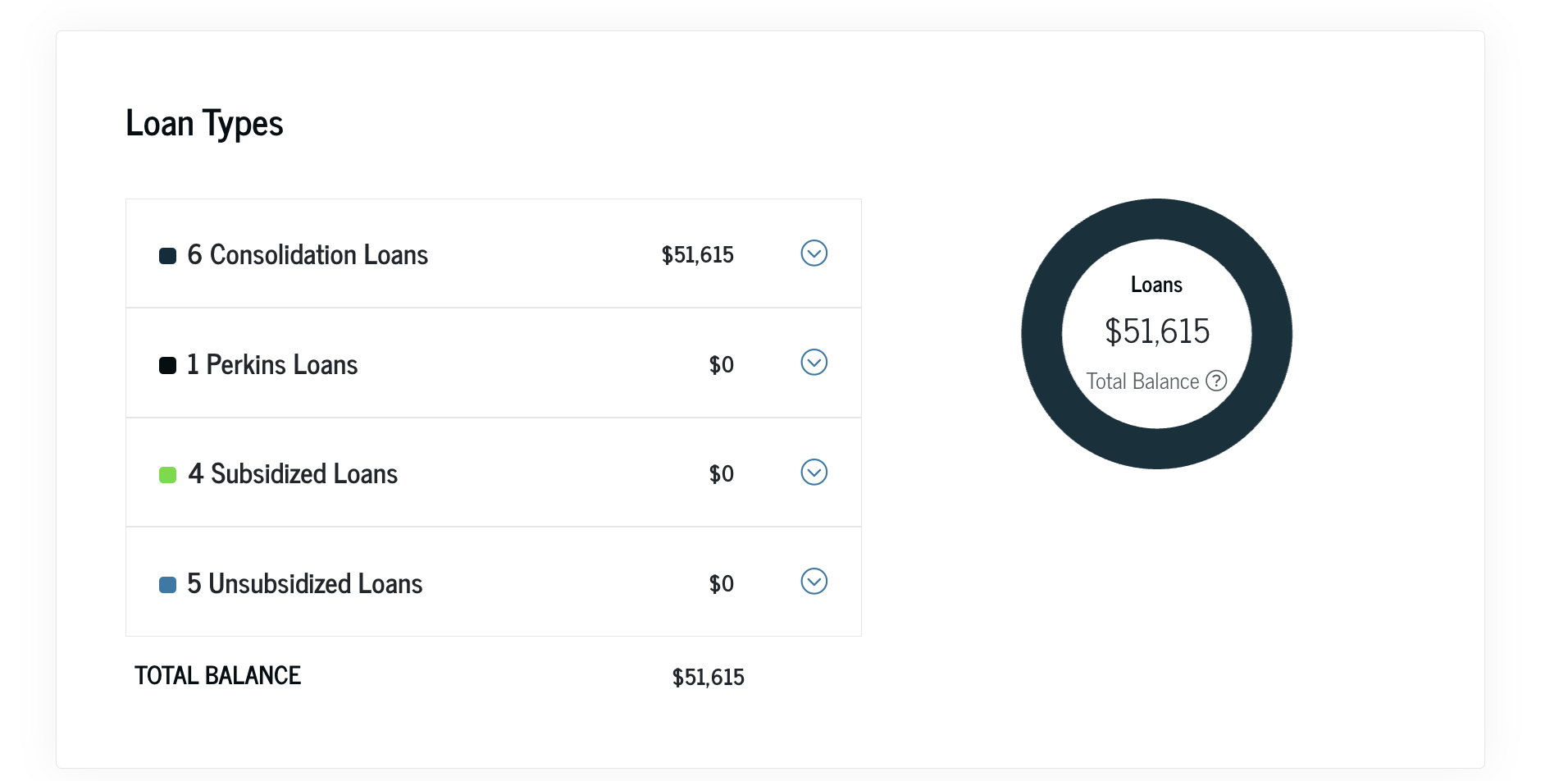
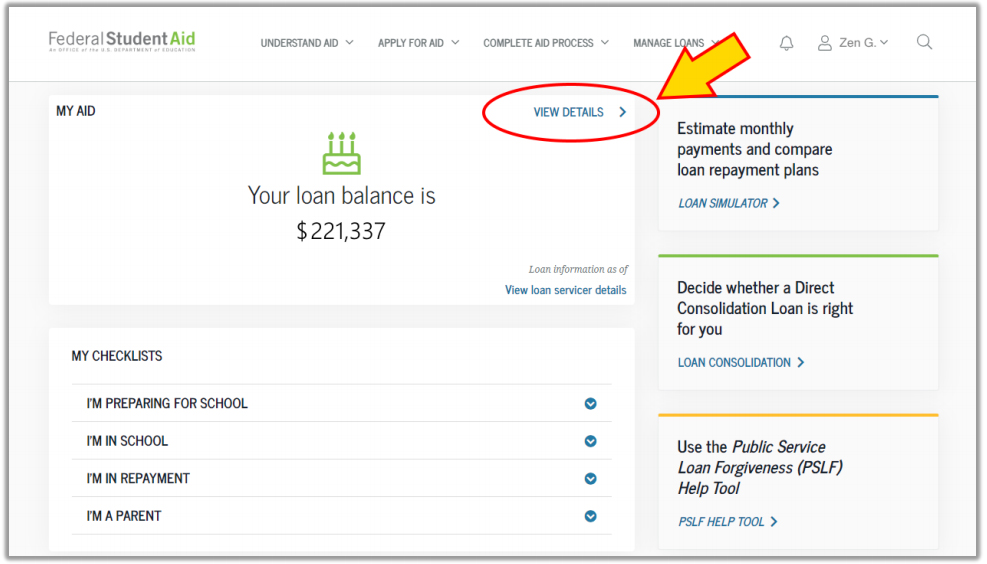
The primary hub for all federal student loan data is StudentAid.gov. To access your information, you will need your FSA ID (Federal Student Aid ID), which consists of a username and password. If you have forgotten your credentials, the site provides recovery options via email or mobile phone. Once logged in, the “My Aid” dashboard provides a bird’s-eye view of your federal financial history. This dashboard aggregates data from the National Student Loan Data System (NSLDS), offering a breakdown of your total balance, the types of loans you hold (such as Direct Subsidized, Unsubsidized, or PLUS loans), and the current status of each (e.g., in school, grace period, or repayment).
Identifying Your Loan Servicer
While the federal government funds these loans, it does not typically manage the day-to-day billing. Instead, it assigns loans to private companies known as loan servicers. Common servicers include Mohela, Nelnet, EdFinancial, and others. It is crucial to identify your specific servicer because this is the entity you will pay each month and contact for repayment plan changes. Within your StudentAid.gov dashboard, clicking on the “View Details” section of your loans will list the specific servicer assigned to each debt. You should then create a separate account on that servicer’s website to manage your payments and view detailed monthly statements.
Understanding Loan Types and Statuses
As you look up your federal loans, pay close attention to the distinction between subsidized and unsubsidized loans. Subsidized loans do not accrue interest while you are in school at least half-time or during certain deferment periods, whereas unsubsidized loans accrue interest from the moment they are disbursed. Understanding this distinction is vital for prioritizing payments. Furthermore, check the status of your loans. If a loan is listed as “Defaulted,” it requires immediate attention to avoid wage garnishment and severe credit damage.
Tracking Down Private Student Loans
Private student loans are issued by banks, credit unions, and online lenders rather than the federal government. Because there is no centralized federal database for private debt, tracking these down requires a more investigative approach.
Reviewing Your Credit Reports
The most effective way to identify every private student loan in your name is to pull your credit reports from the three major credit bureaus: Equifax, Experian, and TransUnion. Lenders report your account status and balances to these bureaus monthly. You can obtain a free copy of your credit report from each bureau once a year via AnnualCreditReport.com. Once you have the report, look for the “Account History” or “Trades” section. Private student loans will appear alongside credit cards and car loans. Note the name of the lender and the original amount borrowed, as this will be your starting point for regaining control of the account.
Auditing Financial Statements and Tax Records
If you are unable to find a loan on your credit report—perhaps because it is very old or the lender has changed names—look through your bank statements for recurring payments to financial institutions. Additionally, search your tax records for Form 1098-E (Student Loan Interest Statement). Lenders are required to send this form if you paid more than $600 in interest during the tax year. Even if you didn’t pay $600, your tax software or physical files may contain records of previous interest deductions that lead you back to the lender’s identity.
Contacting Your School’s Financial Aid Office
If you are still coming up empty, your alma mater’s financial aid office can be an invaluable resource. Colleges maintain records of every loan disbursed to pay for your tuition, including private “certified” loans that were processed through the school. They can provide a list of lenders that sent funds on your behalf, which can help you narrow down your search and contact the correct institutions.
Organizing Your Debt Portfolio for Strategic Management
Once you have identified all your federal and private loans, the next step is to aggregate this data into a manageable format. Looking up your loans is only the first half of the battle; organizing the information allows you to make informed financial decisions.
Creating a Master Loan Spreadsheet
A professional-grade debt management spreadsheet should include the following columns for every loan:
-
Lender/Servicer Name: Who you owe.
-
Account Number: For quick reference during phone calls.
-
Loan Type: Federal (Subsidized/Unsubsidized) or Private.
-
Current Balance: The total amount currently owed.
-
Interest Rate: Specify if the rate is fixed or variable.
-
Monthly Payment: Your minimum required payment.
-
Status: Current, Grace, Deferment, or Default.
Having this information in one place prevents the “out of sight, out of mind” phenomenon that often leads to missed payments and escalating interest.
Evaluating Interest Rates and Accrual Methods
As you document your interest rates, look for opportunities to save money. Private student loans often have variable interest rates that can fluctuate based on market conditions, potentially increasing your monthly obligation. Federal loans have fixed rates set by Congress based on the year they were disbursed. By comparing your rates, you can decide whether to utilize the “Debt Avalanche” method—paying off the highest-interest loans first—to minimize the total cost of your debt over time.
Utilizing Financial Tools and Aggregators
Many modern personal finance apps can sync with your loan servicer accounts to provide real-time updates on your balances. Tools like Mint (or its successors), Rocket Money, and specialized student loan platforms allow you to see your student debt alongside your checking accounts and investments. This holistic view is essential for calculating your debt-to-income (DTI) ratio, a key metric used by lenders when you apply for a mortgage or car loan.
Understanding Repayment Options and Long-Term Strategies
Knowing how to look up your loans is the prerequisite for choosing a repayment strategy that aligns with your financial goals. Federal and private loans offer vastly different protections and pathways to freedom.
Exploring Income-Driven Repayment (IDR) Plans
For federal loans, one of the most powerful tools at your disposal is the suite of Income-Driven Repayment plans, such as the SAVE (Saving on a Valuable Education) plan. These plans cap your monthly payment at a percentage of your discretionary income and can even result in a $0 monthly payment for those with lower earnings. Crucially, many of these plans offer loan forgiveness after 20 or 25 years of qualifying payments. By looking up your loan details on StudentAid.gov, you can use the “Loan Simulator” tool to see which IDR plan offers the lowest monthly payment or the lowest total cost over time.
Public Service Loan Forgiveness (PSLF) and Other Programs
If you work for a government agency or a 501(c)(3) non-profit organization, you may be eligible for Public Service Loan Forgiveness. This program forgives the remaining balance on your Direct Loans after you have made 120 qualifying monthly payments under a qualifying repayment plan while working full-time for a qualifying employer. Looking up your loan types is the first step here; only Direct Loans qualify. If you have older FFEL or Perkins loans, you may need to consolidate them into a Direct Consolidation Loan to become eligible for PSLF.
Consolidation vs. Refinancing
Once you have a clear picture of your loans, you might consider consolidation or refinancing.
-
Federal Loan Consolidation: This combines multiple federal loans into a single loan with a weighted average interest rate. This simplifies your billing and can grant access to certain repayment plans, but it does not lower your interest rate.
-
Private Refinancing: This involves taking out a new loan with a private lender to pay off your existing federal or private loans. The goal is to secure a lower interest rate based on your current credit score and income. However, be cautious: refinancing federal loans into a private loan means permanently giving up federal protections like IDR plans, PSLF, and administrative forbearances.

The Power of Proactive Management
The process of looking up student loans is more than just a clerical task; it is an act of financial empowerment. In an era where educational debt can linger for decades, the difference between a borrower who is proactive and one who is passive can amount to tens of thousands of dollars in interest. By utilizing the federal dashboard, auditing your credit reports, and maintaining a rigorous debt portfolio, you position yourself to navigate the complexities of the financial system with confidence. Whether your goal is to pay off your debt as quickly as possible or to find the most affordable monthly payment, it all begins with a clear, documented understanding of your current standing. Knowledge, in this context, is not just power—it is the key to financial mobility and long-term stability.
aViewFromTheCave is a participant in the Amazon Services LLC Associates Program, an affiliate advertising program designed to provide a means for sites to earn advertising fees by advertising and linking to Amazon.com. Amazon, the Amazon logo, AmazonSupply, and the AmazonSupply logo are trademarks of Amazon.com, Inc. or its affiliates. As an Amazon Associate we earn affiliate commissions from qualifying purchases.