
The Nasdaq Stock Market stands as a beacon of modern finance, a digital-first exchange that has redefined how capital is raised and traded in the 21st century. For investors, analysts, and business enthusiasts, the question of “how many listed companies are in the Nasdaq” is more than a request for a static figure; it is a gateway into understanding the breadth of the global economy, the health of the venture capital pipeline, and the concentration of innovation within the public markets.
As of the current market cycle, the Nasdaq is home to approximately 3,400 to 3,500 listed companies. While this number fluctuates almost daily due to initial public offerings (IPOs), mergers, acquisitions, and delistings, it consistently represents a massive segment of the world’s total equity value. To truly understand this number, one must look beneath the surface at the tiers, sectors, and economic drivers that dictate the composition of this powerhouse exchange.
The Architecture of the Nasdaq: Understanding the Three Market Tiers
The total number of companies on the Nasdaq is distributed across three distinct market tiers. Each tier has its own set of listing requirements, ranging from financial liquidity to corporate governance standards. Understanding these tiers is crucial for any investor looking to gauge the risk and stability of a listed entity.
The Nasdaq Global Select Market
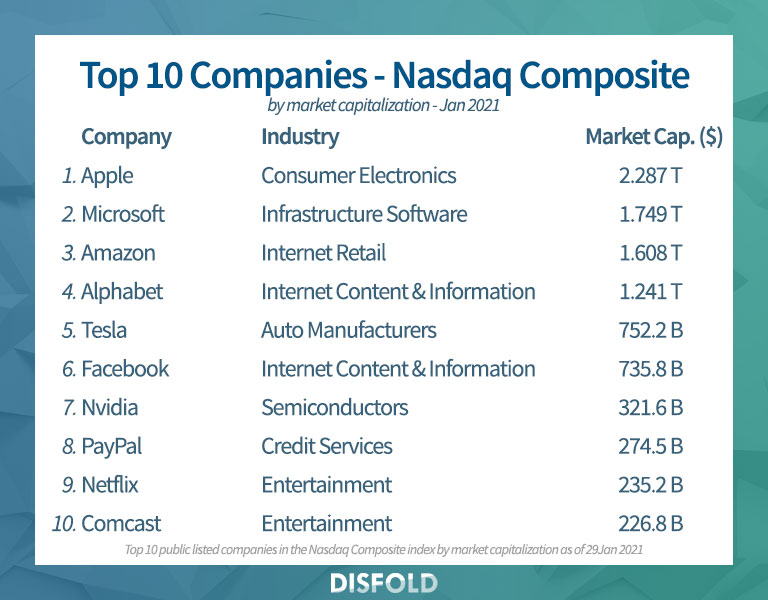
The Global Select Market is the most prestigious tier, representing the “crème de la crème” of the exchange. It consists of roughly 1,400 to 1,500 companies that meet the highest standards of financial strength and liquidity. When people think of the Nasdaq, they are often thinking of the Global Select Market, which houses titans like Apple, Microsoft, and Amazon. To list here, a company must pass rigorous tests regarding its pre-tax income, cash flow, and market capitalization, ensuring that only the most established global leaders are included.
The Nasdaq Global Market
Positioned just below the Global Select, the Nasdaq Global Market features mid-cap companies that have a significant international reach. There are approximately 800 to 900 companies in this tier. These businesses are typically in a high-growth phase, possessing the stability to trade on a major exchange but perhaps lacking the massive market cap required for the Select tier. This middle ground is often where the “next big thing” is found, as these companies transition from emerging players to household names.
The Nasdaq Capital Market
Formerly known as the SmallCap Market, the Nasdaq Capital Market is the entry point for smaller, emerging companies. It currently hosts around 1,100 to 1,200 listings. This tier is vital for the ecosystem because it provides smaller firms with the capital necessary to scale their operations. While these stocks often carry higher volatility, they represent the grassroots innovation of the Nasdaq. For investors, this tier offers high-reward potential, though it requires a much more disciplined approach to risk management.
The Evolution of Listing Numbers: Growth, Consolidation, and Economic Cycles
The number of companies listed on the Nasdaq has seen dramatic shifts over the last few decades. In the late 1990s, during the height of the dot-com bubble, the number of listed companies peaked at over 5,000. However, the subsequent market correction and a wave of consolidations saw that number decline significantly in the early 2000s.
The Impact of the IPO Market
The primary driver of an increase in Nasdaq listings is the health of the IPO market. When interest rates are low and investor appetite for growth is high, private companies—particularly in the tech and biotech sectors—rush to go public. In record-breaking years like 2021, the Nasdaq saw a surge in new listings, fueled in part by the rise of Special Purpose Acquisition Companies (SPACs). These “blank check” companies provided an alternative route to the public markets, momentarily inflating the number of listed entities.
Delistings and Mergers
Conversely, several factors can reduce the total count. Mergers and acquisitions (M&A) are a primary cause; when a larger company acquires a smaller Nasdaq-listed firm, the smaller entity’s ticker disappears. Additionally, delistings occur when a company fails to meet the exchange’s minimum requirements—such as maintaining a minimum stock price or filing timely financial reports. Regulatory crackdowns or shifts in the geopolitical landscape can also lead to mass delistings, as seen in recent years with certain international firms.
The “Private for Longer” Trend
A modern phenomenon affecting the number of Nasdaq listings is the tendency for high-value startups to remain private for longer. With the proliferation of late-stage venture capital and private equity, companies like SpaceX or Stripe can reach valuations in the tens of billions without needing to tap the public markets. This has led to a leaner, more mature Nasdaq, where companies often debut at much higher valuations than they did twenty years ago.
Sector Breakdown: Beyond the Technology Label
While the Nasdaq is synonymous with “Tech,” the composition of its 3,400+ companies is surprisingly diverse. To understand the exchange, one must look at the sector weightings that define its daily movements and its long-term investment profile.
The Dominance of Technology and Software
Technology remains the backbone of the Nasdaq, accounting for the largest share of both the number of companies and the total market capitalization. This includes everything from semiconductor manufacturers and hardware giants to software-as-a-service (SaaS) providers and cybersecurity firms. The concentration of tech on the Nasdaq makes it the primary barometer for the global digital economy.
The Healthcare and Biotech Powerhouse
One of the most overlooked aspects of the Nasdaq is its role as the world’s leading exchange for healthcare and biotechnology. Roughly one-quarter of all Nasdaq-listed companies belong to the healthcare sector. Because biotech firms often require massive amounts of capital for research and development before they ever turn a profit, the Nasdaq Capital Market provides an essential platform for these firms to secure funding through various stages of clinical trials.
Consumer Services and Finance
The remaining portion of the Nasdaq is comprised of consumer services, retail, and financial institutions. Companies like Costco and Starbucks, while not “tech companies” in the traditional sense, utilize technology so integrated into their business models that they fit perfectly within the Nasdaq’s innovation-focused ethos. Furthermore, many regional banks and fintech disruptors choose the Nasdaq for its reputation as a forward-thinking marketplace.
Strategic Insights for Investors: Navigating the Nasdaq Landscape
For the individual investor, the sheer volume of companies on the Nasdaq—and the way those numbers change—offers several strategic takeaways. Understanding these dynamics can help in portfolio construction and risk assessment.
Breadth vs. Concentration
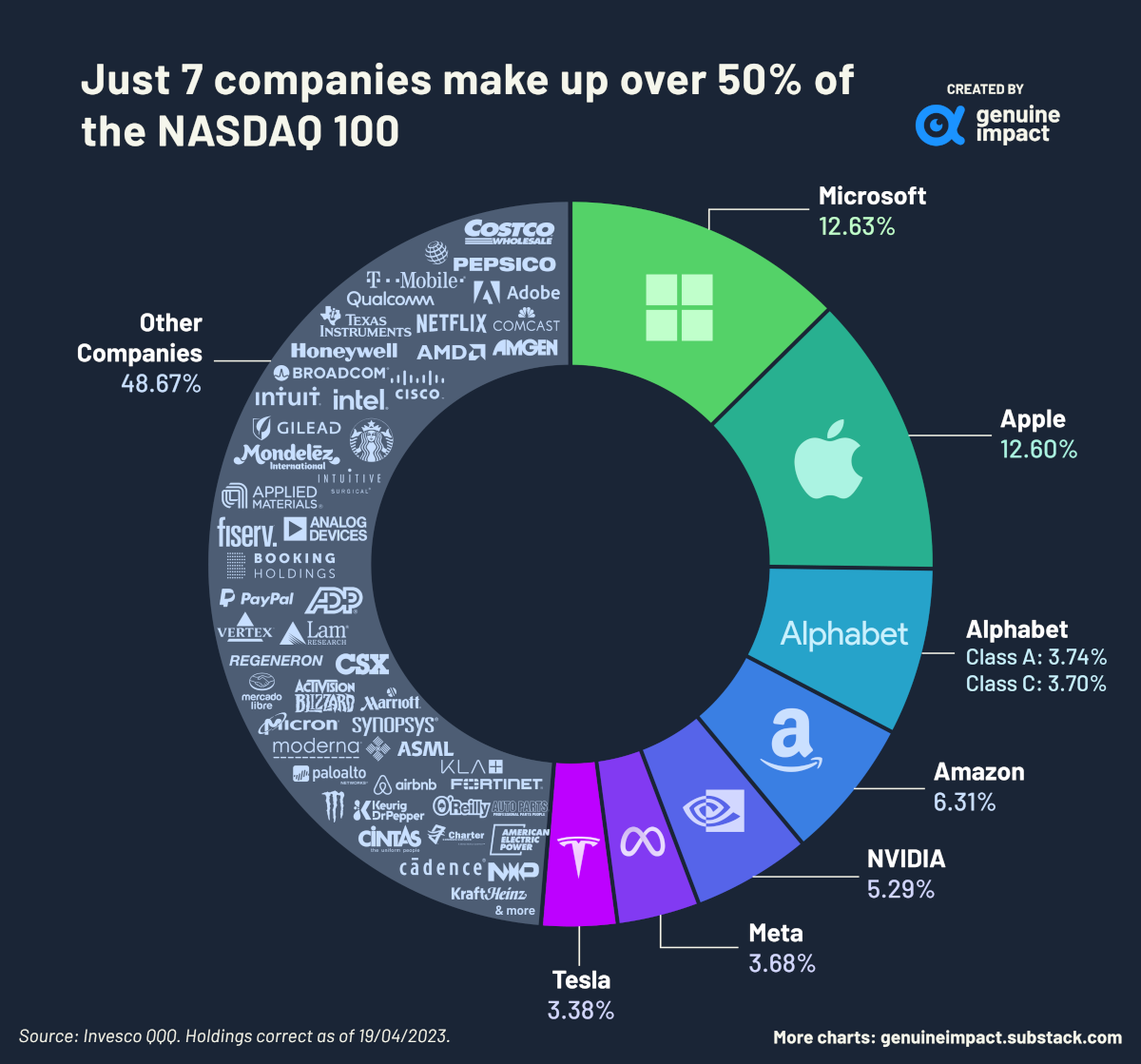
While there are over 3,400 companies, the “weight” of the Nasdaq is heavily concentrated in its largest members. The Nasdaq-100 Index, which tracks the 100 largest non-financial companies on the exchange, represents a disproportionate amount of the total market value. Investors must distinguish between the “Nasdaq Composite,” which reflects the performance of all listed companies, and the “Nasdaq-100.” A rising Composite index suggests broad market health, while a rising Nasdaq-100 might indicate that only the “Magnificent Seven” or largest tech giants are performing well.
The Small-Cap Opportunity
With over 1,000 companies in the Nasdaq Capital Market tier, there is a wealth of opportunity for “alpha” or market-beating returns. These smaller companies are often under-researched by major Wall Street firms. For an investor willing to dive into balance sheets and industry trends, the smaller end of the Nasdaq listing count is where undervalued gems can be found before they graduate to the Global Select tier.
Monitoring Exchange Health
The total number of listings is also a sentiment indicator. A shrinking number of companies over a long period can signal a “maturing” market where consolidation is stifling competition. On the other hand, a steady stream of new listings indicates a vibrant entrepreneurial ecosystem. Investors should keep an eye on the “Net New Listings” metric as a way to gauge the overall attractiveness of the public equity markets compared to private equity.

The Future of Nasdaq Listings
Looking forward, the number of listed companies on the Nasdaq will continue to be shaped by the intersection of technology and finance. As artificial intelligence, green energy, and decentralized finance (DeFi) continue to evolve, we can expect a new wave of companies to join the exchange. The Nasdaq has also been proactive in courting international listings, particularly from Southeast Asia and Latin America, aiming to become the truly global home for growth-oriented firms.
The Nasdaq is not just a list of numbers; it is a living, breathing map of where the world is investing its future. Whether the count is 3,400 or 4,000, the importance of the Nasdaq lies in its ability to provide liquidity, transparency, and growth opportunities to companies and investors alike. By understanding the tiers, sectors, and economic factors that influence these listings, investors can better position themselves to capitalize on the trends that will define the next generation of wealth.
aViewFromTheCave is a participant in the Amazon Services LLC Associates Program, an affiliate advertising program designed to provide a means for sites to earn advertising fees by advertising and linking to Amazon.com. Amazon, the Amazon logo, AmazonSupply, and the AmazonSupply logo are trademarks of Amazon.com, Inc. or its affiliates. As an Amazon Associate we earn affiliate commissions from qualifying purchases.