
The Nasdaq is often whispered in the same breath as the “stock market” itself, serving as a pulse for the global economy and a primary destination for growth-oriented investors. However, when asking “how many companies are in the Nasdaq,” the answer is more nuanced than a single static number. Depending on whether you are referring to the Nasdaq Stock Market exchange or a specific index like the Nasdaq Composite or the Nasdaq-100, the figures change significantly.
Understanding the composition of the Nasdaq is essential for any serious investor. It is not merely a list of names; it is a reflection of the modern economy, dominated by technology, biotechnology, and consumer services. This guide explores the current numbers, the structure of the exchange, and why these figures matter for your personal finance strategy and portfolio growth.
Understanding the Nasdaq: Exchange vs. Index
To accurately answer how many companies are involved, we must first distinguish between the exchange and its famous indices. Many novice investors conflate the two, but in the world of professional finance, the distinction is vital for asset allocation and risk management.
The Nasdaq Stock Market (The Exchange)
The Nasdaq Stock Market is a global electronic marketplace for buying and selling securities. As of recent data, there are approximately 3,300 to 3,700 companies listed on the Nasdaq exchange. This number is fluid, changing almost weekly as new companies undergo initial public offerings (IPOs), others are acquired through mergers, and some are delisted due to bankruptcy or failure to meet exchange requirements.
Unlike the New York Stock Exchange (NYSE), which has a more traditional floor-trading history, the Nasdaq was founded in 1971 as the world’s first electronic stock market. This digital-first nature attracted the emerging tech giants of the late 20th century, creating the tech-heavy reputation the exchange maintains today.
The Nasdaq Composite Index
When news anchors report that “the Nasdaq is up 2%,” they are usually referring to the Nasdaq Composite Index. This index includes almost all the companies listed on the Nasdaq stock exchange. To be included in the Composite, a security must be listed exclusively on the Nasdaq (with some minor exceptions) and must be a common type of individual stock (REITs and tracking stocks are included; closed-end funds and ETFs are not). Because it tracks over 3,000 companies, the Composite is a broad-based indicator of the technology sector and the speculative growth market.
The Nasdaq-100 Index
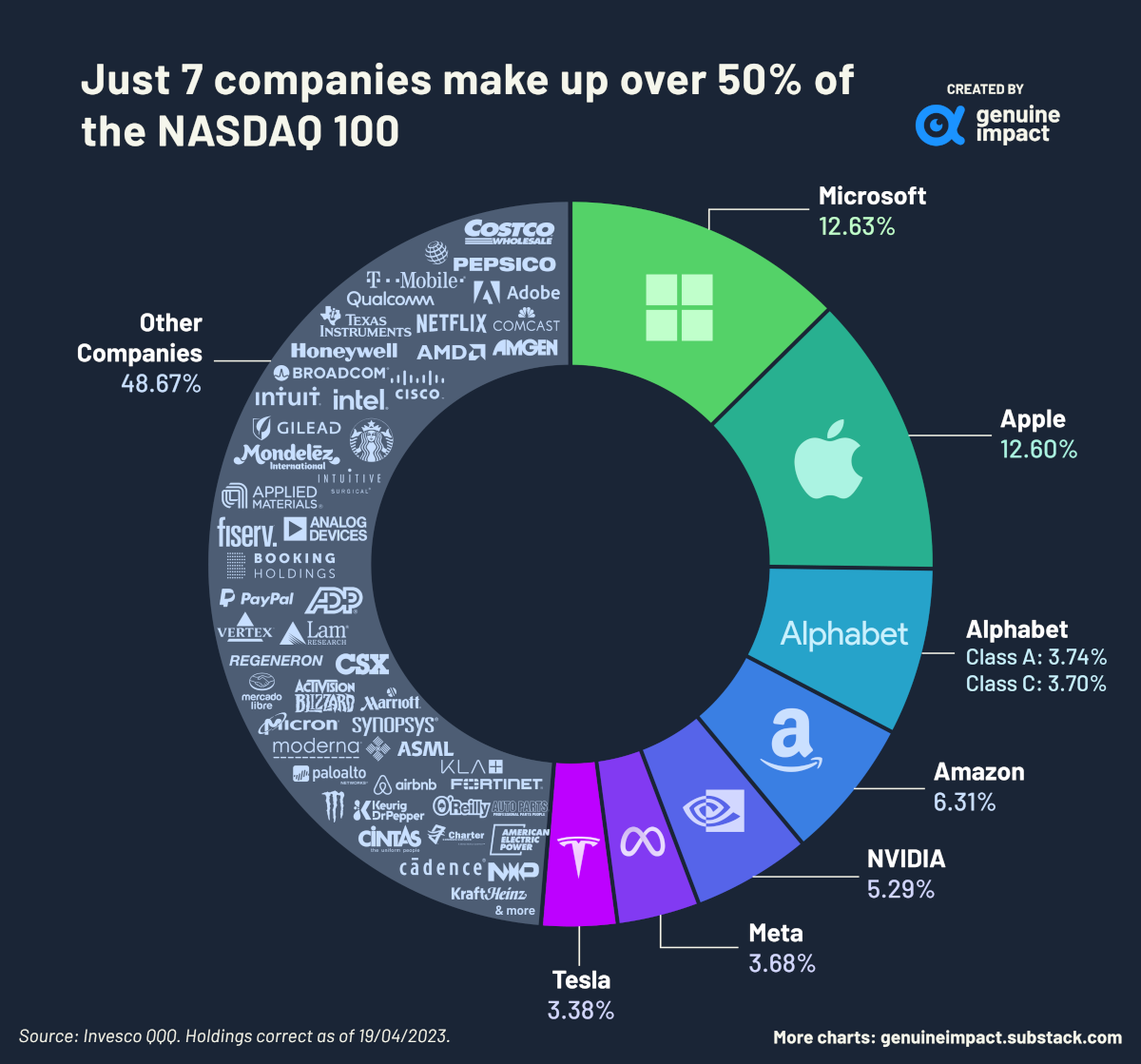
For many investors, the Nasdaq-100 is the more relevant figure. This index consists of the 100 largest non-financial companies listed on the Nasdaq Stock Market based on market capitalization. While it represents a small fraction of the total number of companies on the exchange, it accounts for a massive portion of the exchange’s total value. It includes the “Magnificent Seven” and other titans of industry, making it the primary benchmark for large-cap growth investing.
Analyzing the Numbers: How Many Companies Are Currently Listed?
The total count of companies on the Nasdaq is a barometer for the health of the venture capital ecosystem and the broader appetite for public equity. If the number is growing, it suggests a robust environment for IPOs; if it is shrinking, it may indicate a trend toward private equity or a period of economic consolidation.
Fluctuations in Listing Totals
Over the last decade, the number of companies on the Nasdaq has generally hovered between 3,000 and 4,000. In the late 1990s, during the heights of the dot-com bubble, the number spiked as hundreds of tech startups rushed to go public. Following the crash, the number plummeted as companies went insolvent.
In recent years, we have seen a renewed surge driven by the “SPAC” (Special Purpose Acquisition Company) boom and the rapid growth of the biotech sector. However, higher interest rates often lead to a slowdown in new listings, as the cost of capital increases and valuations are compressed. For an investor, tracking the total number of listings helps identify where we are in the market cycle.
The Tiers of the Nasdaq Market
The Nasdaq is not a monolith; it is divided into three distinct tiers, each with its own listing requirements. The number of companies in each tier tells a story about the size and stability of the firms within the exchange:
-
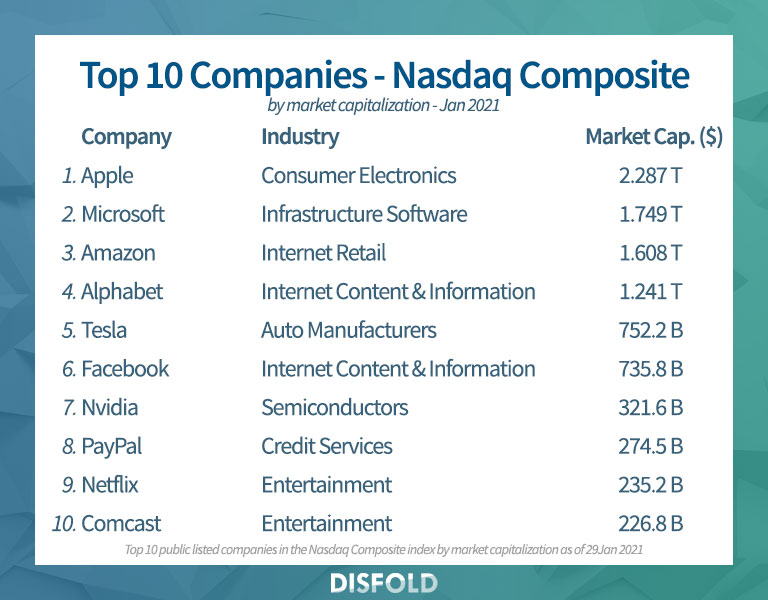
Nasdaq Global Select Market: This is the most prestigious tier. It includes large-cap companies that meet the highest financial and liquidity requirements. Many of the world’s most recognizable brands reside here.
-
Nasdaq Global Market: This tier consists of mid-cap companies. It serves as a middle ground for companies that are established but perhaps do not have the massive scale of the Global Select members.
-
Nasdaq Capital Market: Formerly known as the “SmallCap Market,” this tier is designed for smaller companies with lower market capitalizations. It provides a platform for early-stage growth companies to raise capital from public investors.
Requirements for Joining the Nasdaq
Not just any business can list on the Nasdaq. To maintain the integrity of the exchange and protect investors, the Nasdaq enforces strict quantitative and qualitative standards. The number of companies remains regulated by these high barriers to entry.
Financial Requirements for Listing
To be listed, a company must meet specific financial thresholds. These typically involve a combination of:
-
Pre-tax income: Minimum earnings over previous fiscal years.
-
Cash flow: Demonstrable liquidity to sustain operations.
-
Market Capitalization: A minimum total value of all outstanding shares.
-
Revenue: Minimum annual sales figures.
These requirements ensure that the companies within the Nasdaq have at least a baseline of financial viability, though being listed is never a guarantee of future success.
Liquidity and Governance Standards
Beyond the balance sheet, the Nasdaq requires companies to have a minimum number of publicly traded shares (the “float”) and a minimum number of shareholders. This ensures that the stock is liquid enough for investors to buy and sell without causing extreme price swings. Additionally, companies must adhere to corporate governance rules, such as having a board of directors with independent members and an internal audit committee. These rules are why the Nasdaq is considered a “regulated market,” providing a layer of security for retail and institutional investors alike.
Why the Nasdaq Matters for Your Investment Portfolio
Knowing how many companies are in the Nasdaq is only useful if you understand how that data influences your wealth-building strategy. The Nasdaq’s unique composition makes it a specific tool for achieving certain financial goals.
Growth Potential and Sector Concentration
The Nasdaq is synonymous with “growth.” While the NYSE hosts many “Value” stocks—older, stable companies in industrials, energy, and banking—the Nasdaq is the home of innovation. Because the exchange is heavily weighted toward Information Technology (approx. 50% of the Nasdaq-100) and Health Care (biotech), it offers higher potential returns compared to more conservative indices.
For an investor, the Nasdaq represents the “aggressive” portion of a portfolio. If you are looking to outpace inflation and achieve significant capital appreciation over decades, the companies within the Nasdaq are likely your primary vehicles for that growth.
Volatility and Risk Management
The concentration that provides growth also introduces risk. Because many of the 3,000+ companies are in the same sectors, they tend to move in tandem. When the tech sector faces headwinds—such as regulatory scrutiny or rising interest rates—the Nasdaq often falls harder than the Dow Jones Industrial Average or the S&P 500.
Investors must decide how much exposure they want to this specific group of companies. Buying a Nasdaq-100 ETF (like QQQ) provides instant diversification across the top 100 firms, but it still leaves you heavily exposed to tech volatility. Understanding the sheer number of companies (the “breadth” of the market) helps you realize that while there are thousands of options, the largest few often dictate the direction of your entire investment.
The Future of the Nasdaq: Market Trends and Projections
As we look forward, the number of companies in the Nasdaq will continue to reflect global shifts in business and finance. The exchange is increasingly becoming a global hub, with many international firms choosing to list in the U.S. to access the deep liquidity of American capital markets.
The Impact of AI and Emerging Tech
We are currently witnessing a new wave of listings driven by Artificial Intelligence, green energy, and fintech. As these industries mature, we can expect the number of listings to grow. These companies are the “seeds” of the future Nasdaq-100. For the astute investor, identifying which of the 3,000+ companies will eventually move from the Capital Market tier to the Global Select tier is the key to “beating the market.”

Passive Investing and Index Rebalancing
The rise of passive investing—where people buy index funds rather than individual stocks—has changed how the number of companies affects the market. Indices like the Nasdaq-100 undergo “rebalancing” to ensure that no single company becomes too dominant, though the “Magnificent Seven” still carry immense weight. As an investor, staying informed about how many companies are in these indices and how they are weighted is crucial for understanding the underlying mechanics of your retirement accounts and brokerage portfolios.
In conclusion, while the number of companies in the Nasdaq fluctuates between 3,300 and 3,700, the true value for an investor lies in understanding the layers beneath that number. Whether you are looking at the broad-based Composite or the elite 100, the Nasdaq remains the premier destination for those seeking to invest in the future of the global economy. By monitoring these listings and the requirements that govern them, you can better navigate the complexities of the financial markets and build a more resilient, growth-oriented portfolio.
aViewFromTheCave is a participant in the Amazon Services LLC Associates Program, an affiliate advertising program designed to provide a means for sites to earn advertising fees by advertising and linking to Amazon.com. Amazon, the Amazon logo, AmazonSupply, and the AmazonSupply logo are trademarks of Amazon.com, Inc. or its affiliates. As an Amazon Associate we earn affiliate commissions from qualifying purchases.