
Navigating the landscape of real estate finance is one of the most significant financial undertakings an individual will ever face. For many, a home is the largest asset they will ever own, and the method used to finance that asset—the mortgage—dictates their monthly cash flow, long-term savings, and overall financial health for decades. Choosing a house loan is not a one-size-fits-all process. The “best” loan depends entirely on an applicant’s credit score, available down payment, employment history, and long-term residency plans.
To make an informed decision, potential homeowners must understand the various structures, backing mechanisms, and interest rate behaviors that define the modern mortgage market. Whether you are a first-time buyer looking for a low-entry barrier or a seasoned investor seeking to leverage a high-value property, understanding the nuances of mortgage products is essential.

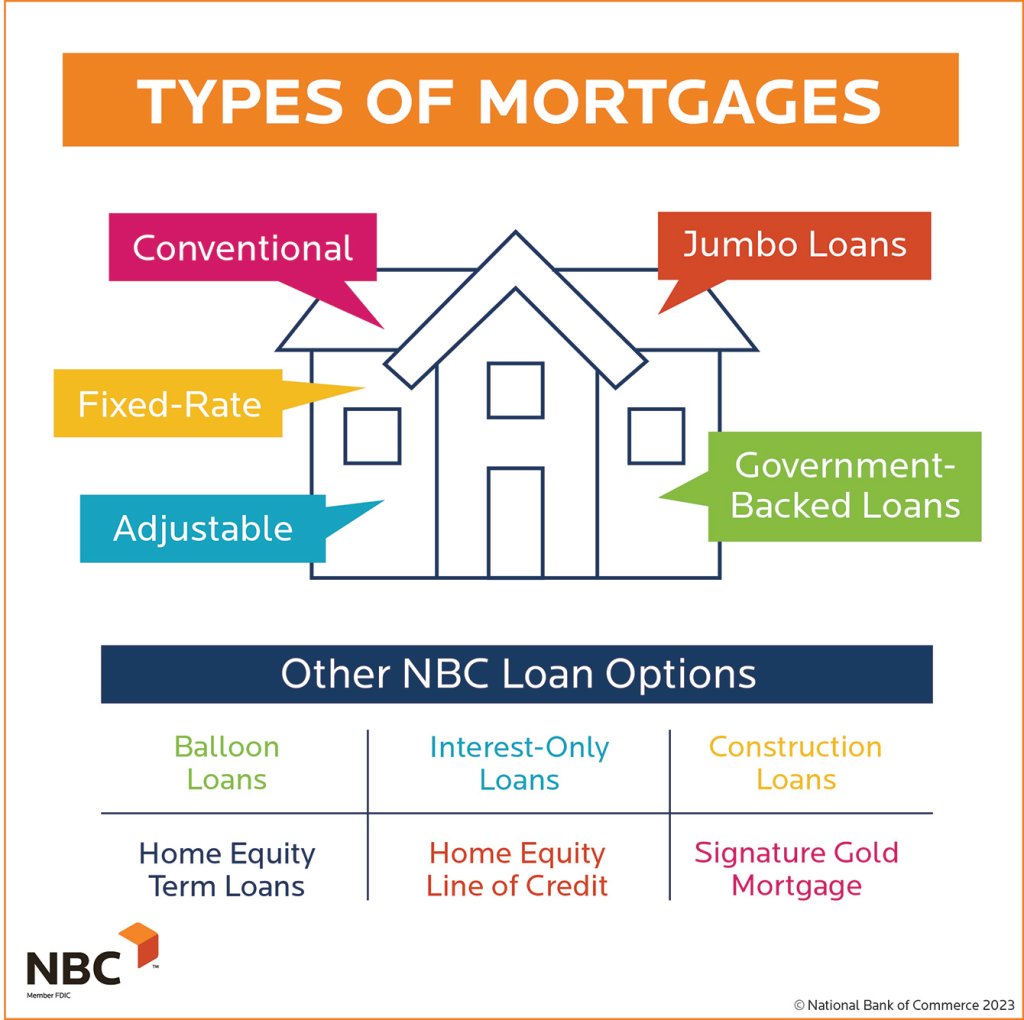
Conventional Loans: The Standard for Private Financing
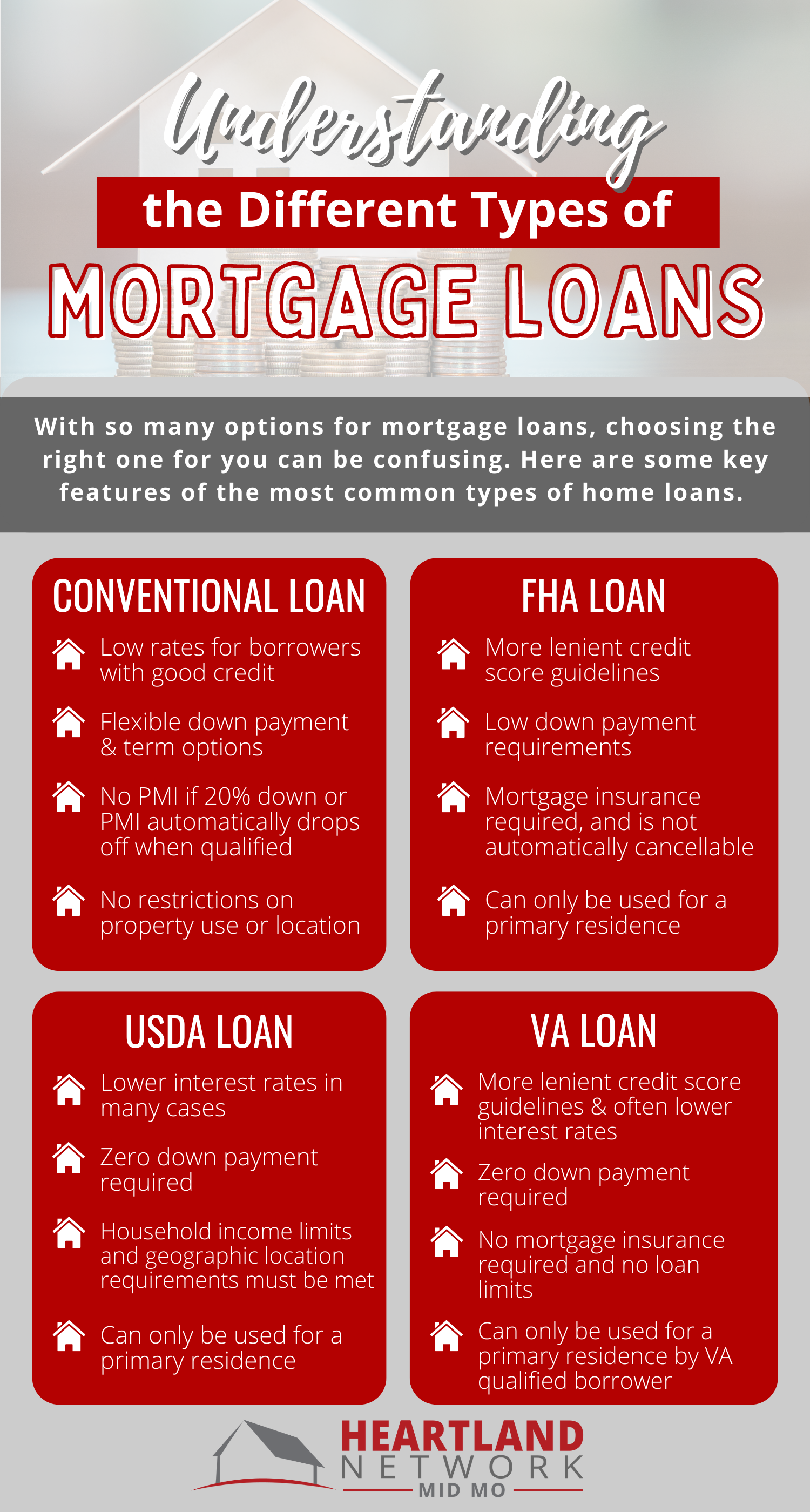
Conventional loans are the most common type of mortgage and are not insured or guaranteed by the federal government. Instead, they are backed by private lenders—such as banks, credit unions, or mortgage companies—and typically follow the guidelines set by two government-sponsored enterprises: Fannie Mae and Freddie Mac.
Conforming Loans
A conforming loan is a conventional mortgage that adheres to the financing limits set by the Federal Housing Finance Agency (FHFA). These limits change annually based on the average home price in the United States. Because these loans follow standardized rules regarding credit scores and debt-to-income (DTI) ratios, they are easily packaged and sold on the secondary market. For borrowers, conforming loans offer some of the most competitive interest rates, provided they have a solid credit history (typically a score of 620 or higher) and a stable income. While a 20% down payment is the traditional benchmark to avoid Private Mortgage Insurance (PMI), many conforming programs now allow for down payments as low as 3%.
Non-Conforming or Jumbo Loans
When a property’s price exceeds the FHFA’s conforming loan limits, it falls into the category of a “jumbo” loan. These are considered non-conforming because they cannot be purchased by Fannie Mae or Freddie Mac. Jumbo loans are common in high-cost luxury markets. Because the lender takes on a higher level of risk with such a large capital outlay, the requirements for these loans are significantly more stringent. Borrowers often need a credit score of 700 or higher, a debt-to-income ratio below 43%, and a substantial amount of cash reserves (often six to twelve months of mortgage payments) in the bank. Down payments for jumbo loans typically range from 10% to 20%.
Portfolio Loans
A portfolio loan is a type of conventional mortgage that a lender keeps on its own books rather than selling it to the secondary market. This gives the lender more flexibility to set their own criteria. Portfolio loans are often ideal for individuals with complex financial situations, such as self-employed entrepreneurs with high net worth but fluctuating monthly income, or investors looking to purchase unconventional properties that don’t meet standard appraisal guidelines.
Government-Backed Loans: Expanding Homeownership Access
For those who may not qualify for conventional financing due to lower credit scores or limited savings, the federal government offers several loan programs. These loans are designed to make homeownership more accessible by reducing the risk to the lender; if the borrower defaults, the government steps in to cover a portion of the loss.
FHA Loans
Insured by the Federal Housing Administration, FHA loans are a popular choice for first-time homebuyers. The primary draw of the FHA program is its lenient credit and down payment requirements. Borrowers can qualify with a credit score as low as 580 with a 3.5% down payment. Even those with scores between 500 and 579 may qualify if they can provide a 10% down payment. However, FHA loans come with a catch: Mortgage Insurance Premiums (MIP). Unlike conventional PMI, which can be canceled once you reach 20% equity, FHA mortgage insurance typically stays for the entire life of the loan if you put down less than 10%.
VA Loans
VA loans are arguably the most advantageous mortgage product on the market, but they are reserved exclusively for active-duty service members, veterans, and eligible surviving spouses. Backed by the Department of Veterans Affairs, these loans require $0 down payment and do not require monthly mortgage insurance. They also tend to offer lower interest rates than conventional loans. While there is a one-time “funding fee” required at closing, it can often be rolled into the loan amount. For those who served, the VA loan is a powerful tool for building wealth through real estate.
USDA Loans
The U.S. Department of Agriculture (USDA) offers a loan program aimed at encouraging the development of rural and some suburban areas. Like VA loans, USDA loans offer 100% financing (zero down payment). To qualify, the property must be located in an eligible rural area as defined by the USDA, and the borrower’s household income must not exceed 115% of the area’s median income. These loans are an excellent option for low-to-moderate-income families looking to move away from densely populated urban centers.
Understanding Interest Rate Structures
Beyond the “type” of loan (who backs it), the way the interest rate behaves over the life of the loan is a critical factor in financial planning. The rate structure determines how much you will pay in interest over 15 or 30 years and how much your monthly payment might fluctuate.
Fixed-Rate Mortgages
The fixed-rate mortgage is the bedrock of the American housing market. As the name suggests, the interest rate remains the same for the entire duration of the loan. This provides the borrower with total predictability; your principal and interest payment will be the same in year one as it is in year thirty. The 30-year fixed-rate mortgage is the most popular choice because it offers the lowest monthly payment, though the 15-year fixed-rate mortgage is a favorite for those looking to build equity faster and pay significantly less interest over time.
Adjustable-Rate Mortgages (ARMs)
Adjustable-rate mortgages offer an interest rate that is fixed for an initial period—usually 5, 7, or 10 years—and then adjusts periodically based on market indices. These loans often start with a lower interest rate than fixed-rate mortgages, making them attractive to buyers who plan to sell or refinance before the initial period ends. For example, a 5/1 ARM has a fixed rate for five years, after which the rate can change once per year. While ARMs can save money in the short term, they carry the risk of significantly higher payments in the future if interest rates rise.
Specialized Financing for Unique Situations
Not every home purchase involves a move-in-ready property. Some borrowers need specialized financial tools to build, renovate, or leverage equity in specific ways.
Construction Loans
If you are building a home from the ground up, you cannot use a standard mortgage because there is no completed asset to serve as collateral. Instead, you need a construction loan. These are short-term loans (usually one year) that cover the cost of building. Once the home is finished, the borrower either pays off the loan in full or converts it into a permanent mortgage (often called a “construction-to-permanent” loan). During the construction phase, the borrower typically only pays interest on the funds as they are drawn to pay contractors.
Renovation Loans (FHA 203k and Fannie Mae HomeStyle)
For buyers interested in “fixer-uppers,” renovation loans allow them to borrow money for both the purchase of the home and the cost of repairs in a single mortgage. The FHA 203k loan is a popular version of this, allowing for improvements ranging from minor cosmetic updates to structural overhauls. This is a strategic way for buyers to enter competitive markets by purchasing undervalued properties and immediately adding value through forced appreciation.
Interest-Only Mortgages
In an interest-only mortgage, the borrower is only required to pay the interest on the loan for a set period (usually 5 to 10 years). This results in a very low monthly payment during that time. However, once the interest-only period ends, the monthly payment increases significantly because the borrower must begin paying down the principal over the remaining term of the loan. These are typically used by sophisticated investors or individuals with high, albeit irregular, annual bonuses who plan to pay down the principal in large lump sums.
Key Factors in Choosing the Right Loan
Selecting the right loan requires an honest assessment of your financial standing and future goals. A lower monthly payment might seem attractive, but if it comes at the cost of high interest over 30 years, it may not be the best move for long-term wealth building. Conversely, a 15-year mortgage saves a fortune in interest but can strain a household budget if income is not guaranteed.
When comparing loans, always look at the Annual Percentage Rate (APR), which includes the interest rate plus other costs like broker fees and points. Additionally, consider the impact of “points”—prepaid interest you can pay at closing to lower your overall rate. Finally, evaluate the “lock-in” period to ensure your rate doesn’t jump before you close.
Ultimately, the mortgage market is designed to provide pathways to homeownership for a wide range of financial profiles. By matching your specific needs—whether it’s the zero-down benefit of a VA loan, the stability of a 30-year fixed, or the flexibility of a portfolio loan—you can secure a foundation that supports your broader financial aspirations.
aViewFromTheCave is a participant in the Amazon Services LLC Associates Program, an affiliate advertising program designed to provide a means for sites to earn advertising fees by advertising and linking to Amazon.com. Amazon, the Amazon logo, AmazonSupply, and the AmazonSupply logo are trademarks of Amazon.com, Inc. or its affiliates. As an Amazon Associate we earn affiliate commissions from qualifying purchases.