
Securing a mortgage is arguably the most significant financial transaction most individuals will undertake in their lifetime. It is a complex, multi-stage process that requires meticulous preparation, financial discipline, and a deep understanding of the lending landscape. While the prospect of transitioning from a renter to a homeowner is exciting, the journey involves more than just selecting a property; it requires a strategic approach to personal finance and a thorough evaluation of long-term debt management.
Building a Robust Financial Foundation
Before you ever step foot in an open house, your primary objective must be the optimization of your financial profile. Lenders view a mortgage application through the lens of risk management. To secure the most favorable interest rates and terms, you must present yourself as a low-risk borrower. This preparation begins months, if not years, before you apply.

Understanding and Improving Your Credit Score
Your credit score is the single most influential factor in determining your mortgage interest rate. In the world of personal finance, even a fractional difference in an interest rate—such as 0.5%—can translate into tens of thousands of dollars in interest over the life of a 30-year loan. Lenders typically look for a FICO score of 620 or higher for conventional loans, but scores above 740 unlock the most competitive pricing. To prepare, you should pull your credit reports from all three major bureaus (Equifax, Experian, and TransUnion) to check for errors. Reducing credit card balances to lower your credit utilization ratio—ideally below 30%—can provide a significant boost to your score in a short period.
Managing the Debt-to-Income (DTI) Ratio
Lenders use the Debt-to-Income ratio to assess your ability to manage monthly payments. This is calculated by dividing your total monthly debt obligations (student loans, car notes, credit card minimums) by your gross monthly income. Most conventional lenders prefer a DTI ratio of 36% or lower, though some programs allow up to 43% or even 50% in specific circumstances. To improve your standing, focus on aggressive debt repayment before applying for a mortgage. Eliminating a small car loan or a lingering credit card balance can substantially increase your borrowing power.
Accumulating Capital: Down Payments and Closing Costs
The “20% down payment” rule is often cited as the gold standard, as it allows borrowers to avoid Private Mortgage Insurance (PMI) and start with significant equity. However, in modern finance, many programs allow for down payments as low as 3% or 3.5%. Beyond the down payment, you must also account for closing costs, which typically range from 2% to 5% of the home’s purchase price. These costs cover appraisals, title insurance, attorney fees, and loan origination fees. A well-prepared buyer maintains a dedicated high-yield savings account specifically for these expenses, ensuring that their emergency fund remains untouched.
Evaluating Mortgage Products and Lending Options
Not all mortgages are created equal. The financial market offers a variety of loan products tailored to different economic situations. Choosing the right one depends on your financial goals, how long you plan to stay in the home, and your tolerance for interest rate volatility.
Conventional vs. Government-Backed Loans
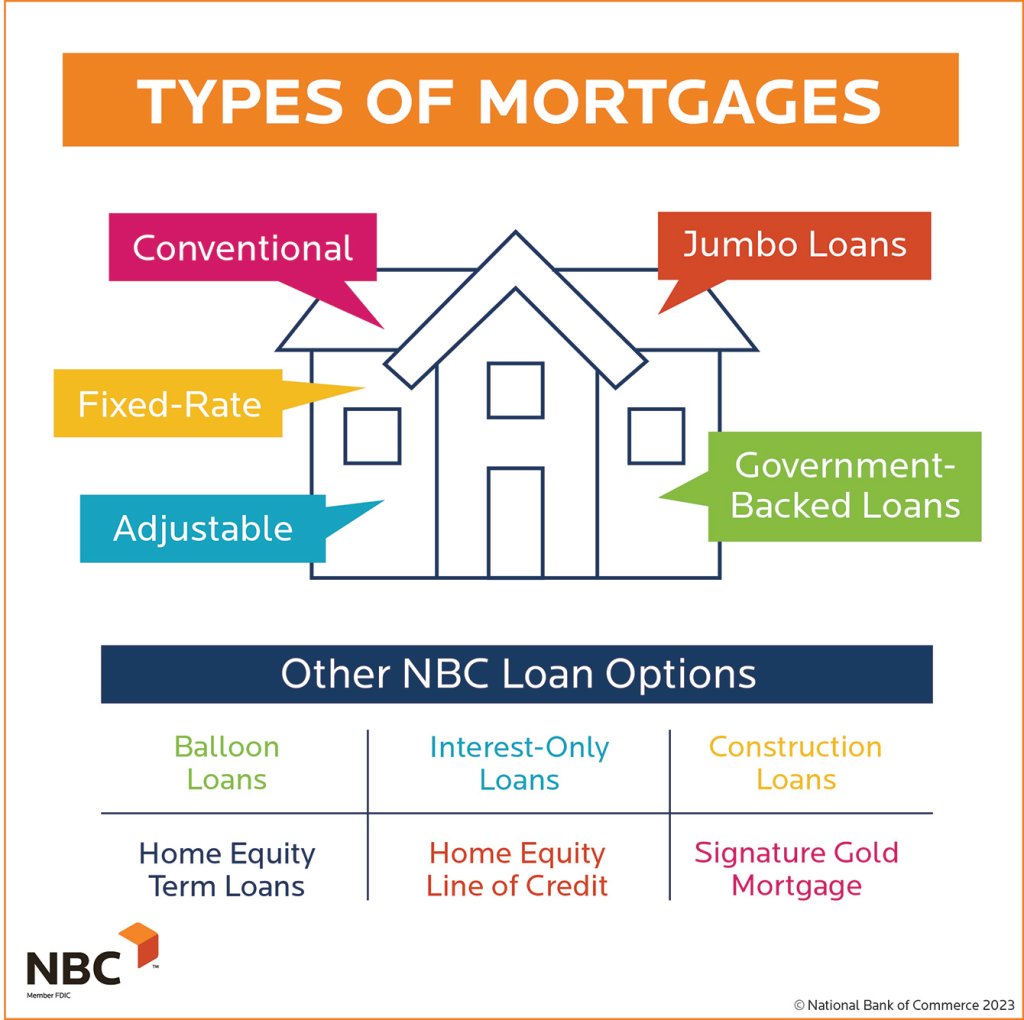
Conventional loans are the most common and are not insured by the federal government. They typically require higher credit scores but offer more flexibility once you reach 20% equity. Conversely, government-backed loans provide pathways for those with lower credit or smaller down payments.
-
FHA Loans: Insured by the Federal Housing Administration, these allow for a 3.5% down payment and are accessible to those with lower credit scores.
-
VA Loans: Available to veterans and active-duty service members, these often require no down payment and have no monthly mortgage insurance requirements.
-
USDA Loans: Designed for rural and suburban homebuyers who meet certain income requirements, offering 100% financing.
Fixed-Rate vs. Adjustable-Rate Mortgages (ARMs)
A fixed-rate mortgage offers stability; your interest rate remains identical for the duration of the loan (usually 15 or 30 years). This is the preferred choice for those seeking long-term predictability. An Adjustable-Rate Mortgage (ARM) usually starts with a lower “teaser” rate for a set period (such as 5 or 7 years) before adjusting annually based on market indices. ARMs can be a strategic financial tool for individuals who plan to sell the property or refinance before the initial rate period expires, but they carry the risk of significantly higher payments in a rising-rate environment.
Selecting the Loan Term
The choice between a 15-year and a 30-year term is a classic debate in personal finance. A 30-year mortgage offers lower monthly payments, providing greater cash flow flexibility. However, a 15-year mortgage typically carries a lower interest rate and results in massive interest savings over the life of the loan. For those focused on long-term wealth building and early debt elimination, the 15-year term is superior, provided the higher monthly payment fits comfortably within a conservative budget.
The Mortgage Application and Underwriting Process
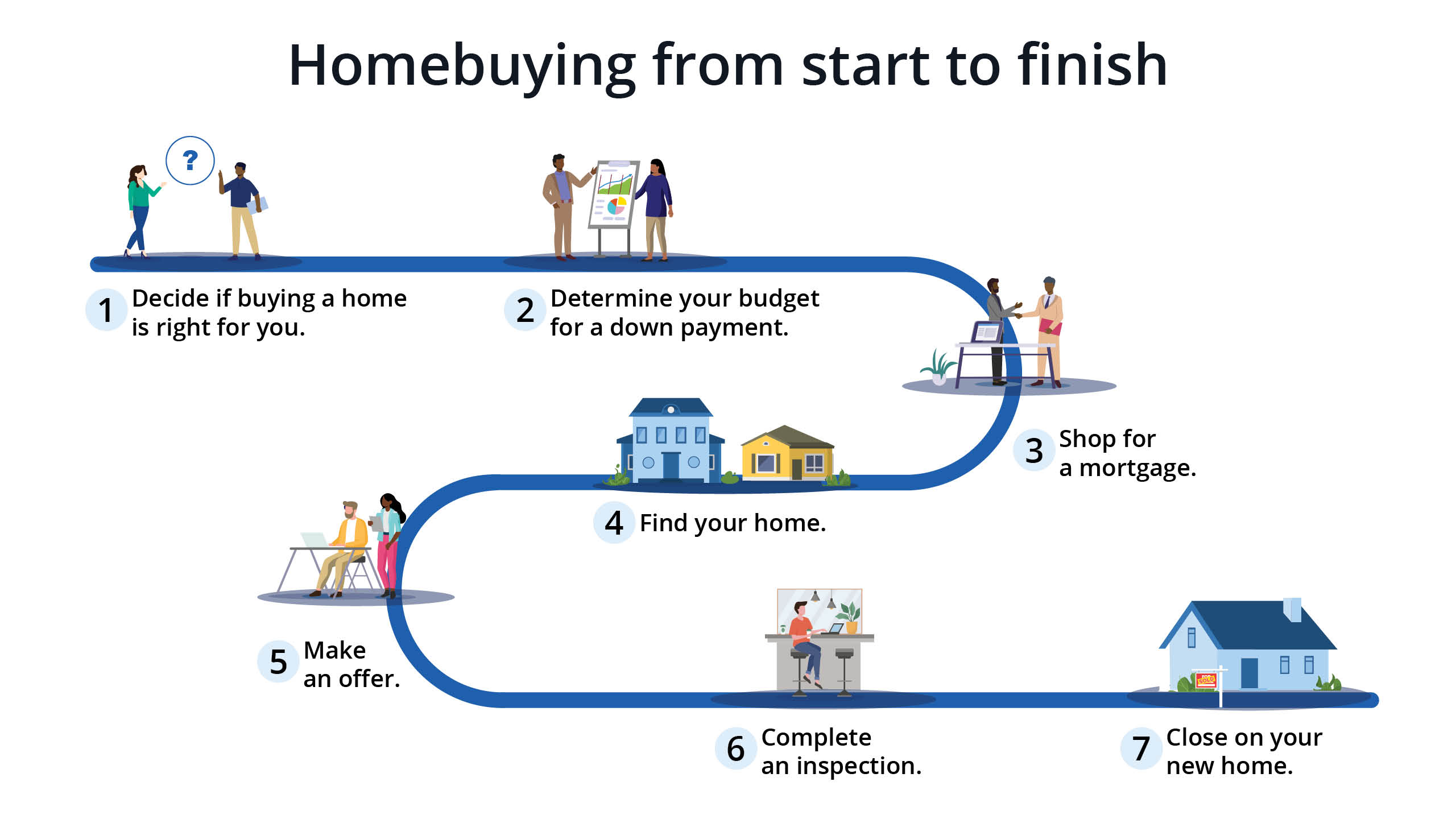
Once your finances are in order and you have selected a loan type, the formal process of securing the mortgage begins. This stage is documentation-heavy and requires transparency and prompt communication with your lending officer.
The Importance of Pre-Approval
A pre-approval is a conditional commitment from a lender to grant you a loan up to a specific amount. Unlike a “pre-qualification,” which is a superficial estimate, a pre-approval involves a hard credit pull and a preliminary review of your financial documents. In a competitive real estate market, a pre-approval letter is essential; it signals to sellers that you are a serious buyer with the financial backing to close the deal.
Gathering the Paperwork Trail
The mortgage industry is highly regulated, and lenders require extensive proof of your financial claims. You should have an organized digital folder containing:
-
The last two years of W-2 forms and federal tax returns.
-
The last 30 to 60 days of pay stubs.
-
Two months of bank statements for all checking, savings, and investment accounts.
-
Documentation for any “gift funds” used for the down payment.
-
A list of all debts and asset accounts.
Navigating the Underwriting Phase
After you have an accepted offer on a home, the loan moves into underwriting. This is where the lender’s “gatekeepers” verify every detail of your application. During this time, the lender will order an appraisal to ensure the home’s value matches the purchase price. It is critical during this phase to avoid any major financial changes. Do not open new credit cards, do not buy a new car, and do not move large sums of money between accounts without a clear paper trail. Any shift in your credit profile or debt load can trigger a re-evaluation and potentially lead to a loan denial at the eleventh hour.
Closing the Deal and Long-Term Management
The final stage of the mortgage process is the closing, where ownership is officially transferred. However, the financial responsibility of a mortgage extends far beyond the signing ceremony.
The Closing Disclosure and Final Steps
Three days before closing, you will receive a Closing Disclosure (CD). This document outlines the final terms of your loan, including the exact interest rate, monthly payment, and the “cash to close” amount. Compare this carefully with the Loan Estimate you received at the beginning of the process. On closing day, you will sign a mountain of paperwork, including the Promissory Note (your legal promise to repay the loan) and the Deed of Trust (which gives the lender a claim to the property if you default).
The Role of Escrow
Most modern mortgages include an escrow account. This is a financial arrangement where the lender collects a portion of your property taxes and homeowner’s insurance each month as part of your total mortgage payment. The lender then pays these bills on your behalf when they come due. This ensures that these critical obligations are met, protecting both your investment and the lender’s collateral.
Strategies for Long-Term Wealth Building
A mortgage should not be viewed as a static debt but as a tool for building equity. Once the loan is established, consider financial strategies to reduce the interest burden. Making one extra principal payment per year can shave years off a 30-year mortgage and save tens of thousands in interest. Additionally, stay vigilant regarding market conditions. If interest rates drop significantly, or if your home value increases enough to eliminate the need for PMI, refinancing can be a powerful move to improve your monthly cash flow or accelerate your path to total homeownership.
By approaching the mortgage process with a sophisticated understanding of credit, loan products, and the underwriting cycle, you transform a daunting task into a manageable financial strategy. Homeownership is a marathon, and the mortgage is the engine that sustains the journey. Proper preparation ensures that this engine runs efficiently, ultimately contributing to your overall financial independence and long-term net worth.
aViewFromTheCave is a participant in the Amazon Services LLC Associates Program, an affiliate advertising program designed to provide a means for sites to earn advertising fees by advertising and linking to Amazon.com. Amazon, the Amazon logo, AmazonSupply, and the AmazonSupply logo are trademarks of Amazon.com, Inc. or its affiliates. As an Amazon Associate we earn affiliate commissions from qualifying purchases.