
Determining how much you will be approved for when applying for a home loan is perhaps the most critical step in the home-buying journey. It transforms a vague dream of homeownership into a concrete financial strategy. However, the number a lender provides is not a random figure; it is the result of a complex calculation involving your income, existing debts, credit history, and the current economic climate. Understanding these variables allows you to not only predict your borrowing power but also to optimize your financial profile before the application reaches an underwriter’s desk.

The mortgage approval process is designed to mitigate risk for the lender. To do this, financial institutions look at a borrower’s “ability to repay.” This assessment is grounded in several key metrics that determine the ceiling of your potential mortgage.
Understanding the Core Mathematical Framework of Mortgage Approvals
The primary tool lenders use to determine your loan amount is the Debt-to-Income (DTI) ratio. This metric compares your gross monthly income against your monthly debt obligations. Lenders use two specific types of DTI ratios to assess your limits.
The Front-End Ratio
The front-end ratio, or the housing ratio, calculates what percentage of your gross monthly income would go toward your future housing expenses. These expenses include the principal and interest of the mortgage, property taxes, homeowners insurance, and, if applicable, homeowners association (HOA) fees and private mortgage insurance (PMI). Traditionally, lenders prefer a front-end ratio of 28% or lower. For example, if you earn $10,000 gross per month, a lender might prefer your total housing payment to stay around $2,800.
The Back-End Ratio
The back-end ratio is arguably more important in the modern lending landscape. It includes your future housing payment plus all other recurring monthly debts, such as car payments, student loans, credit card minimums, and personal loans. Most conventional lenders look for a back-end ratio of 36% to 43%, though some government-backed programs, like FHA loans, may allow for a ratio as high as 50% or even 57% in specific scenarios with compensating factors.
To calculate your maximum approval amount based on DTI, a lender will take your gross monthly income, multiply it by their maximum allowable back-end ratio (e.g., 43%), and then subtract your current monthly debt payments. The remaining balance is the maximum monthly mortgage payment you can afford in their eyes. This monthly payment is then back-calculated into a total loan amount based on current interest rates.
Gross vs. Net Income
It is vital to remember that lenders base their calculations on gross income—your earnings before taxes and other deductions. This can sometimes lead to a “pre-approval” amount that feels higher than what you can comfortably afford in reality. While the lender sees your gross $8,000 monthly salary, your take-home pay might only be $6,000. It is essential to balance the lender’s math with your actual lifestyle budget.
The Influence of Credit Health and Financial History
While your income sets the ceiling for your loan amount, your credit profile determines the “cost” of that money. Your credit score is the single most influential factor in determining the interest rate you are offered, which directly impacts the total loan amount you can afford.
Credit Scores and Tiered Interest Rates
Mortgage pricing is tiered. A borrower with a 760 FICO score will receive a significantly lower interest rate than a borrower with a 640 score. Because the monthly payment is the limiting factor in DTI calculations, a higher interest rate means more of your monthly payment goes toward interest rather than principal. Consequently, a lower credit score often leads to a lower total loan approval amount because the interest “eats up” the debt-to-income room that could have otherwise supported a larger loan.
Employment History and Income Stability
Lenders are not just looking at how much you make today; they are assessing how likely you are to continue making that amount for the next 30 years. Standard guidelines typically require at least two years of consistent employment in the same field or industry.
For W-2 employees, this is straightforward. However, for self-employed individuals, 1099 contractors, or those with fluctuating commission-based income, the calculation is more rigorous. Lenders will usually average the last two years of net income from tax returns. If your income has trended downward, they may use the lower, more recent figure. This can significantly impact the approval amount for entrepreneurs compared to salaried employees with the same annual earnings.

Public Records and Recent Credit Events
Bankruptcies, foreclosures, or recent late payments can serve as red flags. Even if your DTI is perfect, a recent major credit event might result in a “hard cap” on the amount you can borrow or require a much higher down payment, effectively lowering your purchasing power.
Assets, Down Payments, and the Loan-to-Value Equation
Your loan approval is also dictated by the Loan-to-Value (LTV) ratio. This is the relationship between the loan amount and the appraised value of the property.
The Power of the Down Payment
The down payment is your skin in the game. From a lender’s perspective, the more money you put down, the lower the risk. While many people believe a 20% down payment is required, many programs allow for as little as 3% (Conventional) or 3.5% (FHA). VA loans and USDA loans even offer 0% down options for qualified borrowers.
However, the size of your down payment affects your approval in two ways. First, it directly reduces the amount you need to borrow. If you are approved for a $400,000 loan and you have $100,000 in cash, you can buy a $500,000 home. Second, if you put down less than 20%, you will likely have to pay Private Mortgage Insurance (PMI). This monthly fee is added to your DTI calculation, which slightly reduces the total loan amount you qualify for.
Closing Costs and Cash Reserves
When lenders evaluate how much to approve you for, they also look at your “liquidity” or cash reserves. You must have enough money to cover closing costs, which typically range from 2% to 5% of the home’s purchase price. Lenders may also require “reserves”—extra cash left in your account after the home purchase, often equal to two or three months of mortgage payments. If you spend every last penny on the down payment, the lender may reduce your loan approval to ensure you aren’t “cash-poor” the moment you move in.
External Economic Factors: Interest Rates and Loan Types
You could have the exact same financial profile in two different years and be approved for vastly different amounts. This is due to the impact of market interest rates and the specific loan products available.
How Market Rates Dictate Your Ceiling
Interest rates have an inverse relationship with borrowing power. When interest rates rise, the cost of borrowing increases, which pushes up the monthly payment for every dollar borrowed. A 1% increase in interest rates can reduce a borrower’s purchasing power by approximately 10%. For example, if you qualify for a $3,000 monthly payment, that might support a $500,000 loan at a 4% interest rate, but only a $440,000 loan at a 6% rate. Staying informed about Federal Reserve movements and market trends is essential for timing your application.
Comparing Loan Products
Different loan types have different “risk appetites,” which affects how much they will let you borrow.
-
Conventional Loans: These often have stricter DTI requirements but lower long-term costs for those with high credit scores.
-
FHA Loans: These are more lenient with DTI ratios and credit scores, making them a popular choice for those looking to maximize their approval amount despite having some debt or a lower score.
-
Jumbo Loans: For luxury properties exceeding conforming loan limits, these require much higher credit scores and significant cash reserves, often with more conservative DTI limits.
Strategic Steps to Maximize Your Loan Approval Amount
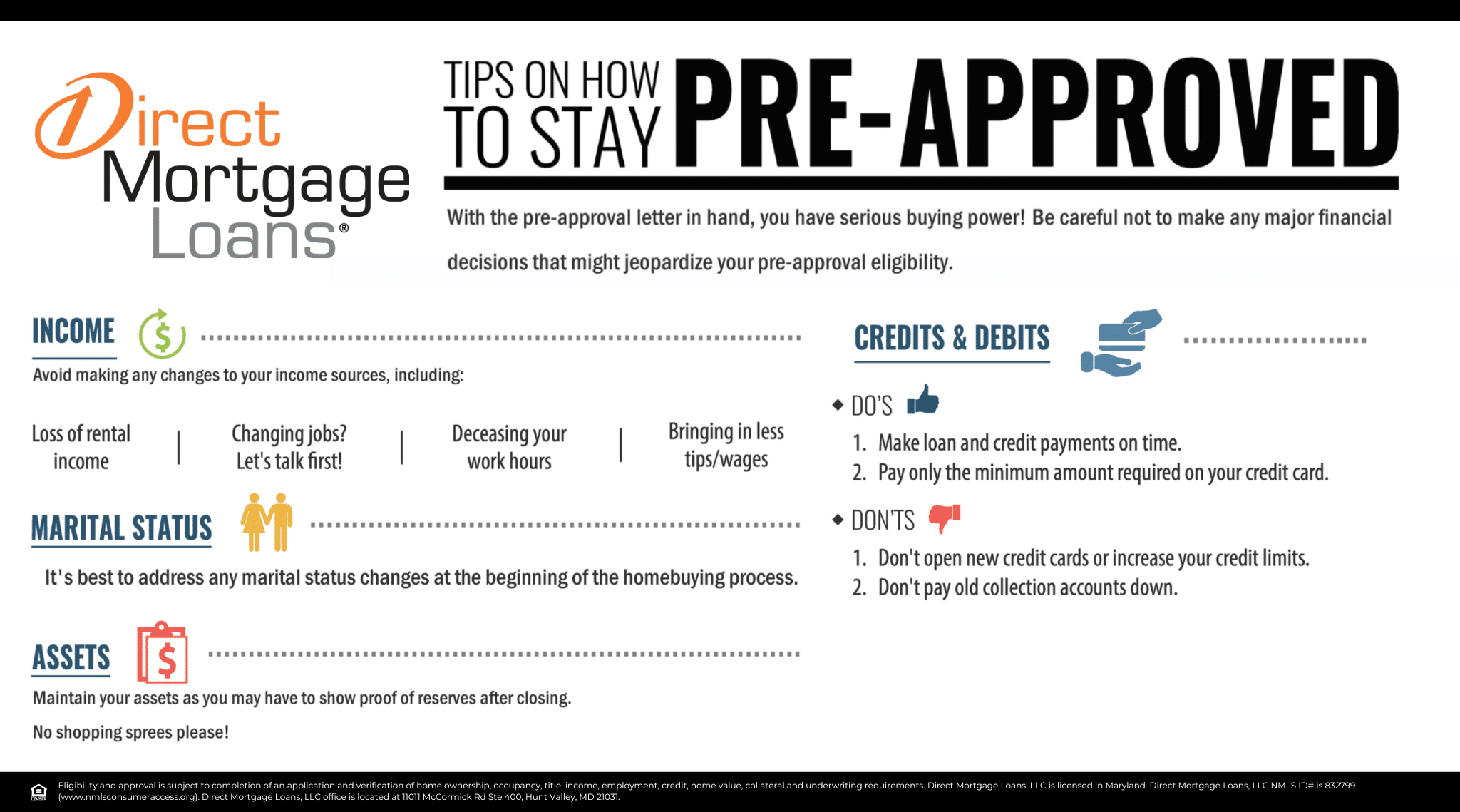
If your initial calculations suggest you won’t be approved for the amount you need, there are several strategic moves you can make to improve your standing.
-
Reduce Revolving Debt: Paying down credit card balances is the fastest way to lower your DTI. Since lenders look at the minimum monthly payment, eliminating a $200-a-month credit card bill can increase your borrowing power by tens of thousands of dollars.
-
Avoid New Credit Inquiries: Do not finance a new car or open new credit cards in the six to twelve months leading up to a mortgage application. New debt increases your DTI and can temporarily lower your credit score.
-
Correct Credit Report Errors: Obtain your credit report early and dispute any inaccuracies. A 20-point boost in your score can move you into a different pricing tier, lowering your interest rate and increasing your loan ceiling.
-
Increase the Down Payment: If possible, look for ways to increase your cash on hand. This could involve aggressive saving, a gift from a family member (which must be documented), or the sale of an asset.
-
Consider a Co-Borrower: Adding a spouse or a co-signer with a strong income and low debt can dramatically increase the total approval amount. However, remember that lenders usually use the lower of the two credit scores when determining the interest rate.
Ultimately, the amount you are approved for is a reflection of your current financial health as viewed through the lens of institutional risk. By understanding the mechanics of DTI, credit tiers, and LTV ratios, you can take control of the process. While the lender tells you what you can borrow, it is always wise to compare that figure against your personal financial goals to ensure that your new home is a source of stability rather than stress.
aViewFromTheCave is a participant in the Amazon Services LLC Associates Program, an affiliate advertising program designed to provide a means for sites to earn advertising fees by advertising and linking to Amazon.com. Amazon, the Amazon logo, AmazonSupply, and the AmazonSupply logo are trademarks of Amazon.com, Inc. or its affiliates. As an Amazon Associate we earn affiliate commissions from qualifying purchases.