
Determining how much to mortgage is perhaps the most significant financial decision an individual will make in their lifetime. It is a complex calculation that balances current income, future earnings potential, lifestyle choices, and long-term wealth-building goals. While a bank might approve a borrower for a specific loan amount, that figure often represents the absolute ceiling of what they can afford according to a mathematical formula—not necessarily what they should borrow to maintain a high quality of life. Achieving the right balance requires a deep dive into personal finance metrics, an understanding of market dynamics, and a realistic assessment of one’s financial future.

The Lender’s Perspective: Understanding Borrowing Power
Before a borrower can decide how much they should mortgage, they must understand how much they can mortgage from the perspective of a financial institution. Lenders use a standardized set of metrics to evaluate risk, primarily focusing on the ability to repay the debt over a 15-to-30-year period.
The Debt-to-Income (DTI) Ratio
The primary tool used by lenders is the Debt-to-Income (DTI) ratio. This is expressed as a percentage of your gross monthly income that goes toward paying debts. Lenders typically look at two types of DTI:
-
Front-End Ratio: This is the percentage of gross income that goes toward housing costs alone, including principal, interest, taxes, and insurance (PITI). Most lenders prefer this to be at or below 28%.
-
Back-End Ratio: This includes all monthly debt obligations, such as student loans, car payments, and credit card debt, in addition to the mortgage. A standard benchmark for the back-end ratio is 36%, though some programs, such as FHA loans, allow for higher ratios up to 43% or even 50% in specific circumstances.
Understanding these ratios is critical because they provide a baseline. However, relying solely on DTI can be dangerous. Gross income does not account for taxes, healthcare premiums, or retirement contributions. A borrower with a 43% DTI might find themselves “house rich and cash poor,” struggling to cover basic living expenses because their take-home pay is significantly lower than their gross income suggests.
The Influence of Credit Scores on Interest Rates
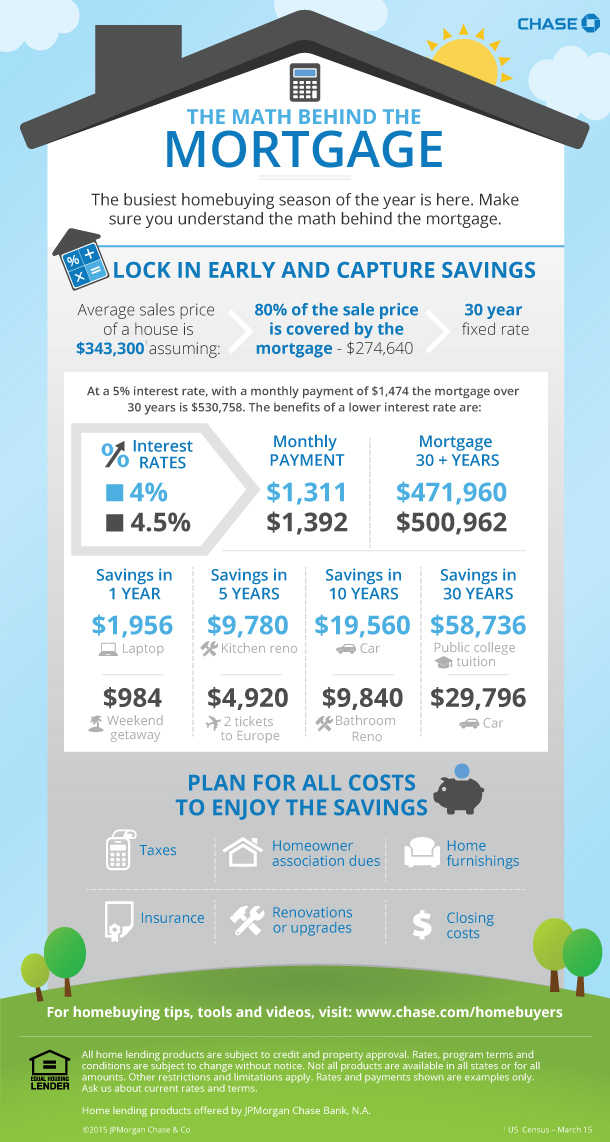
Your credit score is the single most influential factor in determining the “cost” of your mortgage. A higher credit score translates to a lower interest rate, which significantly increases your purchasing power. For example, on a $400,000 mortgage, the difference between a 6.5% interest rate and a 7.5% interest rate can result in hundreds of dollars in additional monthly payments and over $100,000 in extra interest over the life of the loan. Therefore, optimizing one’s credit profile before applying for a mortgage is a strategic financial move that directly impacts how much one can afford to borrow.
Loan-to-Value (LTV) and Private Mortgage Insurance
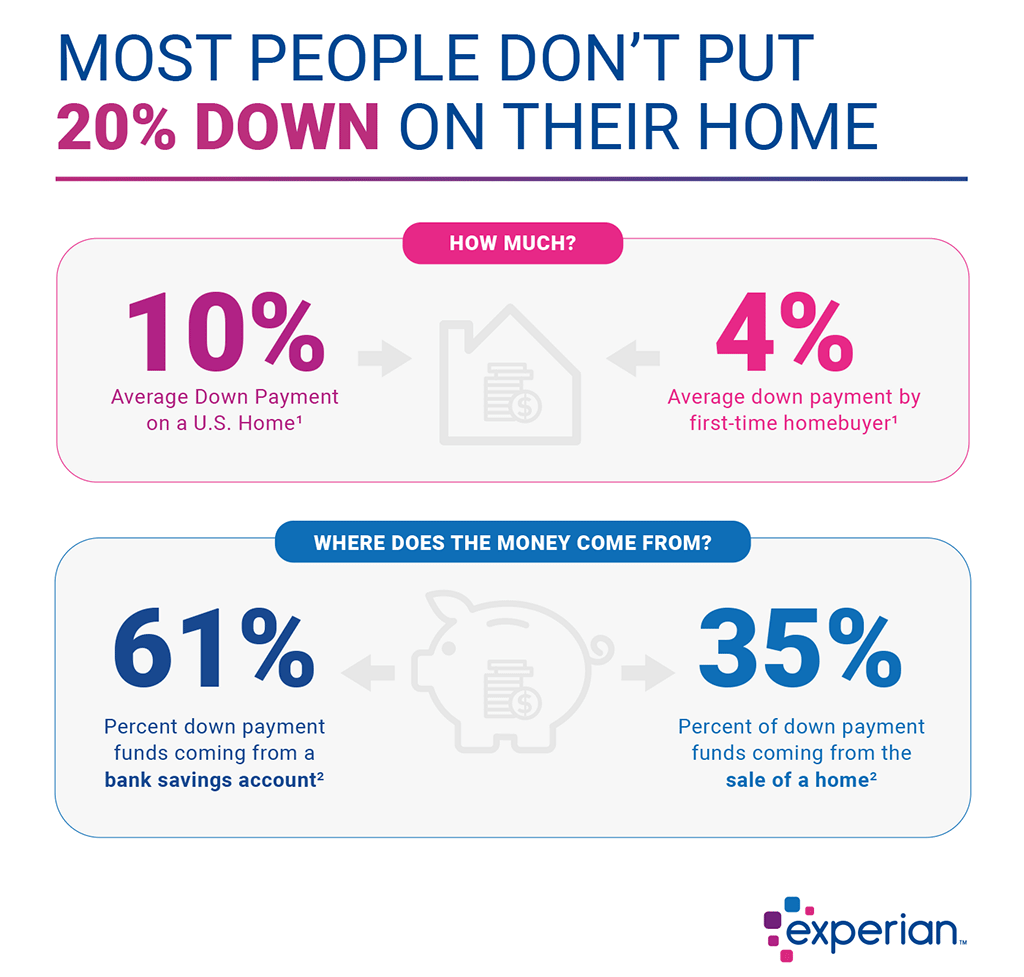
The Loan-to-Value (LTV) ratio compares the amount of the mortgage to the appraised value of the property. If a borrower puts down less than 20%, the LTV is higher than 80%, which usually triggers the requirement for Private Mortgage Insurance (PMI). PMI protects the lender, not the borrower, and adds an extra monthly cost that does not go toward the principal balance. When deciding how much to mortgage, borrowers must factor in whether they can afford the extra cost of PMI or if they should wait to accumulate a larger down payment to lower the LTV.
Analyzing the Total Cost of Ownership
One of the most common mistakes in personal finance is equating a mortgage payment with the total cost of owning a home. In reality, the principal and interest are only part of the equation. To determine an appropriate mortgage amount, one must account for the “hidden” costs that come with property ownership.
Property Taxes and Homeowners Insurance
Property taxes can vary wildly by state and municipality, sometimes adding thousands of dollars to an annual housing budget. Similarly, homeowners insurance is a mandatory requirement for any mortgaged property. In areas prone to natural disasters, such as flood zones or wildfire regions, insurance premiums can escalate quickly. These costs are often bundled into an escrow account and paid as part of the monthly mortgage check, meaning they directly impact the maximum loan amount a borrower can realistically sustain.
Maintenance and the “1% Rule”
Unlike renting, where a landlord handles repairs, homeowners are responsible for every leak, break, and system failure. A common rule of thumb in personal finance is to set aside 1% to 2% of the home’s purchase price annually for maintenance and repairs. On a $500,000 home, that equates to $5,000 to $10,000 per year. If a mortgage payment is pushed to the absolute limit of a borrower’s budget, there may be no room left for these essential upkeep costs, leading to property devaluations or high-interest consumer debt to cover emergencies.
Homeowners Association (HOA) Fees
Many modern residential developments and condominiums require monthly or annual HOA fees. These fees cover communal amenities and maintenance but can be quite substantial. Lenders include HOA fees in the DTI calculation, so a high monthly fee will directly reduce the amount of money you can put toward the mortgage principal.
Strategic Down Payments and Loan Selection
The amount of debt you take on is inextricably linked to your down payment strategy and the type of loan you choose. These decisions should be made based on your overall investment strategy and liquidity needs.
The 20% Benchmark vs. Low Down Payment Options
While the 20% down payment is the traditional gold standard, it is not always the most efficient use of capital. In a low-interest-rate environment, a borrower might choose to put down only 3% or 5% and invest the remaining cash in the stock market, where historical returns may exceed the mortgage interest rate. However, in a high-interest-rate environment, putting more money down is often the best “guaranteed return” available, as it reduces the total interest paid over decades.
15-Year vs. 30-Year Fixed Mortgages
The choice between a 15-year and a 30-year mortgage significantly changes the “how much” calculation. A 15-year mortgage typically offers a lower interest rate but requires much higher monthly payments. While this builds equity faster and saves a fortune in interest, it limits the total amount you can borrow. Conversely, a 30-year mortgage offers lower monthly payments and more flexibility, but the long-term interest cost is substantially higher. A savvy financial strategy often involves taking a 30-year mortgage for the payment flexibility but making extra principal payments when cash flow allows.
The Role of Adjustable-Rate Mortgages (ARMs)
ARMs offer lower initial interest rates for a set period (usually 5, 7, or 10 years) before adjusting based on market conditions. For buyers who plan to sell or refinance within that initial window, an ARM can be a powerful tool to increase purchasing power. However, they carry the risk of significantly higher payments in the future, making them a more speculative choice that requires a clear exit strategy.
Future-Proofing Your Mortgage Decision
A mortgage is a long-term commitment that must survive various economic cycles and life stages. “How much to mortgage” is not just about what you can afford today, but what you can afford five or ten years from now.
The “House Rich, Cash Poor” Trap
Being house rich and cash poor occurs when a huge percentage of your income is tied up in your home, leaving little for retirement savings, education funds, or leisure. To avoid this, financial experts often recommend the “25% rule,” where the total housing payment does not exceed 25% of take-home pay. This conservative approach ensures that even if income fluctuates or unexpected expenses arise, the home remains a source of stability rather than a source of stress.
Building an Emergency Fund Buffer
Before taking on a mortgage, it is essential to have an emergency fund that covers 3 to 6 months of living expenses—including the new mortgage payment. A mortgage is a rigid obligation; unlike discretionary spending, it cannot be easily reduced during a job loss or medical emergency. Factoring the cost of maintaining this safety net into your mortgage decision is vital for long-term financial health.
Opportunity Cost and Long-Term Wealth
Finally, one must consider the opportunity cost of a large mortgage. Every dollar sent to the bank in interest is a dollar that isn’t being invested in a diversified portfolio or a small business. While real estate is a proven path to wealth, it is also an illiquid asset. Diversification is key. Borrowing an amount that allows for continued contributions to tax-advantaged accounts like a 401(k) or an IRA is often a better wealth-building strategy than maxing out a mortgage to buy a larger home.
In conclusion, the answer to “how much to mortgage” is a personalized figure that sits at the intersection of bank requirements and personal financial boundaries. By looking beyond the lender’s approval letter and focusing on total cost of ownership, down payment strategy, and future financial goals, borrowers can secure a home that serves as an asset to their lifestyle rather than a burden to their bank account. Professional financial planning involves not just getting the keys to the house, but ensuring you have the financial freedom to enjoy it for years to come.
aViewFromTheCave is a participant in the Amazon Services LLC Associates Program, an affiliate advertising program designed to provide a means for sites to earn advertising fees by advertising and linking to Amazon.com. Amazon, the Amazon logo, AmazonSupply, and the AmazonSupply logo are trademarks of Amazon.com, Inc. or its affiliates. As an Amazon Associate we earn affiliate commissions from qualifying purchases.