
In the ever-evolving landscape of digital media, understanding the various file formats that power our online experiences is crucial. From the music we stream to the podcasts we listen to, audio files are ubiquitous. While common formats like MP3 and WAV are household names, less familiar extensions can spark curiosity. One such format is OGG. So, what exactly is an OGG file, and why might you encounter it in your digital journey?
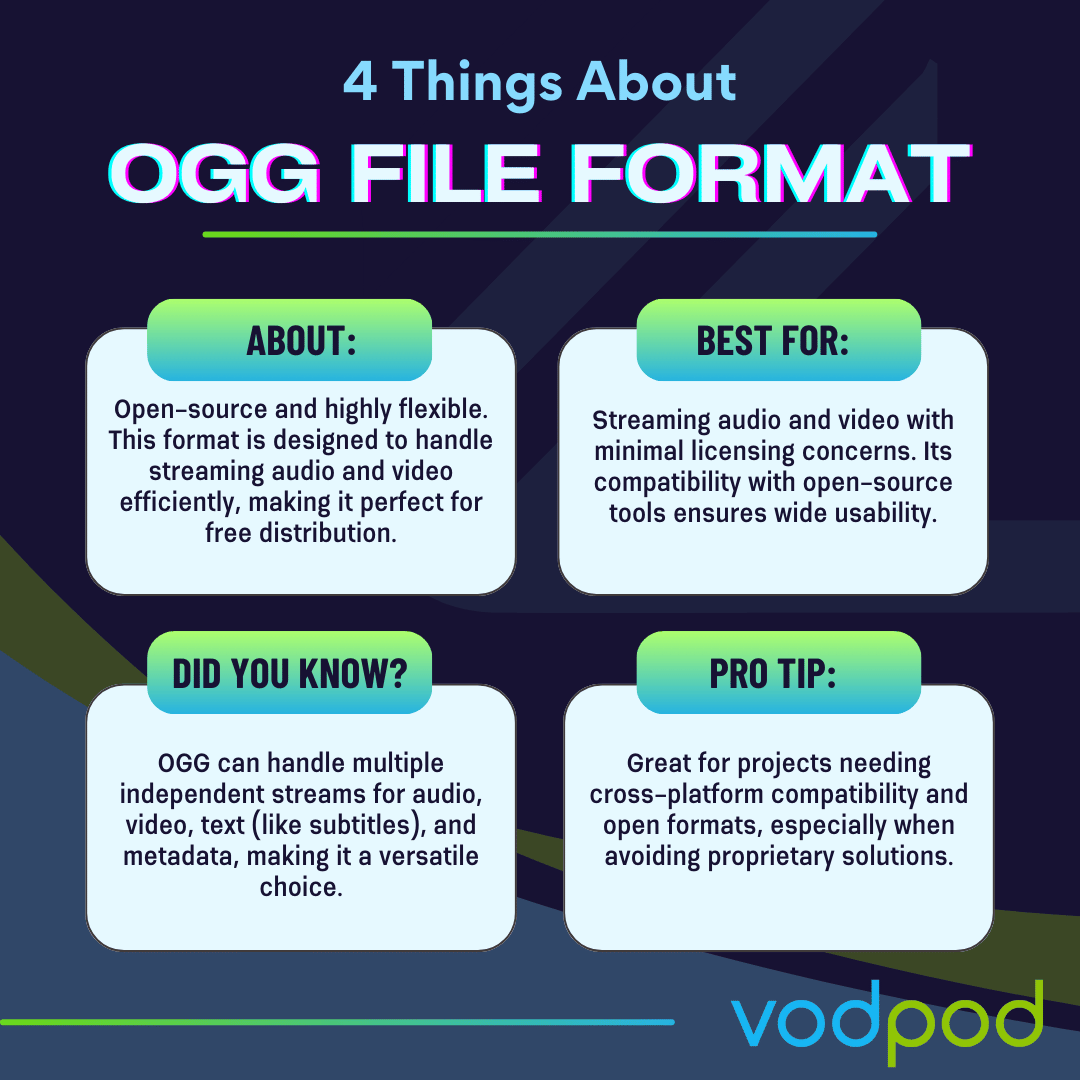
The OGG format, more accurately referred to as Ogg Vorbis, is an open-source, patent-free audio compression format. Unlike proprietary formats that often come with licensing fees and restrictions, OGG Vorbis was developed by the Xiph.Org Foundation with the goal of providing a free and open alternative for high-quality audio compression. This commitment to openness has made it a popular choice for a wide range of applications, from video games to streaming services.

To truly grasp the significance of OGG, we need to delve into its origins, its technical underpinnings, and its place within the broader tech ecosystem. This exploration will illuminate why OGG remains a relevant and valuable format in today’s digital world, touching upon its implications for technology, brand perception, and even the financial aspects of digital content creation and distribution.
Understanding the OGG Vorbis Ecosystem
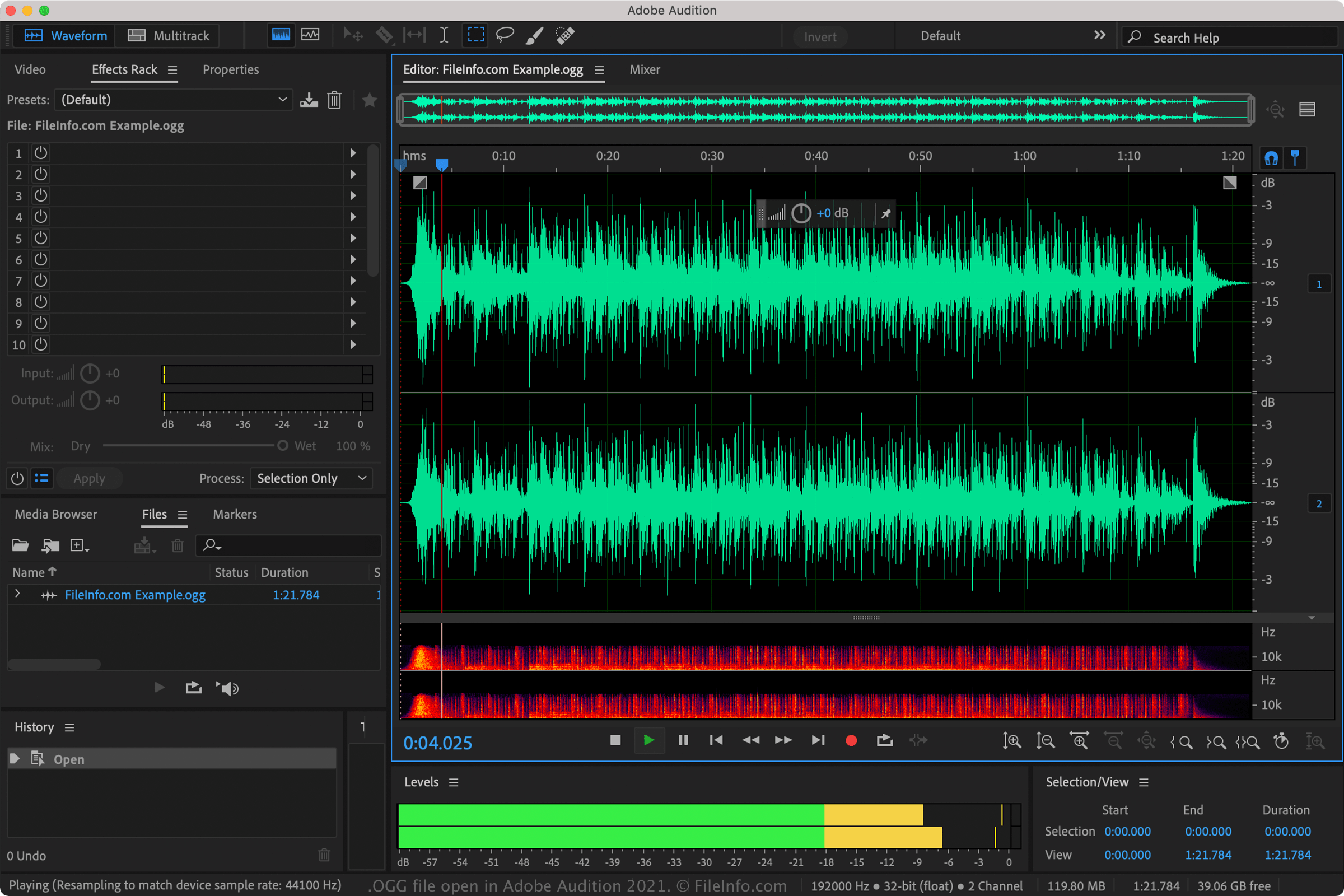
The term “OGG” itself can sometimes be a point of confusion. While many refer to the audio files themselves as “OGG files,” technically, OGG is a container format. This means it’s like a digital box that can hold various types of data, including audio, video, and metadata. The most common and widely used audio codec (compression/decompression algorithm) within the OGG container is Vorbis. Therefore, when people talk about OGG audio, they are almost always referring to audio encoded with the Vorbis codec and contained within an OGG file.
The Genesis of Open Audio
The development of OGG Vorbis was a direct response to the dominance of proprietary audio formats like MP3. In the late 1990s and early 2000s, the MP3 format, while revolutionary, was subject to patent restrictions and licensing fees. This created barriers for developers and content creators who wanted to utilize a high-quality, efficient audio format without incurring additional costs.
The Xiph.Org Foundation envisioned a future where digital media, including audio, would be freely accessible and modifiable. They set out to create a format that was not only open-source but also technically superior to existing alternatives. This led to the development of Vorbis, a lossy audio compression codec designed to achieve comparable or better compression efficiency than MP3 at similar bitrates, while also offering improved audio quality.
Key Advantages of OGG Vorbis:
- Open Source and Patent-Free: This is the cornerstone of OGG Vorbis’s appeal. Its open nature allows anyone to implement, use, and distribute it without licensing fees, fostering innovation and accessibility.
- High Compression Efficiency: Vorbis can achieve excellent compression ratios, meaning smaller file sizes, without a significant degradation in audio quality. This is crucial for efficient storage and transmission of audio data.
- Scalable Bitrates: OGG Vorbis supports a wide range of bitrates, from low bitrates suitable for streaming over limited bandwidth to high bitrates for near-lossless audio reproduction. This adaptability makes it suitable for diverse applications.
- Variable Bitrate (VBR) Support: Vorbis excels at VBR encoding, where the bitrate is adjusted dynamically based on the complexity of the audio signal. This optimizes file size by allocating more bits to complex passages and fewer to simpler ones, resulting in better overall quality for a given file size.
- Lossless Compression (FLAC): While Vorbis is a lossy codec (meaning some data is discarded during compression), the OGG container can also be used to store audio encoded with the FLAC (Free Lossless Audio Codec). FLAC provides perfect, bit-for-bit reproduction of the original audio, albeit with larger file sizes than lossy formats. This makes OGG a versatile container capable of handling both lossy and lossless audio.
The OGG Container: More Than Just Audio
As mentioned, OGG is a container format. This means it’s not limited to just audio data. The OGG container can hold:
- Audio Streams: This is its primary use case, with Vorbis and FLAC being the most common audio codecs.
- Video Streams: While less common than audio, OGG can technically contain video, often in conjunction with codecs like Theora for video. This led to the development of the Ogg Theora format, often used in conjunction with Vorbis for open video playback.
- Metadata: Information about the audio file, such as artist name, album title, track number, genre, and even embedded album art, can be stored within the OGG container. This metadata is crucial for organizing and managing music libraries.
The flexibility of the OGG container makes it a powerful tool for developers and content creators who need to package multimedia content efficiently and openly.
OGG in the Tech Landscape: Applications and Integration
The open-source nature and technical merits of OGG Vorbis have led to its adoption in a variety of technological applications. Its presence is particularly noticeable in areas where freedom from proprietary restrictions is paramount.
Gaming and Open Platforms
The video game industry has been a significant early adopter of OGG Vorbis. Game developers often face tight constraints on file sizes and memory usage, making efficient audio compression essential. The royalty-free nature of OGG Vorbis made it an attractive alternative to proprietary formats that would have required licensing fees for every copy of the game sold. Many popular open-source games and even some commercial titles have utilized OGG Vorbis for their soundtracks and sound effects.
This integration into gaming highlights the practical benefits of OGG in resource-constrained environments where every byte counts. Furthermore, its compatibility with various operating systems and hardware platforms makes it a reliable choice for cross-platform game development.
Streaming and Web Technologies
While MP3 and AAC (Advanced Audio Coding) have traditionally dominated music streaming services, OGG Vorbis has found its niche, particularly in open-source streaming solutions and platforms prioritizing open standards. Some web radio stations and independent music platforms have opted for OGG Vorbis to offer their content.
The ability of OGG Vorbis to support a wide range of bitrates makes it suitable for adaptive streaming, where the audio quality adjusts based on the user’s internet connection speed. This ensures a smoother listening experience for a broader audience.
Open Source Software and Hardware
The philosophy behind OGG Vorbis aligns perfectly with the open-source movement. Many open-source media players, audio editors, and operating systems have native support for OGG files. This seamless integration makes OGG a natural choice for users who prefer to work within an open and transparent ecosystem. Examples include:
- VLC Media Player: A ubiquitous and highly versatile media player known for its extensive format support, including OGG.
- Audacity: A popular free and open-source audio editor that can import, export, and edit OGG files.
- Xiph.Org Foundation’s own tools: The creators of OGG Vorbis provide various tools and libraries for encoding and decoding the format.
The widespread support in open-source software ensures that users can easily play, manipulate, and create OGG audio content without needing proprietary applications.
Brand and Financial Implications of OGG
While the technical aspects of OGG Vorbis are compelling, its open-source nature also carries significant implications for branding and financial considerations, particularly for businesses and content creators.
Building a Brand on Openness
For companies and individuals, adopting OGG Vorbis can be a deliberate branding choice. Aligning with open-source principles can resonate with a specific audience that values transparency, freedom, and community-driven development. This can foster a positive brand image and attract users who are critical of proprietary ecosystems.
- Differentiated Branding: In a market saturated with proprietary formats, choosing OGG can be a way to stand out and signal a commitment to open standards. This can be a powerful differentiator for brands aiming for a niche or ethically-minded consumer base.
- Community Engagement: By supporting and utilizing open-source formats like OGG, brands can foster a sense of community. This can lead to user contributions, feedback, and a loyal customer base that feels invested in the brand’s direction.
- Reduced Barriers to Entry: For startups or independent creators, using OGG can significantly lower the cost of producing and distributing audio content. This frees up resources that can be reinvested in content creation, marketing, or other crucial aspects of the business.
Financial Advantages and Cost Savings
The most direct financial benefit of OGG Vorbis stems from its patent-free status. This translates into substantial cost savings compared to using proprietary audio codecs.
- No Licensing Fees: Businesses and developers do not need to pay royalties or licensing fees to use OGG Vorbis for encoding or playback. This is a significant advantage, especially for large-scale distribution of audio content, such as in music streaming services or app development.
- Lower Development Costs: Developers can integrate OGG Vorbis into their software and hardware without the overhead of negotiating and paying for licenses. This simplifies the development process and reduces overall project costs.
- Focus on Value Creation: By eliminating licensing costs associated with audio codecs, businesses can allocate those funds towards creating higher quality content, improving user experience, or investing in innovative features. This allows for a greater focus on delivering core value to customers.
- Potential for Wider Reach: In regions or markets where the cost of proprietary software and content can be prohibitive, open formats like OGG can enable wider accessibility, potentially expanding a brand’s reach and market share.
While OGG Vorbis offers significant financial advantages, it’s important to note that the overall success of any digital product or service depends on a multitude of factors beyond the audio format used. However, by choosing OGG, businesses can remove one potential cost barrier and align their technological choices with a philosophy of openness and accessibility.
Conclusion: The Enduring Relevance of OGG
In an era where digital media continues to permeate every aspect of our lives, the importance of understanding various file formats cannot be overstated. The OGG format, particularly when referring to Ogg Vorbis audio, stands as a testament to the power of open-source innovation. Its journey from a response to proprietary limitations to a widely adopted, high-quality audio codec underscores its technical prowess and its philosophical commitment to accessibility.
From the intricate soundtracks of video games to the independent music streams on the web, OGG Vorbis offers a compelling blend of efficient compression, excellent audio quality, and crucially, freedom from restrictive licensing. Its versatility as a container format, capable of housing not just audio but also other media and metadata, further solidifies its utility.
For those in the tech industry, OGG represents an opportunity to build on a foundation of open standards, fostering innovation and reducing development overhead. For brands, it offers a path to differentiate themselves by aligning with principles of transparency and accessibility, potentially building stronger connections with a discerning audience. And for content creators, it presents a cost-effective solution that allows for greater focus on the art and craft of their creations.
As technology continues its relentless march forward, the principles of openness and accessibility championed by formats like OGG Vorbis will likely remain vital. Understanding what an OGG file is and the ecosystem it belongs to empowers us to make informed decisions about the digital content we consume, create, and distribute, ensuring a richer and more equitable digital future for all.
aViewFromTheCave is a participant in the Amazon Services LLC Associates Program, an affiliate advertising program designed to provide a means for sites to earn advertising fees by advertising and linking to Amazon.com. Amazon, the Amazon logo, AmazonSupply, and the AmazonSupply logo are trademarks of Amazon.com, Inc. or its affiliates. As an Amazon Associate we earn affiliate commissions from qualifying purchases.