
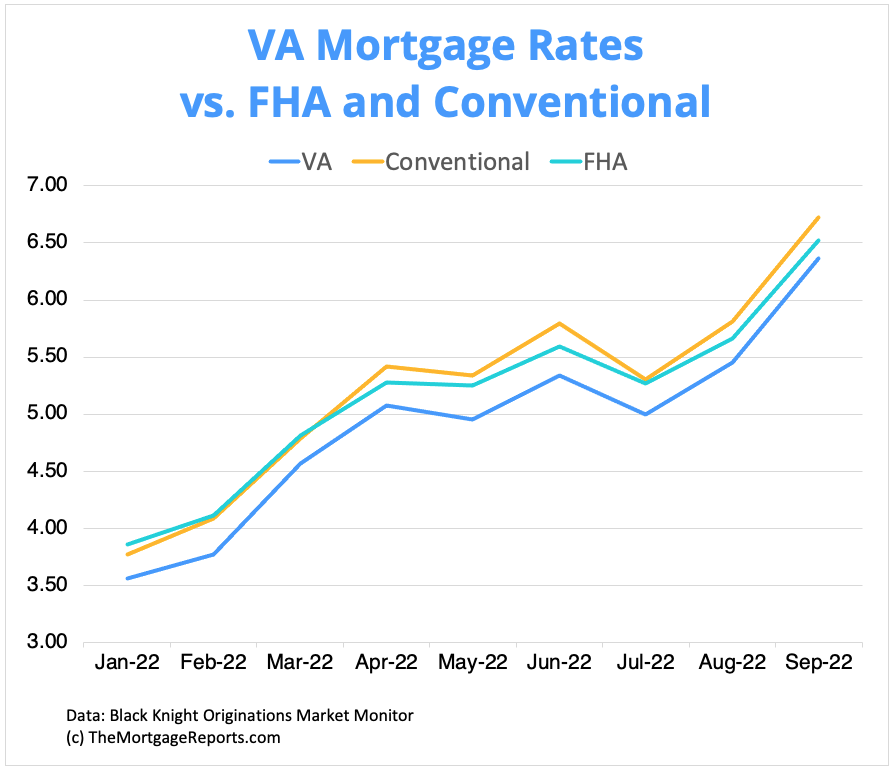
The search for the best VA loan rates is a critical journey for veterans, active-duty service members, and eligible surviving spouses. Because the Department of Veterans Affairs guarantees a portion of these loans, private lenders can offer highly competitive terms, often significantly lower than conventional mortgage rates. However, “the best rate” is rarely a static number found on a single website; it is a moving target influenced by the global economy, lender-specific overhead, and your unique financial profile.
Securing the lowest possible rate can save a homeowner tens of thousands of dollars over the life of a 30-year mortgage. To find the best deal, one must look beyond the advertised headlines and understand the mechanics of VA lending, the top-performing institutions in the current market, and the personal financial levers that move the needle on interest offers.
Top National Lenders for VA Home Loans
While hundreds of banks, credit unions, and online mortgage companies offer VA loans, a few consistently lead the pack in terms of competitive pricing, low fees, and specialized service for the military community.
Veterans United Home Loans
As the largest VA lender in the United States by volume, Veterans United specializes exclusively in this niche. Their scale allows them to offer competitive rates, but their true value lies in their comprehensive understanding of VA-specific appraisals and eligibility requirements. Because they handle so many VA transactions, they often have streamlined internal processes that can lead to faster closings and fewer administrative hurdles, which can indirectly save money by avoiding extension fees.
Navy Federal Credit Union
For those who qualify for membership, Navy Federal is frequently cited as having some of the lowest VA interest rates in the industry. As a member-owned credit union, their profit motives are different from those of traditional commercial banks. They often offer a “Best Rate Guarantee,” promising to match a competitor’s rate or give the borrower a credit. Furthermore, Navy Federal often provides flexibility for borrowers who might have slightly lower credit scores but a strong history with the institution.
Rocket Mortgage
Rocket Mortgage is a powerhouse in the digital lending space, known for its high-speed application process and transparent technology. While their base rates are competitive, their primary advantage is the ease with which a borrower can see “live” rate adjustments based on different down payment or point-purchase scenarios. For a tech-savvy veteran who wants to track rate fluctuations daily and lock in at the optimal moment, Rocket offers a superior user experience.
USAA
USAA is a staple in the military community. While they are often praised for insurance, their mortgage wing is a major player in the VA space. USAA’s rates are generally in line with national averages, but they often offer incentives for existing members. Their integration of banking and home buying services can provide a holistic financial view that some veterans find more valuable than a marginally lower rate elsewhere.
Understanding the Variable Factors of VA Rates
Finding the best rate requires acknowledging that lenders do not offer the same rate to every applicant. Several personal and economic factors dictate the final number on your Loan Estimate.
The Credit Score Impact
Even though the VA does not technically set a minimum credit score requirement, individual lenders (mortgage originators) do. These are called “lender overlays.” Generally, a borrower with a credit score of 740 or higher will receive the most aggressive (lowest) rates. If your score is 620, you may still qualify for a VA loan, but your interest rate could be 0.5% to 1.0% higher than someone in the top tier. Improving your credit score by even 20 points before applying can result in a significantly better offer.
Debt-to-Income Ratio (DTI)
The VA is unique because it is more flexible with DTI ratios than conventional or FHA loans, often allowing ratios up to 41% or even higher with compensating factors. However, lenders view a lower DTI as a sign of lower risk. If you are on the edge of a lender’s risk profile, they may “price in” that risk by offering a slightly higher interest rate. Reducing high-interest consumer debt before applying for a VA loan not only increases your borrowing power but can also help you land a better rate.
Loan Duration and Type
The 30-year fixed-rate mortgage is the standard for most veterans, but it is not the only option. If you have the financial capacity to handle a higher monthly payment, a 15-year fixed VA loan will almost always carry a lower interest rate—often by 0.5% to 0.75%. Additionally, there are Adjustable-Rate Mortgages (ARMs) that may offer a lower “teaser” rate for the first 3 or 5 years, though these carry the risk of rate increases in the future.
The Secondary Market and Ginnie Mae
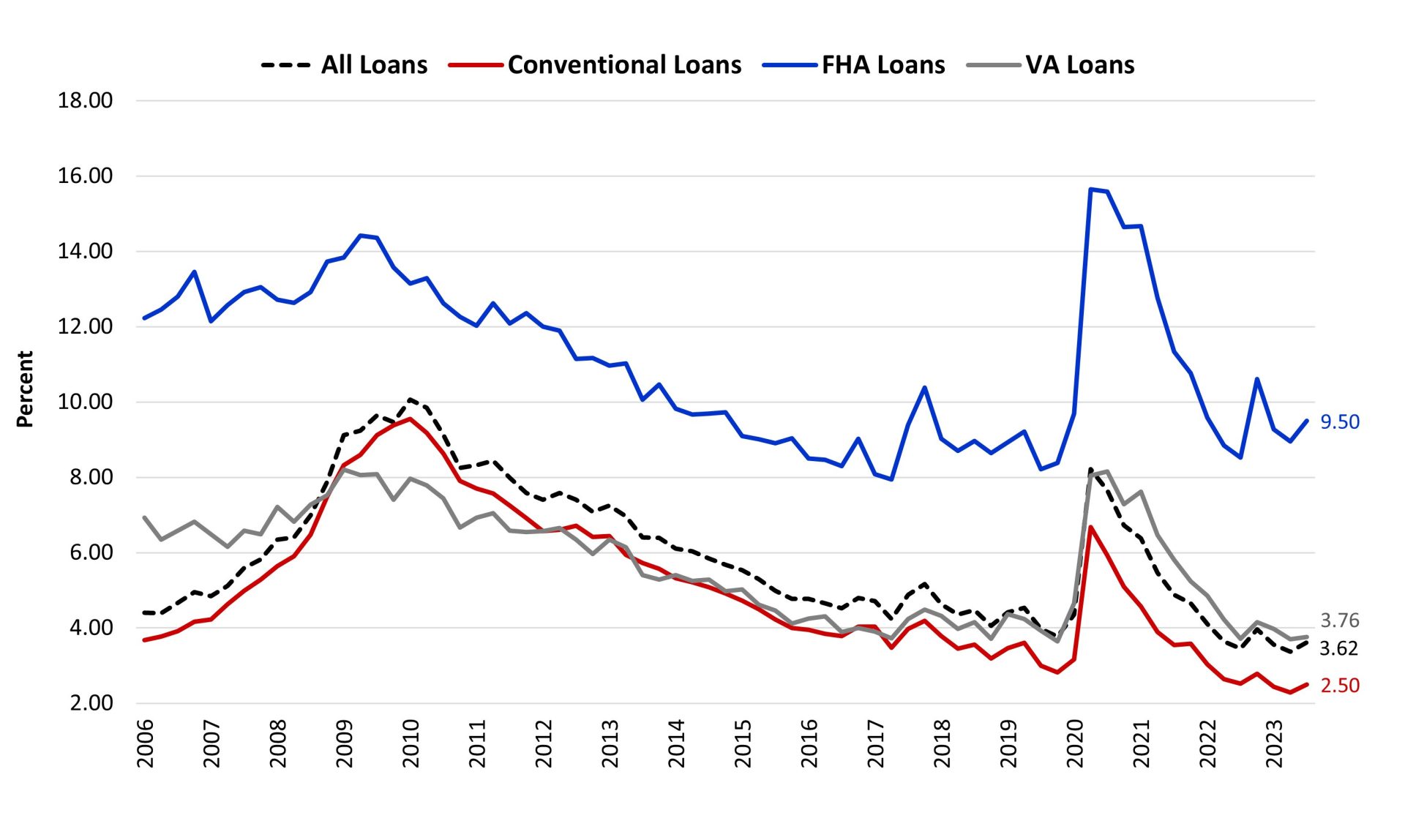
It is important to understand that VA loan rates are not set by the government. They are influenced by the trading of mortgage-backed securities (MBS). Specifically, VA loans are bundled into Ginnie Mae securities. When investors demand more of these “safe” government-backed bonds, rates tend to drop. When inflation rises or the economy heats up, rates generally climb. Keeping an eye on the 10-year Treasury yield is a good way to predict which direction VA rates are heading.
Hidden Costs and the “True” Rate
The “best” rate is not always the lowest number on the page. To truly compare lenders, you must look at the total cost of the loan, which includes fees and the VA Funding Fee.
Interest Rate vs. APR
The interest rate is the cost of borrowing the principal, while the Annual Percentage Rate (APR) reflects the interest rate plus the fees charged by the lender. When shopping for the best VA loan, always compare the APR. A lender might offer a “market-leading” 5.5% rate but charge $5,000 in origination fees. Another lender might offer 5.75% with zero fees. Over a five-year period, the 5.75% loan might actually be the cheaper option.
The VA Funding Fee
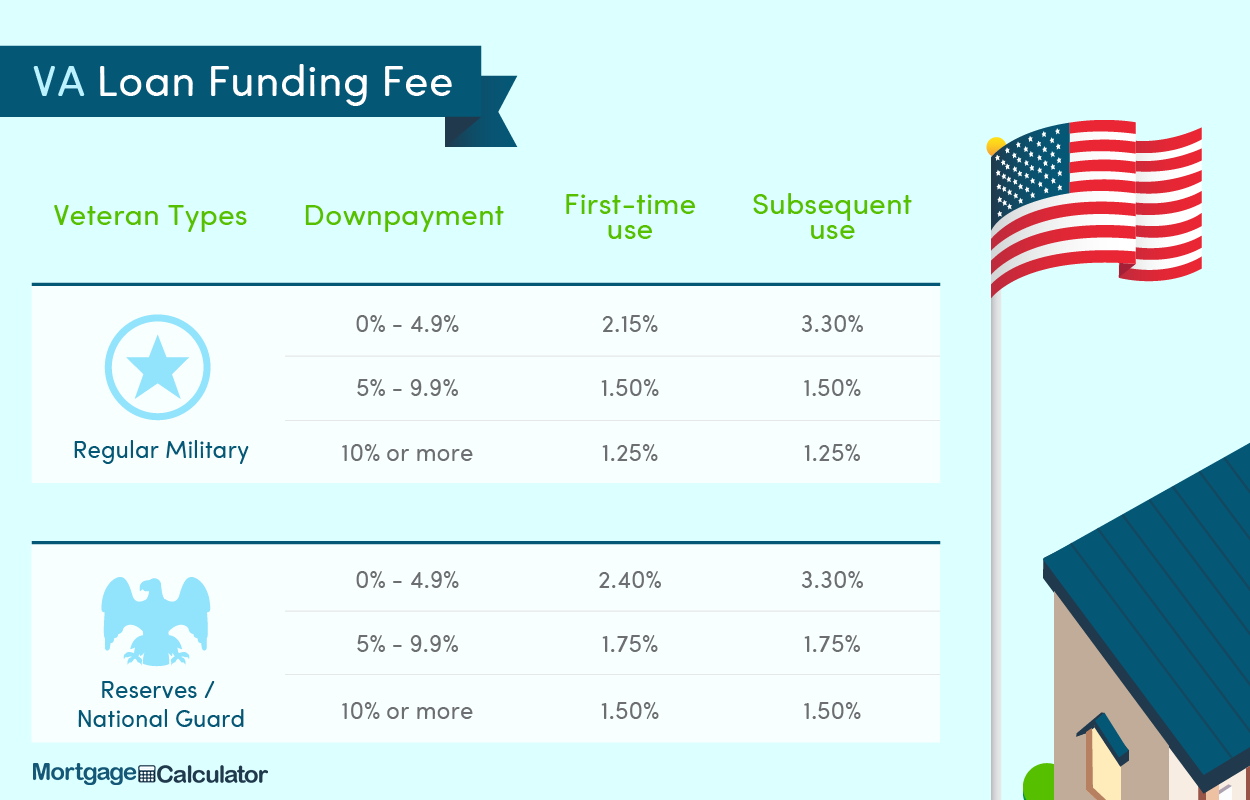
Most veterans must pay a one-time VA Funding Fee, which is a percentage of the loan amount. This fee helps the VA sustain the program for future generations. The fee varies based on your down payment amount and whether it is your first time using the benefit. Crucially, veterans with a service-connected disability rating of 10% or higher are exempt from this fee. When comparing lenders, ensure they have correctly accounted for your funding fee status, as this can change your total loan balance and your effective interest rate.
Discount Points
Lenders will often quote their lowest possible rate, which assumes the borrower is “buying down” the rate with discount points. One point typically costs 1% of the loan amount and lowers the interest rate by about 0.25%. If you plan on staying in your home for 10 or 20 years, paying for points up front to get a lower rate can be a brilliant financial move. However, if you plan to move in three years, the “best” rate is likely the one with zero points and no upfront costs.
How to Shop Like a Professional Homebuyer
To find who truly has the best VA loan rates at this moment, you must employ a systematic shopping strategy.
Requesting Multiple Loan Estimates
The only way to compare lenders accurately is to have them provide an official Loan Estimate (LE). This is a standardized three-page document that breaks down every cost. Research suggests that borrowers who get at least three quotes save an average of $1,500 to $3,000 over the life of the loan. Don’t just call your local bank; call a dedicated VA lender, a credit union, and an online mortgage broker.
Negotiating Origination Charges
While the interest rate is tied to the market, lender fees (origination charges) are often negotiable. If Lender A offers a great rate but high fees, and Lender B has a higher rate but no fees, you can take Lender B’s offer to Lender A and ask them to match the fee structure. Lenders are often willing to drop their processing or underwriting fees to win the business of a qualified veteran.
Timing the Market and Rate Locks
Mortgage rates can change multiple times in a single day. Once you find a rate that fits your budget, you must “lock” it. A rate lock guarantees that your interest rate won’t change between the time you apply and the time you close, provided the loan closes within a specific timeframe (usually 30 to 60 days). Ask your lender about “float-down” options, which allow you to lock in a low rate but also take advantage of even lower rates if the market drops before you close.
The Role of Mortgage Brokers
If you don’t want to do the legwork yourself, a mortgage broker can be an invaluable asset. Unlike a bank loan officer who only offers products from one institution, a broker has access to dozens of different lenders. They can shop your profile around to find the one that currently has the “sharpest” pricing for VA loans. In many cases, brokers have access to wholesale rates that are not available to the general public.
Finding the best VA loan rate is a balance of financial preparation, market timing, and aggressive shopping. By focusing on the APR, understanding the impact of your credit profile, and leveraging the competitive nature of the mortgage industry, you can ensure that your military service translates into the most affordable homeownership path possible.
aViewFromTheCave is a participant in the Amazon Services LLC Associates Program, an affiliate advertising program designed to provide a means for sites to earn advertising fees by advertising and linking to Amazon.com. Amazon, the Amazon logo, AmazonSupply, and the AmazonSupply logo are trademarks of Amazon.com, Inc. or its affiliates. As an Amazon Associate we earn affiliate commissions from qualifying purchases.