
The global financial landscape has been defined by a singular, persistent theme over the past two years: the aggressive battle against inflation through high interest rates. For homeowners, investors, and business owners, the question of when these rates will finally begin their descent is no longer just a matter of curiosity—it is a critical factor in financial planning and capital allocation. Understanding the timeline for a rate pivot requires a deep dive into the mechanics of central banking, the resilience of the labor market, and the shifting dynamics of the global economy.
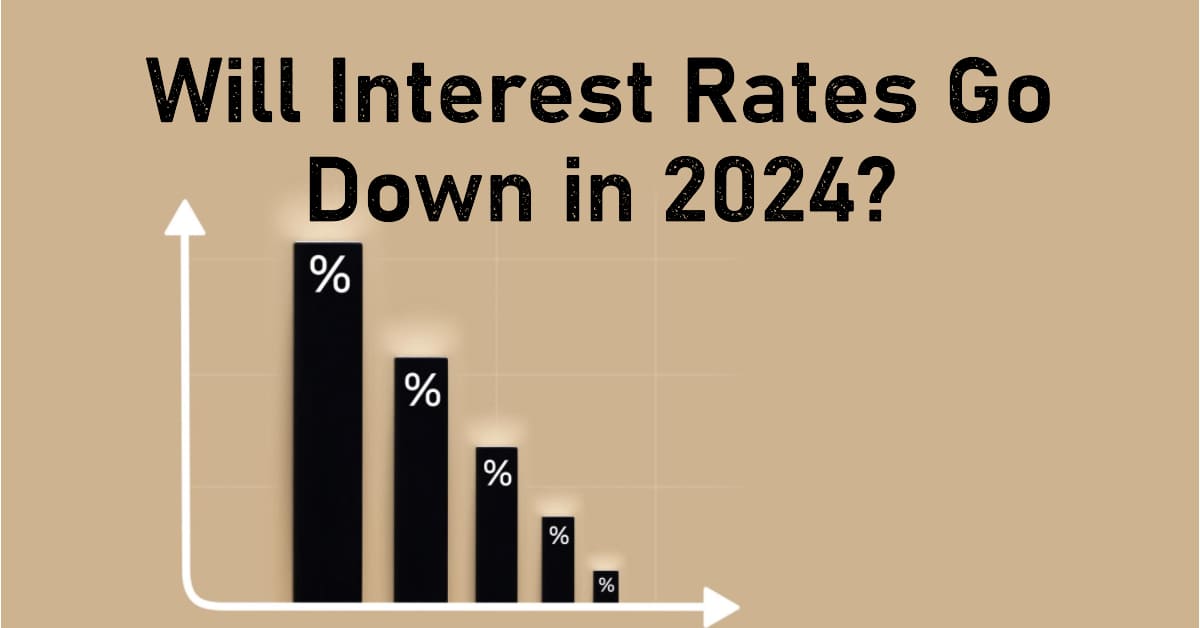
While the “higher for longer” mantra has dominated the narrative, the tides are beginning to shift. However, the path to lower rates is rarely a straight line. To navigate this environment, one must look past the headlines and analyze the specific economic triggers that will force the Federal Reserve and other central banks to ease their grip on the monetary brakes.
The Federal Reserve’s Balancing Act: Inflation vs. Economic Growth
The primary driver behind current interest rate levels is the Federal Reserve’s dual mandate: to promote maximum employment and maintain stable prices. Since 2022, the focus has shifted almost entirely to the latter. After inflation reached 40-year highs, the Fed embarked on one of the fastest tightening cycles in history. Now, as we look toward a potential drop in rates, the Fed is caught in a delicate balancing act.
The 2% Inflation Target
The Federal Reserve has been vocal about its commitment to bringing inflation back down to its 2% target. While the Consumer Price Index (CPI) has cooled significantly from its peak, “sticky” inflation—particularly in the services sector and housing—remains a concern. Interest rates are unlikely to drop significantly until the Fed sees “clear and convincing” evidence that inflation is not just falling, but staying down. If the Fed cuts rates too early, they risk a second wave of inflation, similar to the economic volatility seen in the 1970s.
The Lag Effect of Monetary Policy
One of the most complex aspects of interest rates is the “long and variable lag.” It typically takes 12 to 18 months for a rate hike to fully permeate the economy. This means the full impact of the hikes we saw in 2023 may not be felt until well into 2024 or 2025. The Fed is wary of over-tightening, which could trigger a severe recession, but they are equally afraid of easing too soon. The timing of a rate drop depends on when the Fed believes the “restrictive” level of interest rates has done enough work to cool the economy without breaking it.
Economic Indicators: What Analysts Are Watching
To predict when interest rates will drop, market analysts focus on a specific set of data points. These indicators serve as the “green light” for central banks to begin the easing process.
The Labor Market and Unemployment
Historically, the Fed does not cut rates when the labor market is overheating. High employment leads to wage growth, which in turn fuels consumer spending and keeps inflation high. However, we are beginning to see signs of a “softening” labor market. Job openings are decreasing, and the quit rate has returned to pre-pandemic levels. If the unemployment rate begins to tick upward significantly, the Fed will likely shift its focus from fighting inflation to supporting the economy, making a rate cut almost certain.
The Yield Curve and Market Expectations
The bond market often predicts rate moves long before the Fed officially acts. The “inverted yield curve”—where short-term Treasury yields are higher than long-term yields—has been a persistent signal of an impending economic slowdown. Investors are currently pricing in several rate cuts over the next 12 to 24 months. While the Fed does not always follow market expectations, a persistent discrepancy between market rates and the federal funds rate creates pressure on the central bank to align its policy with economic reality.
Consumer Spending and GDP Growth
The American consumer has remained surprisingly resilient despite high rates. However, as pandemic-era savings dwindle and credit card delinquencies rise, consumer spending—which accounts for nearly 70% of the U.S. economy—is showing signs of fatigue. A significant slowdown in GDP growth would provide the necessary justification for a rate drop to stimulate domestic activity.
The Impact on Personal Finance: Preparing for the Pivot
The anticipation of falling interest rates has immediate implications for personal finance. Whether you are looking to buy a home, manage debt, or grow your savings, the transition from a high-rate environment to a declining-rate environment requires a shift in strategy.
The Real Estate Market and Mortgages
The housing market has been one of the hardest-hit sectors. High mortgage rates have created a “lock-in effect,” where homeowners with 3% mortgages are unwilling to sell and move into a new home with a 7% rate. This has led to low inventory and high prices. When interest rates begin to drop, we can expect a surge in both buyers and sellers. For prospective buyers, the strategy is often to “marry the house and date the rate”—buying now despite higher costs with the intention of refinancing once rates drop.
Debt Management and Credit Cards
Most credit cards and personal loans have variable interest rates tied to the prime rate. As the Fed begins to cut, the cost of carrying a balance will gradually decrease. For those with high-interest debt, the period just before rates drop is the ideal time to look into debt consolidation or fixed-rate personal loans. Locking in a lower fixed rate now can provide a safety net if the descent of market rates is slower than expected.
Savings and Fixed Income
The “silver lining” of high interest rates has been the return of meaningful yields on savings. High-yield savings accounts (HYSAs) and Certificates of Deposit (CDs) have offered returns not seen in decades. However, these yields will be the first to disappear when the Fed pivots. Savvy savers are currently “locking in” high yields by purchasing long-term CDs or Treasury bonds now, ensuring they continue to receive high interest payments even after the broader market rates fall.
Investment Strategies in a Shifting Environment
The transition to lower interest rates creates winners and losers in the investment world. Understanding how different asset classes react to a rate pivot is essential for maintaining a balanced portfolio.
The Rebound of Growth Stocks
High interest rates are generally bad for growth stocks, particularly in the tech sector. This is because the present value of their future earnings is discounted more heavily when rates are high. Conversely, when rates drop, these companies often see a significant valuation boost. Investors may find opportunities in high-quality growth companies that have been suppressed by the high-rate environment but possess strong fundamentals.
Bonds and the Inverse Relationship
It is a fundamental rule of finance that when interest rates fall, bond prices rise. Investors who transition into longer-duration bonds before the rate drop can benefit from both the steady income (coupon payments) and the capital appreciation of the bond itself. This makes the period preceding a rate cut a “golden era” for fixed-income investors who are looking to de-risk their portfolios while still capturing gains.
Real Estate Investment Trusts (REITs)
REITs are highly sensitive to interest rates because they rely heavily on debt to acquire properties. High rates increase their borrowing costs and make their dividend yields look less attractive compared to “risk-free” Treasuries. As rates begin to drop, the cost of capital for REITs decreases, and their yields become more enticing to income-seeking investors, often leading to a sector-wide rally.
Projections and Timing: Navigating the Road Ahead
While no one can predict the exact date of the first rate cut with 100% certainty, the consensus among economists suggests a gradual transition starting in late 2024 or early 2025. The Federal Reserve’s “Dot Plot”—a chart that summarizes each Fed official’s outlook for the federal funds rate—indicates that most officials expect rates to be lower in the coming years than they are today.
The “Soft Landing” Scenario
The ideal scenario for the economy is a “soft landing,” where inflation returns to 2% without a major recession. In this case, the Fed will likely lower rates slowly and methodically, perhaps by 25 basis points at a time, to reach a “neutral” rate that neither stimulates nor restricts growth. This would be a positive environment for both stocks and bonds.
The “Hard Landing” or Recessionary Pivot
If the economy enters a sharp downturn, the Fed’s response will be much more aggressive. In a recessionary scenario, we could see rapid, large-scale rate cuts designed to inject liquidity into the system. While this would lower borrowing costs quickly, it would likely be accompanied by stock market volatility and higher unemployment.
Conclusion: Staying Agile
The question of when interest rates will drop is ultimately a question of when the economy reaches a new equilibrium. For the individual participant in the financial system, the key is agility. By understanding the indicators the Fed is watching and preparing your personal finances for both “higher for longer” and the eventual pivot, you can position yourself to thrive regardless of the central bank’s timeline.
We are moving out of an era of “easy money” and into a period of normalization. While the transition may be bumpy, the eventual drop in interest rates will mark the beginning of a new economic cycle, offering fresh opportunities for those prepared to seize them. Monitor the inflation data, watch the labor market, and ensure your financial house is in order so that when the pivot finally arrives, you are ready to move.
aViewFromTheCave is a participant in the Amazon Services LLC Associates Program, an affiliate advertising program designed to provide a means for sites to earn advertising fees by advertising and linking to Amazon.com. Amazon, the Amazon logo, AmazonSupply, and the AmazonSupply logo are trademarks of Amazon.com, Inc. or its affiliates. As an Amazon Associate we earn affiliate commissions from qualifying purchases.