
For veterans, active-duty service members, and eligible surviving spouses, the VA home loan remains one of the most powerful wealth-building tools in the American financial landscape. However, the question of “what are current VA home loan rates” is rarely met with a single, static number. Instead, the answer is a moving target influenced by global bond markets, domestic inflation, and the individual financial health of the borrower. Understanding how these rates are determined—and how they compare to conventional financing—is essential for any eligible borrower looking to maximize their purchasing power in a fluctuating economy.
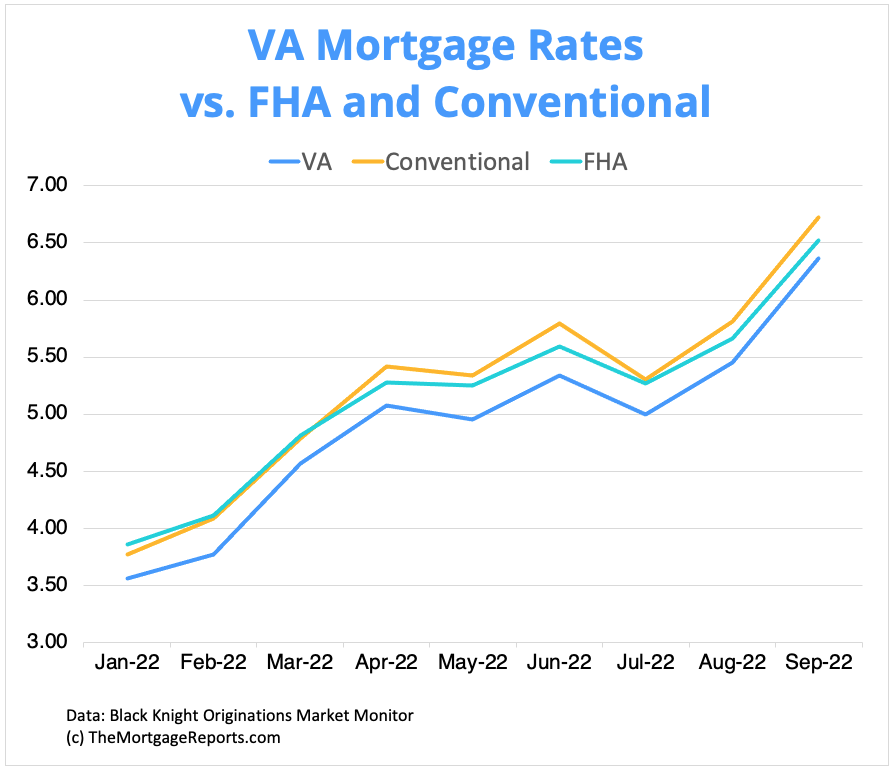
The VA loan program, established by the GI Bill in 1944, was designed to provide housing stability for those who served. Today, it offers some of the most competitive interest rates available, often sitting significantly lower than conventional 30-year fixed-rate mortgages. Because the Department of Veterans Affairs guarantees a portion of the loan, lenders are protected against loss, allowing them to offer more favorable terms, lower interest rates, and the signature benefit of $0 down payment.
The Mechanics of VA Mortgage Rates in Today’s Economy
To understand current VA loan rates, one must first recognize that the VA does not set the interest rates themselves. Instead, rates are determined by private lenders—banks, credit unions, and mortgage companies—who use the VA’s guarantee to mitigate risk. These lenders look at several external and internal factors to decide what rate to offer on any given day.
The Role of the Secondary Market and Mortgage-Backed Securities
Mortgage rates are inextricably linked to the performance of the bond market, specifically Mortgage-Backed Securities (MBS). When investors have high confidence in the economy, they may move money into stocks, causing bond prices to fall and yields (interest rates) to rise. Conversely, in times of economic uncertainty, investors flock to the safety of bonds, which can drive rates down. Because VA loans are bundled into Ginnie Mae securities, which carry the full faith and credit of the U.S. government, they are highly attractive to investors. This high demand for the “paper” behind VA loans is what allows lenders to keep rates lower than conventional loans, which are typically backed by Fannie Mae or Freddie Mac.
The Influence of the Federal Reserve and Inflation
While the Federal Reserve does not directly set mortgage rates, its monetary policy serves as a primary catalyst for rate movement. When the Fed raises the federal funds rate to combat inflation, the cost of borrowing increases across the board. Mortgage lenders anticipate these moves, often adjusting their rates ahead of official Fed announcements. In an environment of high inflation, the purchasing power of the future interest payments a lender receives is eroded. To compensate for this “inflation risk,” lenders demand higher interest rates. Therefore, current VA loan rates are often a reflection of the market’s long-term outlook on inflation and the Fed’s success in managing it.
The VA “Spread” Advantage
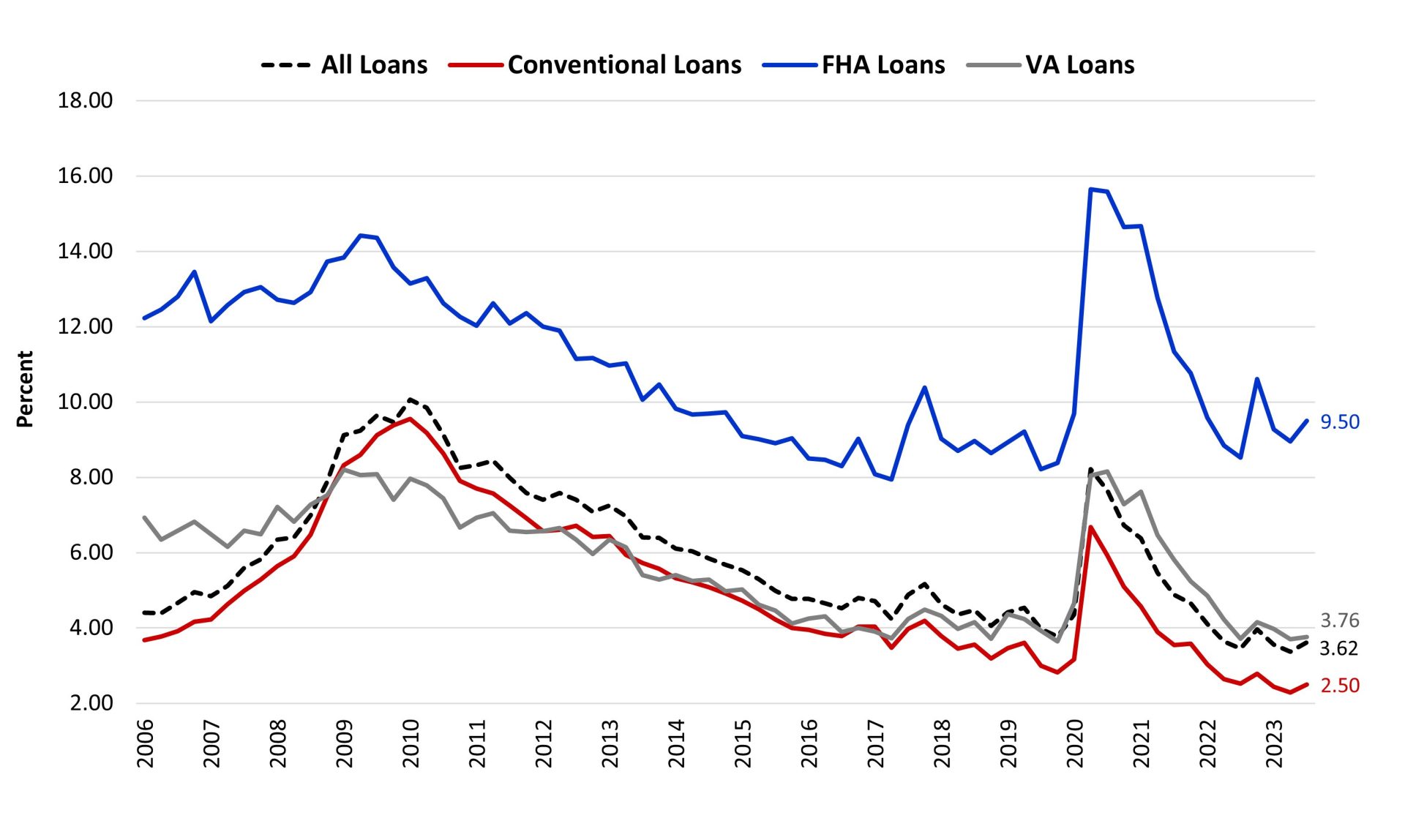
Historically, VA loan rates have hovered between 0.25% and 0.50% lower than conventional mortgage rates. This is known as the “spread.” For a borrower, this seemingly small percentage can result in tens of thousands of dollars saved over the life of a 30-year loan. For example, on a $400,000 mortgage, a 0.5% difference in interest rate can save a borrower approximately $125 per month, or $45,000 over the full term. This inherent advantage makes the VA loan the gold standard for those who qualify, regardless of whether the overall market rates are high or low.
Factors That Determine Your Individual VA Interest Rate
While the market sets the baseline for current VA home loan rates, your personal financial profile determines where you fall within a lender’s pricing tier. Even though the VA provides a guarantee, lenders still have “overlays”—internal requirements that may be stricter than the VA’s baseline rules.
Credit Score Thresholds and Pricing Tiers
The VA does not technically require a minimum credit score, but almost all lenders do. Most lenders look for a score of at least 620, though some “specialty” lenders may go lower. However, the “best” advertised rates—the ones seen on financial news websites—are typically reserved for borrowers with scores of 740 or higher. If your score is in the 640–680 range, you may still qualify for a loan, but you might see an interest rate that is 0.25% to 0.75% higher than a borrower with top-tier credit.
Debt-to-Income (DTI) Ratio and Residual Income
Lenders evaluate your Debt-to-Income ratio to ensure you can comfortably manage your new mortgage payment alongside existing obligations like car loans or student debt. While the VA is more flexible with DTI than conventional programs (often allowing ratios above 41% if other “compensating factors” are present), a lower DTI usually signals lower risk to the lender. More importantly, the VA emphasizes “residual income”—the amount of money left over each month after all debts and housing costs are paid. A strong residual income profile can sometimes help a borrower secure a better rate or approval on a larger loan amount.
Loan Term and Type
The structure of the loan significantly impacts the rate. A 15-year fixed-rate VA loan will almost always carry a lower interest rate than a 30-year fixed-rate loan because the lender is exposed to interest rate risk for a shorter period. Additionally, there are Adjustable-Rate Mortgages (ARMs). While ARMs often start with a lower “teaser” rate, they carry the risk of increasing after the initial fixed period (usually 3, 5, or 7 years). In a rising-rate environment, most VA borrowers opt for the stability of a 30-year fixed rate.
Strategies to Secure the Lowest Possible VA Rate
Securing a competitive rate is not just about timing the market; it is about active financial management and negotiation. Because VA loan providers are competitive, borrowers have significant leverage if they know how to use it.
The Importance of Shopping Multiple Lenders
One of the most common mistakes veterans make is accepting the first rate quote they receive. Because lenders have different overhead costs and profit margins, quotes for the same borrower on the same day can vary by as much as 0.5%. It is recommended to get at least three Loan Estimates. When lenders know they are competing for your business, they may be more willing to waive certain “origination fees” or match a competitor’s lower rate.
Buying Down the Rate with Discount Points
If you plan on staying in your home for a long time (typically seven years or more), it may make financial sense to “buy down” the interest rate using discount points. One point is equal to 1% of the loan amount. By paying this fee upfront at closing, you can permanently lower your interest rate. For instance, paying one point might lower your rate from 6.5% to 6.25%. You must calculate the “break-even point”—the amount of time it takes for the monthly savings to exceed the initial cost of the points—to determine if this is a wise investment.
Enhancing Your Borrower Profile
Before applying for a VA loan, taking six months to polish your finances can yield a lower rate. This includes:
-
Paying down revolving credit card debt: This lowers your DTI and can quickly boost your credit score.
-
Avoiding new credit inquiries: Do not open new car loans or credit cards right before applying for a mortgage.
-
Verifying your Certificate of Eligibility (COE): Ensuring your paperwork is in order prevents delays that could cause you to miss a “rate lock” window.
The Long-Term Value of VA Loans Beyond the Interest Rate
When analyzing current VA home loan rates, it is vital to look at the “Effective Rate” rather than just the “Nominal Rate.” The true cost of a loan includes fees and insurance, and this is where the VA loan truly shines as a personal finance tool.
No Private Mortgage Insurance (PMI)
On a conventional loan, if you put down less than 20%, you are required to pay PMI every month. This can add hundreds of dollars to a monthly payment without reducing the principal balance. VA loans never require PMI, regardless of the down payment amount. This means that even if a VA rate and a conventional rate are identical, the VA loan is effectively “cheaper” on a monthly basis because of the lack of insurance premiums.
The VA Funding Fee vs. Equity
Most VA borrowers pay a one-time “Funding Fee,” which helps sustain the program for future generations. This fee can be rolled into the loan amount. While this increases the total balance slightly, it is often a small price to pay for the benefit of $0 down. Furthermore, veterans with a service-connected disability rating of 10% or higher are exempt from this fee entirely, making the VA loan the most cost-effective mortgage product in existence for disabled veterans.
The IRRRL: A Built-In Safety Net
The VA Interest Rate Reduction Refinance Loan (IRRRL), also known as the “Streamline Refinance,” is a unique feature of the program. If you close on a home today and rates drop significantly in a year or two, the IRRRL allows you to refinance into the lower rate with minimal paperwork, no new appraisal (in most cases), and very low closing costs. This “safety net” means you don’t have to worry about “getting the timing perfect” when you buy; if rates go down, the VA makes it easy for you to follow them.
Navigating the Future of VA Loan Rates
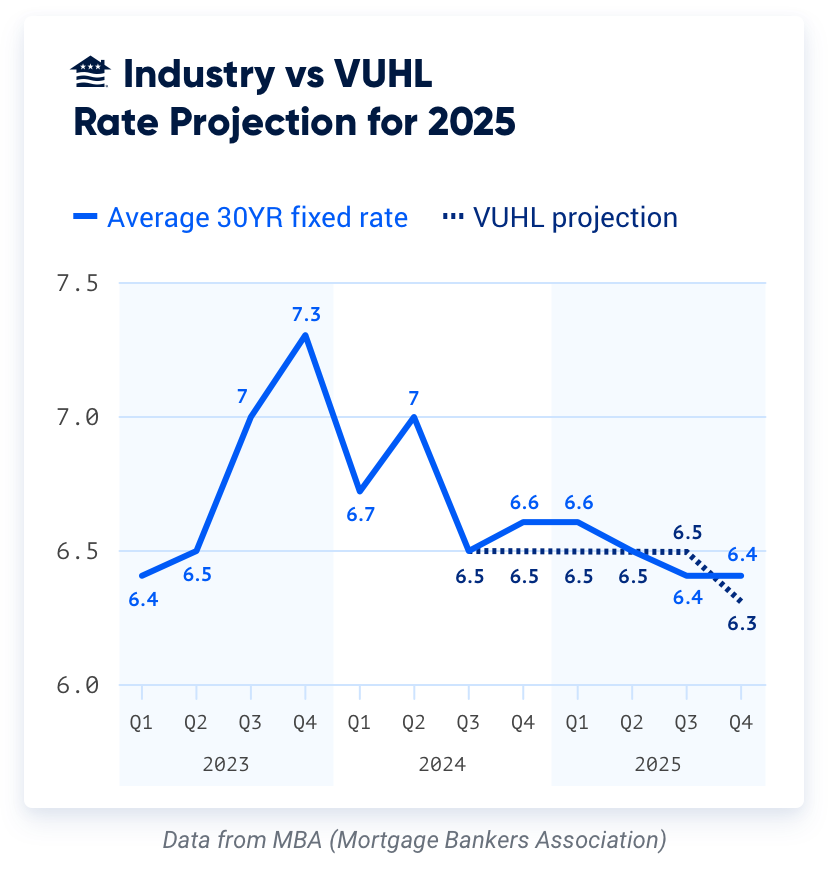
As the global financial landscape continues to evolve, VA home loan rates will remain a key indicator of economic health for the military community. While we may not see the historic lows of the early 2020s in the immediate future, the VA loan continues to offer a path to homeownership that is shielded from many of the harshest realities of the conventional market.
For the modern veteran, the strategy should not be to wait for the “perfect” rate, but rather to understand the fundamental value of the VA benefit. Homeownership is a long-term investment in stability and equity. By focusing on credit readiness, shopping for the best lender, and utilizing tools like the IRRRL when the market shifts, veterans can navigate any interest rate environment with confidence. The “current rate” is merely a snapshot in time, but the benefits of the VA loan program provide a lifetime of financial advantage.
aViewFromTheCave is a participant in the Amazon Services LLC Associates Program, an affiliate advertising program designed to provide a means for sites to earn advertising fees by advertising and linking to Amazon.com. Amazon, the Amazon logo, AmazonSupply, and the AmazonSupply logo are trademarks of Amazon.com, Inc. or its affiliates. As an Amazon Associate we earn affiliate commissions from qualifying purchases.