
Navigating the landscape of homeownership requires a deep dive into the mechanics of mortgage financing. For many first-time homebuyers or those with moderate credit scores, the Federal Housing Administration (FHA) loan serves as a primary gateway to the housing market. However, a common point of confusion remains: what is the actual interest rate on an FHA loan? Unlike a standard retail product with a fixed price tag, mortgage rates are dynamic, influenced by a complex interplay of global economic shifts, federal policy, and individual financial profiles.
To understand FHA interest rates, one must first recognize that the FHA does not actually lend money. Instead, it insures loans made by private lenders—banks, credit unions, and non-bank mortgage companies. Because the government guarantees a portion of the loan against default, lenders are often willing to offer more competitive interest rates and lower down payment requirements. This article explores the various factors that dictate these rates, how they compare to other financial products, and how borrowers can position themselves to secure the most favorable terms in a fluctuating market.
The Macroeconomic Factors Influencing FHA Rates
Interest rates on FHA loans do not exist in a vacuum. They are largely driven by the broader secondary mortgage market, specifically the performance of Mortgage-Backed Securities (MBS). When investors buy MBS, they are essentially buying the right to receive the interest payments from a pool of mortgages. The yield required by these investors determines the “base” interest rate that lenders offer to consumers.
The Role of the Federal Reserve and Inflation
While the Federal Reserve does not set mortgage rates directly, its monetary policy significantly influences them. The Federal Funds Rate—the rate at which banks lend to one another overnight—acts as a benchmark for the cost of borrowing across the economy. When the Federal Reserve raises rates to combat inflation, the yield on the 10-year Treasury note typically rises. Mortgage rates, including those for FHA loans, historically track the 10-year Treasury yield closely. In a high-inflation environment, lenders must demand higher interest rates to ensure their long-term returns maintain purchasing power, leading to higher costs for the average homebuyer.
Secondary Market Liquidity and Ginnie Mae
FHA loans are unique because they are typically pooled into Ginnie Mae (Government National Mortgage Association) securities. Because Ginnie Mae carries the full faith and credit of the U.S. government, these securities are considered very safe by investors. This high level of security often allows FHA interest rates to be slightly lower than those of conventional loans (which are backed by Fannie Mae or Freddie Mac). However, the gap between FHA and conventional rates can narrow or widen based on investor appetite for government-backed versus private-sector debt.
How Your Financial Profile Shapes Your Specific Rate
While market conditions set the baseline, your personal financial health determines where your specific quote lands within the lender’s range. FHA loans are renowned for their flexibility, but that flexibility comes with a tiered pricing structure known as “loan-level price adjustments” or lender overlays.
The Impact of Credit Scores
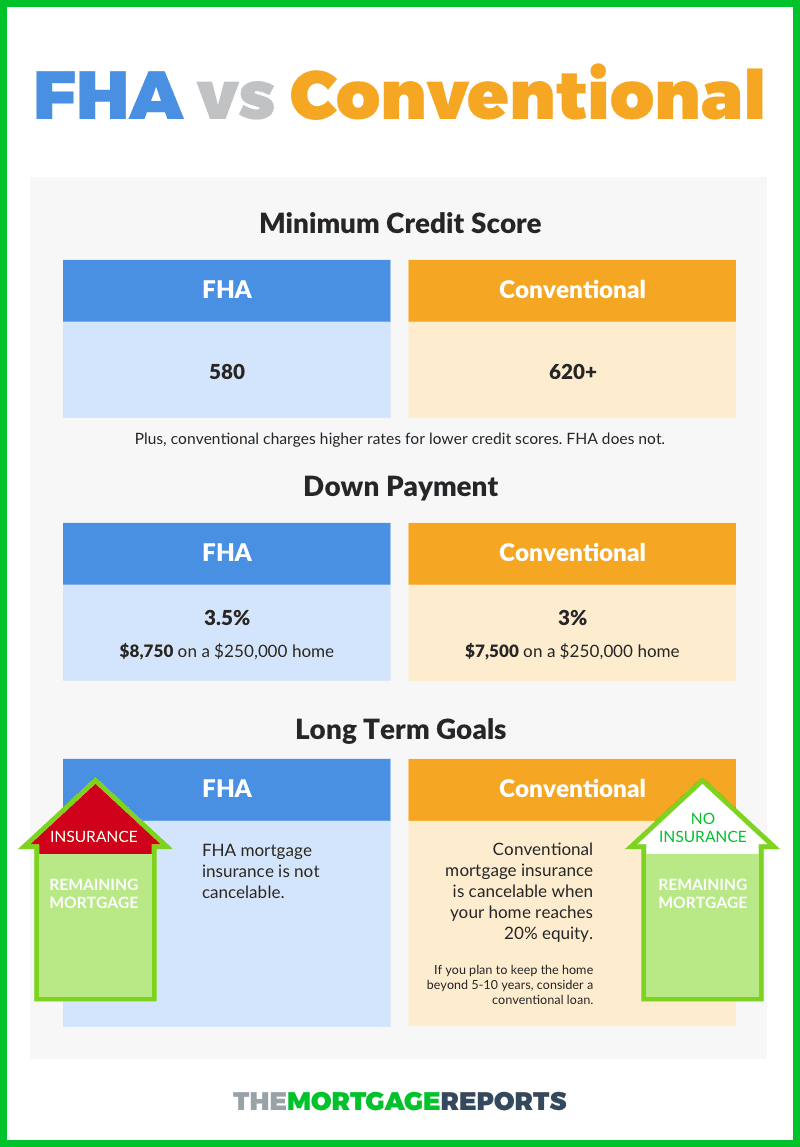
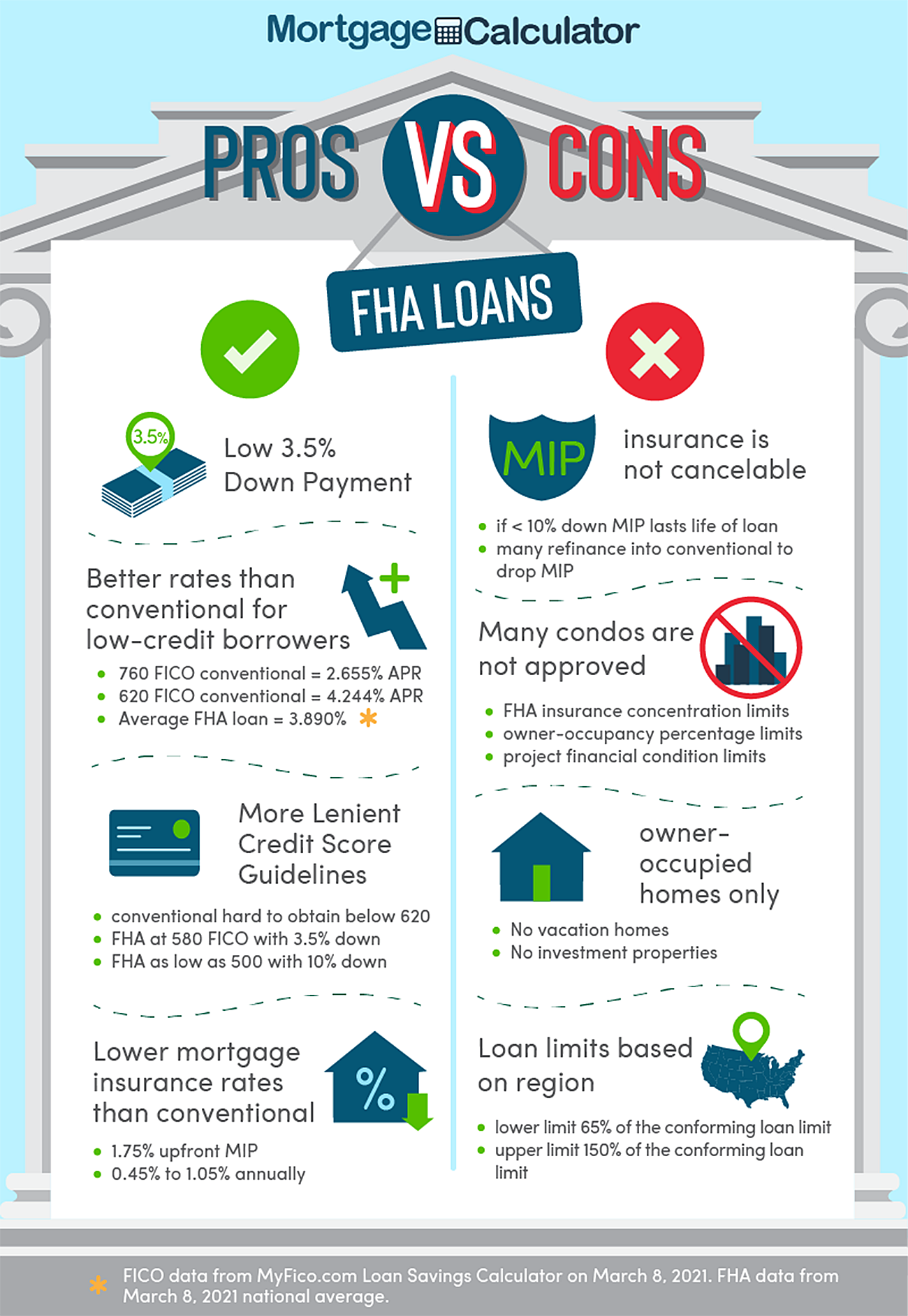
One of the most significant advantages of an FHA loan is the low credit score requirement. You can qualify for an FHA loan with a score as low as 500 (with a 10% down payment) or 580 (with a 3.5% down payment). However, a lower credit score generally results in a higher interest rate. Lenders view lower scores as a higher risk of default, and they compensate for that risk by increasing the interest margin. A borrower with a 720 credit score will almost always receive a lower FHA interest rate than a borrower with a 620 score, even though both are using the same government program.
Debt-to-Income (DTI) Ratios and Loan Terms
Lenders also evaluate your Debt-to-Income ratio, which is the percentage of your gross monthly income that goes toward paying debts. While the FHA allows for higher DTI ratios than conventional programs—sometimes up to 43% or even 50% with compensating factors—a high DTI can sometimes lead to a higher interest rate quote. Additionally, the term of the loan affects the rate. A 15-year fixed-rate FHA loan typically carries a lower interest rate than a 30-year fixed-rate loan because the lender is exposed to interest rate risk for a shorter period.
FHA vs. Conventional: Comparing the Real Cost of Capital
A common mistake made by home seekers is looking only at the “nominal” interest rate—the percentage stated on the loan note—without considering the “effective” interest rate or the Annual Percentage Rate (APR). While FHA nominal rates are often lower than conventional rates, the total cost of borrowing can be higher due to specific FHA requirements.
The Mortgage Insurance Premium (MIP) Dilemma
The most defining feature of an FHA loan is the mandatory Mortgage Insurance Premium (MIP). This is the cost of the government guarantee that makes the loan possible.
-
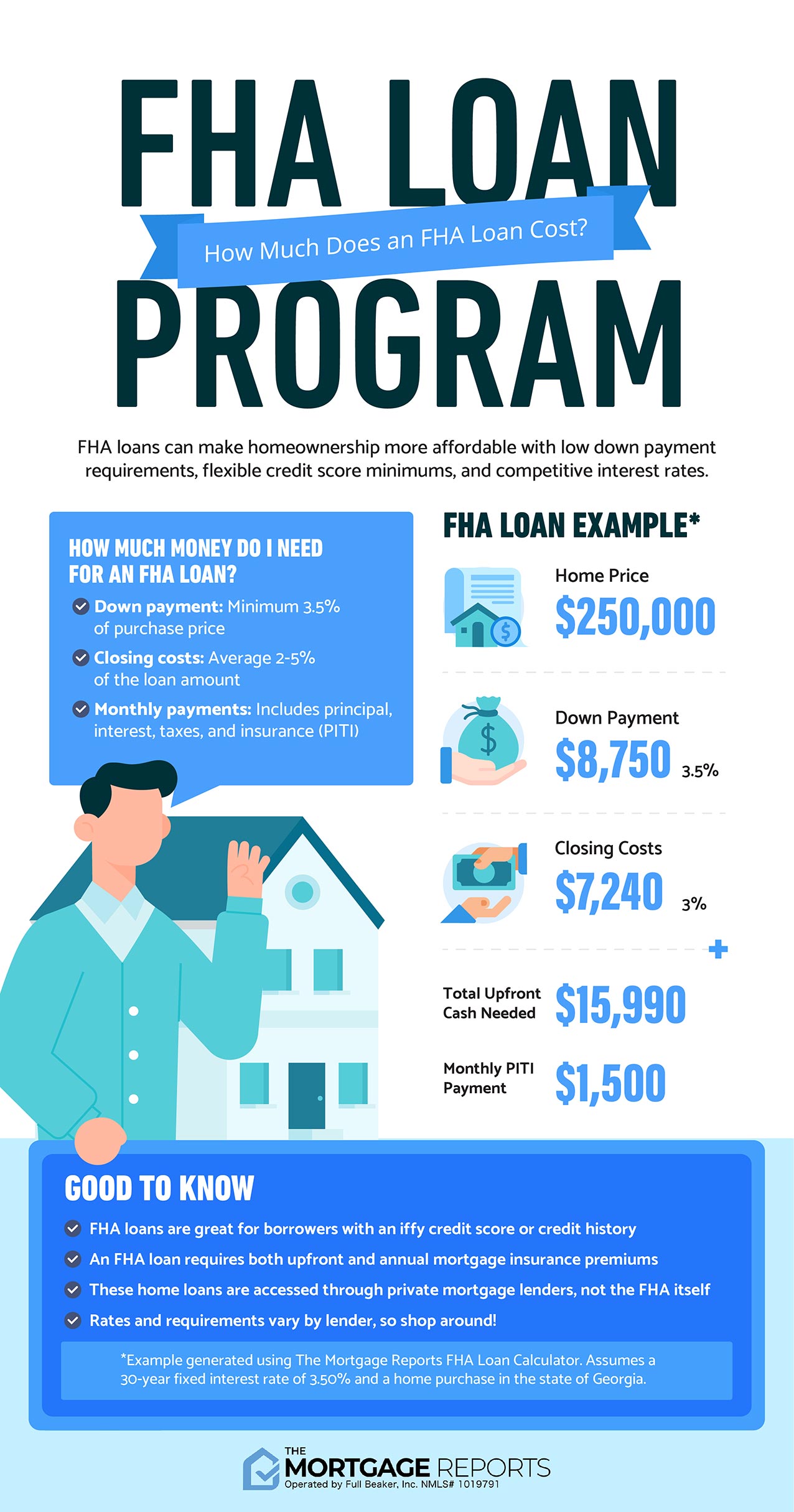
Upfront MIP: Borrowers are charged an upfront premium, usually 1.75% of the loan amount, which is typically rolled into the total loan balance.
-
Annual MIP: Borrowers also pay a monthly premium that ranges from 0.15% to 0.75% of the loan balance annually, depending on the loan-to-value ratio and the loan term.
When you factor in these insurance costs, the APR of an FHA loan may actually be higher than that of a conventional loan, even if the FHA interest rate is lower. For borrowers with high credit scores and a 20% down payment, a conventional loan is usually more cost-effective. However, for those with smaller down payments, the FHA loan remains a powerful financial tool despite the insurance costs.
When FHA Rates Become the Clear Winner
In volatile markets, FHA rates often provide a “floor” for borrowers who might be priced out of conventional loans. If a borrower’s credit score drops below 680, conventional lenders may apply significant “price hits” that send the interest rate skyrocketing. In these instances, the FHA rate remains relatively stable, making it the more affordable monthly option despite the permanent mortgage insurance.
Strategies to Secure the Lowest Possible FHA Rate
Securing a mortgage is a negotiation, and borrowers have several levers they can pull to reduce their long-term interest expenses. Understanding these strategies can save a homeowner tens of thousands of dollars over the life of the loan.
Shopping Multiple Lenders and Rate Locks
Because FHA loans are offered by private entities, different banks have different appetites for risk. One lender might specialize in low-credit-score FHA loans, while another might offer better rates for high-balance FHA loans. It is vital to obtain “Loan Estimates” from at least three different lenders to compare the interest rates and closing costs. Once a favorable rate is found, it is often wise to “lock” the rate. Since interest rates can change multiple times a day based on bond market fluctuations, a rate lock protects the borrower from increases while the loan is being processed.
Buying Down the Rate with Points
Borrowers often have the option to pay “discount points” at closing to lower their interest rate. One point typically costs 1% of the loan amount and reduces the interest rate by approximately 0.25%. From a personal finance perspective, this is a “break-even” calculation. If a borrower intends to stay in the home for ten years, paying points to lower the monthly interest expense may result in significant long-term savings. If they plan to sell or refinance in two years, the upfront cost of the points may never be recovered.
Improving Your Financial Profile Pre-Application
Even a modest increase in a credit score can move a borrower into a different “pricing tier.” Before applying for an FHA loan, individuals should focus on reducing credit card balances to lower their credit utilization ratio and ensuring all bills are paid on time. Additionally, saving for a slightly larger down payment—moving from 3.5% to 5% or 10%—can sometimes trigger a reduction in the interest rate offered by the lender, as it reduces the lender’s overall risk exposure.
The Long-Term Financial Outlook of FHA Borrowing
Choosing an FHA loan is often a strategic entry point into the real estate market. While the interest rate and the accompanying MIP are significant considerations, they should be viewed as the “cost of entry” for building equity. As a borrower pays down the principal and the home appreciates in value, they eventually reach a point where they have 20% equity. At this stage, many homeowners choose to refinance their FHA loan into a conventional loan.
Refinancing allows the homeowner to shed the FHA’s annual mortgage insurance and potentially secure an even lower interest rate if market conditions have improved or if their credit score has risen significantly since the initial purchase. In this context, the interest rate on an FHA loan is not just a monthly expense; it is a component of a larger wealth-building strategy. By understanding how these rates are calculated and influenced, borrowers can navigate the complexities of the money market with confidence, ensuring that their first step into homeownership is a financially sound one.
aViewFromTheCave is a participant in the Amazon Services LLC Associates Program, an affiliate advertising program designed to provide a means for sites to earn advertising fees by advertising and linking to Amazon.com. Amazon, the Amazon logo, AmazonSupply, and the AmazonSupply logo are trademarks of Amazon.com, Inc. or its affiliates. As an Amazon Associate we earn affiliate commissions from qualifying purchases.