
The quest for the best mortgage rate is more than a simple comparison of percentages; it is a strategic financial maneuver that can save or cost a homeowner hundreds of thousands of dollars over the life of a loan. In the current economic climate, characterized by fluctuating inflation data and a cautious Federal Reserve, the “best” rate is a moving target. Determining who is offering the most competitive terms requires a deep dive into the different tiers of the lending market, from traditional retail banks to agile fintech disruptors and member-focused credit unions.
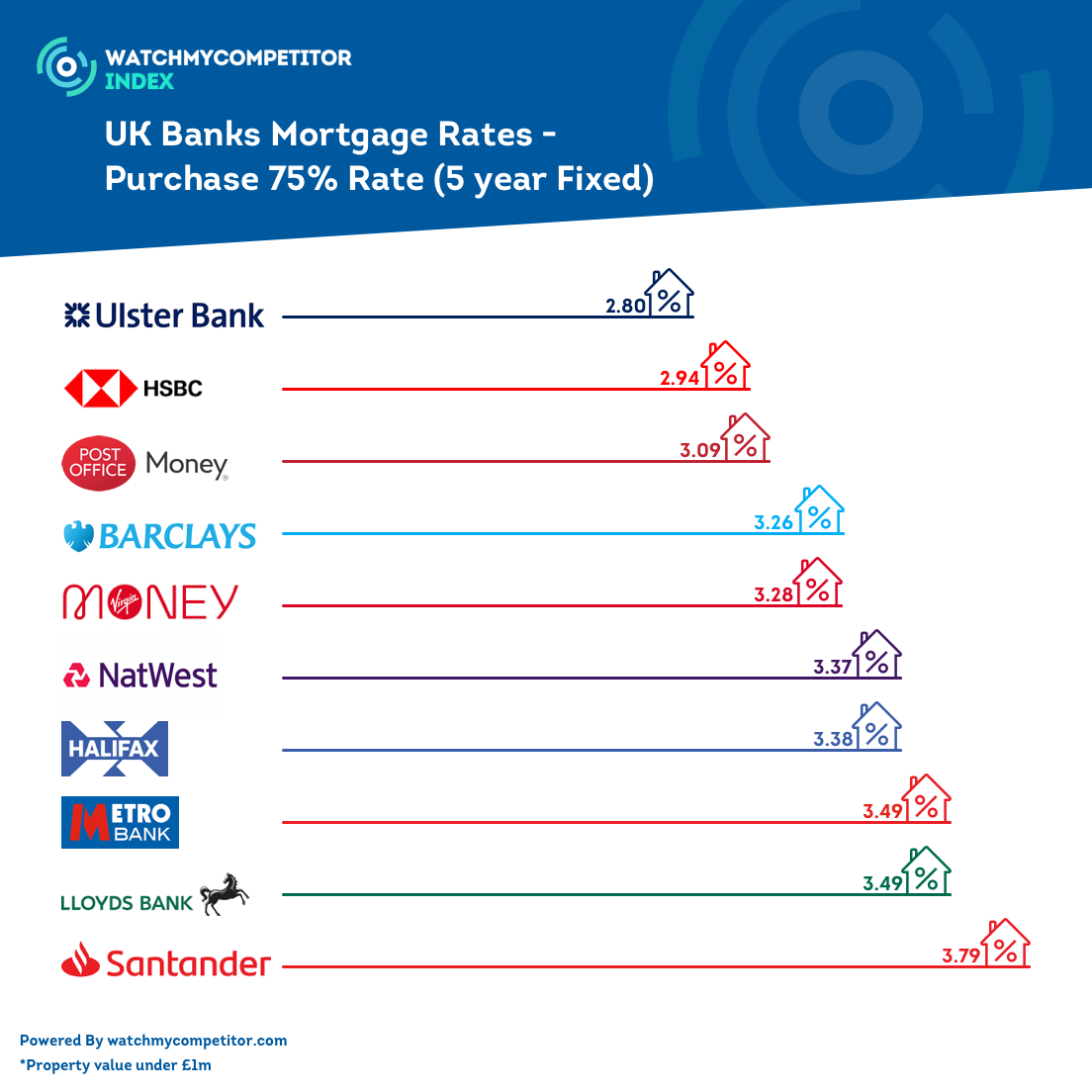
Securing a favorable rate is not merely about finding a lender with a low advertised number; it is about understanding how individual financial profiles interact with the institutional appetites of various lenders. To navigate this landscape, one must look beyond the headline APR and examine the underlying mechanics of the mortgage market.
Understanding the Current Landscape of Mortgage Lenders
The mortgage market is no longer dominated solely by the “Big Four” banks. While national institutions still hold significant market share, the most competitive rates are often found in the niches of the industry. To find the best rate, borrowers must distinguish between three primary types of lenders: retail banks, credit unions, and non-bank online lenders.
Traditional Retail Banks and National Institutions
Large commercial banks like Chase, Bank of America, and Wells Fargo offer a sense of security and a broad suite of financial products. Often, these institutions offer the best mortgage rates to their existing high-net-worth clients through “relationship pricing.” If you maintain significant assets in a savings or investment account with a major bank, they may shave 0.25% to 0.50% off your mortgage rate to keep your business within their ecosystem. However, for the average borrower without existing ties, these banks may have stricter underwriting requirements and slightly higher rates than their leaner competitors.
Credit Unions: The Member-Owned Advantage
Credit unions frequently top the charts for the lowest mortgage rates in the country. Because they are member-owned cooperatives, they do not have the same profit-driven mandates as publicly traded banks. Institutions like Navy Federal Credit Union or local community credit unions often return their earnings to members in the form of lower interest rates and reduced closing costs. They are particularly competitive in the 15-year and 30-year fixed-rate categories, though membership eligibility remains a prerequisite.
Online Lenders and Fintech Disruptors
The rise of non-bank lenders such as Rocket Mortgage, Better.com, and SoFi has revolutionized the mortgage industry. These companies leverage technology to lower overhead costs, which often translates into more competitive pricing for the consumer. Online lenders are currently offering some of the best rates for tech-savvy borrowers who prioritize speed and transparency. Because they operate at high volumes, they can often pivot their pricing more quickly than traditional banks in response to daily shifts in the bond market.
Key Factors Influencing Today’s Best Rates
The interest rate a lender quotes you is rarely the rate they use in their marketing materials. Mortgage pricing is a highly individualized process influenced by macroeconomic trends and personal financial health. Understanding these factors is essential to knowing whether a quote is truly “the best.”
The Role of the Federal Reserve and Treasury Yields
While the Federal Reserve does not set mortgage rates directly, its influence is profound. Mortgage rates are most closely tied to the yield on the 10-year Treasury note. When the Fed signals a “hawkish” stance (higher interest rates to combat inflation), Treasury yields typically rise, and mortgage rates follow suit. Conversely, when the economy cools, yields drop, and lenders can offer more attractive rates. Keeping an eye on the “spread”—the difference between the 10-year Treasury yield and the average 30-year mortgage rate—helps borrowers understand if current rates are artificially high due to market volatility.
Credit Scores and the Pricing Grid
In the mortgage world, your credit score is the primary determinant of your risk profile. Lenders use a tiered pricing grid; a borrower with a 780 FICO score will almost always receive a better rate than a borrower with a 680 score. Even a 20-point difference can move you into a different pricing bracket, potentially adding 0.125% to your rate. For those seeking the absolute lowest rates currently on the market, maintaining a score above 760 is often the “golden ticket” to the best institutional offers.
Loan-to-Value (LTV) Ratios and Down Payments
The amount of equity you put into the home significantly impacts the lender’s risk. A 20% down payment is the traditional benchmark for avoiding Private Mortgage Insurance (PMI), but it also signals financial stability to the lender. Some of the most aggressive rate offers are reserved for borrowers with an LTV of 75% or lower. However, some specialized programs for first-time buyers offer competitive rates even with low down payments, provided the borrower meets specific income or geographic criteria.
Top Contenders for Competitive Rates in the Current Market

While the “best” lender changes weekly, certain names consistently appear at the top of the rankings due to their business models and target demographics.
Best for First-Time Homebuyers: FHA and Specialized Programs
For those with lower credit scores or smaller down payments, the best rates are often found through lenders specializing in FHA or VA loans. Guild Mortgage and United Wholesale Mortgage (UWM) are frequently cited for their competitive pricing in these government-backed categories. Because these loans are insured by the government, lenders can offer lower interest rates than they would for a conventional loan with similar risk profiles.
Best for Jumbo Loans: Institutional Wealth Managers
Borrowers seeking “Jumbo” loans—those exceeding the conforming loan limits set by FHFA—often find the best rates at large private banks like Citibank or JPMorgan Chase. Because jumbo loans are often held on the bank’s own balance sheet (rather than being sold to Fannie Mae or Freddie Mac), these institutions have more flexibility to offer low rates to attract affluent clients who may utilize other high-margin financial services.
Best for Refinancing and Digital Speed
Lenders like Pennymac and LoanDepot have built massive infrastructures designed specifically for refinancing. During windows of rate volatility, these lenders are often the quickest to drop their rates to capture the “refi” market. Their streamlined digital platforms allow them to process applications with minimal friction, making them a top choice for homeowners looking to lock in a lower rate during a brief market dip.
Strategies to Secure the Lowest Possible Rate
Finding the best rate is not a passive activity. It requires a proactive approach to negotiation and financial optimization.
The Power of Rate Locking
In a volatile market, a “best” rate can disappear in an afternoon. Once you find a rate that meets your financial goals, it is imperative to secure a “rate lock.” This agreement guarantees that your interest rate won’t change between the time of your application and the closing of the loan, provided the loan closes within a specific timeframe (usually 30 to 60 days). Some lenders offer a “float-down” option, which allows you to lock in a low rate but also take advantage of even lower rates if the market drops before you close.
Comparison Shopping and the “Rule of Three”
Statistics from the Consumer Financial Protection Bureau (CFPB) consistently show that borrowers who get at least three quotes save an average of $3,500 over the first few years of their loan. When comparing rates, it is vital to request a “Loan Estimate” form from each lender. This standardized document allows you to compare the interest rate, the APR (which includes fees), and the closing costs side-by-side. Often, a lender with a slightly higher interest rate may actually offer a better deal if their closing costs are significantly lower.
Buying Down the Rate with Points
For borrowers who plan to stay in their home for a long time, “buying points” can be an effective way to secure the best possible rate. One point is equal to 1% of the loan amount and typically reduces the interest rate by 0.25%. While this requires more cash upfront at closing, the long-term interest savings can be substantial. Calculating the “break-even point”—the moment when the monthly savings surpass the initial cost of the points—is a critical financial exercise before choosing this path.
The True Cost of a Mortgage Beyond the Interest Rate
While the interest rate is the most discussed figure, it is only one part of the total cost of capital. A truly savvy borrower evaluates the entire financial package.
Fixed-Rate vs. Adjustable-Rate Mortgages (ARMs)
In a high-rate environment, Adjustable-Rate Mortgages (ARMs) often offer significantly lower “teaser” rates for the first 5, 7, or 10 years. If you anticipate selling the home or refinancing before the adjustment period begins, an ARM may provide the best rate available. However, this comes with the risk of the rate increasing later. The choice between a fixed and adjustable rate should be based on your projected “tenure” in the home and your tolerance for future payment fluctuations.
Evaluating Closing Costs and Hidden Fees
A lender offering the “lowest rate” may offset that low interest by charging higher origination fees, processing fees, or underwriting costs. This is why the APR (Annual Percentage Rate) is a more accurate reflection of the loan’s cost than the nominal interest rate. The APR incorporates both the interest and the mandatory fees, giving you a holistic view of what you are actually paying to borrow the money.

The Impact of Loan Servicing
Finally, consider who will “service” your loan. Some lenders sell the servicing rights to your mortgage immediately after closing. This means you will send your payments to a different company than the one that originated the loan. While this doesn’t change your rate, it can impact your customer service experience. Some borrowers prefer to pay a slightly higher rate to stay with a lender known for excellent long-term servicing and an intuitive payment platform.
Ultimately, the best mortgage rate is not found on a billboard; it is found through diligent research, a high credit score, and a willingness to shop across different types of financial institutions. By understanding the interplay between the bond market, institutional appetites, and your own financial profile, you can secure a mortgage that serves as a foundation for long-term wealth building.
aViewFromTheCave is a participant in the Amazon Services LLC Associates Program, an affiliate advertising program designed to provide a means for sites to earn advertising fees by advertising and linking to Amazon.com. Amazon, the Amazon logo, AmazonSupply, and the AmazonSupply logo are trademarks of Amazon.com, Inc. or its affiliates. As an Amazon Associate we earn affiliate commissions from qualifying purchases.