
Canada, a vast nation renowned for its breathtaking landscapes and abundant biodiversity, is also a global powerhouse when it comes to natural resources. From the towering forests and fertile plains to the mineral-rich subsoil and the vast coastlines teeming with life, the very fabric of Canada’s economy and identity is deeply intertwined with what nature provides. But what exactly constitutes a “natural resource” within the Canadian context, and how do these resources shape the nation’s present and future? This exploration delves into the definition of natural resources, their significance across various sectors, and the critical role technology, branding, and financial strategies play in their responsible and prosperous utilization.
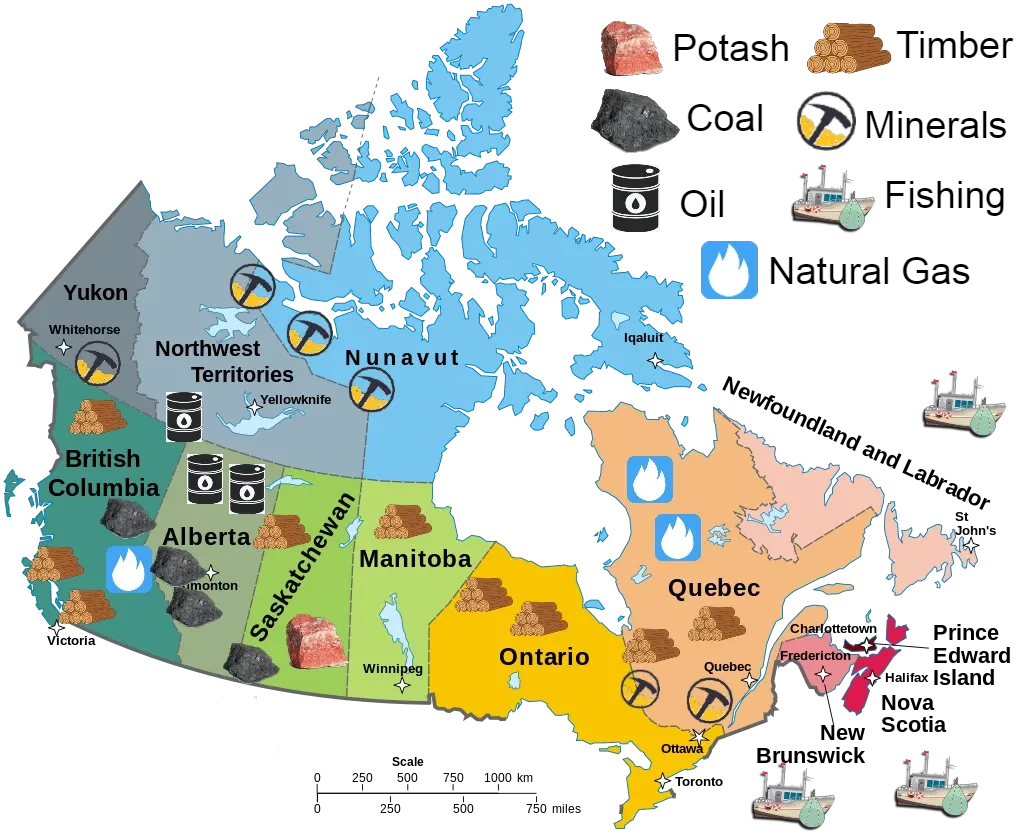
Understanding Natural Resources in the Canadian Landscape
At its core, a natural resource is any material or substance that occurs in nature and has economic value. For Canada, this definition encompasses a staggering array of elements, broadly categorized into renewable and non-renewable resources.
Renewable Resources: The Ever-Renewing Wealth
Renewable resources are those that can be replenished naturally over relatively short periods. Canada’s immense landmass and diverse climate provide an ideal environment for a wealth of these vital assets.
Forests: The Green Gold of Canada
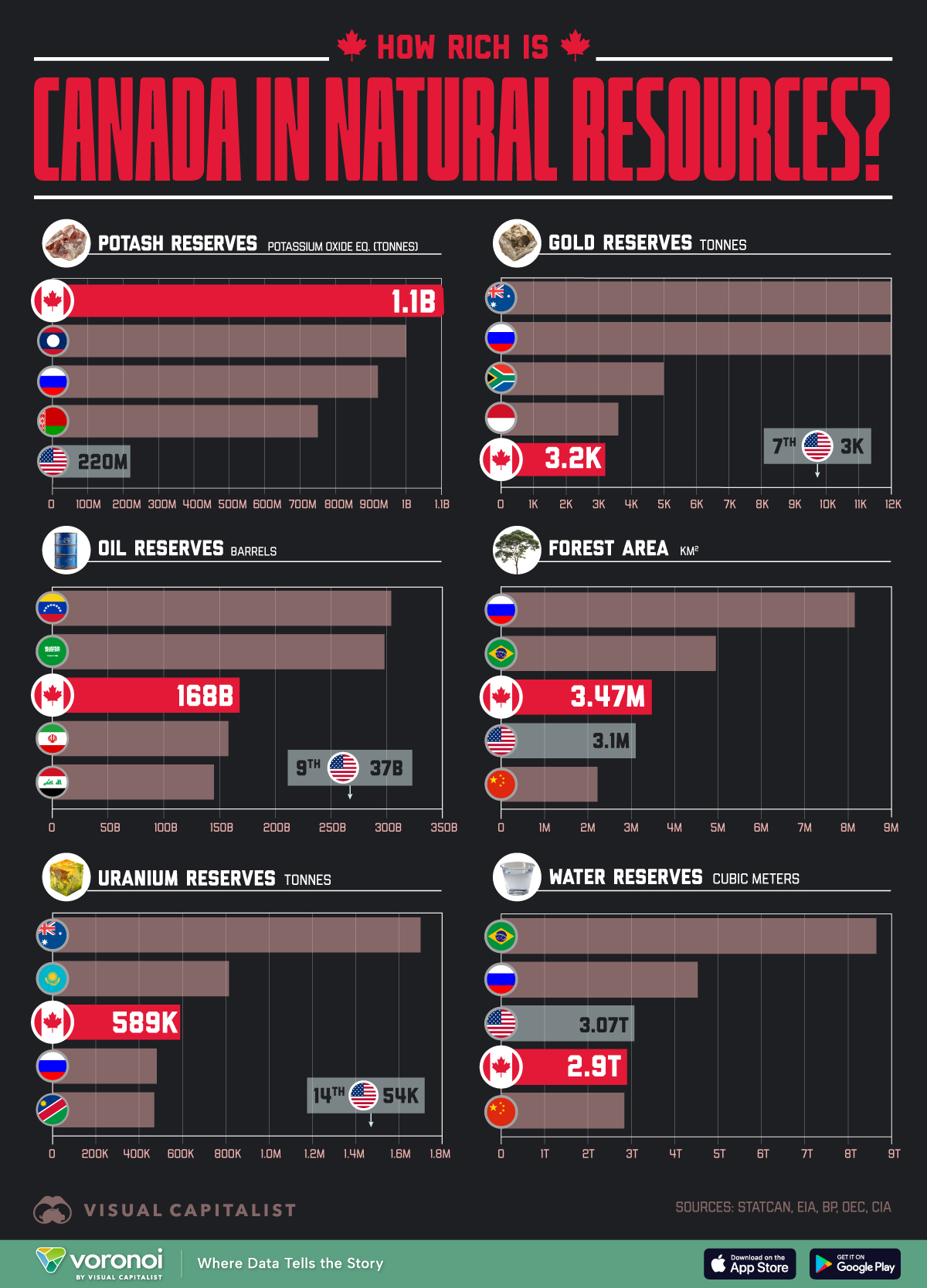
Canada boasts the third-largest forest area in the world, making timber and forest products a cornerstone of its resource economy. These forests are not just sources of wood for construction, paper, and furniture; they also play a crucial role in carbon sequestration, biodiversity preservation, and recreational opportunities. The sustainable management of these vast woodlands is paramount, involving advanced forestry techniques, reforestation efforts, and innovative uses for wood byproducts. Technology plays a significant role here, from satellite imagery for monitoring forest health and detecting wildfires to AI-powered tools for optimizing logging operations and developing bio-based materials.
Water: The Lifeblood of the Nation
Canada possesses an astonishing amount of freshwater, holding approximately 20% of the world’s supply. Water resources are fundamental not only for sustaining life and ecosystems but also for a multitude of economic activities. Hydroelectric power generation is a prime example, providing clean and reliable energy to millions of Canadians and powering industries. Beyond energy, freshwater is essential for agriculture, fisheries, mining, and a thriving tourism sector. The responsible stewardship of these water bodies, from managing pollution to ensuring equitable access, is a continuous challenge and a national priority. Modern water management systems often leverage advanced sensor technology and data analytics to monitor water quality and flow, predicting potential issues and optimizing distribution.
Agriculture: Feeding the Nation and the World
Canada’s fertile prairies and diverse agricultural regions are renowned for producing high-quality food resources. Grains like wheat, canola, and barley, along with livestock, dairy, and specialty crops, contribute significantly to both domestic consumption and global exports. The agricultural sector is increasingly embracing technological advancements, from precision farming using GPS and drones to genetically modified crops that offer improved yields and resilience. Digital platforms are also transforming how farmers manage their operations, access market information, and connect with consumers.
Fisheries: Harvesting the Bounty of the Seas and Lakes
With extensive coastlines on three oceans and thousands of lakes, Canada’s fisheries are a vital natural resource. Both marine and freshwater fish stocks provide sustenance and economic opportunities for coastal and inland communities. Sustainable fishing practices, enforced through quotas and monitoring, are crucial for ensuring the long-term health of these populations. Technology aids in stock assessment, vessel tracking, and the development of more efficient and environmentally friendly fishing gear.
Non-Renewable Resources: The Earth’s Enduring Treasures
Non-renewable resources are finite and take millions of years to form. Canada’s geological bounty includes a diverse range of these valuable commodities.
Minerals and Metals: The Building Blocks of Industry
Canada is a leading global producer of a wide array of minerals and metals. This includes precious metals like gold and silver, base metals such as copper, nickel, and zinc, and essential industrial minerals like potash, diamonds, and uranium. These resources are fundamental to modern manufacturing, construction, and technological advancements. The mining industry in Canada is highly regulated and increasingly focused on sustainable practices, including minimizing environmental impact and promoting worker safety. Advanced exploration techniques, using geophysics and data science, help identify new deposits, while automation and AI are revolutionizing extraction and processing efficiency.
Fossil Fuels: Energy for Today and Tomorrow
Despite the global shift towards renewable energy, fossil fuels – oil, natural gas, and coal – remain significant natural resources for Canada. These resources have historically powered the nation’s economy and continue to play a role in domestic energy supply and international exports. The responsible extraction and utilization of fossil fuels are subjects of ongoing debate and technological innovation, with a growing emphasis on reducing emissions and exploring cleaner extraction methods. The integration of digital technologies, from AI for reservoir management to advanced leak detection systems, is crucial for improving the environmental performance of this sector.
The Interplay of Technology, Branding, and Finance in Resource Management
The extraction, processing, and distribution of Canada’s natural resources are not simply physical endeavors; they are deeply intertwined with sophisticated technological applications, strategic brand building, and robust financial management.
Leveraging Tech for Sustainable Resource Management
Technology is not just a tool for extraction; it’s a critical enabler for responsible and efficient resource management across all sectors.
Precision and Optimization: The AI Advantage
In agriculture, AI tools are transforming how crops are grown. From predictive analytics for weather patterns and disease outbreaks to automated irrigation systems and robotic harvesting, AI optimizes resource use and minimizes waste. In forestry, drones equipped with sensors can monitor forest health, detect early signs of disease or pest infestation, and even assist in planting saplings. For mining operations, AI algorithms can analyze seismic data to identify promising deposits more accurately and efficiently, reducing the need for extensive exploratory drilling. Furthermore, AI-powered systems can optimize energy consumption in processing plants and predict equipment failures, minimizing downtime and enhancing safety.
Digital Security and Data Integrity
As resource operations become increasingly digitized, digital security is paramount. Protecting sensitive operational data, ensuring the integrity of supply chain information, and safeguarding against cyber threats are crucial for maintaining trust and operational continuity. Blockchain technology is also being explored for its potential to enhance transparency and traceability in resource supply chains, from the origin of minerals to the source of sustainably harvested timber.
Enhanced Productivity and Innovation
Productivity in resource sectors is constantly being pushed by technological innovation. From advanced drilling techniques in oil and gas to automated sorting in mineral processing, technology allows for greater output with fewer resources. The development of new apps and gadgets specifically designed for field operations, such as ruggedized tablets for data collection or portable sensors for environmental monitoring, further enhances efficiency and accuracy. Reviews and tutorials on these technologies are essential for ensuring widespread adoption and effective implementation.
Building a Strong Canadian Resource Brand
In the global marketplace, the brand of Canadian natural resources is as important as the resources themselves. Canada’s reputation for quality, reliability, and increasingly, for environmental responsibility, is a significant competitive advantage.
Corporate Identity and Reputation Management
Companies operating in Canada’s resource sectors are increasingly investing in building strong corporate identities that reflect their commitment to sustainability, innovation, and community engagement. Reputation management is a constant effort, requiring transparent communication about environmental practices, social impacts, and economic contributions. Positive case studies highlighting successful sustainable resource projects can significantly bolster the overall brand of Canadian resources.
Marketing and Design in the Resource Sector
Even in seemingly traditional industries, marketing and design play a role. High-quality visuals and compelling narratives are used to promote Canadian resource products to international buyers, emphasizing their origin and quality. The design of packaging for forest products, the branding of ethically sourced agricultural goods, or the marketing of responsibly mined metals all contribute to a positive perception. Personal branding for industry leaders and advocates also helps to shape public perception and build trust.
Navigating the Financial Landscape of Natural Resources
The resource sector is capital-intensive, requiring substantial financial investment for exploration, extraction, processing, and infrastructure development.
Personal and Business Finance Strategies
For individuals, understanding the financial implications of resource development, from employment opportunities to investment in resource-based companies, is important. For businesses, personal finance knowledge is crucial for managing personal investments, while business finance expertise is essential for securing funding, managing costs, and optimizing profitability. This includes understanding commodity markets, hedging strategies, and accessing capital through various financial tools.
Online Income and Side Hustles in the Resource Economy
While traditional resource jobs are significant, the digital age has opened new avenues for online income and side hustles related to the resource sector. This could include freelance work in data analysis for geological surveys, digital marketing for resource-based companies, or even developing educational content about Canada’s natural wealth. Financial tools that facilitate online transactions and investment are therefore increasingly relevant.
Investing in Canada’s Resource Future
Investing in Canada’s natural resources is a significant part of the nation’s economic engine. This can range from individual investments in publicly traded resource companies to large-scale private equity in exploration and development projects. Understanding the risks and rewards associated with these investments, and aligning them with sustainable development goals, is crucial for long-term prosperity.
The Future of Canada’s Natural Resources: Innovation and Sustainability
Canada’s natural resources are not just a legacy of the past; they are the foundation of its future. The ongoing integration of cutting-edge technology, strategic brand positioning, and sound financial management will be critical in ensuring that these resources are utilized in a way that benefits Canadians today and for generations to come. The nation’s commitment to innovation, coupled with its vast natural endowment, positions Canada to remain a global leader in the sustainable and responsible development of its precious natural wealth. The narrative surrounding Canada’s natural resources is evolving, moving beyond simple extraction to encompass a holistic approach that prioritizes environmental stewardship, technological advancement, and long-term economic resilience.
aViewFromTheCave is a participant in the Amazon Services LLC Associates Program, an affiliate advertising program designed to provide a means for sites to earn advertising fees by advertising and linking to Amazon.com. Amazon, the Amazon logo, AmazonSupply, and the AmazonSupply logo are trademarks of Amazon.com, Inc. or its affiliates. As an Amazon Associate we earn affiliate commissions from qualifying purchases.