
The global financial landscape has undergone a seismic shift over the last few years, moving from a decade of historically low borrowing costs into a new era of “higher for longer” interest rates. For anyone managing a household budget, running a business, or looking to grow an investment portfolio, the question of “how are interest rates right now” is more than just a matter of curiosity—it is the fundamental metric that dictates the cost of living and the potential for wealth creation.
Currently, interest rates sit at their highest levels in over two decades. This environment is the result of an aggressive campaign by central banks, led by the Federal Reserve in the United States, to combat the persistent inflation that emerged following the global pandemic. While there have been signals that the peak may have been reached, the transition back to lower rates is proving to be a slow and calculated process. Understanding the nuances of this environment is essential for navigating the current economic climate.
The Macroeconomic Context: Why Rates Are High
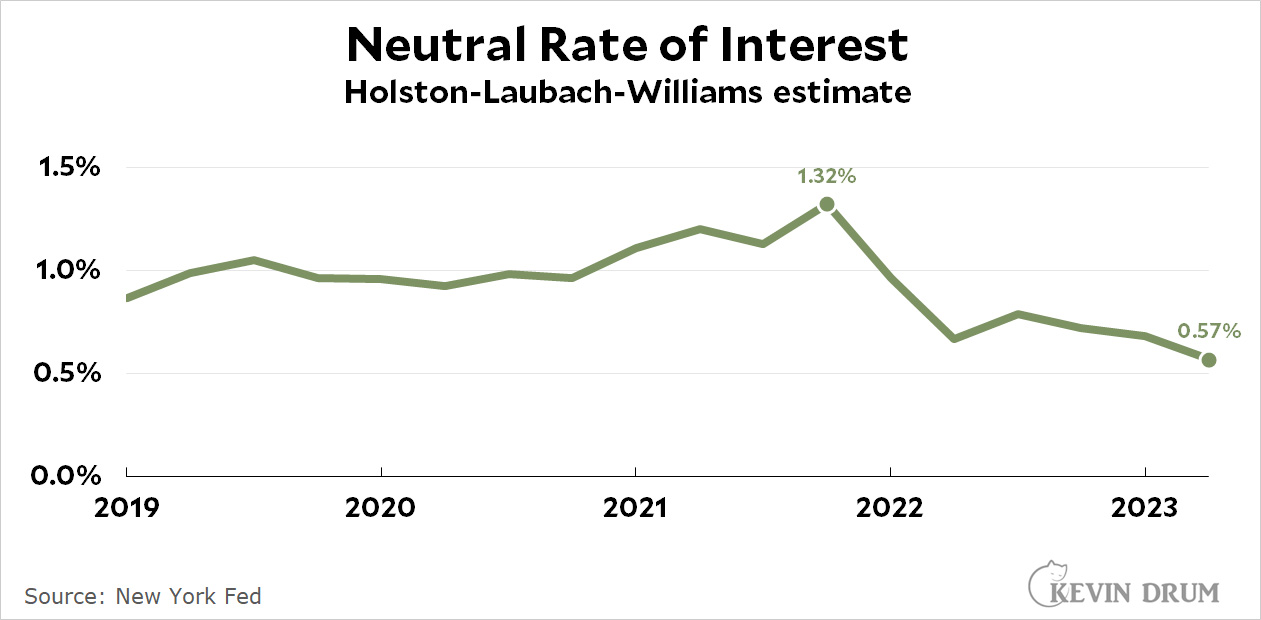
To understand where interest rates are right now, one must first understand why they were raised so aggressively. Central banks primarily use interest rates as a tool to control the money supply and influence economic activity. When inflation rises above the standard 2% target, central banks increase the “federal funds rate”—the interest rate at which commercial banks borrow and lend to each other overnight.
The Fight Against Inflation
The current high-rate environment was born out of necessity. In 2021 and 2022, a combination of supply chain disruptions, massive fiscal stimulus, and pent-up consumer demand sent inflation to levels not seen since the early 1980s. In response, the Federal Reserve initiated one of the fastest tightening cycles in history. By raising the cost of borrowing, the Fed sought to cool the economy, reduce consumer spending, and ultimately bring prices back under control.
The “Higher for Longer” Narrative
As we move through the current year, the dominant theme in the financial markets is “higher for longer.” Even as inflation begins to cool toward the target, the labor market has remained unexpectedly resilient. This strength gives central banks the leeway to keep rates elevated to ensure that inflation does not rebound. For consumers and investors, this means that the days of 3% mortgages and near-zero interest on savings accounts are, for the foreseeable future, a thing of the past.
Global Divergence
It is also important to note that while the U.S. sets the tone, interest rate trends are not uniform across the globe. Some regions, such as the Eurozone and the United Kingdom, are grappling with different inflationary pressures and economic growth rates. However, because the U.S. Dollar is the world’s reserve currency, the Fed’s “right now” stance on rates creates a gravity that pulls on every other major economy, influencing exchange rates and international trade costs.
Impact on Personal Finance and Borrowing
For the average individual, the current state of interest rates is felt most acutely in the cost of debt. From the roof over your head to the car in your driveway, the “price” of money has increased significantly, altering the math of personal finance.
The Mortgage Market Reality
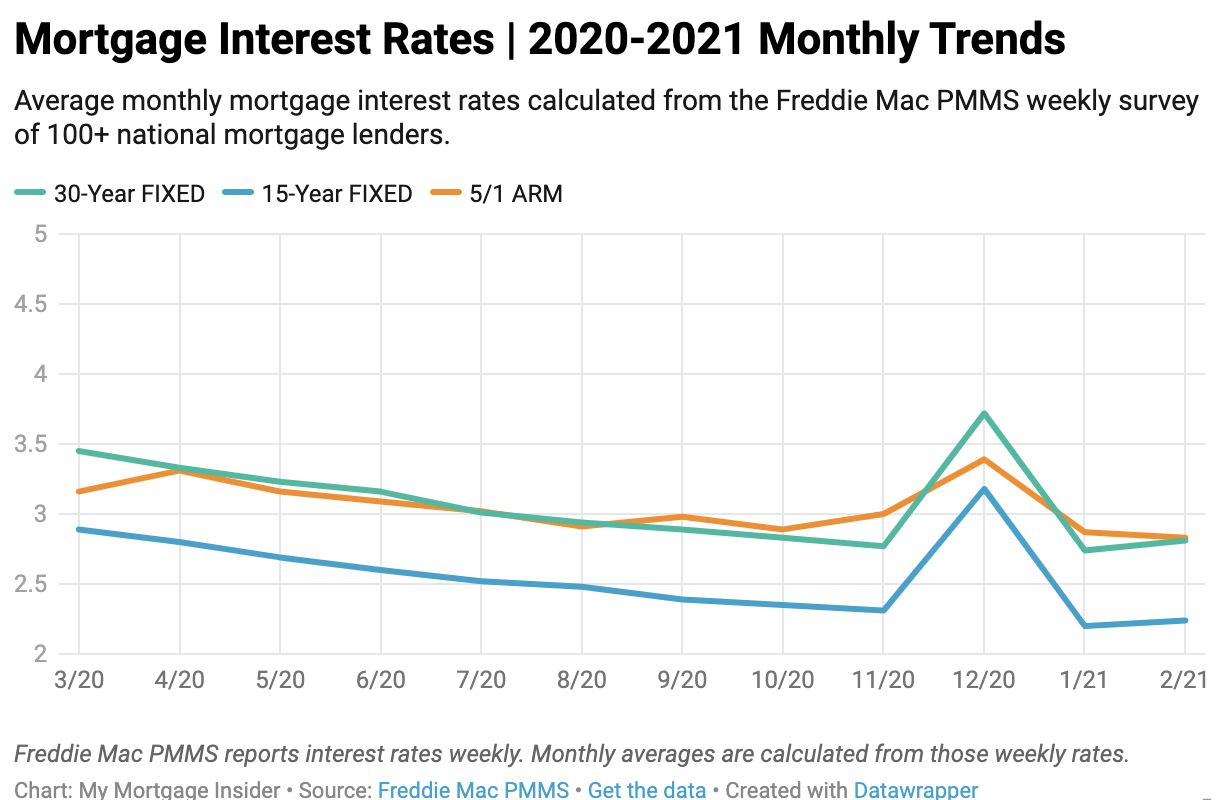
The housing market has been perhaps the most visible victim of high interest rates. Just a few years ago, 30-year fixed-rate mortgages were hovering around 3%. Today, they are significantly higher, often fluctuating between 6.5% and 7.5%. This has created a “lock-in effect,” where homeowners who secured low rates during the pandemic are unwilling to sell and move, as doing so would mean doubling their interest expense.
For prospective buyers, the combination of high home prices and high interest rates has pushed affordability to a generational low. Right now, many buyers are opting for Adjustable-Rate Mortgages (ARMs) or seeking seller concessions to buy down their rates, hoping for a future refinancing opportunity.
Credit Cards and Variable Debt
Credit card interest rates are closely tied to the prime rate, which moves in lockstep with the Federal Reserve’s decisions. Consequently, average credit card APRs have climbed to record highs, often exceeding 20% or even 25%. For those carrying a balance, the cost of interest is compounding at an alarming rate. Financial advisors are currently emphasizing debt “snowball” or “avalanche” methods more than ever, as the cost of procrastination on high-interest debt has never been higher.
Auto Loans and Consumer Credit
The era of “0% APR financing” on new vehicles has largely vanished. Auto loans now frequently carry interest rates in the high single digits or low double digits, depending on credit scores. This shift has forced many consumers to extend their loan terms to seven or even eight years just to keep monthly payments manageable—a risky move that often leads to “negative equity,” where the car is worth less than the remaining loan balance.
Opportunities for Savers and Investors
While high interest rates present a challenge for borrowers, they offer a silver lining for savers. For the first time in nearly twenty years, “cash” is no longer a dead asset. The current environment has revitalized traditional savings vehicles and altered investment strategies.
The Resurgence of High-Yield Savings Accounts (HYSA)
For much of the last decade, savings accounts offered negligible returns, often as low as 0.01%. Right now, however, digital banks and credit unions are offering High-Yield Savings Accounts with rates ranging from 4.00% to over 5.00%. This allows individuals to earn a meaningful return on their emergency funds and short-term savings with zero market risk. It has become a crucial component of a modern personal finance strategy to move dormant cash out of “big box” banks and into these higher-yielding options.
Certificates of Deposit (CDs) and Treasury Bills
Certificates of Deposit (CDs) have also seen a massive comeback. Investors are currently using “CD ladders” to lock in high rates for various durations, protecting themselves against the possibility of future rate cuts. Similarly, U.S. Treasury Bills (T-Bills) are offering yields that rival the long-term average return of the stock market, but with the backing of the U.S. government. For conservative investors or those nearing retirement, the ability to earn 5% on a risk-free asset is a significant tactical advantage.
The Shift in Equity Markets
In the stock market, high interest rates have changed the valuation models for many companies. When rates are high, the “discount rate” used to value future earnings also rises, which typically hits “growth” stocks—like those in the tech sector—the hardest. Conversely, “value” stocks and companies with strong cash flows and low debt tend to perform better in this environment. Investors are currently pivoting toward quality, looking for companies that can fund their own operations without needing to borrow at today’s high prices.
Corporate Finance and the Broader Economy
Beyond the individual, interest rates are the “price of admission” for business growth. The current rate environment is fundamentally changing how companies operate, from tiny startups to multinational conglomerates.
The Cost of Capital for Businesses
For businesses, the cost of capital has increased across the board. Companies that relied on “cheap money” to fuel expansion or fund losses are finding it difficult to survive. We are seeing a shift away from the “growth at all costs” mentality toward a “path to profitability” model. Venture capital has become more discerning, and corporate bond issuance has become more expensive. Businesses are now focused on optimizing their balance sheets, cutting unnecessary costs, and prioritizing projects with the highest internal rates of return.
Commercial Real Estate Concerns
One of the most watched sectors right now is commercial real estate (CRE). Many commercial properties are financed with short-term loans that must be refinanced every few years. As these loans come due in a high-rate environment, property owners are facing significantly higher interest payments at a time when office occupancy remains low due to remote work trends. This “perfect storm” is a key area of focus for economists monitoring potential systemic risks in the banking sector.
Small Business Challenges
Small businesses, which often rely on lines of credit and variable-rate loans, are feeling the squeeze. The cost of financing inventory or expanding a storefront has risen, leading to a slowdown in small business investment. However, those with strong margins are finding ways to adapt by passing some costs to consumers or seeking out specialized Small Business Administration (SBA) loans that may offer slightly more favorable terms than traditional commercial lending.
Looking Ahead: Projections and Strategic Planning
The most common question following “how are interest rates right now” is “where are they going next?” While no one has a crystal ball, the consensus among economists suggests we are at a plateau.
The Pivot Point
The Federal Reserve has indicated that while further hikes are unlikely if inflation stays on its current path, they are in no rush to cut rates. The timing of the first “pivot”—the first move toward lowering rates—is the subject of intense speculation. Most analysts expect a cautious approach, with small, incremental cuts likely to begin only when there is definitive proof that inflation has been defeated without triggering a severe recession.
Preparing for Volatility
For the individual, the best strategy right now is one of flexibility. If you need to borrow, look for opportunities to refinance in the future. If you have extra cash, lock in high-yield CDs or Treasuries while they are still available. For investors, diversification remains the best defense against the uncertainty of interest rate swings.
Conclusion
Interest rates right now are a double-edged sword. They represent a significant burden for those with debt and a golden opportunity for those with savings. By understanding that we have moved out of the era of “free money” and into an era of “expensive money,” you can make more informed decisions about your mortgage, your investments, and your long-term financial goals. The current landscape requires a higher level of financial literacy and a more proactive approach to money management, but those who adapt to these higher rates are well-positioned to thrive in the years to come.
aViewFromTheCave is a participant in the Amazon Services LLC Associates Program, an affiliate advertising program designed to provide a means for sites to earn advertising fees by advertising and linking to Amazon.com. Amazon, the Amazon logo, AmazonSupply, and the AmazonSupply logo are trademarks of Amazon.com, Inc. or its affiliates. As an Amazon Associate we earn affiliate commissions from qualifying purchases.