
The global financial landscape has undergone a seismic shift over the past 24 months. For nearly a decade, both institutional and retail investors operated in a world of “cheap money,” characterized by near-zero interest rates and aggressive quantitative easing. However, as the post-pandemic economy grappled with historic inflation, central banks—led by the Federal Reserve—pivoted toward one of the most aggressive tightening cycles in history. Today, interest rates sit at a restrictive plateau, creating a complex environment for savers, borrowers, and investors alike.
Understanding where interest rates are today requires looking beyond the raw numbers. It necessitates an analysis of the Federal Reserve’s target range, the behavior of the bond market, and the ripple effects felt across mortgage lending, consumer debt, and corporate finance.
The Federal Funds Rate and the Macroeconomic Backdrop
At the heart of the current interest rate environment is the Federal Funds Rate, the benchmark that dictates the cost of overnight borrowing between banks. As of the current fiscal quarter, the Federal Open Market Committee (FOMC) has maintained the target range at a multi-decade high. This “higher for longer” stance is a deliberate strategy intended to cool an overheating economy and bring the Consumer Price Index (CPI) back toward the long-term goal of 2%.
The Role of the Federal Reserve
The Federal Reserve operates under a dual mandate: maximum employment and price stability. When inflation surged to 40-year highs, the Fed responded by raising the benchmark rate from 0% to over 5% in a remarkably short window. Today, the conversation has shifted from “how high will they go?” to “how long will they stay here?”
The Fed’s current position is one of data-dependency. Policymakers are looking for sustained evidence that inflation is not just slowing, but is on a clear path to the 2% target without causing a major spike in unemployment. For the average consumer, this means the era of ultra-low interest rates is firmly in the rearview mirror.
The Yield Curve and Market Expectations
While the Fed sets short-term rates, the market determines long-term rates through the trading of Treasury bonds. One of the most significant indicators in the current market is the inverted yield curve, where short-term debt instruments yield more than long-term ones. Historically, this has been a harbinger of economic slowdowns. Investors are currently pricing in the expectation that while rates are high today, they will eventually need to fall to stimulate growth, creating a unique dynamic where a 2-year Treasury may offer a higher return than a 10-year Treasury.
The Impact on Real Estate and the Mortgage Market
Perhaps no sector is more sensitive to interest rate fluctuations than real estate. The transition from 3% mortgage rates to rates hovering between 6% and 8% has fundamentally altered the math for homebuyers and sellers.
The “Lock-In” Effect
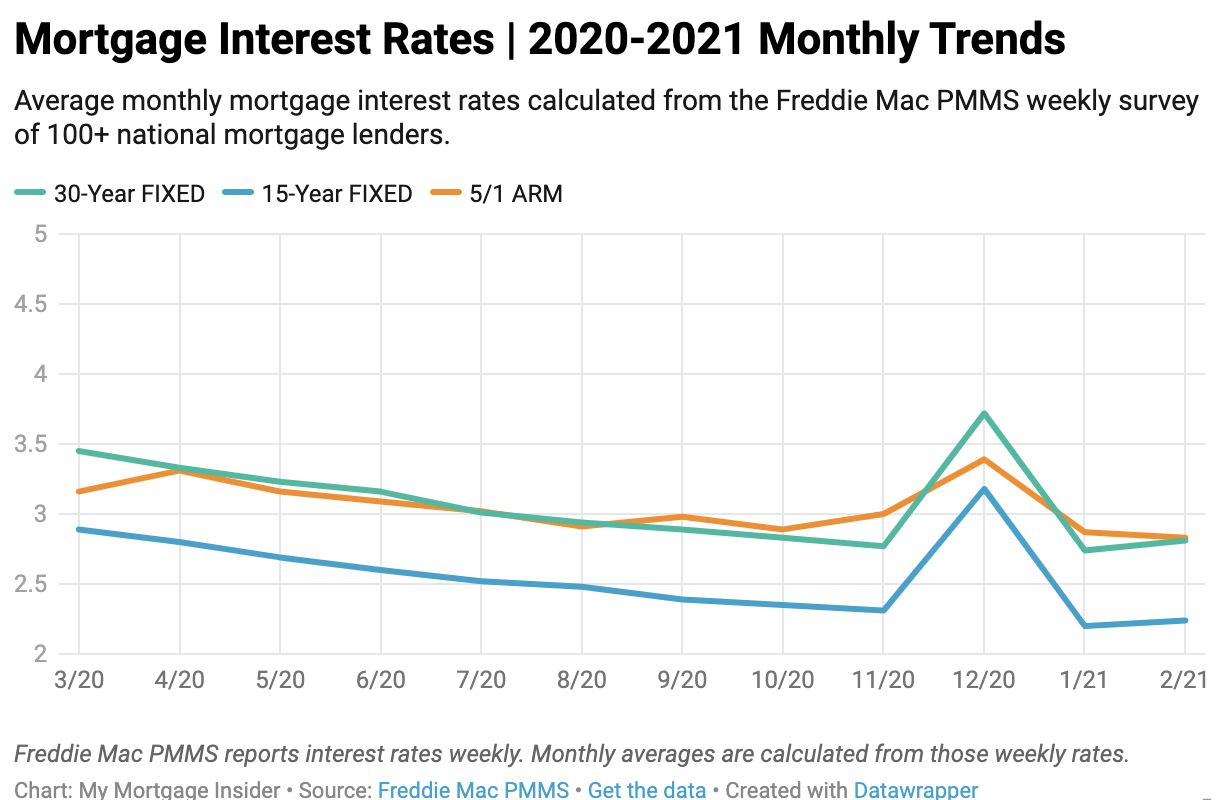
A peculiar phenomenon in today’s market is the “lock-in” effect. Millions of homeowners secured 30-year fixed-rate mortgages at historic lows during 2020 and 2021. Because current rates are significantly higher, these homeowners are reluctant to sell, as doing so would mean trading a 3% mortgage for one at 7%. This has led to a stagnant supply of existing homes, keeping property prices elevated despite the increased cost of borrowing.
Affordability Challenges for New Buyers
For first-time buyers, the current rate environment presents a double-edged sword. Not only are home prices high due to low inventory, but the monthly debt service has nearly doubled compared to three years ago. To combat this, many buyers are turning to Adjustable-Rate Mortgages (ARMs) or temporary buydowns, hoping that they can refinance in the future when the Fed eventually eases its monetary policy.
Commercial Real Estate Concerns
Beyond residential housing, commercial real estate (CRE) is facing a “wall of maturities.” Many commercial loans are medium-term and must be refinanced every five to ten years. As these loans come due in a high-interest-rate environment, property owners are facing much higher debt service costs, often at a time when office occupancy remains below pre-pandemic levels. This sector remains one of the most watched areas of the economy for potential systemic stress.
The Silver Lining: High-Yield Savings and Fixed Income

While high interest rates are a burden for borrowers, they have created the best environment for savers in over fifteen years. For the first time in a generation, “cash” is no longer a drag on a portfolio; it is a productive asset.
The Rise of High-Yield Savings Accounts (HYSAs)
For years, traditional savings accounts offered negligible interest, often as low as 0.01%. Today, online banks and credit unions are offering High-Yield Savings Accounts with Annual Percentage Yields (APYs) exceeding 4% or 5%. This allows individuals to maintain liquidity while earning a return that, in many cases, finally outpaces inflation.
Certificates of Deposit (CDs) and T-Bills
Investors looking to lock in today’s high rates are flocking to Certificates of Deposit and U.S. Treasury Bills. Short-term T-Bills, in particular, have become a favorite for those seeking a “risk-free” return. By laddering CDs or Treasuries, investors can ensure a steady stream of income while protecting their principal from the volatility often found in the equity markets.
The Return of “Income” to Fixed Income
In a low-rate environment, bond investors were often forced to take on significant credit risk to achieve a decent yield. Today, high-quality corporate bonds and municipal bonds are offering attractive coupons. This shift has revitalized the traditional 60/40 portfolio (60% stocks, 40% bonds), as the bond portion can now provide meaningful income and act as a genuine hedge against stock market downturns.
Consumer Credit and the Burden of Variable Debt
While savers celebrate, those carrying variable-interest debt are feeling the squeeze. Interest rates on credit cards, personal loans, and Home Equity Lines of Credit (HELOCs) are directly tied to the Prime Rate, which moves in tandem with the Federal Reserve’s actions.
Credit Card APRs
The average credit card interest rate has climbed to record highs, often exceeding 20-25%. For households carrying a balance, the cost of interest can quickly compound, making it harder to pay down the principal. Financial advisors are increasingly emphasizing debt consolidation and aggressive repayment strategies as essential components of personal finance in this environment.
The Auto Loan Market
The days of 0% financing from auto manufacturers are largely gone. Higher interest rates have driven up the total cost of ownership for vehicles, leading to longer loan terms—sometimes up to 72 or 84 months—as consumers try to keep monthly payments manageable. This trend increases the risk of borrowers falling “underwater” on their loans, owing more than the vehicle is worth.
Strategic Financial Planning for a High-Rate Era
Navigating today’s interest rate environment requires a proactive approach to personal and business finance. Rather than waiting for rates to return to the historical lows of the 2010s—which may not happen for years, if ever—individuals must adapt to the current reality.
Reassessing Investment Portfolios
In a high-rate environment, the “discount rate” applied to future earnings increases. This typically puts pressure on high-growth tech stocks and speculative assets whose valuations are based on earnings far in the future. Conversely, value stocks and companies with strong cash flows often become more attractive. Investors should review their asset allocation to ensure it is balanced for a period where capital has a non-negligible cost.
Building Liquidity Buffers
With the cost of borrowing high, the value of an emergency fund is magnified. Using a high-yield savings account to build a six-month cash cushion can prevent the need to rely on high-interest credit cards or personal loans in the event of an unexpected expense.
Watching the Inflation Indicators
For anyone wondering where rates are headed next, the key lies in the monthly inflation reports (CPI and PCE) and the labor market data. If inflation continues its downward trend toward 2%, the Fed may begin a “normalization” process, gradually lowering rates to a neutral level that neither stimulates nor restricts growth. However, if inflation proves “sticky” or rebounds, rates could remain at these elevated levels for a significant duration.

Conclusion
Interest rates today represent a return to historical norms after an abnormal decade of zero-bound policy. While the transition has been painful for the mortgage and credit markets, it has restored balance to the financial system by rewarding savers and demanding more discipline from borrowers and corporations. Whether you are a homebuyer navigating high monthly payments or a retiree enjoying the best bond yields in years, the current rate environment defines the modern economic era. Staying informed and flexible is the only way to ensure financial stability in a world where the cost of money is no longer free.
aViewFromTheCave is a participant in the Amazon Services LLC Associates Program, an affiliate advertising program designed to provide a means for sites to earn advertising fees by advertising and linking to Amazon.com. Amazon, the Amazon logo, AmazonSupply, and the AmazonSupply logo are trademarks of Amazon.com, Inc. or its affiliates. As an Amazon Associate we earn affiliate commissions from qualifying purchases.