
In the landscape of American personal finance, few numbers carry as much weight as the 30-year fixed mortgage rate. It is the primary barometer for housing affordability, a signal of broader economic health, and the single most important variable for millions of prospective homeowners and refinancers. When consumers ask, “What is today’s mortgage rate?” they are often looking for a simple percentage. However, the reality of mortgage pricing is a complex, shifting target influenced by global bond markets, central bank policy, and individual financial profiles.
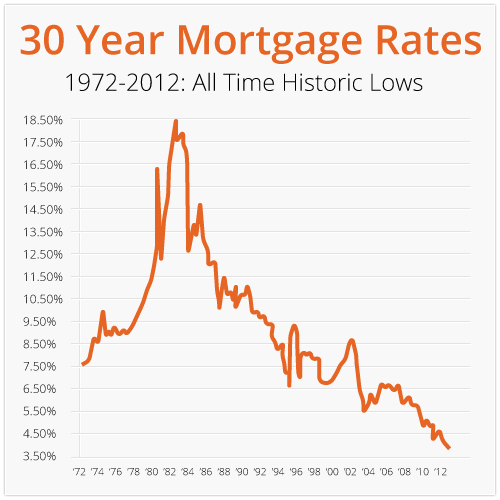
Understanding today’s mortgage rate requires more than a cursory glance at a ticker. It requires an analysis of why these rates move, how they are calculated for the individual borrower, and how to position oneself to secure the most favorable terms in a volatile economic environment.
Understanding the Macroeconomic Drivers of Mortgage Rates
Mortgage rates do not exist in a vacuum. They are deeply interconnected with the broader financial markets, specifically the bond market. While many people believe the Federal Reserve sets mortgage rates directly, the relationship is more indirect.
The 10-Year Treasury Yield Connection
The most reliable predictor for the movement of the 30-year fixed mortgage rate is the yield on the 10-year Treasury note. Mortgage-backed securities (MBS), which are bundles of home loans sold to investors, compete for the same pool of capital as government bonds. Because mortgages carry more risk than government debt—due to the possibility of default or early payoff—investors demand a higher return on MBS. This “spread” typically fluctuates between 150 and 300 basis points. When the 10-year Treasury yield rises due to economic growth or inflation fears, mortgage rates almost invariably follow suit.
Inflation and the Federal Reserve
Inflation is the natural enemy of fixed-income investments. Because a 30-year mortgage pays a fixed amount of interest over three decades, the purchasing power of that interest can be eroded if inflation runs high. To compensate for this risk, lenders increase rates when inflation expectations rise.
The Federal Reserve influences this through its management of the federal funds rate. While the “Fed rate” is a short-term benchmark for banks, its movement signals the central bank’s stance on inflation. When the Fed raises rates to cool an overheating economy, long-term yields often climb, pushing 30-year mortgage rates higher. Conversely, when the Fed signals a “pivot” toward lower rates to stimulate the economy, the bond market often rallies, leading to a dip in mortgage pricing before the Fed even makes an official move.
Why the 30-Year Fixed Remains the Gold Standard
Despite the emergence of various loan products over the decades, the 30-year fixed-rate mortgage remains the most popular choice for U.S. borrowers. Its dominance is rooted in the unique combination of predictability and long-term planning it offers.
Stability in Volatile Markets
The primary advantage of the 30-year fixed loan is the “fixed” element. In a world of fluctuating costs—from rising property taxes to varying utility bills—the principal and interest payment of a fixed-rate mortgage remains constant. For a household managing a budget, this predictability is invaluable. It protects the homeowner from “payment shock,” which can occur with adjustable-rate mortgages (ARMs) when interest rates climb during the adjustment period.
The Role of Inflation Hedging
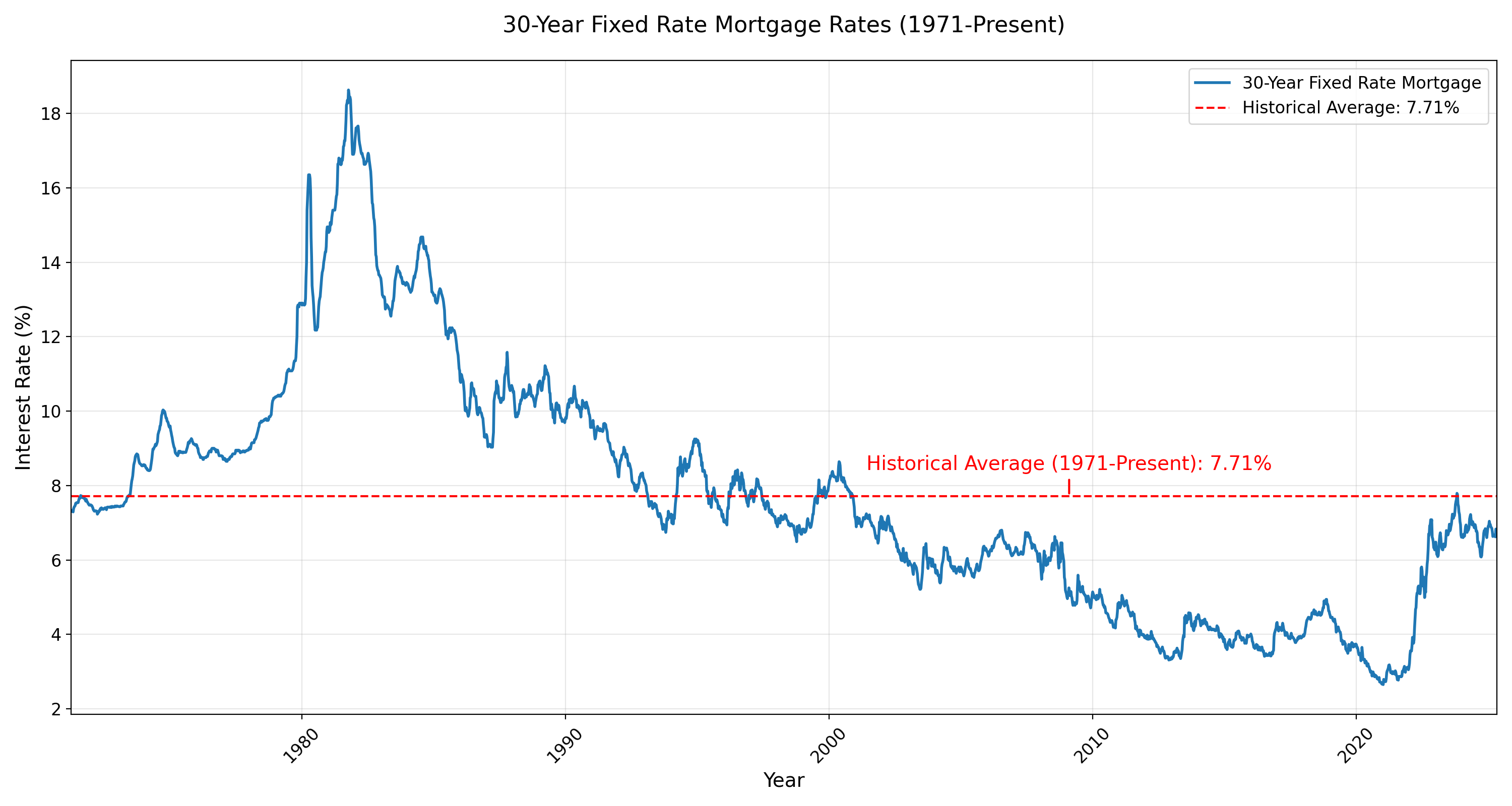
From a sophisticated personal finance perspective, a 30-year fixed mortgage serves as a powerful hedge against inflation. If you lock in a rate of 6% or 7% while inflation sits at 3% or 4%, you are essentially paying back the bank with “cheaper” dollars over time. As your wages likely increase with inflation over thirty years, your mortgage payment becomes a smaller percentage of your monthly income. This “inflationary discount” is a primary reason why many financial advisors suggest not rushing to pay off a low-interest mortgage early.
Factors That Determine Your Personal Mortgage Rate
When you see a headline stating that today’s average 30-year fixed rate is a specific number, it is important to remember that this is an average for “prime” borrowers. Your actual quote may differ significantly based on your unique financial profile.
Credit Score and Debt-to-Income Ratio
Your FICO score is the most significant individual factor in the rate you are offered. Lenders use this score to categorize you into risk tiers. A borrower with a score of 780 or higher will often receive the “par” rate—the best available rate without paying extra. Conversely, a borrower with a score in the 640s may face a rate that is 1% to 1.5% higher to compensate the lender for the increased risk of default.
Similarly, your Debt-to-Income (DTI) ratio tells the lender how much of your monthly gross income is already committed to debt payments. While a high DTI might not always raise your interest rate, it can limit the loan programs you qualify for, forcing you into higher-priced products.
Down Payment and Loan-to-Value (LTV)
The more equity you have in the home, the less risk the lender assumes. A borrower putting down 20% is often viewed more favorably than one putting down 3.5% or 5%. However, there is a nuance here: loans with less than 20% down require Private Mortgage Insurance (PMI). In some cases, because PMI protects the lender, the interest rate on a low-down-payment loan might actually be slightly lower than a high-down-payment loan, though the total monthly cost will be higher due to the insurance premium.
Strategizing Your Entry into Today’s Market
Given the daily volatility of mortgage rates, timing your entry and choosing the right strategy can save you tens of thousands of dollars over the life of the loan.
To Lock or to Float?
Once you apply for a mortgage, you have the option to “lock” your rate. A rate lock guarantees your interest rate for a specific period (usually 30 to 60 days) while your loan is being processed. Deciding when to lock is a gamble. If rates are trending downward, you might “float” the rate in hopes of a lower quote. However, if an economic report (like the Consumer Price Index or Jobs Report) comes out stronger than expected, rates could jump overnight. In a high-rate environment, locking early is often the safer play to protect your qualification status.
The Math of Mortgage Points
Borrowers often have the option to “buy down” their interest rate by paying discount points at closing. One point typically costs 1% of the loan amount and reduces the interest rate by approximately 0.25%.
To determine if points are worth it, you must calculate the “break-even point.” For example, if paying $4,000 in points saves you $100 a month, it will take you 40 months to break even. If you plan to stay in the home for ten years, points are a wise investment. If you plan to move or refinance in two years, you are better off keeping that cash in your pocket.
The Long-Term Financial Impact of Your Interest Rate
It is easy to get caught up in the difference between a 6.5% rate and a 7.0% rate, but the true impact is best understood through the lens of total interest paid and amortization.
Amortization and Total Interest
On a $400,000 loan, the difference between a 6% and a 7% interest rate is roughly $260 per month. While that might seem manageable, over the 30-year life of the loan, the 7% rate results in nearly $94,000 more in total interest payments. Understanding this scale is crucial for long-term wealth building. Higher rates require a more aggressive look at refinancing options in the future or considering shorter loan terms, like a 15-year fixed, if the budget allows.
The “Marry the House, Date the Rate” Philosophy
A common mantra in today’s real estate market is “Marry the house, date the rate.” This philosophy suggests that if you find the right property, you should purchase it even if today’s rates are higher than historical lows. The logic is that you can refinance into a lower rate if and when the market improves, but you cannot “refinance” the purchase price of the home.
However, this strategy requires caution. A borrower should never take on a mortgage they cannot afford today, banking on a future refinance that isn’t guaranteed. Market conditions could keep rates elevated for years, or home values could dip, making it difficult to find the equity needed for a refinance.

Conclusion
Today’s 30-year fixed mortgage rate is a reflection of a globalized, highly sensitive financial ecosystem. While the numbers on the screen may change daily, the principles of securing a good rate remain the same: maintain a strong credit profile, understand the relationship between the bond market and your quote, and run the long-term math on points and amortization. By staying informed on these financial levers, you can navigate the complexities of home financing with confidence, turning a simple interest rate into a strategic tool for personal wealth.
aViewFromTheCave is a participant in the Amazon Services LLC Associates Program, an affiliate advertising program designed to provide a means for sites to earn advertising fees by advertising and linking to Amazon.com. Amazon, the Amazon logo, AmazonSupply, and the AmazonSupply logo are trademarks of Amazon.com, Inc. or its affiliates. As an Amazon Associate we earn affiliate commissions from qualifying purchases.