
The question of where mortgage rates stand today is more than just a matter of daily percentage points; it is a reflection of the broader pulse of the global economy, the health of the labor market, and the strategic maneuvering of the Federal Reserve. For prospective homebuyers, current homeowners, and real estate investors, the movement of these rates represents the difference between a manageable monthly payment and a financial burden that could reshape a household’s long-term wealth trajectory. Understanding today’s mortgage landscape requires looking past the surface-level numbers to the underlying economic drivers that dictate the cost of borrowing.
The Macroeconomic Forces Driving Today’s Mortgage Rates
Mortgage rates do not exist in a vacuum. They are the result of a complex interplay between federal policy, investor sentiment, and inflationary pressures. To understand why rates are at their current levels, one must first look at the mechanisms that the Federal Reserve employs to stabilize the economy.
The Federal Reserve and the Federal Funds Rate
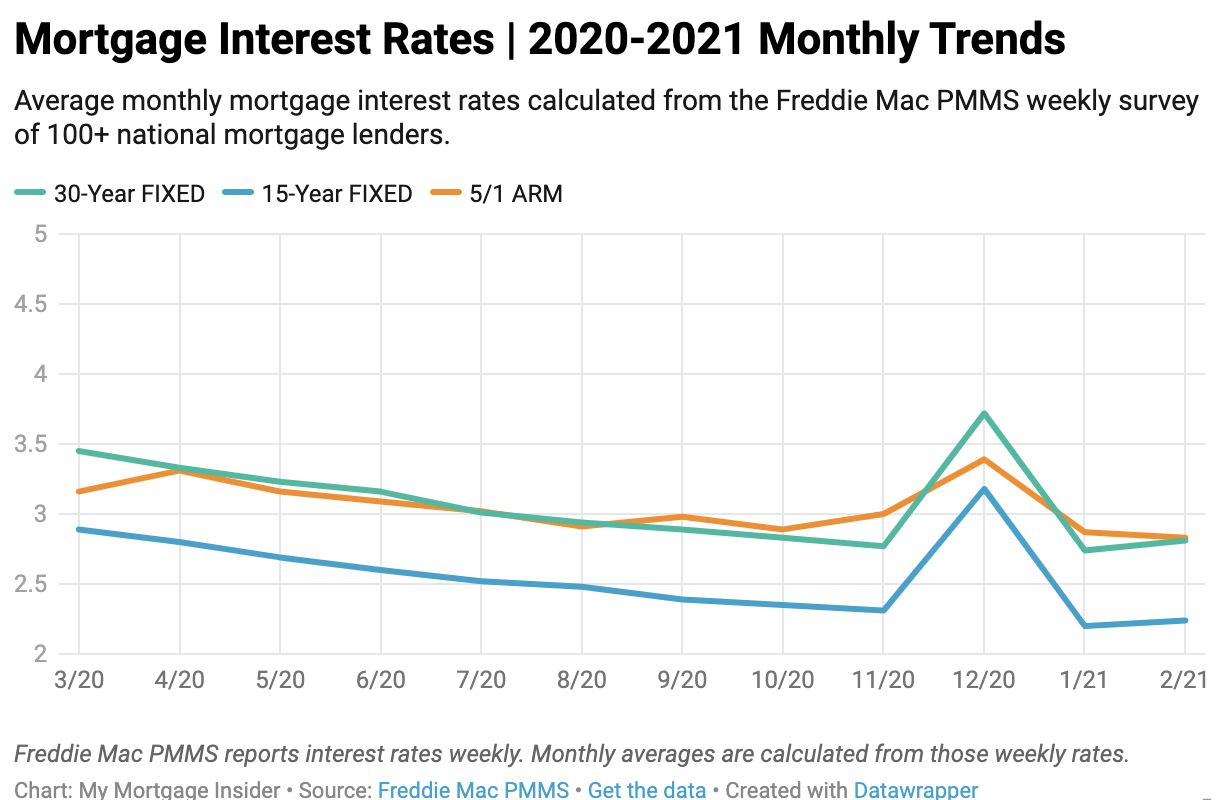
While the Federal Reserve does not directly set mortgage rates, its influence is profound. The Federal Funds Rate—the interest rate at which commercial banks borrow and lend to one another overnight—serves as the benchmark for short-term interest rates. When the Fed raises this rate to combat inflation, the cost of borrowing increases across the board. This ripple effect eventually reaches the mortgage market. In recent years, the aggressive stance of the Fed in response to post-pandemic inflation has led to a significant upward shift in mortgage costs, moving them away from the historic lows seen in 2020 and 2021.
The Influence of the 10-Year Treasury Yield
One of the most reliable indicators of mortgage rate movement is the yield on the 10-year U.S. Treasury note. Mortgage-backed securities (MBS) compete with Treasuries for investor dollars. Because investors view Treasury notes as a “risk-free” asset, they demand a higher yield on mortgages to compensate for the added risk of default and prepayment. Consequently, when the 10-year Treasury yield rises, mortgage rates almost invariably follow suit. Monitoring the daily fluctuations of the bond market is often more instructive for predicting immediate mortgage trends than following any other single metric.
Inflation and the Consumer Price Index (CPI)
Inflation is the natural enemy of fixed-income investments like mortgages. If inflation is high, the purchasing power of the future dollars paid back by a borrower is diminished. To offset this loss, lenders demand higher interest rates. The release of monthly Consumer Price Index (CPI) data is a high-volatility event for mortgage rates. If the data shows that inflation is cooling faster than expected, rates often dip; if inflation remains “sticky” or higher than anticipated, the market braces for a “higher for longer” rate environment.
Breaking Down Current Loan Options and Their Cost Implications
In a market where rates are higher than the previous decade’s average, the choice of loan product becomes a critical strategic decision. Today’s borrowers are looking beyond the standard 30-year fixed-rate mortgage to find ways to lower their initial costs or hedge against future market shifts.
The 30-Year Fixed-Rate Mortgage: Stability at a Premium
The 30-year fixed-rate mortgage remains the gold standard for American homebuyers due to the payment stability it offers. However, in today’s environment, this stability comes with a higher interest rate compared to shorter-term or adjustable options. Borrowers opting for this product are prioritizing the certainty that their principal and interest payment will never change, regardless of how high inflation or market rates may climb in the future. It is a long-term hedge against a volatile economy.
15-Year Fixed-Rate Mortgages: Building Equity Faster
For those with the financial flexibility to handle a higher monthly payment, the 15-year fixed-rate mortgage offers a significantly lower interest rate than its 30-year counterpart. Because the lender’s risk is concentrated over a shorter duration, and because the principal is paid down much faster, the total interest paid over the life of the loan is drastically reduced. In today’s market, this is a favored strategy for high-earning individuals looking to maximize their net worth through rapid equity accumulation.
Adjustable-Rate Mortgages (ARMs) in a High-Rate Market
Adjustable-rate mortgages have seen a resurgence in popularity as traditional rates have climbed. An ARM typically offers a lower “teaser” rate for an initial period (often 5, 7, or 10 years) before adjusting annually based on market indices. For buyers who plan to sell or refinance before the initial period ends, an ARM can be a savvy financial tool to lower monthly expenses. However, the risk is inherent: if rates are even higher when the adjustment period arrives, the borrower could face a “payment shock” that strains their monthly cash flow.
Optimizing Your Personal Finances for the Best Possible Rate
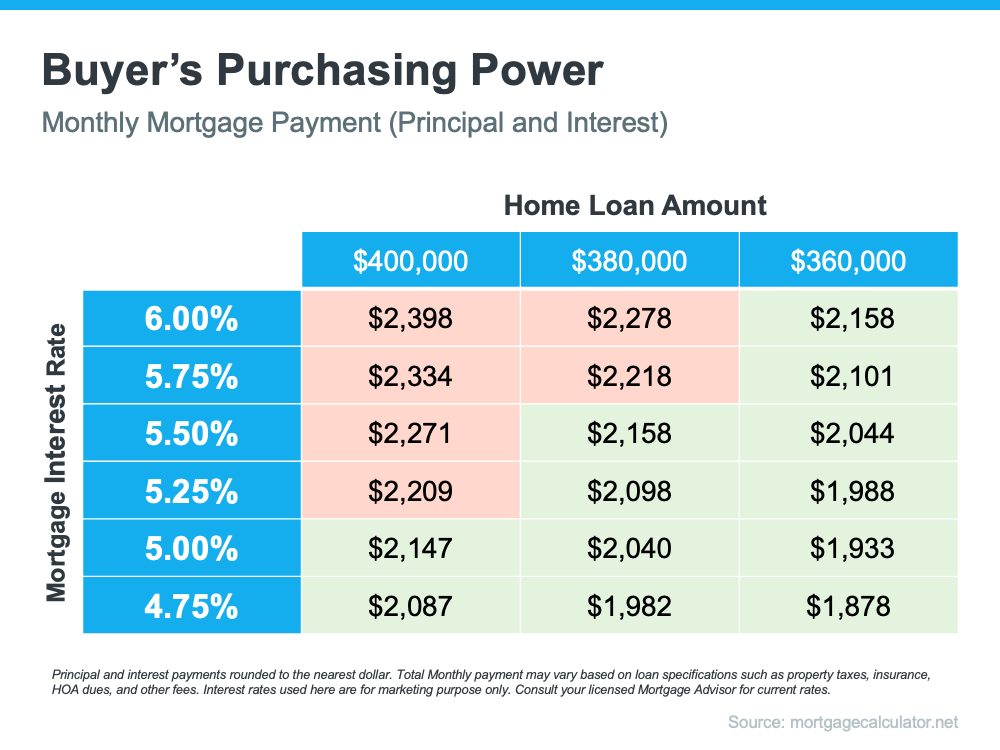
While macroeconomic factors set the “floor” for mortgage rates, your individual financial profile determines the “spread” or the premium you pay above that floor. In a competitive lending environment, small improvements in your financial standing can result in tens of thousands of dollars in savings over the life of the loan.
The Power of the Credit Score
Your credit score is the single most influential factor in the specific rate a lender offers you. Lenders use tiered pricing; a borrower with a score of 760 or higher will receive the most favorable terms, while a borrower with a score of 620 may face rates that are 1% to 1.5% higher. In today’s market, where rates are already elevated, maintaining a top-tier credit score is essential. This involves keeping credit utilization low, ensuring a perfect payment history, and avoiding new credit inquiries in the months leading up to a mortgage application.
Debt-to-Income (DTI) Ratio and Loan-to-Value (LTV)
Lenders evaluate your ability to repay the loan by looking at your DTI ratio—the percentage of your gross monthly income that goes toward paying debts. A lower DTI suggests a lower risk of default, which can sometimes help in securing a more competitive rate or better loan terms. Similarly, the Loan-to-Value ratio—the amount you are borrowing compared to the value of the home—plays a major role. A larger down payment reduces the LTV, often eliminating the need for Private Mortgage Insurance (PMI) and providing the lender with a larger cushion of equity, which can lead to a lower interest rate.
Shopping for Lenders and Locking Your Rate
Mortgage rates can vary significantly from one lender to another. Traditional banks, credit unions, and online mortgage brokers all have different overhead costs and risk tolerances. Borrowers are often surprised to find that by obtaining three to five different Loan Estimates, they can find variations of 0.25% or more in the offered rate. Furthermore, once a favorable rate is found, “locking” that rate is crucial. In a volatile market, a rate that is available at 9:00 AM may be gone by 3:00 PM.
Strategic Timing: Is Now the Right Time to Buy or Refinance?
The decision to enter the mortgage market today is often a struggle between the “cost of waiting” and the “cost of borrowing.” Financial experts often suggest that you “marry the house and date the rate,” implying that the physical asset is the priority, while the financing can be adjusted later.
The “Cost of Waiting” vs. Home Price Appreciation
Many potential buyers are waiting for mortgage rates to drop before they enter the market. However, there is a strategic risk to this approach. If rates drop significantly, a flood of sidelined buyers may return to the market, driving up home prices through increased competition and bidding wars. Often, the increase in the home’s purchase price can outweigh the savings gained from a slightly lower interest rate. Buyers must calculate whether the potential for immediate equity growth in a less competitive market is worth the higher monthly interest expense.
Refinancing Strategies for Current Homeowners
For those who purchased a home during the peak rate periods of the last two years, the focus is on “rate-and-term” refinancing. When market rates drop approximately 0.75% to 1% below a borrower’s current rate, the math often supports a refinance. This move reduces the monthly payment and the total interest paid over time. However, homeowners must account for closing costs, which typically range from 2% to 5% of the loan amount. If the “break-even point”—the time it takes for the monthly savings to cover the closing costs—is less than two or three years, refinancing is generally considered a sound financial move.
Cash-Out Refinancing and Home Equity Lines of Credit (HELOC)
In a high-rate environment, homeowners who have significant equity but low-interest primary mortgages (e.g., 3%) are often hesitant to do a traditional cash-out refinance, as it would require them to trade their entire low-rate loan for a much higher one. Instead, many are turning to HELOCs or second mortgages to access their equity for home improvements or debt consolidation. This allows them to keep their primary low-interest rate intact while only paying the current market rate on the specific amount of equity they choose to withdraw.

Navigating the Future of the Mortgage Market
Looking forward, the trajectory of mortgage rates will continue to be tied to the delicate balance of the U.S. economy. As the Federal Reserve moves closer to its 2% inflation target, the market anticipates a gradual stabilization and a potential easing of rates. However, “stability” in the new era of personal finance may look different than the ultra-low rates of the 2010s.
Economists generally agree that the era of 3% mortgage rates was an anomaly, driven by unprecedented global events and massive monetary intervention. Today’s rates, while higher than the recent past, are actually closer to the long-term historical average of the last 50 years. Success in today’s mortgage market requires a shift in mindset: moving away from waiting for “perfect” conditions and toward optimizing the financial variables within one’s control.
By focusing on credit health, understanding the nuances of different loan products, and keeping a close eye on the bond market’s reaction to economic data, consumers can make informed, proactive decisions. Whether you are a first-time buyer looking to enter the market or an investor looking to expand a portfolio, the goal remains the same: to secure a financing structure that supports long-term wealth creation while remaining resilient in the face of an ever-changing economic environment. Mortgage rates today are a challenge, but for the prepared borrower, they also represent an opportunity to participate in the most fundamental pillar of the American financial system: homeownership.
aViewFromTheCave is a participant in the Amazon Services LLC Associates Program, an affiliate advertising program designed to provide a means for sites to earn advertising fees by advertising and linking to Amazon.com. Amazon, the Amazon logo, AmazonSupply, and the AmazonSupply logo are trademarks of Amazon.com, Inc. or its affiliates. As an Amazon Associate we earn affiliate commissions from qualifying purchases.