
The acronym MSDS, which stands for Material Safety Data Sheet, might conjure images of laboratories and industrial settings. However, its underlying principles – understanding and communicating potential hazards of substances – are remarkably relevant across a broader spectrum of modern life, especially within the tech, brand, and money sectors we explore. While you won’t typically find an MSDS for a piece of software or a marketing campaign, the concept of identifying, assessing, and mitigating risks associated with the tools and materials we use is fundamental to success and safety in these domains. This article will delve into the core purpose of an MSDS sheet and then explore how its spirit of diligent risk assessment and transparent communication translates into best practices within the technology, branding, and financial landscapes.
The Core Purpose of an MSDS Sheet: Safety Through Information
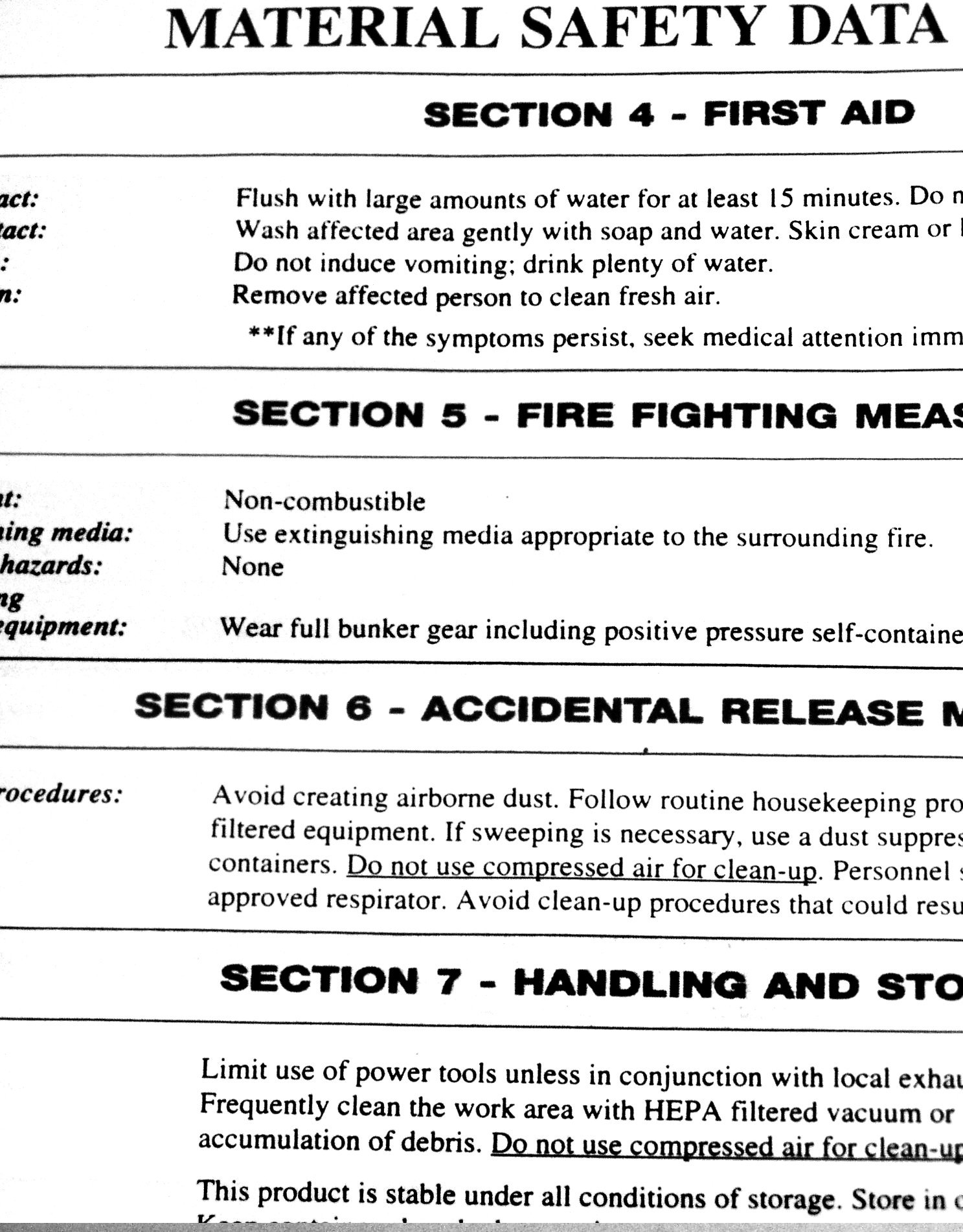
At its heart, an MSDS sheet is a standardized document that provides comprehensive information about a chemical substance or mixture. Its primary objective is to inform users, handlers, and emergency responders about the potential hazards associated with a material and outline safe handling, storage, and disposal procedures. Think of it as an owner’s manual for potentially dangerous substances, ensuring that everyone who interacts with them does so with a clear understanding of the risks involved and how to minimize them.
The typical MSDS sheet is structured into several key sections, each serving a specific purpose:
- Identification: This section provides the product name, manufacturer or supplier contact information, and recommended uses or restrictions. It’s the first step in knowing exactly what you’re dealing with.
- Hazard(s) Identification: This is a critical part, detailing the potential health, physical, and environmental hazards. It often includes hazard pictograms, signal words (like “Danger” or “Warning”), and hazard statements to quickly convey the severity of risks.
- Composition/Information on Ingredients: For mixtures, this section lists the chemical components and their respective concentrations. This is crucial for understanding what exactly makes up the substance and any specific hazards associated with its individual parts.
- First-Aid Measures: In the event of exposure, this section provides clear instructions on how to administer first aid. It covers different routes of exposure, such as inhalation, skin contact, eye contact, and ingestion.
- Fire-Fighting Measures: This outlines appropriate extinguishing media, special hazards arising from the substance during a fire, and protective equipment for firefighters.
- Accidental Release Measures: This section details procedures for containing and cleaning up spills or leaks, including personal protective equipment (PPE) recommendations and environmental precautions.
- Handling and Storage: This provides guidance on safe handling practices to prevent exposure and recommendations for proper storage conditions to maintain product integrity and prevent accidents.
- Exposure Controls/Personal Protection: This section specifies exposure limits (if any) and recommends engineering controls (like ventilation) and personal protective equipment (such as gloves, safety glasses, or respirators) to minimize risk.
- Physical and Chemical Properties: This describes the substance’s physical characteristics, such as appearance, odor, melting point, boiling point, and flammability. This information can be vital for understanding its behavior and potential hazards.
- Stability and Reactivity: This section details the chemical stability of the substance and its potential for hazardous reactions with other materials or under specific conditions.
- Toxicological Information: This provides information on the health effects of exposure, including acute and chronic toxicity data, routes of exposure, and symptoms.
- Ecological Information: This assesses the potential environmental impact of the substance, including its persistence, biodegradability, and toxicity to aquatic life.
- Disposal Considerations: This offers guidance on safe and environmentally sound disposal methods for the substance and its contaminated packaging.
- Transport Information: This provides information relevant to the transportation of the substance, including UN numbers, hazard classes, and packing groups.
- Regulatory Information: This section lists any applicable regulations and standards related to the substance.
- Other Information: This may include the date of preparation or last revision of the MSDS.
The overarching goal of an MSDS is to empower individuals and organizations with the knowledge needed to work safely with hazardous materials, prevent accidents, and respond effectively in emergencies. This proactive approach to risk management is not just a legal requirement in many industries; it’s a fundamental ethical obligation.
Translating MSDS Principles to the Tech Landscape: Digital Safety and Software Integrity
While you won’t find an MSDS for your latest smartphone or a cloud-based productivity suite, the spirit of understanding potential risks and ensuring safe usage is deeply embedded in the technology sector. The “materials” here are digital, and the “hazards” range from data breaches and system failures to the unintended consequences of poorly designed AI.
H2: Navigating the Digital Terrain: Understanding and Mitigating Tech-Related Risks
In the realm of technology, the concept analogous to an MSDS sheet revolves around digital security, software integrity, and responsible innovation. Just as an MSDS helps prevent physical harm from chemicals, understanding digital risks helps protect individuals and organizations from financial loss, reputational damage, and operational disruption.
H3: Software and App Safety: Beyond the Download Button
When we download an app or install new software, we are essentially bringing a complex set of code into our digital environment. While there isn’t a physical MSDS, the information we should be seeking is akin to its safety data. This includes:
- Permissions and Data Access: Apps often request access to your contacts, location, camera, microphone, and more. Understanding what data an app collects and how it will be used is crucial. This is your “hazard identification” for privacy.
- Privacy Policies: These lengthy documents, though often unread, serve a similar purpose to the “toxicological” and “ecological” information in an MSDS. They detail how your data will be handled, stored, and shared, and what measures are in place to protect it.
- Reputation and Reviews: Just as an MSDS provides information about the manufacturer, the reputation of a software developer and user reviews can offer insights into potential bugs, security vulnerabilities, or user dissatisfaction. This is your “brand reputation” assessment for a digital product.
- Updates and Patching: Software and app developers release updates not only to add new features but also to fix bugs and patch security vulnerabilities. Ignoring these updates is akin to ignoring safety warnings – it leaves you exposed to known risks. This is your “handling and storage” best practice for digital assets.
- Source Code Transparency (Open Source): For open-source software, the availability of source code allows for greater scrutiny, similar to how detailed ingredient lists on an MSDS enable expert analysis. This transparency can help identify potential “hidden ingredients” or vulnerabilities.
The “accidental release” in the tech world could be a data breach, a malware infection, or a system-wide outage. Having robust digital security protocols, firewalls, antivirus software, and regular backups are the digital equivalents of “fire-fighting measures” and “accidental release measures” outlined in an MSDS.
H3: AI Tools and Emerging Technologies: Predicting and Managing the Unforeseen
The rise of Artificial Intelligence (AI) introduces new layers of complexity. While AI itself isn’t a chemical, the algorithms, datasets, and outputs can have tangible impacts. The principles of MSDS are vital for the responsible development and deployment of AI:
- Algorithmic Bias: Just as a chemical might have inherent toxic properties, AI algorithms can exhibit bias based on the data they are trained on. Understanding and mitigating this bias is a crucial aspect of responsible AI development, akin to understanding the “hazard identification” of a substance.
- Explainability and Transparency: The “black box” nature of some AI systems poses a challenge. Efforts towards explainable AI (XAI) aim to provide insights into how AI makes decisions, similar to how an MSDS details the properties and reactions of a chemical.
- Ethical Considerations: The ethical implications of AI, such as job displacement, privacy concerns, and the potential for misuse, require careful consideration and risk assessment, mirroring the “regulatory information” and “other information” sections that highlight broader societal and legal implications.
- Data Provenance and Quality: The quality and origin of the data used to train AI models are critical. Inaccurate or biased data can lead to flawed outputs, much like using a chemical with an incorrect or outdated MSDS can lead to accidents.
The “handling and storage” of AI tools involves secure deployment, access controls, and continuous monitoring. The “disposal” of outdated or problematic AI models also needs careful consideration to avoid unintended consequences.
Branding and Reputation: Building Trust Through Transparent Communication
The “materials” in branding and marketing are ideas, messages, and brand experiences. The “hazards” are miscommunication, negative public perception, and damage to brand equity. The spirit of the MSDS – clear communication of potential risks and how to manage them – is paramount in building and maintaining a strong brand.

H2: The Brand’s MSDS: Proactive Risk Management in the Marketplace
For brands, the equivalent of an MSDS sheet is a comprehensive brand strategy and crisis communication plan. This document, or set of practices, identifies potential threats to the brand’s reputation and outlines how to mitigate them.
H3: Identifying Brand Hazards: From Product Flaws to Public Scrutiny
Every brand faces potential risks. These can be categorized similarly to the hazards in an MSDS:
- Product/Service Quality Issues: Just as a chemical might be inherently unstable, a product or service with flaws can lead to customer dissatisfaction, negative reviews, and a damaged reputation. This is the “hazard identification” for your offering.
- Ethical Lapses and Corporate Misconduct: Similar to the “toxicological” and “ecological” information highlighting potential harm, unethical behavior or corporate scandals can have severe reputational consequences.
- Misleading Marketing and Communication: Inaccurate or deceptive marketing messages can lead to customer distrust and legal repercussions. This is akin to providing an incomplete or misleading MSDS.
- Social Media Backlash and Public Opinion: The rapid spread of information online means that negative sentiment can escalate quickly. Brands need to monitor public perception and be prepared to address it. This is your “accidental release” scenario.
- Competitive Landscape and Market Shifts: Failing to adapt to changing market demands or competitor innovations can lead to a decline in relevance and market share. This is a form of “reactivity” in the business environment.
H3: Communicating Safety: Building a Resilient Brand Identity
A strong brand doesn’t just react to crises; it proactively builds trust and resilience. This involves:
- Transparent Communication: Being open and honest with customers about products, services, and even challenges builds credibility. This is the brand equivalent of providing a clear and accurate MSDS.
- Customer Service Excellence: Excellent customer support can de-escalate issues and turn potentially negative experiences into positive ones, much like effective first-aid measures can mitigate the impact of exposure.
- Robust Crisis Communication Plans: Having pre-defined protocols for responding to negative events, including clear messaging, designated spokespersons, and designated communication channels, is crucial. This is the brand’s “fire-fighting measure.”
- Brand Values and Purpose: Brands that operate with clear values and a strong sense of purpose are often more resilient to criticism and can foster deeper customer loyalty. This is akin to the “regulatory information” that aligns a product with broader societal expectations.
- Regular Audits and Reviews: Just as an MSDS is reviewed and updated, brands should regularly assess their strategies, customer feedback, and market position to identify and address emerging risks. This is your ongoing “handling and storage” practice for brand health.
By adopting an MSDS-like mindset of meticulous risk assessment and transparent communication, brands can navigate the complexities of the modern marketplace, build enduring trust, and safeguard their most valuable asset: their reputation.
Financial Literacy and Safety: Protecting Your Wealth Through Informed Decisions
The “materials” in the financial world are money, investments, and financial products. The “hazards” are financial losses, scams, poor investment choices, and economic instability. The principles of an MSDS – understanding the risks and how to manage them – are fundamental to personal and business financial well-being.
H2: The Financial MSDS: A Blueprint for Secure Monetary Health
In finance, an MSDS-like approach involves financial literacy, due diligence, and risk management. It’s about understanding the potential upsides and downsides of any financial decision before committing.
H3: Decoding Financial Products: The Risks and Rewards
When considering any financial product or strategy, a thorough understanding of its potential risks and benefits is essential. This parallels the sections of an MSDS:
- Investment Analysis: Before investing in stocks, bonds, or cryptocurrencies, it’s crucial to understand the specific risks associated with each. This includes market volatility, company-specific risks, and regulatory changes. This is your “hazard identification” for an investment.
- Understanding Fees and Charges: Hidden fees and exorbitant charges can significantly erode returns. Understanding the fee structure of financial products is akin to understanding the “composition/information on ingredients” of a chemical – you need to know what you’re actually paying for.
- Due Diligence on Financial Institutions and Advisors: Just as you’d research a chemical supplier, it’s vital to vet financial institutions and advisors for their reputation, regulatory compliance, and track record. This is your “manufacturer identification” and “brand reputation” check.
- Loan and Credit Agreements: Understanding the terms and conditions of loans, mortgages, and credit cards is crucial to avoid accumulating unmanageable debt. This is your “handling and storage” guidelines for borrowed money.
- Scam Awareness: Recognizing common financial scams (e.g., phishing, Ponzi schemes) is vital. Understanding the tactics used by fraudsters is your “hazard identification” for fraudulent activities.
H3: Managing Financial Risks: Strategies for Stability and Growth
Effective financial management involves proactive steps to mitigate risks and secure your financial future, mirroring the safety protocols of an MSDS:
- Diversification: Spreading investments across different asset classes reduces overall portfolio risk, much like using a variety of safety measures can mitigate the risks of handling multiple hazardous materials. This is your “accidental release” mitigation strategy.
- Emergency Funds: Having readily accessible savings for unexpected expenses acts as a buffer against financial shocks, similar to having “first-aid measures” and “accidental release measures” in place.
- Budgeting and Financial Planning: Creating a budget and setting financial goals provides a roadmap and helps prevent overspending, which can lead to financial distress. This is your “handling and storage” plan for your income and expenses.
- Insurance: Adequate insurance coverage (health, life, home, auto) protects against significant financial losses due to unforeseen events. This is your ultimate “fire-fighting measure” against catastrophic financial events.
- Continuous Learning: The financial landscape is constantly evolving. Staying informed about economic trends, investment strategies, and regulatory changes is crucial for making sound financial decisions. This is your ongoing “other information” and “regulatory information” update.
By applying the principles of comprehensive risk assessment and clear communication that define an MSDS, individuals and businesses can navigate the complex world of finance with greater confidence, security, and the potential for sustainable growth.
Conclusion: The Enduring Relevance of Proactive Safety and Information
While the term “MSDS sheet” is specific to chemical safety, its underlying philosophy of understanding, communicating, and managing potential hazards is universally applicable. Whether we are navigating the digital frontier, building a resilient brand, or safeguarding our financial future, the principles of diligent research, transparent communication, and proactive risk mitigation remain essential. By embracing this mindset, we can foster safer environments, build stronger entities, and ultimately achieve greater success in all aspects of our endeavors. The MSDS, in its truest sense, is a testament to the power of information in promoting safety and well-being.
aViewFromTheCave is a participant in the Amazon Services LLC Associates Program, an affiliate advertising program designed to provide a means for sites to earn advertising fees by advertising and linking to Amazon.com. Amazon, the Amazon logo, AmazonSupply, and the AmazonSupply logo are trademarks of Amazon.com, Inc. or its affiliates. As an Amazon Associate we earn affiliate commissions from qualifying purchases.