
Understanding the current mortgage rate landscape is essential for any prospective homeowner, investor, or current mortgage holder considering a refinance. The interest rate on a mortgage is perhaps the single most influential factor in determining the long-term cost of a home, often outweighing the purchase price itself when calculated over thirty years. In the current economic climate, mortgage rates are characterized by volatility and a shift away from the historic lows of the previous decade. Determining “what the rate is right now” requires more than looking at a single number; it requires an understanding of the macroeconomic forces, lender-specific criteria, and the various loan products available in today’s financial market.
The State of the Mortgage Market and Current Benchmarks
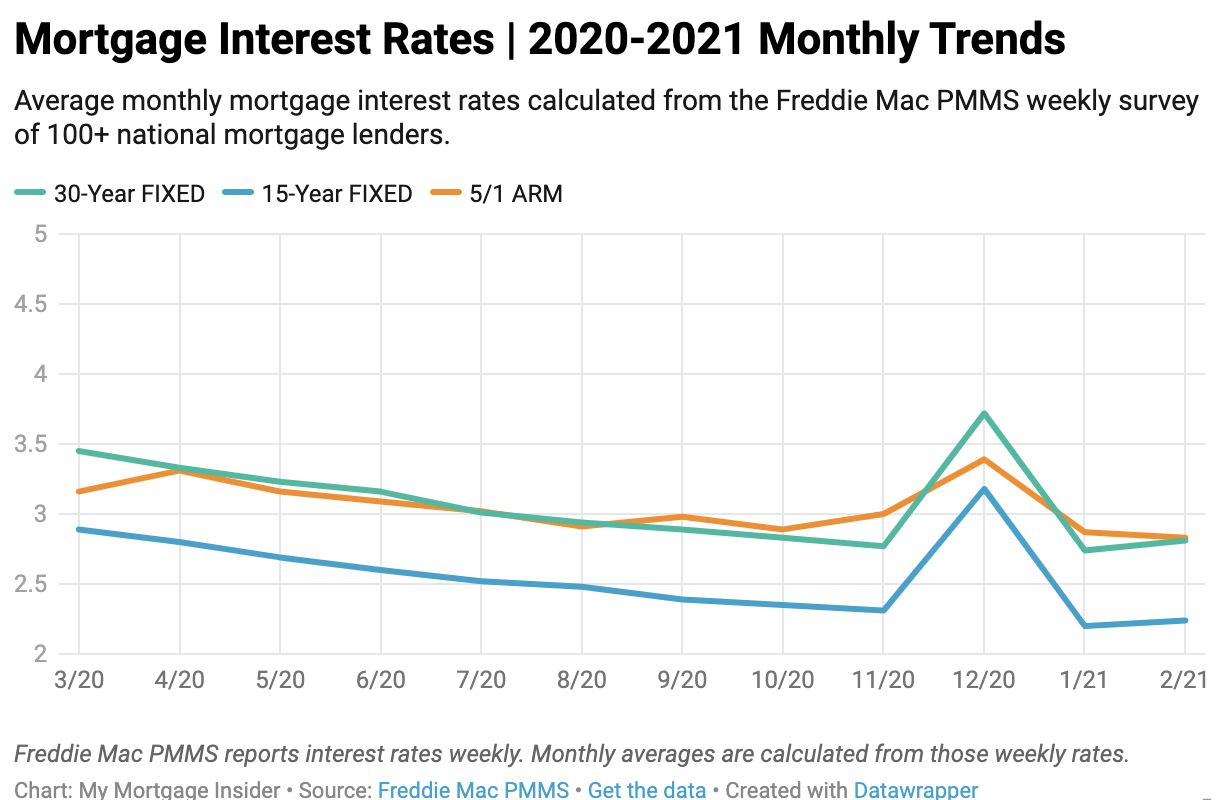
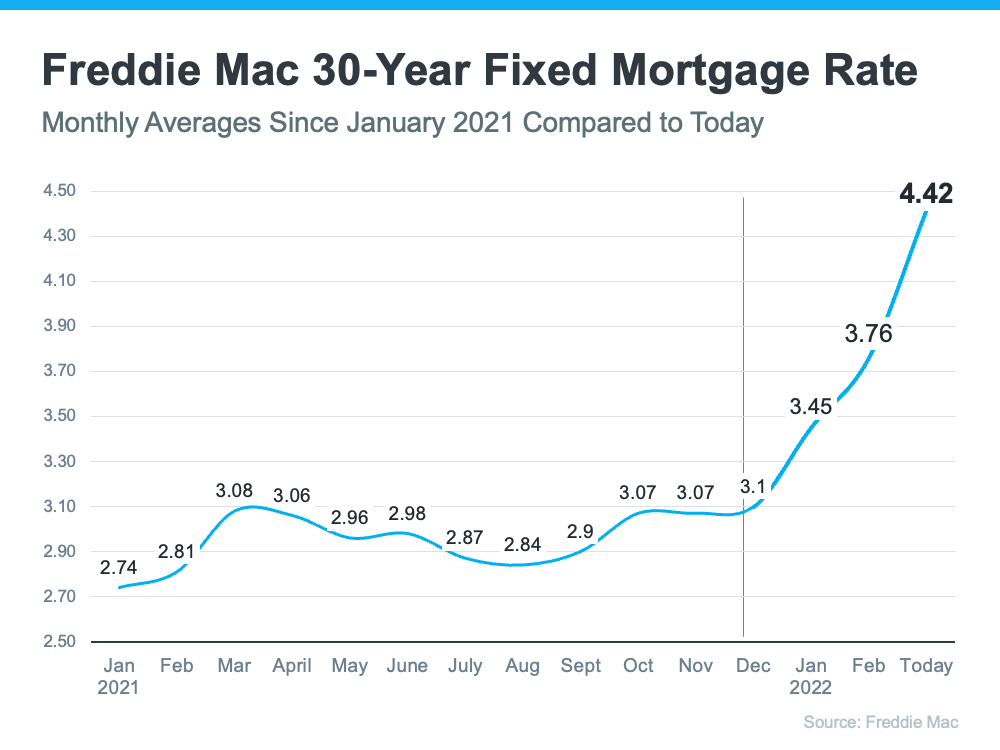
As of the current quarter, mortgage rates have established a new baseline that stands in stark contrast to the sub-3% era seen during the early 2020s. While rates fluctuate daily based on bond market activity, the industry generally looks toward the 30-year fixed-rate mortgage as the primary benchmark for the American housing market. Currently, these rates are hovering in a range that reflects a tightening monetary policy and a focus on curbing inflation.
The 30-Year Fixed-Rate Standard
The 30-year fixed-rate mortgage remains the most popular choice for borrowers because it offers predictability. Your monthly principal and interest payment remains identical from the first month to the 360th month. In the current environment, these rates are influenced heavily by the yield on the 10-year Treasury note. When Treasury yields rise, mortgage rates typically follow. This relationship exists because mortgage-backed securities (MBS) compete with Treasuries for the same investors.
The 15-Year Fixed-Rate Alternative
For those with higher monthly cash flow, the 15-year fixed-rate mortgage currently offers a significantly lower interest rate than its 30-year counterpart. While the monthly payments are higher due to the shorter amortization schedule, the total interest paid over the life of the loan is drastically reduced. In today’s market, the spread between a 15-year and a 30-year rate can be anywhere from 0.5% to 1.0%, making it an attractive tool for wealth building and debt reduction.
Government-Backed Loans (FHA and VA)
It is important to note that “the rate” is often lower for government-backed products like FHA (Federal Housing Administration) and VA (Veterans Affairs) loans compared to conventional loans. Because these loans are insured or guaranteed by the government, lenders take on less risk. However, these often come with specific insurance premiums (MIP or PMI) that must be calculated into the effective cost of the loan.
Primary Drivers Influencing Today’s Rates
To understand why mortgage rates are at their current levels, one must look at the broader economic engine. Mortgage rates do not exist in a vacuum; they are the result of complex interactions between federal policy, investor sentiment, and global economic health.
The Role of the Federal Reserve
A common misconception is that the Federal Reserve sets mortgage rates. In reality, the Fed sets the federal funds rate—the rate at which banks lend to each other overnight. However, the Fed’s actions have a powerful “trickle-down” effect. When the Fed raises rates to combat inflation, it increases the cost of borrowing across the board. This signals to the bond market that yields must rise, which in turn pushes mortgage rates higher. Conversely, when the Fed signals a “dovish” or easing stance, mortgage rates often stabilize or begin to retreat.
Inflation and the Consumer Price Index (CPI)
Inflation is the greatest enemy of fixed-income investors. Because a mortgage is a long-term fixed-income asset for the lender, high inflation erodes the value of the future dollars the lender will receive. If the Consumer Price Index (CPI) shows that inflation is running hot, lenders must demand higher interest rates to ensure their real return remains positive. Therefore, whenever a new inflation report is released, mortgage rates can shift within minutes.
The 10-Year Treasury Yield Correlation
If you want to know which direction mortgage rates are moving on any given day, look at the 10-year Treasury yield. Historically, there is a “spread” between the 10-year Treasury and the 30-year mortgage rate, usually around 1.7 to 2.0 percentage points. In times of high economic uncertainty or market volatility, this spread can widen, meaning mortgage rates may stay high even if Treasury yields dip slightly.
Strategic Factors That Determine Your Personal Rate
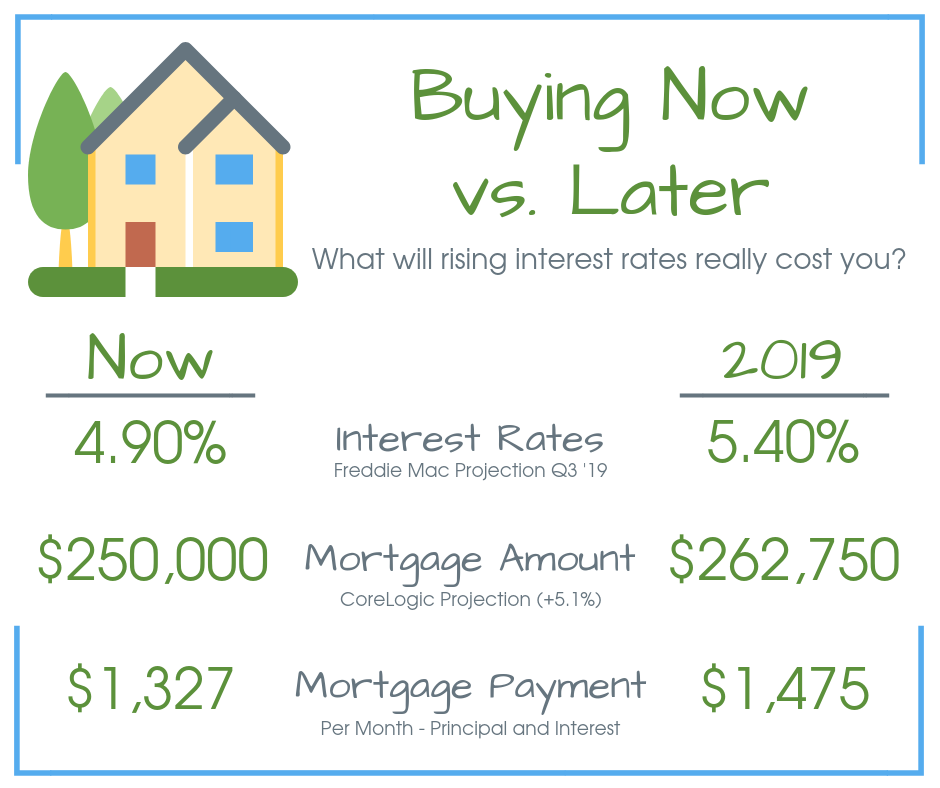
While the national average gives a general idea of the market, the rate you are quoted by a lender is highly individualized. “What is mortgage rate right now” for one person might be 1% different for their neighbor based on several key financial metrics.
The Impact of Credit Scores
Your credit score is the primary tool lenders use to price risk. In the current market, the best “prime” rates are typically reserved for borrowers with a score of 740 or higher. Borrowers in the 620 to 680 range may still qualify for a mortgage, but they will likely face “Loan Level Price Adjustments” (LLPAs). These are essentially surcharges that result in a higher interest rate to compensate the lender for the increased risk of default.
Loan-to-Value (LTV) Ratio and Down Payments
The amount of equity you put into the home significantly impacts your rate. A borrower putting 20% down represents much less risk than one putting 3% down. Lenders often offer tiered pricing; for instance, you might see a rate improvement at 25% down compared to 20%. Conversely, if your LTV is high, you may not only pay a higher interest rate but also be required to pay Private Mortgage Insurance (PMI), increasing your effective annual percentage rate (APR).
Debt-to-Income (DTI) Considerations
Lenders look at your DTI to ensure you can afford the monthly payments. While DTI doesn’t always directly change the interest rate “coupon,” it determines which loan programs you qualify for. High-DTI borrowers might be steered toward specific products that carry higher interest rates or more stringent terms.
Navigating Different Mortgage Products in a High-Rate Environment
When rates are higher than the historical average, borrowers often look for alternative structures to lower their initial costs. Understanding these products is vital for making an informed financial decision.
Adjustable-Rate Mortgages (ARMs)
In a high-rate environment, ARMs often see a surge in popularity. A 5/1 or 7/1 ARM typically offers a lower introductory rate for the first five or seven years compared to a 30-year fixed loan. This can be a savvy financial move if you plan to sell the home or refinance before the adjustment period begins. However, it carries the risk that if rates are even higher when the adjustment period hits, your payment could increase substantially.
Buying Down the Rate (Discount Points)
Borrowers today frequently use “points” to lower their interest rate. One point equals 1% of the loan amount and is paid upfront at closing in exchange for a lower interest rate (typically 0.25% lower). To determine if this is a good move, you must calculate the “break-even point”—how many months of lower payments it will take to recoup the upfront cost of the points. If you plan on staying in the home for a long time, buying points can be a powerful way to reduce long-term interest expenses.
Rate Locks and Timing
Because mortgage rates are volatile, a “rate lock” is a critical tool. Once you find a rate you are comfortable with, a lender can lock that rate for a set period (usually 30 to 60 days) while your loan is processed. In a market where rates are trending upward, locking early can save thousands of dollars over the life of the loan.
Long-term Financial Planning and Market Outlook
Deciding whether to lock in a mortgage rate “right now” or wait for a potential drop is a common dilemma. While no one can predict the market with 100% accuracy, financial planning should be based on your personal readiness rather than trying to perfectly time the bottom of a rate cycle.
The “Marry the House, Date the Rate” Philosophy
A popular sentiment in the current real estate market is to focus on the property first. The logic is that you can always refinance your mortgage if rates drop in the future, but you cannot change the purchase price of the home once the deal is closed. If you find a home that fits your budget and long-term needs at today’s rates, it may be better to move forward and plan for a future refinance rather than waiting for a rate drop that may be accompanied by higher home prices due to increased demand.
The Importance of the APR
When comparing rates, always look at the Annual Percentage Rate (APR) rather than just the nominal interest rate. The APR includes the interest rate plus other costs such as lender fees, origination charges, and points. It provides a more accurate picture of the true cost of the loan and allows for an “apples-to-apples” comparison between different lenders.
Conclusion: Taking Action in Today’s Market
The mortgage rate “right now” is a moving target influenced by global economics and personal financial health. By maintaining a high credit score, shopping multiple lenders, and understanding the relationship between the Fed and the bond market, you can navigate these fluctuations effectively. Whether rates are 3% or 7%, the goal remains the same: securing a financing structure that supports your overall financial stability and long-term wealth creation. Strategies like points, shorter terms, or government programs are all tools available to help you achieve that goal in any market condition.
aViewFromTheCave is a participant in the Amazon Services LLC Associates Program, an affiliate advertising program designed to provide a means for sites to earn advertising fees by advertising and linking to Amazon.com. Amazon, the Amazon logo, AmazonSupply, and the AmazonSupply logo are trademarks of Amazon.com, Inc. or its affiliates. As an Amazon Associate we earn affiliate commissions from qualifying purchases.