
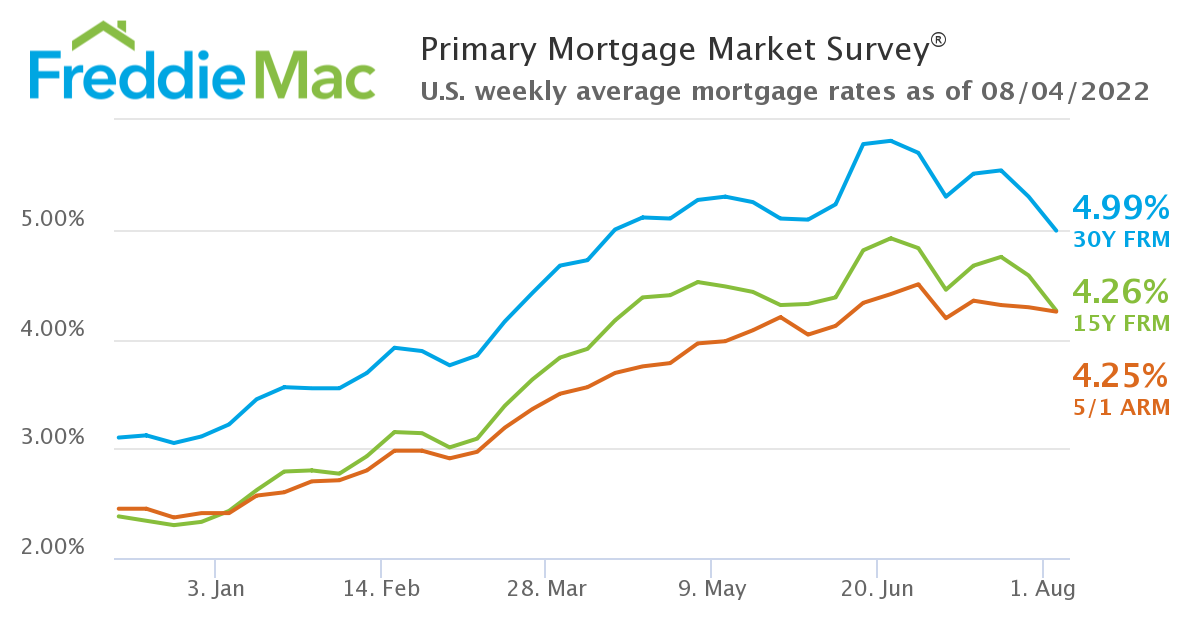
The question of what mortgage interest rates are “now” is one of the most frequently asked in the world of personal finance, yet the answer is far more complex than a single percentage point. For over a decade, homeowners and prospective buyers were accustomed to historically low rates, often dipping below 3%. However, the economic landscape has shifted dramatically. Understanding current mortgage rates requires a deep dive into macroeconomic policy, investor behavior, and the individual financial profiles of borrowers.
In the current environment, mortgage rates are a reflection of a tug-of-war between persistent inflation and the Federal Reserve’s efforts to stabilize the economy. While the headline figures you see on news tickers represent national averages, the actual rate offered to a consumer is a bespoke calculation. To navigate this market, one must look beyond the number and understand the mechanisms that drive volatility and the strategies available to secure the best possible terms.
The Macroeconomic Engines Behind Mortgage Rates
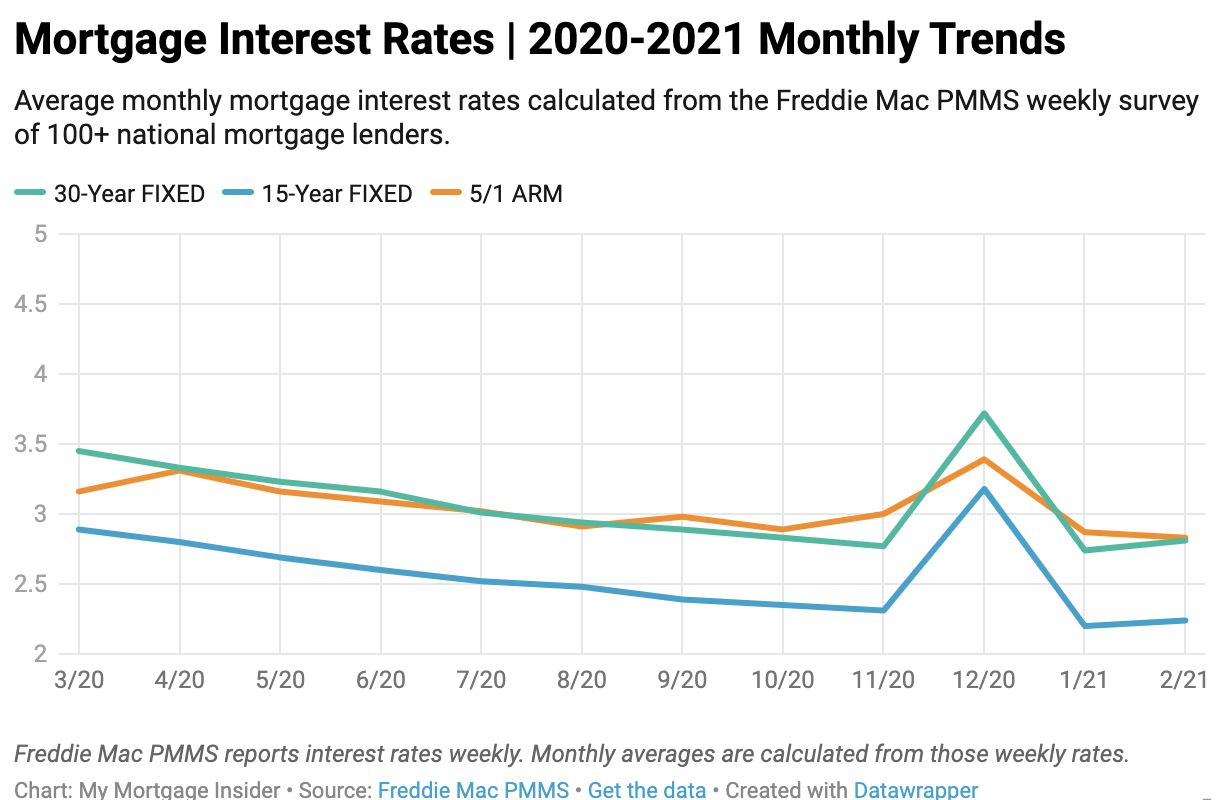
To understand where rates stand today, we must first dispel a common myth: the Federal Reserve does not set mortgage rates. Instead, the Fed sets the federal funds rate—the interest rate at which commercial banks borrow and lend to each other overnight. While mortgage rates tend to follow the trajectory of the Fed’s actions, they are more directly influenced by the yield on the 10-year Treasury note.
The Correlation with Treasury Yields
Mortgage-backed securities (MBS) compete for the same investors as U.S. Treasury bonds. When the yield on the 10-year Treasury rises, mortgage rates almost inevitably follow. Investors view Treasuries as a “risk-free” asset. To entice investors to buy mortgage debt, which carries the risk of prepayment or default, mortgage rates must offer a premium—known as the “spread”—above the Treasury yield. Historically, this spread averages around 170 to 200 basis points (1.7% to 2.0%). In periods of high market volatility, this spread can widen significantly, pushing mortgage rates higher even if Treasury yields remain relatively stable.
Inflation and the Federal Reserve’s Mandate
Inflation is the primary enemy of fixed-income investments like mortgages. When inflation is high, the purchasing power of the future interest payments a lender receives is eroded. Consequently, lenders demand higher interest rates to compensate for this loss of value. The Federal Reserve’s dual mandate is to promote maximum employment and stable prices. To combat the high inflation seen in recent years, the Fed has implemented a series of aggressive rate hikes. Even when the Fed pauses these hikes, mortgage rates often stay elevated as the market waits for definitive signs that inflation is returning to the 2% target.
The Divergence Between National Averages and Personal Rates
When you read that the national average for a 30-year fixed-rate mortgage is at a certain level, it is important to recognize that this is a benchmark for a “prime” borrower. In reality, the rate you are offered is determined by a series of Loan-Level Price Adjustments (LLPAs). These are risk-based fees that can be converted into a higher interest rate or paid as upfront costs.
The Significance of Credit Scores and Debt-to-Income Ratios
Your credit score is the single most influential factor in the interest rate you receive. A borrower with a score of 780 or higher will typically see the lowest available rates, while a borrower with a score in the mid-600s may face rates that are 1% to 1.5% higher. Similarly, your debt-to-income (DTI) ratio tells the lender how much of your monthly gross income is already committed to debt payments. Lenders generally prefer a DTI below 36%, though some programs allow for higher ratios at the cost of a higher interest rate or private mortgage insurance (PMI).
Loan-to-Value (LTV) and Down Payments
The size of your down payment changes the lender’s risk profile. A 20% down payment (resulting in an 80% LTV) is the traditional benchmark to avoid PMI and secure competitive rates. However, in today’s market, even smaller down payments can be viable through FHA or VA loans, though these often come with different fee structures that can affect the effective interest rate. Interestingly, sometimes a slightly higher LTV (like 25% down instead of 20%) can actually result in a better rate because of how risk is categorized in secondary market pricing.
Comparing Mortgage Products in a High-Rate Environment
In a low-rate environment, the 30-year fixed-rate mortgage is the undisputed king. However, as rates rise, other products become more attractive to savvy borrowers looking to lower their monthly exposure or gain flexibility.
Fixed-Rate Mortgages: 15-Year vs. 30-Year
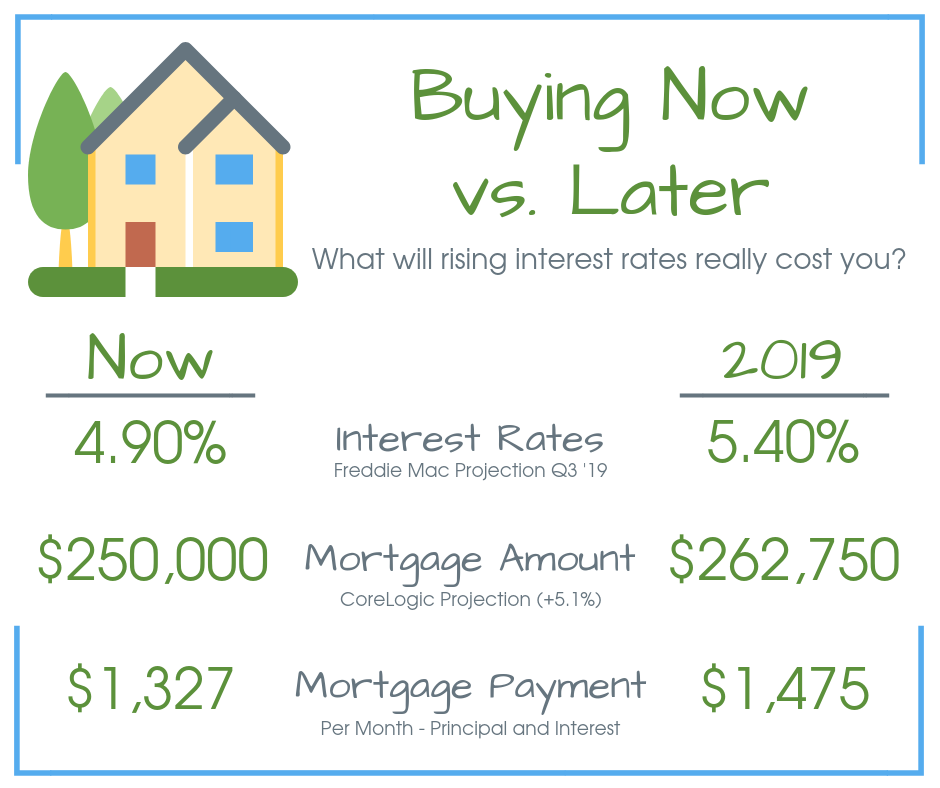
The 30-year fixed-rate mortgage offers the most stability, with payments remaining constant over three decades. This is the preferred choice for those who plan to stay in their homes long-term and want to hedge against future rate increases. On the other hand, 15-year fixed-rate mortgages typically offer significantly lower interest rates—often 0.5% to 1% lower than their 30-year counterparts. The trade-off is a much higher monthly payment, but the total interest paid over the life of the loan is drastically reduced, making it a powerful wealth-building tool for those with the cash flow to support it.
The Resurgence of Adjustable-Rate Mortgages (ARMs)
When fixed rates are high, Adjustable-Rate Mortgages often see a spike in popularity. An ARM typically offers a lower “teaser” rate for an initial period (such as 5, 7, or 10 years). After that period, the rate adjusts annually based on a market index like the SOFR (Secured Overnight Financing Rate). ARMs can be a strategic choice for buyers who expect to sell the home or refinance before the initial period ends. However, they carry the inherent risk of future rate hikes, making them a more speculative financial move.
Strategies for Managing Interest Rate Volatility
Navigating the mortgage market today requires more than just shopping around for the lowest number; it requires active financial strategy. There are several tools borrowers can use to mitigate the impact of high rates.
Rate Locks and Float-Down Options
Given the daily fluctuations in the bond market, mortgage rates can change multiple times in a single afternoon. Once you find a rate you are comfortable with, a “rate lock” guarantees that rate for a set period (usually 30 to 60 days) while your loan is processed. Some lenders also offer a “float-down” option, which allows you to lock in a rate but still take advantage of a lower rate if the market drops before you close. This usually comes with a fee or a slightly higher initial lock rate but provides a safety net in a volatile market.
Buying Down the Rate with Points
“Discount points” allow a borrower to pay more upfront in exchange for a lower interest rate over the life of the loan. One point generally costs 1% of the total loan amount and can lower the interest rate by approximately 0.25%. This is essentially a calculation of the “break-even point.” If the monthly savings from the lower rate will take five years to recoup the upfront cost of the points, and you plan to stay in the home for ten years, buying points makes financial sense. In the current market, many sellers are offering “seller concessions” to pay for these points on behalf of the buyer, which has become a popular way to move inventory without lowering the listing price.
The “Date the Rate, Marry the House” Philosophy
A common sentiment in the current real estate market is “marry the house, date the rate.” This suggests that if you find the right property, you should buy it even at a higher interest rate, with the intention of refinancing once rates eventually drop. While this strategy can work, it is not without risk. There is no guarantee that rates will drop within a specific timeframe, and you must ensure that the monthly payment is affordable under current conditions. Furthermore, refinancing requires having enough equity in the home to cover the costs of the new loan.
Looking Ahead: What Will Move Rates in the Future?
Predicting the future of mortgage rates is a challenge even for the most seasoned economists. However, several key indicators will dictate the direction of the market in the coming quarters.
Employment Data and Economic Growth
A cooling labor market is generally a sign that interest rates may stabilize or fall. If the monthly jobs reports show a slowdown in hiring or a rise in unemployment, it signals to the Federal Reserve that the economy is cooling, which may lead to a pivot in monetary policy. Conversely, a robust labor market with high wage growth can fuel inflation, prompting the Fed to keep rates higher for longer to prevent the economy from overheating.
Geopolitical Stability and Market Sentiment
Mortgage rates are also sensitive to global events. In times of international conflict or economic uncertainty, investors often flee to the safety of U.S. Treasury bonds. This “flight to quality” increases demand for bonds, which drives down yields and, consequently, mortgage rates. Therefore, global geopolitical stability—or lack thereof—plays an unseen but vital role in what you pay for your home loan.
The Impact of Housing Inventory
While inventory doesn’t directly set interest rates, it creates the environment in which rates operate. Currently, many homeowners are “locked in” to low rates from years past, making them reluctant to sell and move into a new home with a much higher rate. This “lock-in effect” has suppressed housing inventory, keeping home prices high despite the increased cost of borrowing. If rates begin to descend, we may see a surge in inventory as these homeowners finally decide to move, which could lead to a more balanced and less volatile market.
In conclusion, “what mortgage interest rates are now” is a snapshot of a dynamic and evolving financial ecosystem. For the modern borrower, success lies in education and preparation. By understanding the link between the economy and the housing market, maintaining a strong credit profile, and utilizing tactical tools like rate locks and points, you can navigate the current high-rate environment with confidence. The era of “easy money” may be over for now, but with the right strategy, homeownership remains a cornerstone of long-term financial security.
aViewFromTheCave is a participant in the Amazon Services LLC Associates Program, an affiliate advertising program designed to provide a means for sites to earn advertising fees by advertising and linking to Amazon.com. Amazon, the Amazon logo, AmazonSupply, and the AmazonSupply logo are trademarks of Amazon.com, Inc. or its affiliates. As an Amazon Associate we earn affiliate commissions from qualifying purchases.