
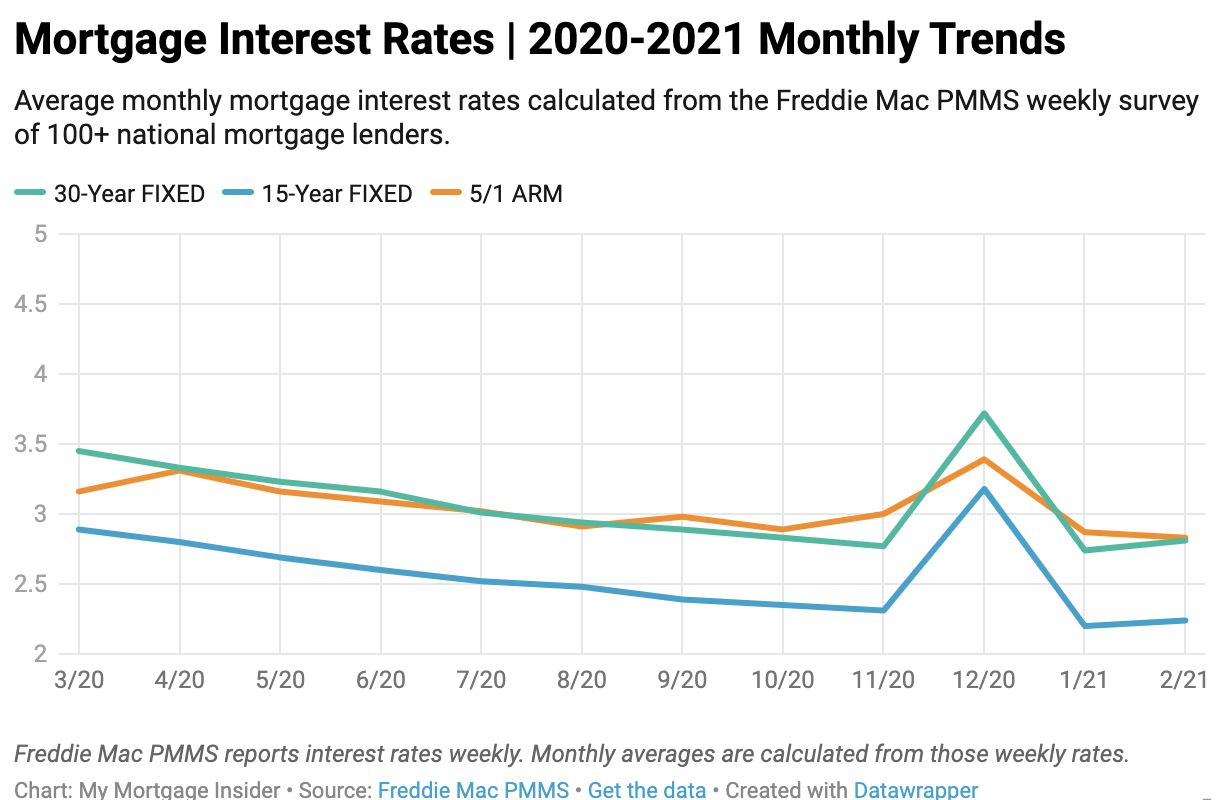
Navigating the landscape of home loan interest rates in the current economic climate requires a blend of vigilance, patience, and financial literacy. For many prospective homeowners and those looking to refinance, the question of “what are home loan interest rates right now” is often met with a complex answer that depends on global economic indicators, central bank policies, and individual financial profiles. Unlike the historic lows seen during the early 2020s, the current market is characterized by higher volatility and a shift toward more restrictive monetary policy. Understanding these dynamics is the first step toward making a sound financial decision in the real estate market.
Understanding the Current Economic Landscape and Mortgage Trends
To grasp where home loan interest rates stand today, one must look beyond the local bank and toward the broader macroeconomic environment. Mortgage rates do not exist in a vacuum; they are intrinsically linked to the health of the economy, the rate of inflation, and the actions taken by the Federal Reserve.
The Role of the Federal Reserve and the Federal Funds Rate
While the Federal Reserve does not directly set mortgage rates, its influence is profound. The Fed manages the federal funds rate—the interest rate at which commercial banks borrow and lend to each other overnight. When the Fed raises this rate to combat inflation, it increases the cost of borrowing across the entire economy. Consequently, lenders adjust their mortgage pricing upward to maintain profit margins and account for the increased cost of capital. In recent years, aggressive rate hikes aimed at cooling an overheating economy have pushed home loan rates to levels not seen in over a decade.
Inflation and the 10-Year Treasury Yield
Inflation is perhaps the most significant enemy of fixed-income investments like mortgages. When inflation is high, the purchasing power of the future interest payments a lender receives is eroded. To compensate for this risk, lenders demand higher interest rates. Investors and analysts often look to the 10-year Treasury yield as a primary benchmark for mortgage rates. Historically, there is a strong correlation between the two; when the yield on government bonds rises, mortgage rates typically follow suit. The “spread”—the difference between the 10-year Treasury yield and the average 30-year fixed mortgage rate—can also fluctuate based on market volatility and the appetite for risk in the secondary mortgage market.
Global Market Volatility
Beyond domestic policy, global events such as geopolitical instability, fluctuations in international energy markets, and the economic performance of major trade partners can cause sudden shifts in investor sentiment. During times of global uncertainty, investors often flock to the safety of U.S. Treasuries (a “flight to quality”), which can temporarily drive down yields and, by extension, offer brief windows of lower mortgage rates.
Different Types of Home Loans and Their Respective Rates
When asking about current rates, it is important to specify the type of loan product, as rates vary significantly based on the duration of the loan and the level of risk the lender assumes.
30-Year Fixed-Rate Mortgages
The 30-year fixed-rate mortgage remains the gold standard for American homebuyers. Its primary appeal is stability; the interest rate remains locked in for three decades, providing a predictable monthly payment. Currently, these rates are the highest among the common loan products because the lender is taking on the risk of inflation and interest rate changes over a very long horizon. While the monthly payments are lower than shorter-term loans due to the extended repayment period, the total interest paid over the life of the loan is substantially higher.
15-Year Fixed-Rate Mortgages
For those who can afford higher monthly payments, the 15-year fixed-rate mortgage offers a significantly lower interest rate compared to the 30-year option. Lenders offer these lower rates because the loan is paid back faster, reducing their long-term exposure to risk. From a personal finance perspective, the 15-year mortgage is a powerful tool for wealth building, as it allows homeowners to build equity at an accelerated pace and save tens of thousands of dollars in interest costs over the life of the loan.
Adjustable-Rate Mortgages (ARMs)
Adjustable-rate mortgages have regained some popularity in a high-rate environment. These loans typically offer a lower “teaser” rate for an initial period (such as five, seven, or ten years). After this period, the rate adjusts annually based on a pre-determined financial index plus a margin. While ARMs can provide immediate relief with lower initial payments, they carry the risk of rate hikes in the future. In the current market, the gap between ARM rates and fixed rates has narrowed, making the decision more complex for borrowers who plan to stay in their homes long-term.

Key Factors That Determine Your Personal Interest Rate
While national averages provide a benchmark, the actual rate a borrower receives is highly individualized. Lenders use a process called “risk-based pricing” to determine the interest rate for a specific applicant.
Credit Score and Financial History
The FICO score is arguably the most critical factor in determining your home loan rate. Borrowers with scores in the “excellent” range (760 and above) are offered the lowest possible rates because they represent the lowest risk of default. Conversely, borrowers with lower credit scores may face “loan-level price adjustments” (LLPAs), which are additional fees or higher interest rates imposed by Fannie Mae and Freddie Mac to offset the risk of lending to individuals with less-than-perfect credit. Maintaining a clean credit report and a high score is the most effective way to lower the cost of a mortgage.
Down Payment Size and Loan-to-Value (LTV) Ratio
The amount of equity you put into the home upfront significantly impacts your rate. A larger down payment reduces the lender’s Loan-to-Value (LTV) ratio. Generally, an LTV of 80% or lower (a 20% down payment) allows a borrower to avoid Private Mortgage Insurance (PMI) and often qualifies them for better interest rates. If a borrower puts down less than 20%, the lender perceives a higher risk, which is often reflected in a slightly higher interest rate or the added monthly cost of mortgage insurance.
Debt-to-Income (DTI) Ratio
Lenders examine your Debt-to-Income ratio to ensure you have the cash flow to manage a mortgage payment alongside existing obligations like car loans, student loans, and credit card debt. While a high DTI might not always result in a higher interest rate, it can limit your choice of loan products or lenders, potentially forcing you into a higher-rate category. A DTI of 36% or lower is generally considered ideal, though some programs allow for higher ratios with compensating factors.
Strategies for Securing the Lowest Possible Rate
Even in a high-rate environment, there are proactive steps borrowers can take to minimize their interest expenses and secure a more favorable deal.
The Importance of Shopping Multiple Lenders
One of the most common mistakes homebuyers make is accepting the first rate quote they receive. Mortgage rates can vary by as much as 0.5% to 0.75% between different institutions. It is essential to get “Loan Estimates” from at least three different types of lenders: a large national bank, a local credit union, and an independent mortgage broker. Credit unions, in particular, often offer competitive rates to their members, while brokers have access to a wide network of wholesale lenders that may have more flexible pricing.
Buying Down the Rate with Mortgage Points
“Discount points” are a form of prepaid interest. By paying an upfront fee at closing—typically 1% of the loan amount per point—you can “buy down” your interest rate by a certain percentage (often 0.25%). This is an excellent strategy for those who plan to stay in their home for many years, as the long-term interest savings will eventually exceed the initial cost of the points. Calculating the “break-even point”—the time it takes for the monthly savings to cover the upfront cost—is vital before committing to this strategy.
Locking in Your Rate at the Right Time
Mortgage rates can change multiple times in a single day. Once you have found a rate you are comfortable with, it is important to “lock it in.” A rate lock guarantees that your interest rate won’t change between the time of your application and the closing of the loan, provided the loan closes within a specific timeframe (usually 30 to 60 days). Some lenders also offer a “float-down” option, which allows you to lock in a rate but also take advantage of a lower rate if market conditions improve before you close.
Looking Ahead: Future Projections for Home Loan Rates
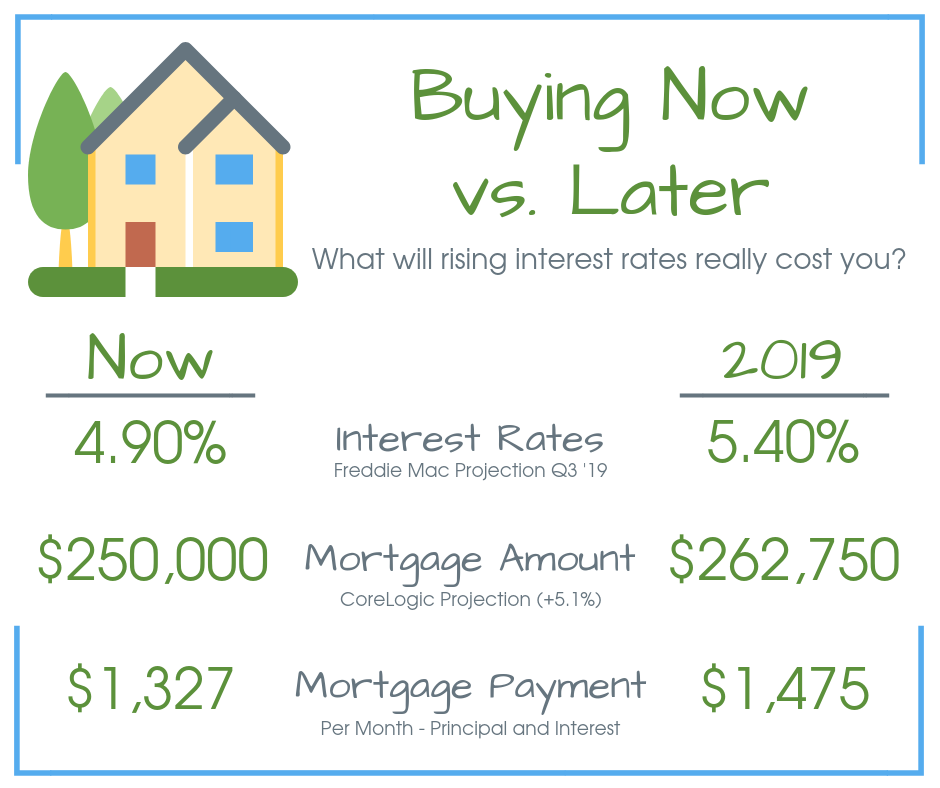
Predicting the future of interest rates is notoriously difficult, as it depends on a multitude of shifting economic variables. However, market analysts generally look toward the Federal Reserve’s “dot plot” and economic forecasts for guidance. If inflation continues to trend toward the Fed’s 2% target, there is a possibility of rate cuts in the coming quarters. Such a move would likely lead to a gradual decline in mortgage rates, providing relief to the housing market.
On the other hand, if the labor market remains exceptionally tight and consumer spending stays high, inflation could remain “sticky,” prompting the Fed to keep rates “higher for longer.” For prospective buyers, the best approach is to focus on personal financial readiness rather than trying to time the market perfectly. Refinancing remains an option in the future if rates drop significantly, but the primary goal should always be ensuring that the monthly payment is sustainable within your current budget. In the world of personal finance, the “best” rate is ultimately the one that allows you to secure a home without overextending your financial health.
aViewFromTheCave is a participant in the Amazon Services LLC Associates Program, an affiliate advertising program designed to provide a means for sites to earn advertising fees by advertising and linking to Amazon.com. Amazon, the Amazon logo, AmazonSupply, and the AmazonSupply logo are trademarks of Amazon.com, Inc. or its affiliates. As an Amazon Associate we earn affiliate commissions from qualifying purchases.