
Understanding the current landscape of interest rates is essential for anyone navigating the modern financial world. Whether you are looking to purchase a home, refinance existing debt, or optimize your savings strategy, the cost of borrowing and the yield on capital are the two most powerful levers in your personal economy. Today, interest rates sit at a pivotal juncture, influenced by years of aggressive monetary tightening aimed at curbing inflation and a shifting global economic outlook.
To answer “how much is interest rates today,” one must look beyond a single number. Interest rates are a complex ecosystem of benchmarks, spreads, and risk premiums. From the Federal Funds Rate set by central banks to the Annual Percentage Yield (APY) on your savings account, every percentage point represents a significant shift in purchasing power and long-term wealth accumulation.
Understanding the Current Interest Rate Environment
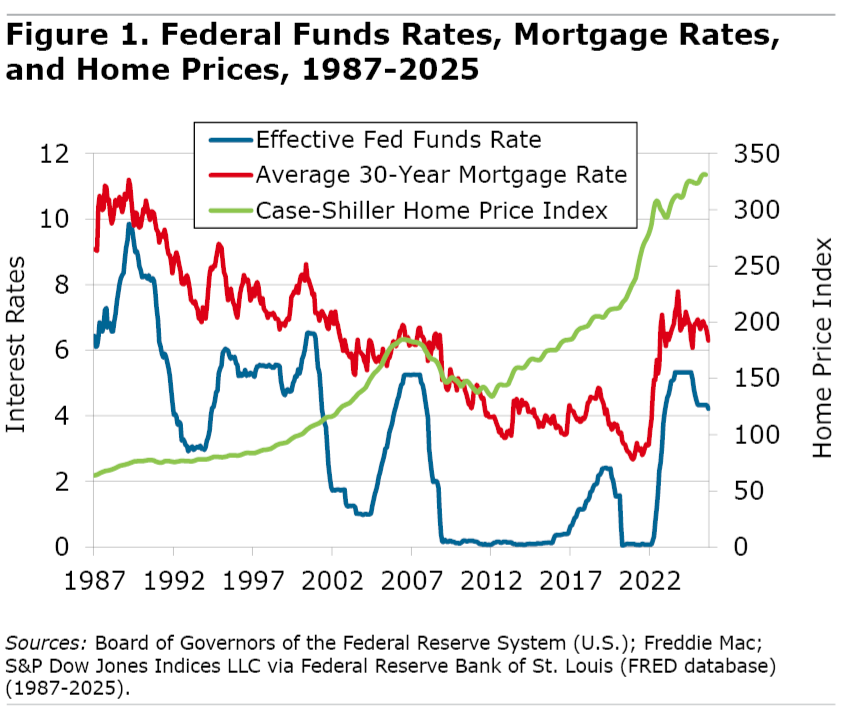
At the heart of the interest rate discussion is the central bank’s policy. In the United States, the Federal Reserve (the Fed) utilizes the federal funds rate as its primary tool to manage economic growth and price stability. As of the current cycle, we are witnessing a “higher for longer” era—a period where rates have stabilized at multi-decade highs after a rapid ascent from the near-zero levels seen during the pandemic era.
The Federal Reserve’s Role and the Dual Mandate
The Federal Reserve operates under a dual mandate: maximum employment and stable prices. When inflation spiked to forty-year highs, the Fed responded by raising the federal funds rate aggressively. This benchmark rate currently sits in a restrictive range, designed to cool the economy by making borrowing more expensive for businesses and consumers alike.
When the Fed holds rates at these levels, it ripples through the entire economy. It increases the “Prime Rate,” which is the base rate commercial banks charge their most creditworthy corporate customers. This, in turn, dictates the interest you pay on everything from a revolving credit card balance to a new car loan.
The Impact of Inflation and Economic Data
Interest rates today are highly “data-dependent.” This means that the figures you see on your mortgage quote or savings disclosure are influenced by monthly reports on the Consumer Price Index (CPI) and the labor market. If inflation remains “sticky” or higher than the 2% target, interest rates are likely to stay elevated. Conversely, signs of a cooling labor market or a significant drop in consumer spending often lead markets to price in future rate cuts, which can lower long-term yields even before the Fed officially acts.
Mortgage Rates and the Real Estate Market
For most households, the most tangible impact of interest rates is felt in the housing market. The era of the 3% 30-year fixed-rate mortgage is currently a memory, replaced by a more volatile environment where rates fluctuate based on the 10-year Treasury yield.
The 30-Year Fixed-Rate Mortgage
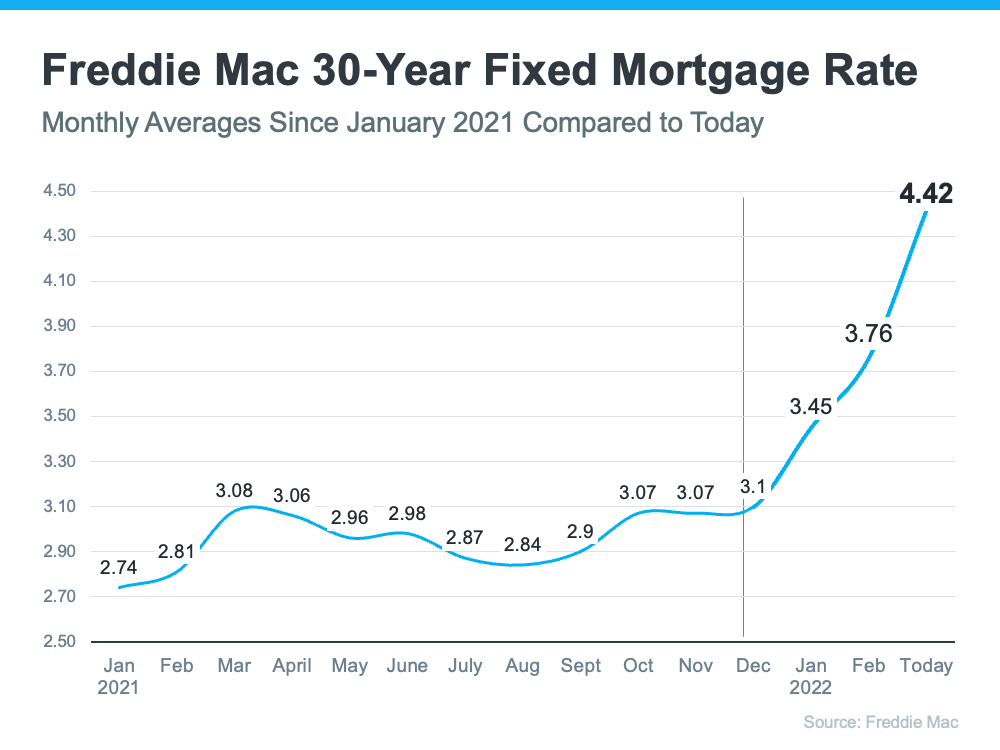
Currently, 30-year fixed mortgage rates have settled into a range that is significantly higher than the historic lows of 2021, though they have retreated slightly from their recent peaks. For a homebuyer today, a rate between 6.5% and 7.5% is common, depending on credit score and down payment.
This shift has created what economists call the “lock-in effect.” Homeowners who secured sub-3% rates years ago are reluctant to sell, as moving would mean taking on a new mortgage at double the interest cost. This has constrained housing inventory, keeping home prices high even as borrowing costs rise.
15-Year Fixed and Adjustable-Rate Mortgages (ARMs)
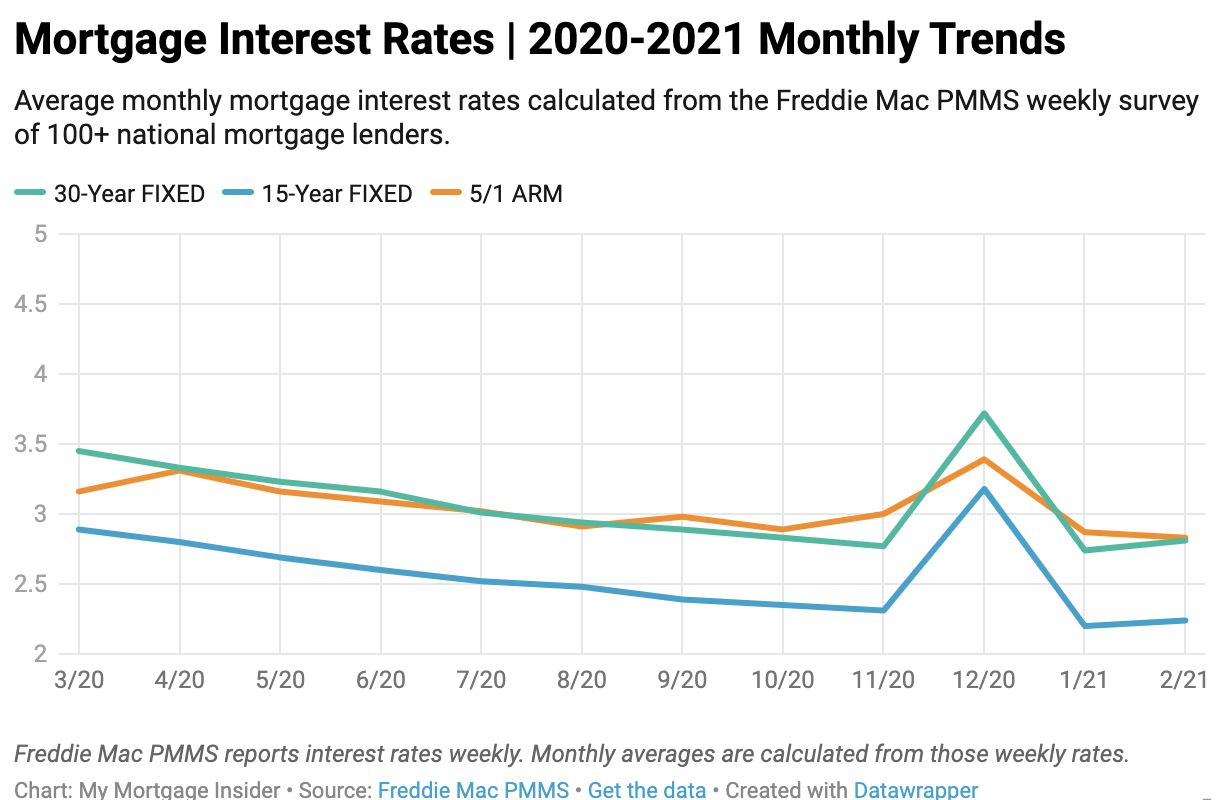
For those looking to minimize interest costs over the life of a loan, 15-year fixed rates remain an attractive, albeit more expensive, monthly option. These rates typically sit about 0.5% to 1% lower than their 30-year counterparts.
Adjustable-Rate Mortgages (ARMs) have also seen a resurgence in interest. While they offer a lower “teaser” rate for the first 5, 7, or 10 years, they carry the risk of upward adjustment in the future. In today’s market, the spread between a fixed-rate mortgage and an ARM has narrowed, making the fixed-rate option the preferred choice for those seeking long-term stability.
The Relationship with Treasury Yields
It is a common misconception that mortgage rates move in lockstep with the Fed. Instead, they are more closely tied to the yield on the 10-year Treasury note. When investors are nervous about the economy, they buy Treasuries, driving yields down and taking mortgage rates with them. When the economy is seen as “overheating,” yields rise, and mortgage rates follow suit.
Maximizing Returns: Savings, CDs, and Cash Management
While high interest rates are a burden for borrowers, they are a boon for savers. For the first time in over a decade, “cash is no longer trash.” Investors can now earn meaningful returns on liquid assets without taking on the volatility of the stock market.
High-Yield Savings Accounts (HYSAs)
Today, high-yield savings accounts are offering APYs that frequently exceed 4% or even 5%. This is a stark contrast to the 0.01% offered by traditional “big-box” banks. For an individual with $10,000 in an emergency fund, the difference between a traditional savings account and a high-yield account can mean hundreds of dollars in “free” interest income annually.
Certificates of Deposit (CDs) and “Ladders”
Certificates of Deposit have become a centerpiece of conservative investment strategies. Short-term CDs (6 to 12 months) currently offer some of the highest yields in the market, often outperforming long-term bonds. This is due to an “inverted yield curve,” where short-term debt pays more than long-term debt—a classic signal of economic uncertainty.
Savvy investors are utilizing “CD ladders” to manage interest rate risk. By splitting a lump sum into multiple CDs with different maturity dates (e.g., 3 months, 6 months, 9 months, and 12 months), they can capture high current rates while maintaining periodic liquidity to reinvest if rates rise further.
Money Market Funds
Money market mutual funds, often accessible through brokerage accounts, have seen record inflows. These funds invest in short-term government debt and highly rated corporate paper. They currently offer yields competitive with HYSAs, providing a safe haven for investors waiting for better opportunities in the equity or real estate markets.
The Cost of Borrowing: Credit Cards and Consumer Loans
On the flip side of the savings boom is the rising cost of consumer debt. Because most consumer loans are “unsecured” (not backed by an asset like a house or car), their interest rates are significantly higher and more sensitive to benchmark shifts.
Variable Rates on Credit Cards
Most credit cards have variable interest rates tied directly to the Prime Rate. As the Fed raised rates, the average credit card APR surged toward the 20-25% range. For consumers carrying a balance, this creates a compounding debt trap where a larger portion of each payment goes toward interest rather than principal. Today, prioritizing high-interest debt repayment is the single most effective “investment” a person can make, as it guarantees a “return” equal to the avoided interest rate.
Auto Loans and Personal Financing
The days of 0% or 1.9% financing from auto manufacturers have largely vanished, except for specific promotional periods on less popular models. The average auto loan rate for new vehicles now hovers between 7% and 9%, while used car loans can easily climb into double digits. This has made the “total cost of ownership” a much more critical calculation for car buyers than it was just three years ago.
Personal loans have also seen a rate hike. While they remain a viable tool for debt consolidation, the “break-even” point for consolidating credit card debt has moved. Borrowers must now be more diligent in ensuring that the personal loan rate is substantially lower than their weighted average credit card APR to justify the move.
Looking Ahead: Economic Forecasts and Financial Planning
Navigating interest rates today requires a forward-looking perspective. The primary question facing the market is no longer “How high will they go?” but rather “When will they start to fall?”
The Path Toward Normalization
Economic forecasts are currently divided. Some analysts suggest that the “neutral rate”—the interest rate that neither stimulates nor restrains the economy—is higher than it used to be. This would mean that even if the Fed cuts rates, they may never return to the 0% levels of the 2010s. Instead, we may be entering a period of “rate normalization” where a 4% or 5% mortgage is considered the new gold standard.
Strategic Moves for Investors and Borrowers
In this environment, financial agility is key.
-
For Homebuyers: Consider a “buy now, refinance later” strategy if you find the right property, but ensure the monthly payment is sustainable at today’s rates.
-
For Savers: Lock in long-term CD rates now if you believe rates have peaked. This allows you to enjoy high yields even if the Fed begins to cut rates later this year.
-
For Debtors: Focus on the “Debt Avalanche” method, targeting the highest-interest balances first to mitigate the impact of high APRs.
-
For Business Owners: Cost of capital is now a major factor in expansion. Stress-test your business models to ensure they remain profitable even if borrowing costs remain at these levels for the next 24 months.
Interest rates today are more than just a headline; they are the fundamental price of time and risk. By understanding where these rates stand and where they are likely headed, you can position your finances to weather volatility and capitalize on the opportunities that this “high-rate” era provides. In a world of shifting economic sands, staying informed is the best hedge against uncertainty.
aViewFromTheCave is a participant in the Amazon Services LLC Associates Program, an affiliate advertising program designed to provide a means for sites to earn advertising fees by advertising and linking to Amazon.com. Amazon, the Amazon logo, AmazonSupply, and the AmazonSupply logo are trademarks of Amazon.com, Inc. or its affiliates. As an Amazon Associate we earn affiliate commissions from qualifying purchases.