
The landscape of audio entertainment has undergone a massive transformation, moving from traditional terrestrial waves to a sophisticated hybrid of satellite and IP-based streaming. SiriusXM stands at the center of this evolution, offering a premium service that many users wish to sample before committing to a monthly subscription. Accessing SiriusXM for free is not merely about finding a “coupon code”; it involves understanding the digital ecosystem of the platform, the hardware integration within modern vehicles, and the technical strategies used by the company to acquire new users. By leveraging the software tools and promotional windows provided by the service, tech-savvy users can enjoy high-fidelity audio without an immediate financial commitment.
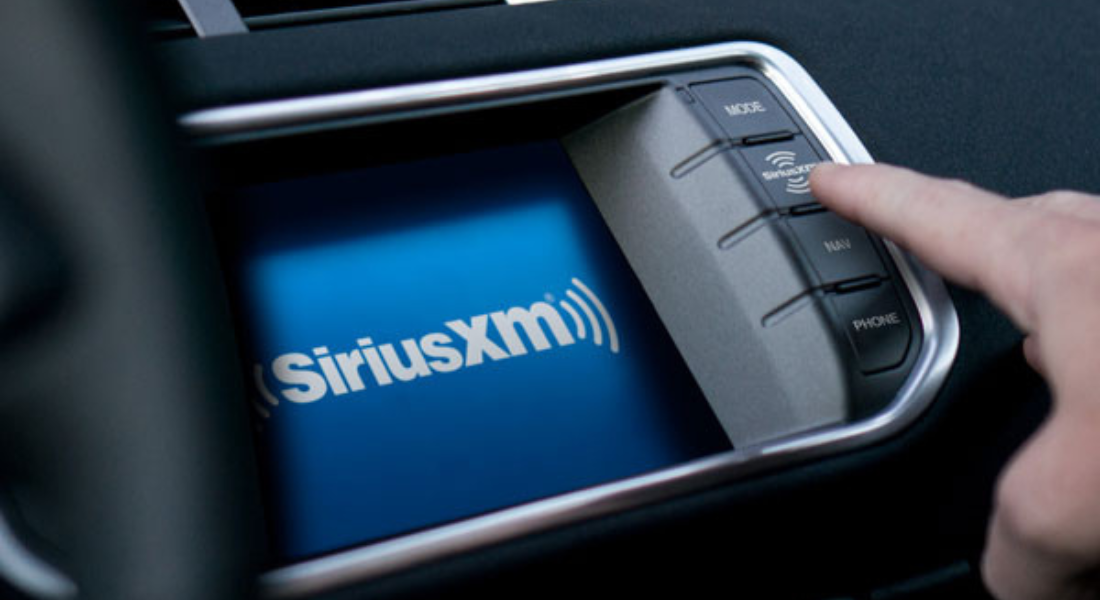
The Architecture of Modern Trial Periods and App-Based Access
The most common gateway to free SiriusXM content is through their robust digital trial infrastructure. Unlike the early days of satellite radio, which required a dedicated hardware receiver and an active satellite signal, the modern SiriusXM experience is built on a “streaming-first” philosophy. This shift allows the company to offer app-based trials that do not require any specialized hardware.
To access these trials, users typically interact with the SiriusXM mobile application, available on iOS and Android. From a technical standpoint, these trials are managed through a centralized entitlement system. When a user registers, the app generates a temporary digital token that grants access to the full suite of channels, including Xtra channels and on-demand content that are not available via standard satellite signals.
To maximize the utility of these trials, users should focus on the “Streaming Platinum” or similar high-tier trial offerings. These tiers offer the highest bitrates—up to 320kbps—ensuring that the audio quality surpasses standard FM and even many base-level streaming services. The app’s interface also allows for technical customizations, such as setting data usage limits for mobile streaming or enabling high-fidelity audio when connected to Wi-Fi. By managing these settings, a user can maintain a high-quality listening experience throughout the duration of the free period.
Furthermore, SiriusXM frequently partners with other tech giants to bundle their services. It is common to find three-to-six-month free trials integrated with hardware purchases like smart speakers, or software bundles like Best Buy’s “Member Offers” or Walmart+. These partnerships rely on API integrations between the retailer and SiriusXM’s subscription management backend, allowing for a seamless transition from a third-party purchase to a functioning radio account.
Over-the-Air Unlocking: The Satellite Broadcast Technology
One of the most unique ways to get SiriusXM for free is through their periodic “Free Listening Events.” These events represent a fascinating look at how satellite broadcasting technology operates. Unlike cellular data, which is point-to-point, satellite radio is a broadcast medium (point-to-multipoint). Every SiriusXM-capable receiver in North America is constantly receiving a signal from the company’s fleet of geostationary satellites.
Under normal circumstances, your car’s radio receiver has a unique Electronic Serial Number (ESN) or Radio ID. The satellite sends a constant stream of “deactivation” or “tiering” commands. Unless your specific ESN is on the “authorized” list, the internal software of your head unit blocks access to the audio streams, leaving you with only the “Preview Channel.”
During a Free Listening Event, SiriusXM engineers push a global command to the satellite array that instructs all receivers—or a specific subset of inactive receivers—to ignore the deactivation codes for a specific range of channels. This effectively “unlocks” the hardware at the firmware level for a period of two weeks, usually around major holidays like Memorial Day, Labor Day, or Thanksgiving.
To take advantage of this, no registration is required. The tech works autonomously. However, for users whose cars have been parked in a garage or away from a clear line of sight to the sky, the radio may miss the “refresh” command. In these cases, users can go to the SiriusXM website and trigger a “Signal Refresh.” This sends a targeted command to the satellites to rebroadcast the activation signal to that specific Radio ID, ensuring the hardware recognizes the free window.
Smart Home and IoT Ecosystems: Integrating Free Tiers

The integration of SiriusXM into the Internet of Things (IoT) has opened new avenues for free access. Devices like Amazon Echo, Google Nest, and Sonos have dedicated SiriusXM “Skills” or integrations that frequently feature promotional periods.
When you link a SiriusXM account to a smart speaker, the device uses an OAuth protocol to verify subscription status. Often, manufacturers will offer an “out-of-the-box” experience where simply saying, “Alexa, play SiriusXM,” triggers a prompt for a multi-month free trial. This is part of a broader strategy to embed the service within the user’s home automation routine.
Technical users can also find value in the “SiriusXM Free” tier, which is often quietly available on certain platforms. While not a full subscription, this tier provides a rotating selection of ad-supported or limited-access channels specifically for streaming devices. This is implemented through the app’s logic, which identifies the device type and serves a restricted playlist of content. While it doesn’t offer the 200+ channels of a paid plan, it utilizes the same high-end streaming infrastructure to deliver curated content at no cost.
Another technical hack involves the use of “Essential” plans that are sometimes offered for $0 for an introductory period. By utilizing a digital wallet or a virtual credit card service, users can sign up for these offers and manage the subscription’s lifecycle through software, ensuring the trial does not transition into a paid state without their explicit manual intervention.
Leveraging Virtualization and Digital Security for Subscription Management
Accessing free trials often requires the provision of a credit card, which can be a barrier for those concerned about “forgotten” subscriptions and unintended charges. Tech-literate users solve this through the use of virtual credit card (VCC) technology. Services like Privacy.com or specific features within high-end banking apps allow users to create a “burner” card with a spending limit of $1.
When signing up for a SiriusXM free trial, the system performs a small “authorization hold” (usually $0.00 or $1.00) to verify the card’s validity. A VCC allows this authorization to pass through the payment gateway while ensuring that no subsequent recurring charges can be processed. This allows the user to enjoy the full duration of the free trial with an automated “kill switch” built into the payment layer.
Additionally, managing multiple trials often requires unique email identifiers. Instead of creating dozens of separate accounts, users can utilize “plus addressing” (e.g., username+sxm1@gmail.com) or Apple’s “Hide My Email” service. These technical workarounds allow the SiriusXM database to see each registration as a unique user while funneling all communications and “trial ending” notifications to a single, manageable inbox. This methodology is particularly effective for those who switch between multiple vehicles or use different mobile devices within a household.
The Convergence of Satellite and Streaming: Future Technical Trends
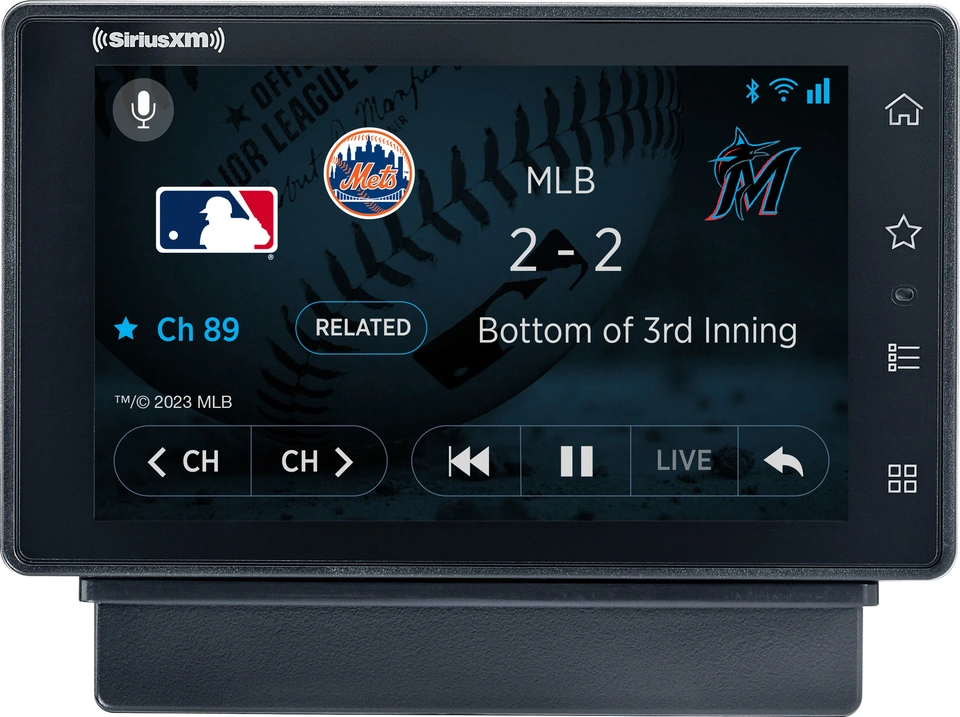
As SiriusXM moves forward, the distinction between “free” and “paid” is becoming increasingly mediated by software updates and “360L” technology. The 360L platform is the newest iteration of SiriusXM hardware found in modern vehicles. It combines a satellite tuner with an onboard 4G/5G LTE modem.
The 360L system is designed to provide a “seamless” experience, but it also provides more opportunities for free content. Because the car is always connected to the internet, SiriusXM can push personalized “free previews” directly to the dashboard based on the driver’s listening habits. This is a form of “freemium” software deployment, where the user is granted access to specific premium channels for a few days at a time as part of an algorithmic marketing campaign.
Furthermore, as the industry moves toward “Software Defined Vehicles” (SDVs), the ability to get SiriusXM for free may eventually reside in the app store of the car’s operating system (such as Android Automotive). In these environments, trial periods are often extended as part of the vehicle’s connectivity package. When purchasing a used vehicle, it is a common technical oversight for the previous owner’s subscription or the original “new car” trial to remain active. By performing a “factory reset” on the infotainment system and then checking the subscription status, many used car buyers find they have inherited months of free service that the system has yet to de-authorize.
In conclusion, obtaining free SiriusXM is a matter of navigating the intersection of broadcast hardware and streaming software. Whether it is through the strategic use of mobile app trials, taking advantage of over-the-air satellite unlocks, or utilizing digital privacy tools to manage subscriptions, the technology provides numerous paths for the savvy user. As the platform continues to integrate with AI and smart home ecosystems, the opportunities for “freemium” access will likely expand, making premium audio more accessible than ever before.
aViewFromTheCave is a participant in the Amazon Services LLC Associates Program, an affiliate advertising program designed to provide a means for sites to earn advertising fees by advertising and linking to Amazon.com. Amazon, the Amazon logo, AmazonSupply, and the AmazonSupply logo are trademarks of Amazon.com, Inc. or its affiliates. As an Amazon Associate we earn affiliate commissions from qualifying purchases.