
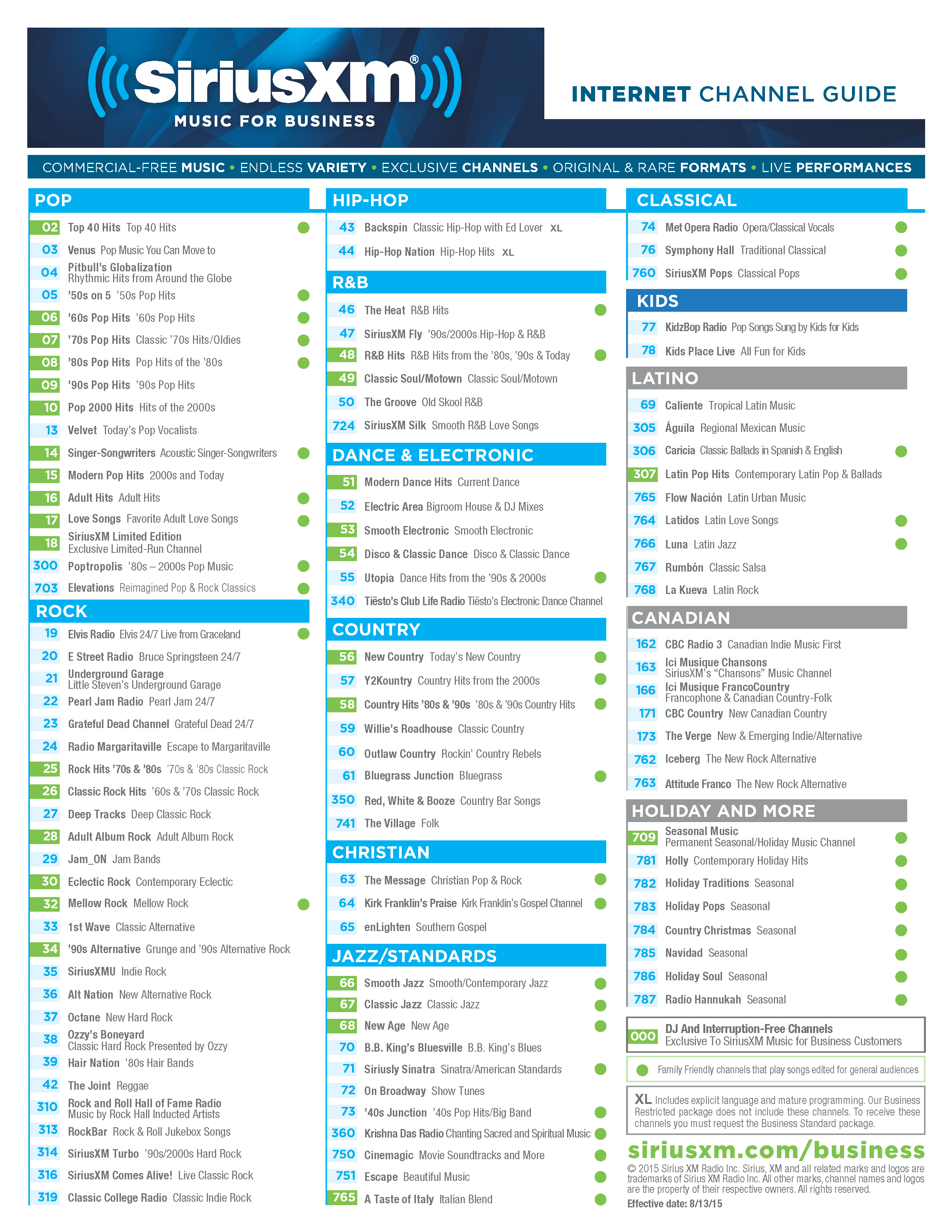
The question of “what Sirius channel” is no longer just about memorizing a three-digit number on a physical dial. In the contemporary digital landscape, finding your preferred content on SiriusXM has evolved into a sophisticated interaction with hardware, software, and cloud-based streaming protocols. As the platform transitions from a purely satellite-based broadcast service to a hybrid digital entertainment powerhouse, the technology behind how users locate and consume channels has become increasingly complex and feature-rich.
The Evolution of the Digital Dial: UI/UX and Search Algorithms
In the early days of satellite radio, navigating the spectrum was a linear process. Users scrolled through a chronological list of frequencies, much like traditional FM/AM radio. However, the modern SiriusXM interface—whether accessed through a vehicle’s head unit, a mobile app, or a web browser—utilizes advanced User Interface (UI) and User Experience (UX) design to manage hundreds of channels.
Intelligent Search and Metadata
Modern SiriusXM receivers and apps do not rely solely on channel numbers. They utilize rich metadata streams that include artist names, song titles, program descriptions, and genre tags. When a user asks, “What Sirius channel is playing 90s alternative?” the system’s internal search engine queries this metadata in real-time. This technological shift allows for a more “discovery-based” experience rather than a “memory-based” one. The backend architecture categorizes content into logical clusters, enabling features like “Related Channels” and “Similar Artists,” which are powered by recommendation algorithms similar to those found on major streaming platforms like Spotify or Netflix.
Voice Command Integration and Natural Language Processing
The most significant leap in finding the right channel has been the integration of Natural Language Processing (NLP). Through partnerships with Amazon Alexa, Google Assistant, and proprietary automotive voice systems, the “what Sirius channel” query is handled via voice-to-text APIs. When a driver says, “Play The Beatles Channel,” the software translates the vocal input into a specific command ID, matches it against the channel database (Channel 18, in this case), and initiates the stream or satellite lock. This hands-free technology is critical for driver safety and represents a pinnacle of modern infotainment integration.
Satellite vs. Streaming: The Infrastructure of Content Delivery
To understand how to access Sirius channels, one must understand the two distinct delivery methods: the Satellite Digital Audio Radio Service (SDARS) and the Internet Protocol (IP) streaming service.
The SDARS Constellation
The traditional method of receiving Sirius channels involves a network of high-powered satellites in geosynchronous and highly elliptical orbits. These satellites broadcast signals in the S-band spectrum (2.3 GHz). Hardware receivers equipped with specialized antennas decode these signals. The “channel” in this context is a specific slice of the digital bandwidth allocated to a program. This hardware-based approach is what allows SiriusXM to function in remote areas where cellular data is unavailable. However, satellite bandwidth is finite, which is why some channels are only available via the app and not on older satellite-only receivers.
The IP Streaming Backbone
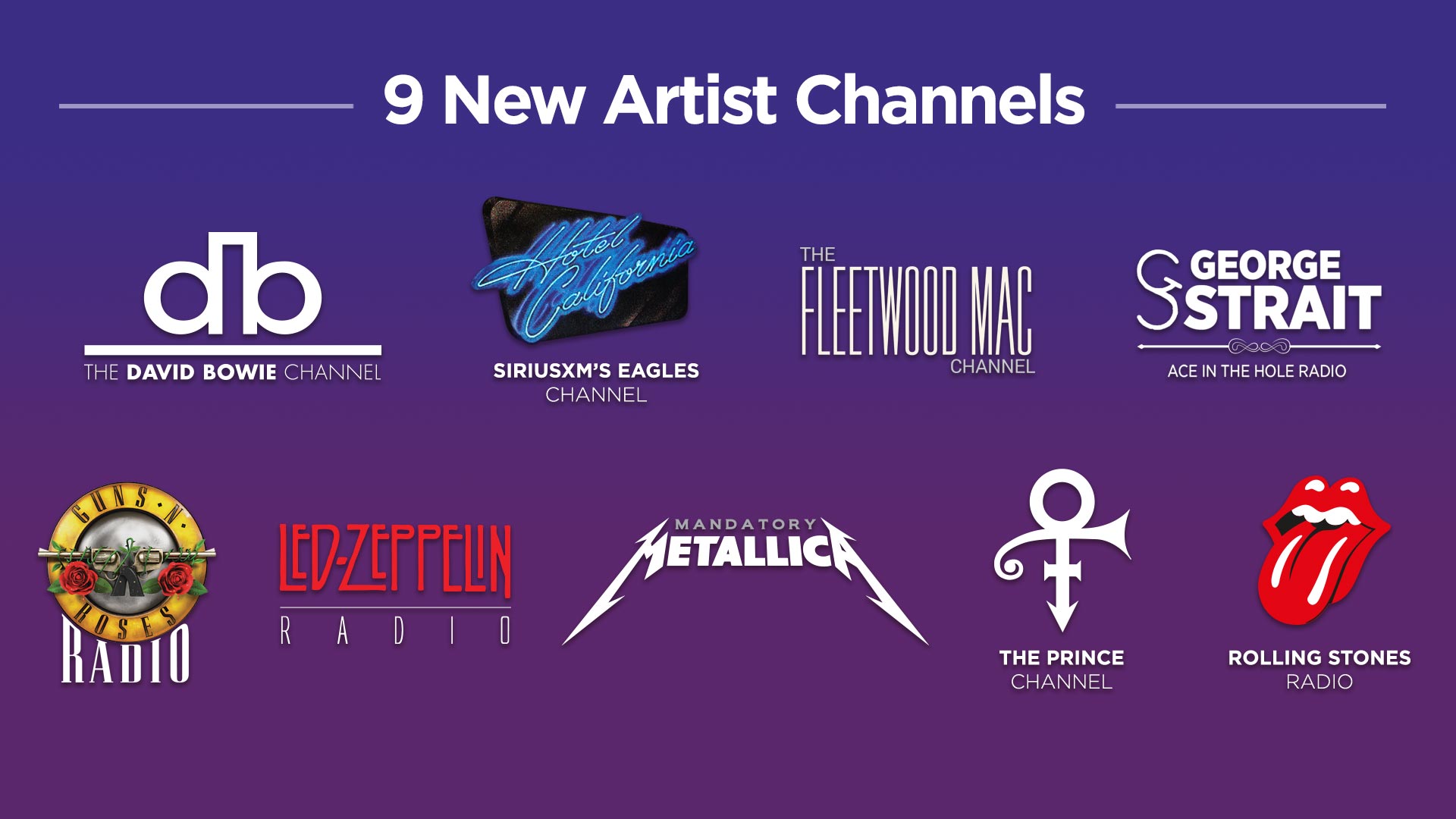
The SiriusXM app and the “360L” automotive platform utilize IP-based delivery. This allows for a much higher bitrate, resulting in superior audio fidelity compared to the compressed satellite signal. When you look for a channel on the app, you are accessing a Content Delivery Network (CDN). This infrastructure supports “Xtra” channels—digital-only stations that do not exist on the satellite spectrum. For tech-savvy users, the choice of “what channel” often depends on the available hardware; the app offers a deeper catalog (700+ channels) compared to the roughly 200 channels available on standard satellite tuners.
The 360L Hybrid Platform
The most advanced technology currently in vehicles is the SiriusXM with 360L platform. This is a hybrid system that seamlessly switches between satellite and LTE/5G data. If you are driving through a tunnel and lose the satellite “line of sight,” the 360L tech caches the stream and switches to cellular data to prevent audio dropouts. This platform also enables personalized “For You” screens, bringing the sophisticated UI of a smartphone directly into the dashboard hardware.
Integration Protocols: Smart Devices and Automotive Tech
Accessing Sirius channels today involves a complex web of software integrations. It is no longer about the radio alone; it is about the ecosystem of connected gadgets.
Apple CarPlay and Android Auto
For many users, the answer to “what Sirius channel” is found through smartphone mirroring protocols. Apple CarPlay and Android Auto allow the SiriusXM mobile app to project a simplified, driver-friendly interface onto the car’s touchscreen. This bypasses the vehicle’s native software entirely, using the phone’s processing power and data connection. This integration is handled through specific APIs that ensure the app responds to steering wheel controls and voice prompts, creating a unified tech environment.
Smart Home Ecosystems
The expansion of SiriusXM into the home has been driven by integrations with smart speakers and smart TVs. By utilizing “Skills” on Alexa or “Actions” on Google Home, users can link their accounts to their home automation hubs. The technical heavy lifting here involves OAuth authentication—a secure way for your SiriusXM credentials to be shared with third-party hardware without exposing your password. Once linked, the hardware uses a cloud-to-cloud connection to stream the requested channel directly to your living room.
Wearable Tech and Portability
The move toward Apple Watch and Wear OS integration highlights the trend of “ambient” media. Users can now browse channel lists and control playback from their wrists. These apps are designed to be lightweight, focusing on the most essential metadata and controls to preserve battery life while maintaining a constant connection to the smartphone’s data bridge.
Optimizing the User Experience: Troubleshooting and Tech Tips
Even with advanced technology, users may encounter issues when trying to access specific channels. Understanding the underlying tech can help in resolving these glitches efficiently.
Signal Refresh and Firmware Updates
One of the most common tech hurdles is the “Channel Not Available” or “Loading” error on satellite receivers. This often occurs when a subscription hasn’t been synced with the hardware. SiriusXM utilizes an over-the-air (OTA) activation signal. Users can trigger a “Signal Refresh” via the website, which sends a targeted data packet to their specific Radio ID via the satellite constellation. Furthermore, modern head units often require firmware updates to remain compatible with new channel lineups or security protocols. These updates are increasingly delivered via Wi-Fi or “over-the-air” cellular connections, mirroring the update cycles of smartphones.
Bandwidth and Data Management
For those using the app, the “what channel” question is often tied to data consumption. The SiriusXM app allows users to adjust audio quality settings—Standard, High, and Extreme. From a technical standpoint, this adjusts the bitrate of the AAC (Advanced Audio Coding) or high-efficiency codec being used. Users on limited data plans must balance audio fidelity against megabyte consumption, a consideration that didn’t exist in the era of pure satellite broadcasts.
Cache and App Optimization
On mobile devices, a sluggish interface can hinder the ability to find channels. Clearing the app cache or managing background refresh settings can significantly improve the speed of the “Search” function. The tech behind the app’s responsiveness relies on how well it indexes the massive library of On-Demand content versus live linear channels.
The Next Frontier: AI and Personalized Curation in SiriusXM
The future of how we answer “what Sirius channel” lies in Artificial Intelligence and Machine Learning. The platform is moving away from a one-size-fits-all channel list toward a hyper-personalized experience.
Algorithmic Channel Generation
SiriusXM is increasingly utilizing AI to create “Pandora-powered” stations within its own ecosystem. By analyzing a user’s listening history, skip rates, and “thumbs up” interactions, the system can dynamically generate a custom “channel” that exists only for that specific user. This is a significant departure from traditional broadcasting; it is a point-to-point digital stream tailored by an algorithm.
Enhanced Personalization via the 360L Platform
In the automotive space, AI is being used to predict what a driver might want to hear based on the time of day, location, and even driving patterns. If the system detects a morning commute, it might prioritize news and talk channels on the home screen. This predictive technology uses edge computing—processing data locally in the car—to provide instant recommendations without needing to query the cloud for every single interaction.

The Role of 5G in Future Broadcasting
As 5G networks become ubiquitous, the distinction between “satellite” and “streaming” channels will likely blur further. The massive bandwidth and low latency of 5G will allow for 4K-quality audio, interactive video channels within the car, and even augmented reality (AR) overlays that display channel information on the vehicle’s windshield. The technology is shifting from a passive listening experience to an immersive, data-rich environment where the “channel” is just the starting point of the content journey.
In conclusion, the question of “what Sirius channel” is a gateway into a sophisticated world of satellite communication, IP streaming, and AI-driven personalization. Whether you are using a legacy satellite receiver in a vintage truck or the latest 360L hybrid system in a luxury EV, the tech working behind the scenes ensures that your preferred audio content is only a click, a swipe, or a voice command away. As hardware continues to integrate more deeply with software, the way we discover and interact with digital radio will only become more seamless, intuitive, and technically advanced.
aViewFromTheCave is a participant in the Amazon Services LLC Associates Program, an affiliate advertising program designed to provide a means for sites to earn advertising fees by advertising and linking to Amazon.com. Amazon, the Amazon logo, AmazonSupply, and the AmazonSupply logo are trademarks of Amazon.com, Inc. or its affiliates. As an Amazon Associate we earn affiliate commissions from qualifying purchases.