
In the modern landscape of personal finance, loyalty points and frequent flyer miles have evolved from simple marketing gimmicks into a sophisticated form of private currency. For many travelers and savvy financial planners, American Airlines AAdvantage miles represent a significant portion of their “alternative” net worth. However, unlike the US dollar, the value of an AAdvantage mile is not fixed. It fluctuates based on how you earn them, how you redeem them, and how the airline adjusts its internal economy. Understanding what American miles are worth is essential for anyone looking to maximize their return on investment in the travel space.
To treat miles as a financial asset, one must apply the same level of scrutiny used for stock portfolios or high-yield savings accounts. At a baseline, most industry experts and financial analysts value American Airlines miles at approximately 1.5 cents each. But this figure is a moving target. Depending on your strategy, you could see redemptions as low as 0.5 cents or as high as 10 cents per mile.
Understanding the Fundamental Value of AAdvantage Miles
The most common metric for determining the value of any travel point is the “Cents Per Mile” (CPM) calculation. This is a simple mathematical formula: take the cash price of a flight (minus any taxes and fees you would still pay on an award ticket) and divide it by the number of miles required for that flight.
The Concept of Cents Per Mile (CPM)
For example, if a round-trip ticket from Dallas to New York costs $450, and you can book it for 30,000 miles plus $11.20 in taxes, your CPM is ($450 – $11.20) / 30,000 = 1.46 cents per mile. In the world of personal finance, this is your “yield.” If you are redeeming miles for a value lower than the cost of acquiring them—either through credit card spend or direct purchase—you are essentially losing money.
The 1.5-cent benchmark is a “conservative floor.” It represents a value that is relatively easy to achieve for most domestic travelers without requiring extensive research or flexible schedules. However, because American Airlines has moved toward a more dynamic pricing model, the value of a mile is increasingly tied to the cash price of the ticket, which can create volatility in your “travel portfolio.”
How American Airlines Compares to Other Carriers
When compared to its peers like Delta Air Lines or United Airlines, American Airlines miles are often considered more valuable by enthusiasts. This is largely due to American’s membership in the Oneworld alliance and its retention of somewhat predictable award charts for partner airlines. While Delta “SkyPesos” are frequently criticized for having a low and unpredictable floor (often around 1.1 to 1.2 cents), AAdvantage miles maintain a higher ceiling thanks to high-value partner redemptions on luxury carriers like Qatar Airways or Japan Airlines.
Maximizing Redemption: Where Your Miles Go Furthest
To extract the highest value from your American miles, you must look beyond standard domestic economy flights. The true “wealth-building” aspect of the AAdvantage program lies in international premium cabins and strategic partner bookings.
International Premium Cabins and Partner Awards
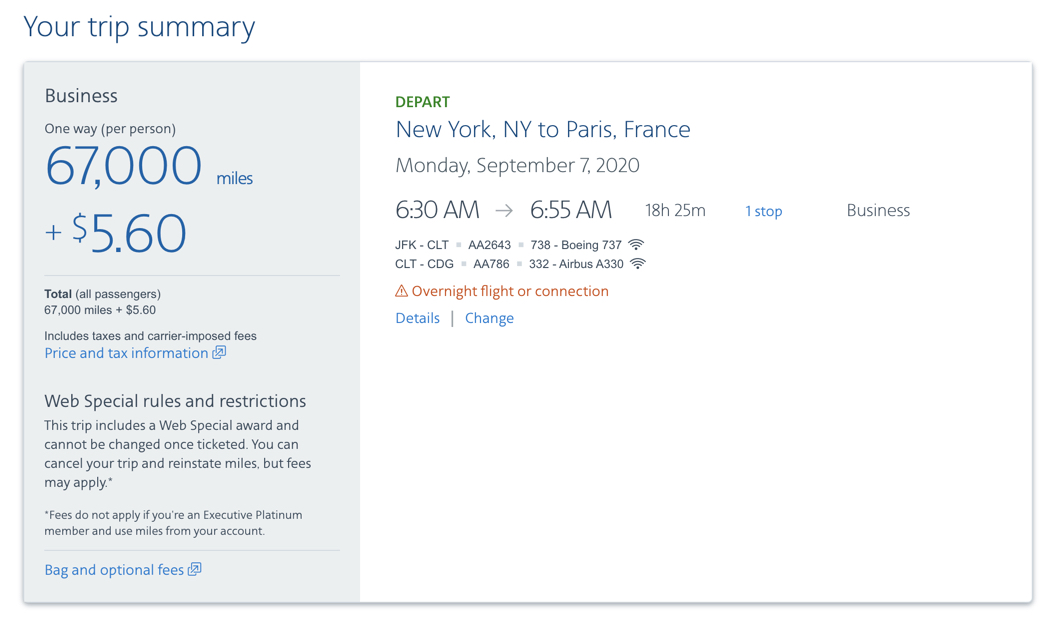
The highest CPM is almost always found in long-haul Business or First Class seats. For instance, booking a seat in Qatar Airways’ famed Qsuite using AAdvantage miles is often cited as the gold standard of redemption. A one-way flight from the United States to Doha might cost $8,000 in cash but only 70,000 American miles. After accounting for minor taxes, this yields a staggering 11 cents per mile.
From a financial perspective, this represents an incredible arbitrage opportunity. If you earned those 70,000 miles through a credit card sign-up bonus with a $4,000 spend requirement, you are essentially receiving a return on spend that far exceeds any traditional cashback card. While not everyone needs or wants to fly in luxury, the “value” remains undeniable on paper.
Short-Haul Domestic Sweet Spots
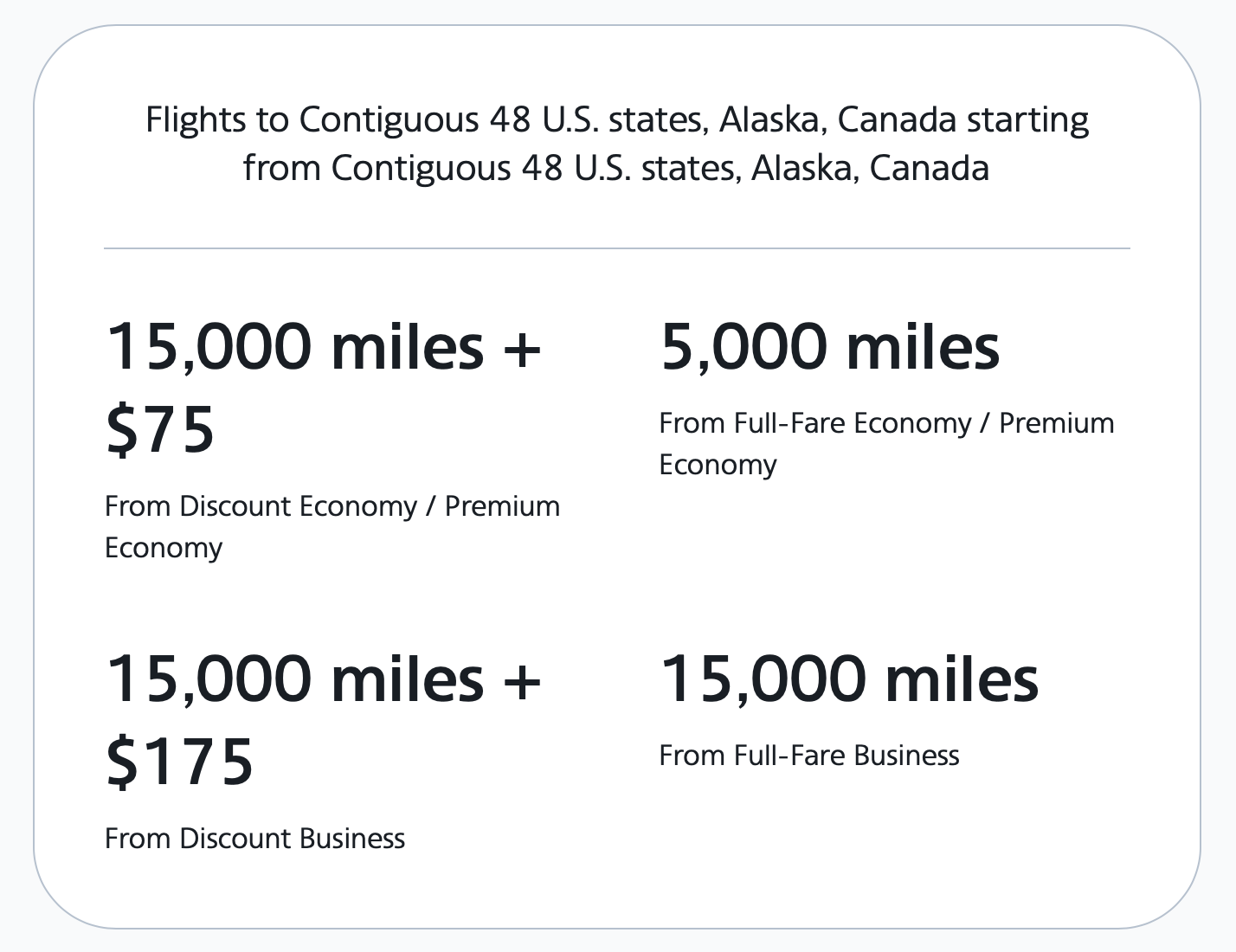
Another area where miles can punch above their weight is on expensive, short-haul routes. Flights into smaller regional airports or last-minute bookings can often see cash prices skyrocket while award prices remain relatively stable. American frequently offers “Web Specials” where domestic one-way flights can be found for as little as 5,000 to 7,500 miles. If the cash price of that last-minute flight is $250, you are achieving a value of over 3 cents per mile, double the standard baseline.
Leveraging the Oneworld Alliance
The value of American miles is intrinsically linked to the strength of its partners. By using AAdvantage miles to book travel on British Airways, Cathay Pacific, or Qantas, you gain access to a global network. However, a savvy financier knows to watch out for “hidden costs.” British Airways, for example, often passes on heavy fuel surcharges to award tickets. If you have to pay $700 in fees on top of your miles, your CPM drops significantly. Therefore, the most valuable redemptions are those on partners like Finnair or Alaska Airlines, where fees are kept to a minimum.

Low-Value Redemptions to Avoid
Just as there are “dividend traps” in the stock market, there are “redemption traps” in the loyalty world. These are options that allow you to spend your miles but offer a poor return on the effort it took to earn them.
Merchandise and Gift Cards
American Airlines, like many others, allows you to spend miles on Apple products, luggage, or retail gift cards. Almost without exception, these redemptions value your miles at 0.5 to 0.7 cents each. From a financial management standpoint, this is a poor use of capital. You are effectively cutting the value of your miles by more than half compared to a standard flight redemption. If you find yourself with a surplus of miles and no desire to travel, it is almost always better to hold them for a future trip than to “cash them out” for a toaster or a $50 gift card.
Main Cabin Domestic Flights During Peak Times
During holidays or major sporting events, American may charge an exorbitant amount of miles for an economy seat. If a flight from Chicago to Miami costs 50,000 miles round-trip because it’s spring break, but the cash price is $400, your value is only 0.8 cents per mile. In these instances, it is financially wiser to pay the cash price and save your miles for a time when the redemption value is higher.
Upgrading Paid Fares with Miles and Cash
American allows you to use miles to upgrade from Economy to Business Class, but this often requires a “co-pay” of several hundred dollars in addition to the miles. Unless you are on a very long international flight, the math rarely works out in your favor. When you calculate the cash you’re spending plus the value of the miles, you often find that you could have bought a better experience outright for less.
The Financial Impact of Program Changes and Dynamic Pricing
The loyalty industry is currently undergoing a massive shift toward “dynamic pricing.” This means that the number of miles required for a flight is increasingly tied to the demand and the cash price of the ticket, rather than a fixed distance-based chart.
The Move Away from Award Charts
Historically, you knew that a flight to Europe would cost 30,000 miles in economy regardless of whether it was in May or December. With the removal of many fixed award charts, American Airlines has gained more control over the “inflation” of their currency. As a holder of these miles, this introduces “inflation risk.” If the airline decides to increase the cost of all flights by 20% tomorrow, your “mileage bank account” just lost 20% of its purchasing power.
Inflation in the Loyalty Economy
Because miles do not earn interest and are subject to devaluation at the whim of the corporation, the best financial advice is usually to “earn and burn.” Unlike a 401(k), you do not want to hoard miles for thirty years. The value of an American mile is likely higher today than it will be in five years. By using them regularly for high-value redemptions, you insulate yourself from the inevitable devaluation that occurs as airlines issue more miles into the ecosystem.
Strategic Earning: Miles as a Financial Asset
If you view miles as an asset, you must also look at the “cost of goods sold”—how much does it cost you to acquire these miles?
Credit Card Synergies
The most efficient way to acquire American miles is through strategic credit card usage. Sign-up bonuses can provide a massive influx of capital (miles) for a relatively low spend. For a business owner, putting company expenses on an AAdvantage-branded card can result in millions of miles, effectively subsidizing all corporate travel. However, one must account for the opportunity cost. If you are using an American Airlines card that earns 1 mile per dollar, but you could be using a 2% cash-back card, you are essentially “buying” each mile for 2 cents. Since we’ve established a baseline value of 1.5 cents, this is a losing trade. You should only use co-branded cards when the category bonuses (like 2x on gas or 3x on AA flights) exceed the value of a flat cash-back alternative.
The AAdvantage eShopping Portal and Dining Program
A more passive way to “invest” in your mileage balance is through shopping and dining portals. By clicking through the AAdvantage eShopping link before buying a laptop or clothes, you can earn 2x to 10x miles per dollar spent. This is a “pure profit” move, as it doesn’t cost you anything extra but increases your mileage balance. In the world of side hustles and online income, mastering these portals is a low-effort way to boost your travel budget without touching your primary income.
In conclusion, American Airlines miles are a versatile and valuable financial tool for those who understand the mechanics of the system. While the baseline value sits around 1.5 cents, the true savvy comes from avoiding the pitfalls of low-value redemptions and aiming for the “high-yield” international awards. By treating your miles with the same respect as your cash investments—monitoring for inflation, seeking out arbitrage opportunities, and calculating your return on spend—you can turn a simple loyalty program into a powerful engine for global travel.
aViewFromTheCave is a participant in the Amazon Services LLC Associates Program, an affiliate advertising program designed to provide a means for sites to earn advertising fees by advertising and linking to Amazon.com. Amazon, the Amazon logo, AmazonSupply, and the AmazonSupply logo are trademarks of Amazon.com, Inc. or its affiliates. As an Amazon Associate we earn affiliate commissions from qualifying purchases.