
Traveling with a canine companion across international borders was once a labyrinth of paper forms, manual filing, and unpredictable logistics. However, the intersection of pet ownership and the digital revolution has transformed this process into a tech-driven endeavor. Today, ensuring a dog’s safe arrival in a foreign country requires more than just a sturdy crate; it demands a sophisticated “tech stack” consisting of IoT hardware, cloud-based compliance software, and AI-driven logistics platforms. For the modern traveler, understanding the technology behind international pet relocation is the key to a seamless journey.

The Digital Pet Passport: Navigating Compliance with Software
The most significant hurdle in overseas travel is the varying veterinary and legal requirements of the destination country. Traditional paper health certificates are increasingly being replaced or augmented by digital ecosystems designed to streamline verification and reduce the risk of document forgery.
Cloud-Based Health Documentation and OCR
Managing a dog’s medical history—including rabies titers, DHPP vaccinations, and parasite treatments—now relies heavily on cloud-based storage and Optical Character Recognition (OCR) technology. Specialized apps allow owners to scan physical veterinary records, which are then digitized and categorized for easy retrieval. Platforms such as VetX or digital pet vaults provide secure, encrypted environments where owners can store “EU Pet Passports” or USDA-endorsed health certificates. Using cloud synchronization ensures that even if physical documents are lost in transit, a verified digital copy is accessible from any mobile device, often integrated with QR codes for quick scanning by customs officials.
Compliance Engines and Regulatory Databases
Navigating the “Pet Import” rules for countries like Japan, Australia, or the United Kingdom requires precision. Tech-savvy travelers use compliance engines—software platforms that update in real-time with the latest CDC, USDA, and IATA regulations. These tools function as algorithmic checklists; by inputting the origin, destination, and dog’s breed, the software generates a precise timeline for vaccinations and blood tests. This mitigates the risk of human error, which is the primary cause of pets being held in quarantine or denied entry at international borders.
IoT and Hardware: Monitoring Your Dog’s Vital Signs in Transit
When a dog travels in the cargo hold of an aircraft or even in the cabin, the owner’s primary concern is safety. The Internet of Things (IoT) has introduced a new era of transparency, allowing owners to monitor their pet’s environment and physiological state from their smartphone.
Smart Collars and Biometric Monitoring
Modern smart collars have evolved far beyond simple activity trackers. High-end devices now utilize biometric sensors to monitor heart rate, respiration levels, and skin temperature. During the stress of international travel, these data points are invaluable. Companies like PetPace or FitBark provide deep insights into a dog’s anxiety levels. While the owner may not be able to interact with the dog during a ten-hour flight, the historical data synced upon landing provides a clear picture of how the pet handled the atmospheric pressure changes and noise levels of the journey.
Global GPS Tracking and eSIM Technology
Standard Bluetooth trackers are insufficient for overseas travel due to their limited range. The current gold standard involves GPS and LTE-M trackers equipped with global eSIMs. These devices do not rely on a single local carrier; instead, they automatically switch to the strongest available cellular network across international borders.
For pets traveling in cargo, placing a GPS tracker (that is FAA-compliant regarding battery and transmission) inside the crate provides peace of mind. Upon landing, the moment the aircraft’s hold is opened, the device can ping the owner’s phone, confirming the pet’s location on the tarmac. This technology is critical during layovers in large international hubs like Frankfurt or Dubai, where the risk of a pet being misrouted is highest.
AI-Driven Logistics and Travel Management Platforms

The logistics of booking a “pet-friendly” international flight involve complex algorithms that account for aircraft type, cargo hold ventilation, and ambient temperature forecasts. AI is now playing a central role in how these flights are selected and managed.
AI-Powered Route Planning
Not all flight paths are equal when it comes to pet safety. AI-driven travel platforms now analyze historical data to recommend routes that minimize “tarmac time”—the period a pet spends waiting in a crate outside the aircraft. These algorithms factor in weather patterns, identifying “heat-hold” risks in tropical hubs or extreme cold in northern regions. By using predictive analytics, travelers can choose flight windows that provide the highest probability of optimal temperatures, which is especially vital for brachycephalic (short-nosed) breeds that are highly sensitive to environmental changes.
API Integration with Pet-Friendly Hospitality
Once on the ground, the tech stack shifts toward stay management. Modern travel booking engines use advanced API integrations to filter for more than just “pets allowed.” Sophisticated platforms now pull data regarding specific weight limits, breed restrictions, and available on-site tech amenities (such as pet-monitoring cameras in hotel rooms). This level of granular data ensures that the digital nomad or international traveler is never stranded in a foreign city with a dog and nowhere to stay.
The Evolution of the Smart Kennel
The physical container used for overseas travel has undergone a technological overhaul. The “Smart Kennel” is no longer a concept but a reality for high-stakes pet transport.
Climate Control and Integrated Sensors
The latest generation of IATA-compliant crates can be outfitted with environmental sensors that monitor humidity and temperature in real-time. Some high-tech prototypes even include active ventilation systems that adjust fan speeds based on the internal temperature of the crate. For international relocations, these crates often feature built-in cameras with night vision, allowing pet relocation specialists to monitor the animal during transport via a dedicated LTE link.
Automated Hydration and Feeding Systems
Long-haul flights often exceed 12 hours, making hydration a primary concern. Smart crates now feature drip-fed hydration systems that are spill-proof and can be monitored via weight sensors. If a dog consumes its water faster than expected, sensors can alert ground crew or handlers at a layover station through an integrated logistics app, ensuring the pet’s basic needs are met without the need to open the crate and risk an escape in a busy airport environment.
Cybersecurity and Data Integrity in Pet Travel
As pet travel becomes more digitized, the security of the data involved becomes paramount. This includes the dog’s identification data, ownership records, and health history.
RFID Technology and Global Microchip Databases
The microchip is the foundational technology of international pet travel. However, the challenge lies in database fragmentation. The tech industry is moving toward a more unified, blockchain-based approach to microchip registries. By utilizing an ISO 11784/11785 compliant 15-digit microchip, and ensuring that the data is registered on a globally accessible, encrypted database, owners can ensure their dog’s identity is verifiable in any country. This prevents the “mismatched scanner” issues that have historically plagued international travelers.
Managing Privacy in Shared Databases
When traveling overseas, owners often have to share their pet’s data with airlines, customs agents, and third-party handlers. Modern pet tech platforms utilize decentralized identity protocols to ensure that only the necessary information is shared with each stakeholder. For example, a customs agent may need to verify a rabies certificate but does not need access to the owner’s full travel itinerary or home address. This layered approach to data privacy is essential for high-profile travelers or those concerned about digital security in an increasingly connected world.
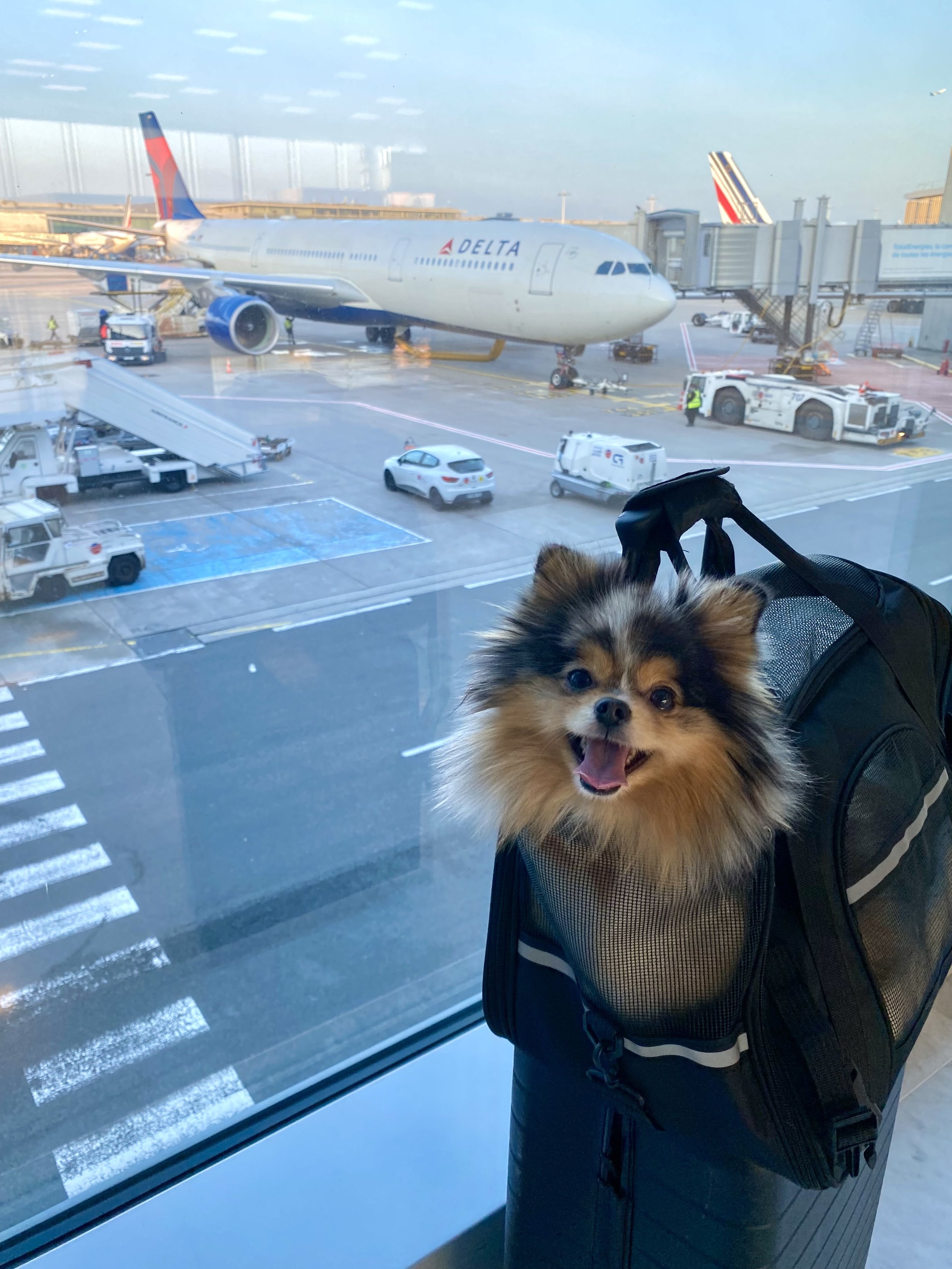
Conclusion: The Future of Connected Pet Travel
Traveling with a dog overseas has transitioned from a stressful manual process to a sophisticated digital workflow. By leveraging the latest in IoT hardware, AI-driven logistics, and secure cloud software, pet owners can significantly mitigate the risks associated with international transit. As technology continues to evolve—with the potential for satellite-based tracking that functions even in mid-flight or bio-wearables that can predict illness before symptoms appear—the “borderless world” is becoming a reality not just for humans, but for their canine companions as well. The successful international traveler is no longer just a pet owner; they are a manager of a complex, tech-enabled logistical operation.
aViewFromTheCave is a participant in the Amazon Services LLC Associates Program, an affiliate advertising program designed to provide a means for sites to earn advertising fees by advertising and linking to Amazon.com. Amazon, the Amazon logo, AmazonSupply, and the AmazonSupply logo are trademarks of Amazon.com, Inc. or its affiliates. As an Amazon Associate we earn affiliate commissions from qualifying purchases.