
Relocating a household across state lines is a complex financial undertaking, often involving thousands of dollars in moving truck rentals, real estate closing costs, and transitional housing. However, one of the most overlooked line items in a relocation budget is the specialized logistics required to move a family pet. When it comes to shipping cats to another state, the process is far more than a simple road trip; it is a nuanced logistical challenge that requires a deep understanding of market rates, regulatory compliance costs, and risk management.

For the modern professional or pet owner, shipping a cat is an exercise in cost-benefit analysis. Whether you are moving for a high-level corporate position or optimizing your personal cost of living by switching states, understanding the economic landscape of pet transport is essential for maintaining your financial plan. This guide examines the financial structures of feline relocation, comparing the costs of various transport methods and identifying the most efficient ways to manage this unique capital expenditure.
Direct Expense Analysis: The Core Costs of Feline Transport
The first step in any financial plan for pet relocation is identifying the fixed and variable costs. Shipping a cat is not a singular transaction but a series of interconnected expenses that must be audited before the move begins.
Regulatory Compliance and Veterinary Fees
Before a cat can cross state lines via commercial means, it must meet specific regulatory standards. These are not merely health requirements but are legal mandates that carry financial implications. Most states and all commercial airlines require a Certificate of Veterinary Inspection (CVI), commonly known as a health certificate.
A standard CVI typically costs between $75 and $250, depending on the veterinary practice and the speed of the required turnaround. Furthermore, many states require proof of up-to-date rabies vaccinations and other core immunizations. If a cat’s medical records are not current, the pre-shipment medical bill can easily exceed $400. In the world of professional logistics, failing to have these documents in order can result in significant “holdover fees” or the forfeiture of transport deposits, making the vet visit a critical risk-mitigation step.
Specialized Equipment and Capital Outlay
Shipping a cat requires hardware that meets the International Air Transport Association (IATA) standards. A budget-grade plastic carrier from a local big-box retailer is often insufficient for long-distance shipping, particularly for air travel. A high-quality, airline-approved crate can range from $50 to $150. For those opting for ground transport, the equipment costs might be lower, but the need for “comfort kits”—including spill-proof water bowls, specialized bedding, and pheromone diffusers—can add an additional $50 to the overhead.
Comparative Economics: Air Travel vs. Ground Transport
When choosing how to ship a cat, the decision usually comes down to two primary modes: air transport and ground courier services. Each has a distinct price point and a different impact on the overall relocation budget.
The Nuances of Air Freight Pricing
Air travel for cats generally falls into three pricing tiers: in-cabin, excess baggage, and manifest cargo.
-
In-Cabin ($100–$200): This is the most cost-effective method. The owner pays a flat fee to bring the cat under the seat. However, this requires the owner’s presence, meaning the cost of an adult human ticket must be factored into the total “shipping” expense.
-
Excess Baggage ($200–$400): Some airlines allow pets to travel in the pressurized hold as excess baggage. This is a mid-tier option, but it is increasingly rare due to airline liability shifts.
-
Manifest Cargo ($500–$1,500): This is the professional standard. The cat is shipped through the airline’s cargo division (e.g., Delta Cargo or United PetSafe). The pricing is calculated based on “dimensional weight”—the size of the crate relative to its actual weight. While expensive, this method offers the highest level of logistical priority and professional handling.
Professional Ground Couriers and Shared Logistics
Ground transport is often the preferred choice for those looking to avoid the complexities of airline regulations. Professional pet couriers generally charge based on mileage or a flat rate for “zone-to-zone” transport.
-
Private Transport ($1.50–$3.00 per mile): For a 1,000-mile move, a private courier can cost upwards of $2,000. This is a premium service where the cat is the sole passenger.
-
Shared Transport ($400–$900): Many logistics companies offer shared routes where multiple pets are transported in a single climate-controlled van. This “rideshare” model for pets drastically reduces the per-client cost by distributing the fuel and labor expenses across several households.
Professional Relocation Services: Evaluating the ROI of White-Glove Support
For high-net-worth individuals or busy professionals, the time spent managing the minutiae of pet shipping can be more expensive than the service itself. This has given rise to the professional pet relocation industry, represented by organizations like the International Pet and Animal Transportation Association (IPATA).
The Role of Pet Relocation Consultants
A professional pet relocation service acts as a general contractor for the move. They handle the flight bookings, coordinate with veterinarians, manage the ground transport to and from the airport, and navigate any state-specific quarantine or entry requirements. These services typically start at a base management fee of $500 to $1,000, excluding the actual costs of transport.
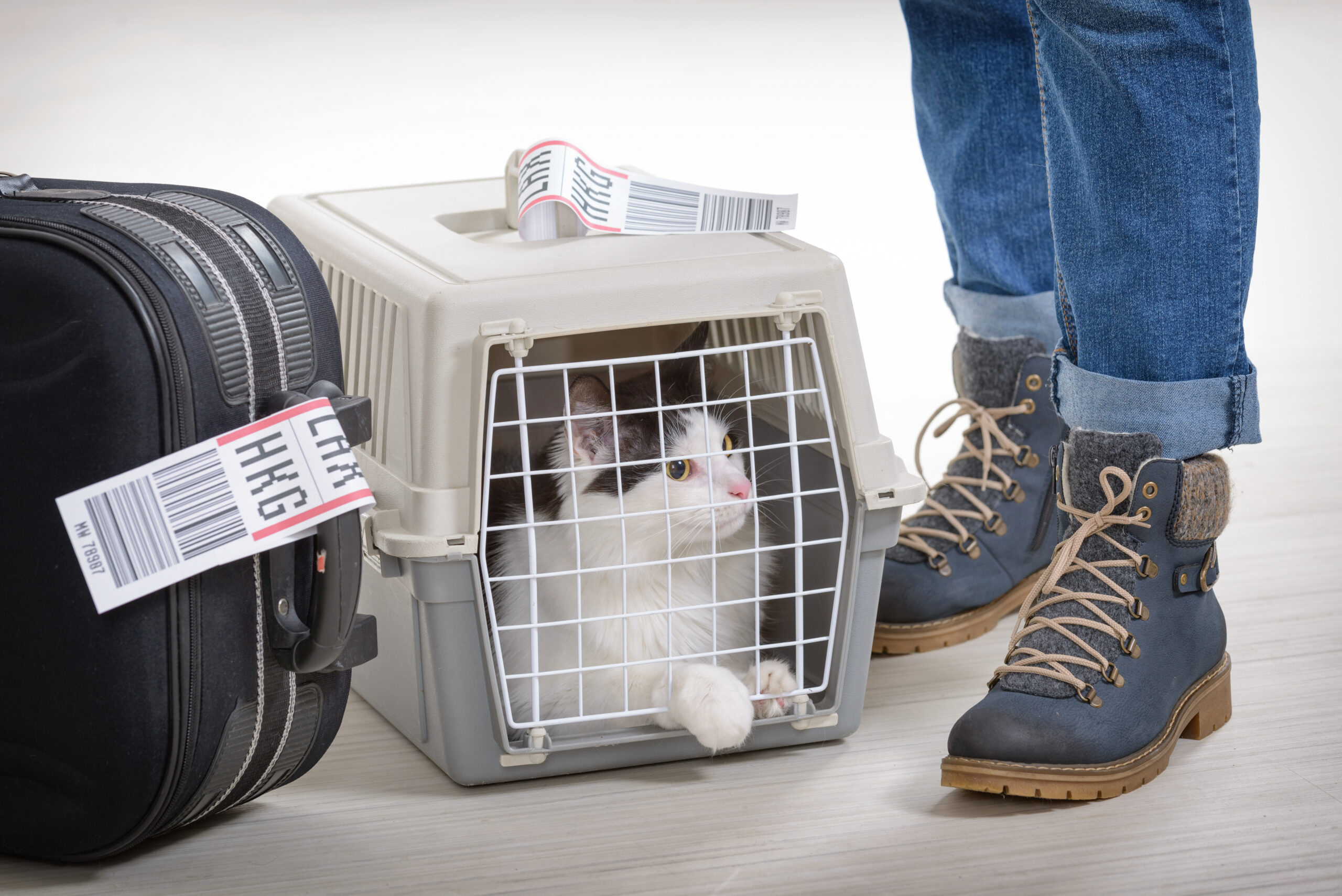
From a financial perspective, the Return on Investment (ROI) of these services lies in “error reduction.” A single mistake in paperwork can lead to a cat being denied boarding, which could result in a missed flight for the owner, extra nights in a hotel, and emergency boarding fees. For a relocation project with a total budget of $10,000 or more, paying a professional to ensure the pet arrives safely and on time is a form of insurance against larger logistical failures.
The “Pet Nanny” Model
The most premium tier of feline shipping is the “Pet Nanny” service. In this model, a professional courier flies with the cat in the cabin, staying with the animal from door to door. The cost for this service includes the nanny’s airfare, their professional fee (often $400–$600 per day), and the pet’s airline fee. While the total can easily reach $2,000 to $3,000, it provides a level of security and personalized care that minimizes the “stress-related health risks” for the cat, which could otherwise lead to expensive post-move veterinary bills.
Risk Management: Insurance and Contingency Planning
In any financial transaction involving the movement of assets—even living ones—risk management is paramount. Shipping a cat involves inherent risks, including health emergencies, flight delays, and lost cargo.
Pet Insurance and Shipping Riders
Many standard pet insurance policies do not cover “transit” unless specifically stated. Before shipping a cat, it is vital to audit the existing policy. Some high-end transport companies provide their own liability coverage, but these are often limited to the “market value” of the cat, which rarely covers the emotional or medical costs of an incident.
Savvy relocators should look for “Travel Riders” or temporary insurance adjustments that cover emergency veterinary care in a different state. Budgeting an extra $50–$100 for comprehensive short-term insurance can prevent a four-figure emergency bill if the cat suffers from travel-induced respiratory issues or dehydration.
Financial Contingency Funds
A move is rarely perfectly executed. When shipping a cat, one must account for “unforeseen operational variances.” If a flight is canceled due to weather, the airline will not always provide a climate-controlled facility for the animal. In such cases, the owner may need to pay for emergency boarding at a facility near the airport. A liquid contingency fund of at least $500 should be set aside specifically for pet-related emergencies during the transit window.
Strategic Budgeting: Minimizing Costs Without Sacrificing Safety
Optimizing the cost of shipping a cat requires strategic timing and market awareness. Like the broader travel industry, pet shipping rates fluctuate based on demand, seasonality, and fuel prices.
Seasonal Market Fluctuations
Many airlines have “temperature bans” or “blackout dates” for pet travel. For example, during the peak summer months, many carriers will not ship pets in the cargo hold because the tarmac temperatures exceed safety limits (usually 85 degrees Fahrenheit). This creates a “supply crunch” for ground transporters, who often raise their rates during these months. To save money, plan your relocation for the “shoulder seasons”—spring and autumn—when both air and ground options are fully available and prices are more competitive.
Leveraging Corporate Relocation Packages
If you are moving for work, the “pet clause” in your relocation package is a significant financial asset. Many corporations offer a lump-sum relocation bonus or a managed move. However, pet shipping is often categorized as an “ancillary expense.”
When negotiating a move, ensure that pet relocation is explicitly included in the contract. Some companies will reimburse the full cost of a professional IPATA-certified shipper, which can save the employee several thousand dollars in out-of-pocket costs. If the company offers a lump sum, get quotes from multiple shippers before accepting the offer to ensure the “pet line item” is properly funded.
The Hidden Tax Considerations
While the Tax Cuts and Jobs Act of 2017 eliminated the federal moving expense deduction for most taxpayers (except for certain members of the Armed Forces), it is still worth consulting with a tax professional. In some states, moving expenses can still be deducted from state income taxes, or if the move is related to a business expansion, certain costs might be categorized differently. While pet shipping is generally considered a personal expense, the professionalization of the pet industry is leading to more nuanced discussions regarding the “relocation of household assets.”

Conclusion: The Bottom Line on Feline Logistics
Shipping a cat to another state is a significant financial commitment that demands a professional approach to budgeting and logistics. By treating the move as a high-stakes logistics project, you can identify the most cost-effective methods, from shared ground transport to strategic air cargo.
The goal is to balance the “initial outlay” with the “total cost of ownership.” Saving $200 on a budget courier may seem like a gain, but if it results in a stressed, dehydrated animal requiring a $1,000 emergency vet visit, the net financial impact is negative. Through careful planning, rigorous vendor vetting, and a clear understanding of the market, you can ensure that your cat arrives at your new home safely and that your relocation budget remains intact.
aViewFromTheCave is a participant in the Amazon Services LLC Associates Program, an affiliate advertising program designed to provide a means for sites to earn advertising fees by advertising and linking to Amazon.com. Amazon, the Amazon logo, AmazonSupply, and the AmazonSupply logo are trademarks of Amazon.com, Inc. or its affiliates. As an Amazon Associate we earn affiliate commissions from qualifying purchases.