
Understanding the cost of a plane ticket is no longer a simple matter of checking a fixed price list. In the modern economy, airfare functions more like a volatile commodity or a high-frequency traded stock than a traditional consumer product. For the financially conscious traveler, the question “how much is a plane ticket?” is the starting point for a complex analysis of market dynamics, personal budgeting, and strategic asset management. To navigate this landscape effectively, one must look beyond the sticker price and understand the underlying financial structures that dictate what we pay to move from point A to point B.
The Economic Variables: Why Prices Fluctuate Like Volatile Assets
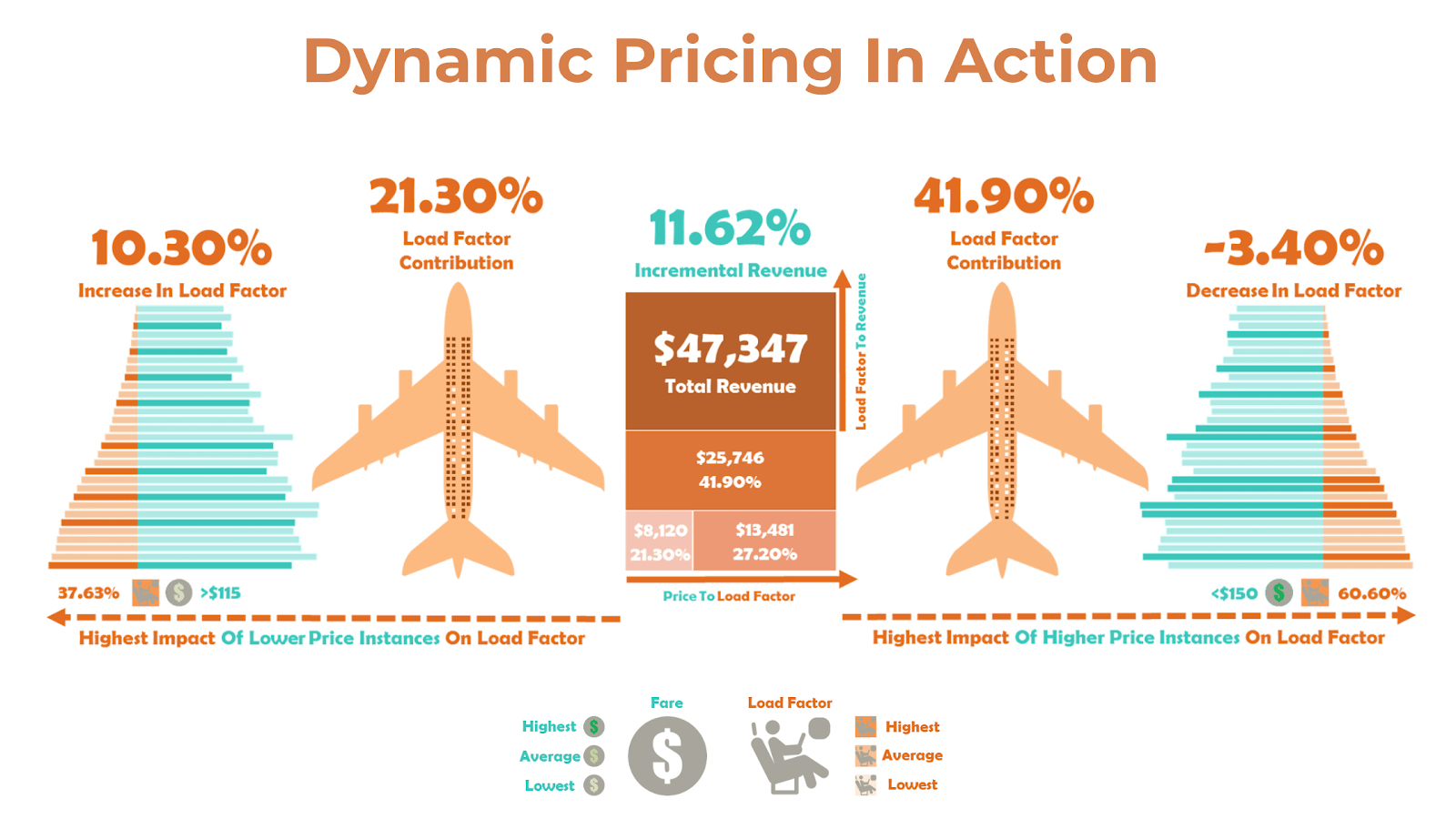
The price of a plane ticket is rarely static because it is governed by sophisticated yield management systems. These algorithms are designed to maximize the revenue per available seat mile (RASM), a key metric in airline finance. When you see a price change from one hour to the next, you are witnessing real-time data processing that accounts for hundreds of variables.
Supply, Demand, and Yield Management
At its core, airfare is driven by the law of supply and demand, but with a twist of extreme perishability. An empty seat on a departing flight is a lost asset that can never be recovered. To mitigate this risk, airlines use dynamic pricing to segment the market. They identify price-sensitive leisure travelers who book months in advance and price-insensitive business travelers who book last minute.
By adjusting prices upward as the departure date approaches or as seats fill up, airlines capture the maximum “willingness to pay” from different consumer segments. For the individual managing a personal budget, this means that the timing of a purchase is often more impactful on the final cost than the actual distance traveled.
The Impact of Fuel Hedging and Operational Costs
A significant portion of a ticket’s price is dictated by the airline’s internal financial health and operational overhead. Jet fuel typically accounts for 20% to 30% of an airline’s operating expenses. Many airlines engage in “fuel hedging”—a financial strategy where they enter into contracts to lock in fuel prices for the future.
If an airline hedges correctly, they can maintain lower ticket prices even when oil prices spike. Conversely, if they fail to hedge or if their operational costs (labor, maintenance, airport fees) rise, those costs are inevitably passed down to the consumer. Understanding these macro-economic factors helps travelers realize that ticket prices are often a reflection of global energy markets and corporate balance sheets.
Travel as a Financial Investment: Budgeting and Resource Allocation
In the context of personal finance, purchasing a plane ticket should be viewed as a capital allocation decision. Whether the travel is for business (intended to generate a return) or leisure (an investment in human capital and well-being), it requires a structured approach to budgeting.
Integrating Travel into a Comprehensive Personal Finance Plan
Financial experts often recommend the 50/30/20 rule: 50% of income for needs, 30% for wants, and 20% for savings and debt repayment. Travel falls into the “wants” category, but for many, it is a high-priority line item. To avoid the high-interest debt associated with credit card financing, proactive travelers should utilize a “sinking fund.”
By automating a monthly transfer into a dedicated travel high-yield savings account, the cost of a plane ticket becomes a pre-funded expense rather than a financial shock. This disciplined approach allows you to strike when prices are low without disrupting your broader financial goals.
Calculating the ROI of Business and Personal Travel
From a business finance perspective, the cost of a plane ticket is an investment in a specific outcome—be it closing a deal, attending a conference, or expanding a network. The Return on Investment (ROI) is calculated by weighing the ticket cost and associated travel expenses against the projected revenue or professional growth the trip will facilitate.
For personal travel, the ROI is more subjective but no less important. It is often measured in “utility” or the prevention of burnout, which has long-term financial benefits regarding career longevity and productivity. Viewing airfare through this lens helps justify the expense not as a loss of capital, but as a strategic deployment of resources for future gain.

Leveraging Travel Hacking as a Wealth Management Strategy
For the savvy financial operator, the “price” of a ticket can often be reduced to near zero by leveraging credit card rewards and frequent flyer programs. This practice, often called “travel hacking,” is essentially a form of non-traditional asset management.
Treating Reward Points as a Non-Traditional Asset Class
Credit card points and airline miles have a specific monetary value, usually ranging from 1 to 3 cents per point. By treating these rewards as a currency, you can diversify your “travel portfolio.” This involves strategically opening credit cards with high sign-on bonuses and using them for everyday expenses that you were already going to incur.
The goal is to earn “rebates” on your spending in the form of points, which can then be redeemed for high-value international tickets that would otherwise cost thousands of dollars. This effectively lowers the cost of travel and allows you to keep more of your liquid cash invested in traditional vehicles like stocks or real estate.
Avoiding the Pitfalls of Ancillary Fees and Hidden Costs
The base price of a plane ticket is often a “teaser rate.” The airline industry has moved toward an unbundled revenue model, where every additional service—checked bags, seat selection, in-flight meals, and even carry-on luggage—is sold as an add-on.
From a financial standpoint, these ancillary fees can increase the total cost of travel by 20% to 50%. A rigorous financial analysis of a ticket price must include these hidden costs. Sometimes, a more expensive “all-inclusive” ticket on a premium carrier is more cost-effective than a “budget” ticket once all the fees are tallied. Budgeting for the total cost of attendance (TCOA) for the flight is essential for accurate financial planning.
Strategic Purchasing: Market Timing and Financial Tools
Just as an investor uses tools to monitor the stock market, a traveler should use financial technology to monitor the airfare market. The goal is to minimize the cost basis of the purchase.
Utilizing Data Analytics for Booking Optimization
Platforms like Google Flights, Hopper, and Skyscanner use historical data and predictive analytics to advise users on whether to “buy now” or “wait.” These tools function similarly to technical analysis in trading. They look at seasonal trends, historical price floors, and current demand signals to estimate future price movements. Utilizing these data-driven tools removes the emotional component of the purchase and allows for more rational financial decision-making.
Currency Arbitrage and International Booking Tactics
For those with a global financial perspective, currency fluctuations offer another way to save on plane tickets. Sometimes, booking a flight through a version of an airline’s website based in a country with a weaker currency can result in a lower price after the conversion. This is a form of geographic arbitrage. However, it requires a credit card with no foreign transaction fees to ensure that the gains aren’t wiped out by banking charges.
Protecting Your Capital: Travel Insurance and Risk Mitigation
Finally, a complete financial perspective on the cost of a plane ticket must include risk management. A non-refundable ticket is a “sunk cost” the moment it is purchased, unless it is protected.
The Math of Travel Insurance
Travel insurance is essentially a hedge against the loss of your travel capital. If you are spending $500 on a domestic flight, the cost of insurance might not be justified. However, for a $5,000 international multi-city itinerary, the risk of loss due to illness, weather, or carrier insolvency is significant.
Evaluating the cost-benefit ratio of travel insurance—or utilizing the built-in travel protections offered by high-end credit cards—is a vital step in protecting your net worth. It ensures that a single cancelled trip doesn’t result in a total loss of the invested capital, allowing you to reallocate those funds toward a future flight.
In conclusion, “how much is a plane ticket?” is a question with a multi-layered financial answer. It is a combination of market timing, economic forces, strategic budgeting, and risk management. By approaching airfare with the mindset of a financial analyst, you can navigate the complexities of the modern travel market to secure the best possible value for your money.
aViewFromTheCave is a participant in the Amazon Services LLC Associates Program, an affiliate advertising program designed to provide a means for sites to earn advertising fees by advertising and linking to Amazon.com. Amazon, the Amazon logo, AmazonSupply, and the AmazonSupply logo are trademarks of Amazon.com, Inc. or its affiliates. As an Amazon Associate we earn affiliate commissions from qualifying purchases.