
For the modern consumer, understanding the cost of a plane ticket is often a lesson in extreme price volatility. Unlike a loaf of bread or a consumer electronics device, the price of airfare is never fixed. It is a fluid, living number that shifts based on complex algorithms, global economic trends, and individual consumer behavior. For those managing personal finances or business travel budgets, the question “how much does a plane ticket cost?” cannot be answered with a single figure, but rather through an understanding of the economic forces that drive the aviation industry.

From a financial perspective, airfare represents one of the most significant variable expenses in a household or corporate budget. Whether you are looking at a $40 budget carrier flight or a $10,000 international first-class suite, the price is the result of a sophisticated interplay between supply, demand, and operational overhead.
The Financial Variables of Airfare: Why Prices Fluctuate
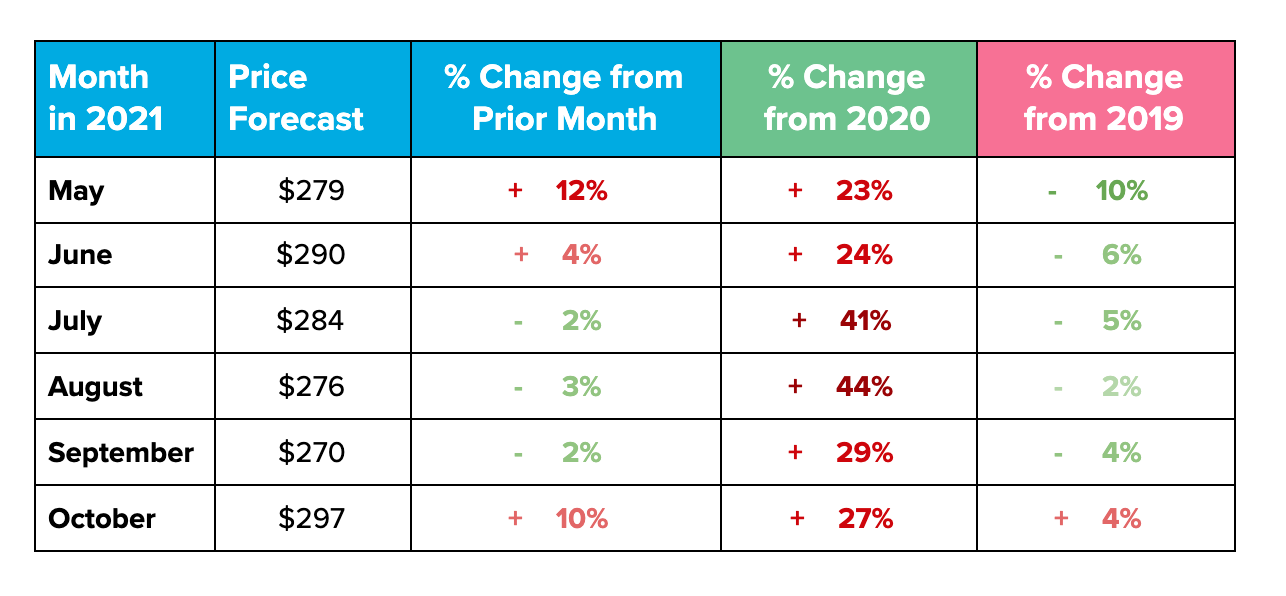
To understand why a ticket to the same destination can cost $300 one day and $900 the next, one must look at the concept of dynamic pricing. Airlines were among the first industries to adopt “yield management,” a variable pricing strategy based on anticipating and influencing consumer behavior to maximize revenue.
Dynamic Pricing and Revenue Management Systems
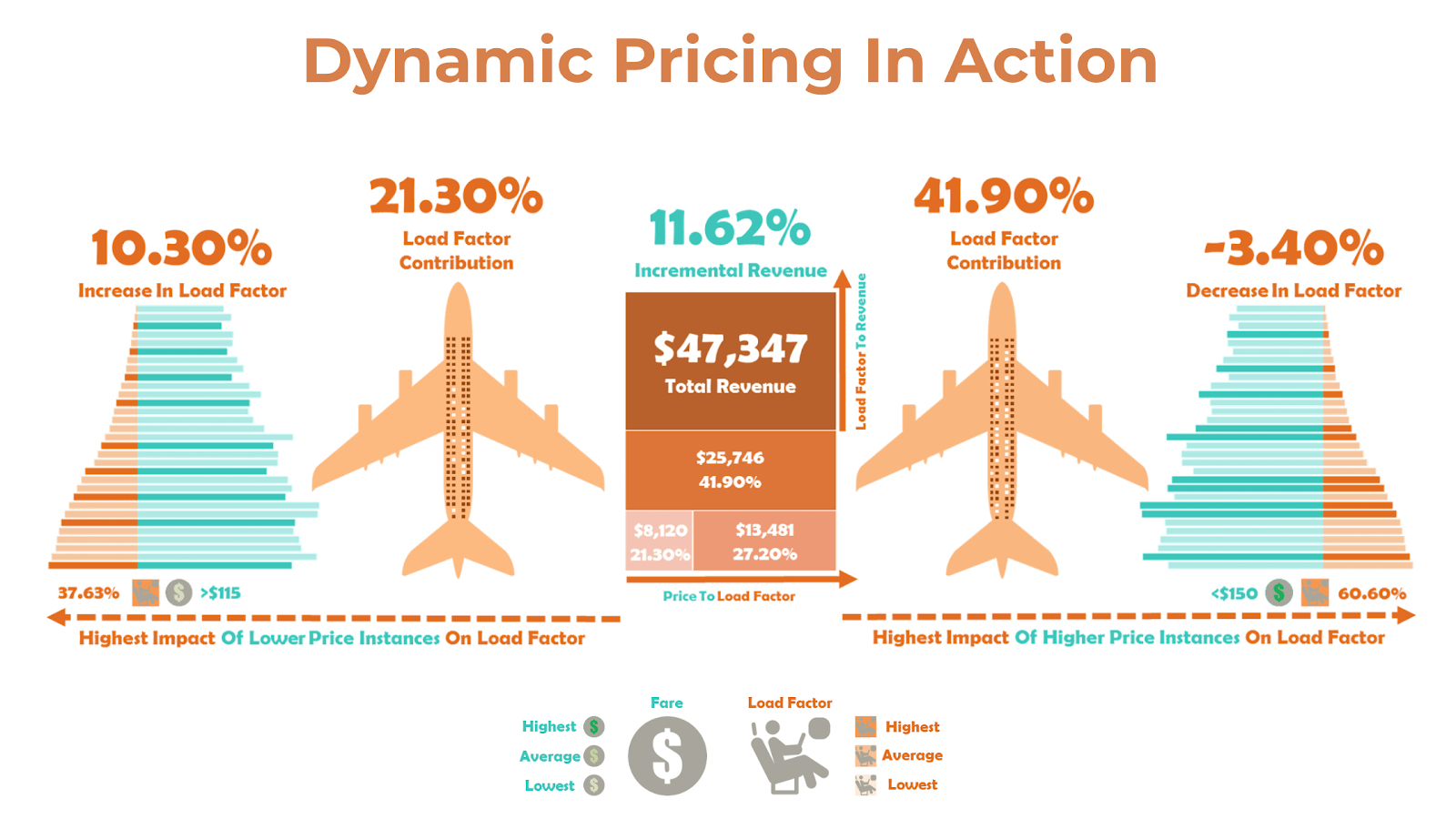
Airlines utilize highly sophisticated software that adjusts prices in real-time. These systems monitor how many seats are left on a flight and how much time remains before departure. If a flight is filling up faster than expected, the system automatically raises the price. Conversely, if a flight is nearly empty as the departure date approaches, the airline may lower the price—though only to a point, as they also have to balance the risk of “cannibalizing” high-value last-minute business travelers who are willing to pay a premium.
Fuel Costs and Operating Overheads
From a business finance standpoint, the largest variable cost for any airline is jet fuel. Because oil prices fluctuate on the global market, airlines often engage in “fuel hedging”—buying fuel at a fixed price for future delivery to protect against price spikes. When fuel prices rise, those costs are inevitably passed down to the consumer in the form of higher base fares or “fuel surcharges.” Additionally, labor costs, airport landing fees, and aircraft maintenance contribute to the “floor price” of a ticket. An airline cannot sell tickets below the cost of operation for long without risking insolvency.
Supply and Demand Cycles
The basic economic principle of supply and demand is the most visible driver of ticket costs. During peak travel seasons—such as summer holidays, Christmas, or major sporting events—demand skyrockets. Since the supply of seats is fixed (an airline cannot easily add more planes to the sky on short notice), prices rise. On the flip side, traveling during the “shoulder season” or mid-week often yields significantly lower prices because demand from leisure travelers drops.
Budgeting for Travel: Understanding Ticket Classes and Hidden Fees
In the past decade, the aviation industry has undergone a radical shift in how it structures its pricing. This “unbundling” of services has changed the way consumers must budget for travel. When looking at the cost of a ticket today, the headline price is rarely the final price.
Economy vs. Business: A Cost-Benefit Analysis
For the personal finance enthusiast, choosing a cabin class is a matter of calculating the value of comfort and time. Basic Economy is the lowest price point, designed to compete with ultra-low-cost carriers. However, these tickets often come with significant restrictions, such as no overhead bin space or the inability to select a seat. Business and First Class tickets are priced for the corporate market, where the cost is often tax-deductible for the business and the value is found in the ability of the employee to arrive rested and productive.
The Rise of Ancillary Revenue
Airlines now generate billions of dollars in “ancillary revenue”—money made from everything other than the ticket itself. When calculating the true cost of a plane ticket, one must factor in:
-
Baggage Fees: Many carriers now charge for even a single checked bag, and some even charge for carry-ons.
-
Seat Selection: If you want to ensure you sit with your family, you may face a fee that adds 10% to 20% to the ticket price.
-
In-flight Services: Wi-Fi, meals, and beverages are increasingly excluded from the base fare.
To accurately budget, travelers should use a “total cost” approach, adding these anticipated fees to the base fare before comparing different airlines.
Strategic Timing: When to Buy for Maximum Value
The timing of a purchase is perhaps the most debated aspect of airfare pricing. While there is no “magic hour” to buy a ticket, there are statistically significant trends that can help a budget-conscious traveler save hundreds of dollars.
The “Sweet Spot” Booking Window
Data from various travel aggregators suggest that for domestic flights, the “sweet spot” for booking is usually between one and three months before departure. For international travel, this window extends to three to six months. Booking too early can be just as expensive as booking too late, as airlines often set high “placeholder” prices a year in advance and only begin to optimize for demand as the date draws closer.
Seasonal and Weekly Impacts on Pricing
While the myth that tickets are cheaper if bought on a Tuesday has largely been debunked by modern algorithms, the day you fly still matters immensely. Flights on Tuesdays, Wednesdays, and Saturdays are generally the least expensive, as they avoid the Monday morning and Friday evening rushes dominated by business travelers and weekend vacationers. Furthermore, traveling on the actual holiday (such as flying on Thanksgiving Day or Christmas Day) often results in significantly lower fares.
Leveraging Financial Tools to Lower Costs
In the realm of personal finance, savvy travelers rarely pay the full “sticker price” for a ticket. By using specific financial tools and strategies, the net cost of air travel can be reduced to almost zero in some cases.
Credit Card Rewards and Travel Points
The “points and miles” ecosystem is a major component of modern travel finance. Many consumers use travel-rewards credit cards to earn points on everyday spending, which can then be redeemed for flights. When evaluating the cost of a ticket, a traveler might compare the cash price (e.g., $600) to the points price (e.g., 40,000 miles). If the value of the points exceeds the cash price (usually calculated as cents-per-point), using rewards is the financially superior move.
Price Tracking and Comparison Engines
To manage the volatility of ticket costs, financial-minded travelers utilize price tracking tools. These platforms use historical data to predict whether a fare is likely to rise or fall, allowing the user to “buy” or “wait.” Setting up price alerts ensures that you are notified the moment a fare hits your target budget, removing the emotional stress of constant manual checking.
Long-Term Financial Planning for Travel Expenses
Because plane tickets are a recurring and often large expense, they should be integrated into a long-term financial plan. Treating travel as an impulse purchase is the fastest way to blow a budget.
Sinking Funds for Annual Vacations
A “sinking fund” is a strategic way to save for a specific expense over time. If you know you want to take an international trip that will cost $1,200 in airfare, saving $100 a month into a dedicated high-yield savings account ensures the money is there when the “sweet spot” booking window opens. This prevents the need to rely on high-interest credit card debt to fund a flight.
Business Travel and Tax Implications
For entrepreneurs and freelancers, the cost of a plane ticket is often a necessary business expense. From a tax perspective, if the primary purpose of the trip is business, the airfare is generally 100% deductible. This effectively reduces the “real” cost of the ticket by the individual’s marginal tax rate. Understanding these deductions is crucial for maximizing the bottom line of a small business or solo practice.
In conclusion, the cost of a plane ticket is a moving target influenced by global markets, corporate algorithms, and consumer timing. By approaching airfare not as a static price tag but as a market to be navigated, travelers can exercise greater control over their personal finances. Whether through strategic booking, the use of rewards, or careful budgeting for ancillary fees, understanding the “why” behind the price is the first step toward more affordable and efficient travel.
aViewFromTheCave is a participant in the Amazon Services LLC Associates Program, an affiliate advertising program designed to provide a means for sites to earn advertising fees by advertising and linking to Amazon.com. Amazon, the Amazon logo, AmazonSupply, and the AmazonSupply logo are trademarks of Amazon.com, Inc. or its affiliates. As an Amazon Associate we earn affiliate commissions from qualifying purchases.