
Navigating the financial landscape of pet ownership often begins long before a puppy arrives at its new home. For many prospective owners, the logistics of transporting a high-value animal across state lines or international borders represents a significant capital outlay that requires meticulous budgeting and an understanding of specialized logistics markets. The cost to ship a puppy is not a singular, fixed fee; rather, it is a variable expense influenced by fuel prices, labor costs, regulatory compliance, and the level of white-glove service required to ensure the safety of the “living cargo.”
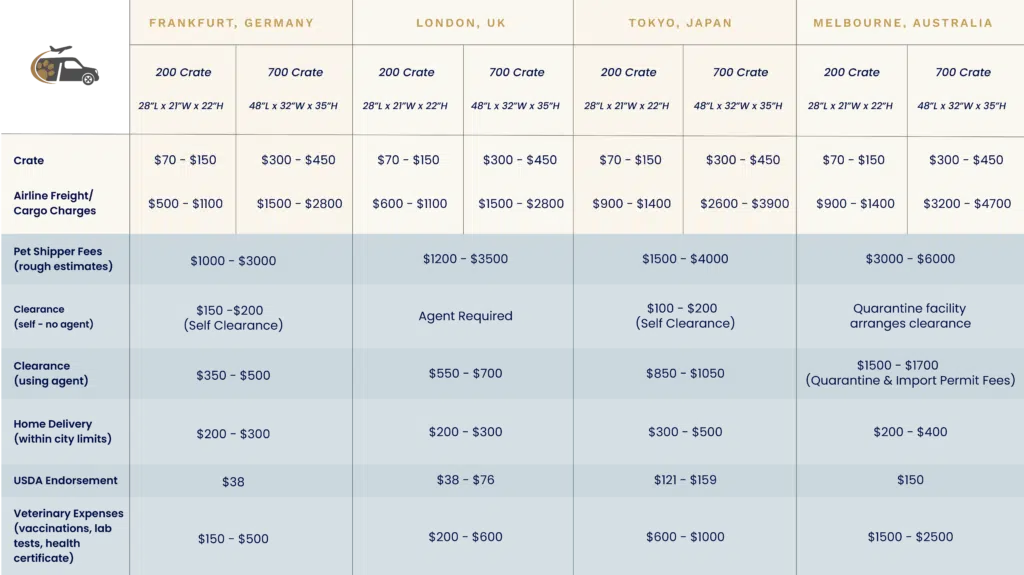
Understanding these costs from a financial perspective allows buyers and breeders to mitigate risks and avoid the common pitfalls of the low-cost provider trap. Generally, the price of puppy transport ranges from $300 to over $3,000, depending on the mode of transport and the distance covered.
The Economics of Specialized Logistics: Choosing a Transport Method
The primary driver of cost in puppy shipping is the method of delivery. Each mode of transport operates on a different business model, with varying overheads and service premiums. When budgeting for transport, one must weigh the urgency of delivery against the financial cost of specialized labor.
The Air Cargo Model
Shipping a puppy via commercial air cargo is often perceived as the “standard” option, but its pricing structure has become increasingly complex. Airlines charge based on the combined weight of the puppy and the crate, but they also apply “live animal” surcharges that can double or triple the cost of a standard baggage fee. On average, domestic air cargo for a puppy costs between $300 and $600. However, this figure does not include the logistics of getting the puppy to the airport, which often necessitates a professional ground courier to manage the hand-off.
Professional Flight Nanny Services
For those prioritizing risk management and high-touch service, the “Flight Nanny” model has emerged as a premium tier in the pet logistics industry. A flight nanny is a specialized courier who flies with the puppy in the cabin, providing constant supervision. The cost for this service typically starts at $500 and can exceed $1,500, plus the cost of the round-trip airline ticket and pet-in-cabin fees (which average $125 per leg). From a financial standpoint, this is a luxury service, but it minimizes the risk of respiratory stress and temperature-related health issues, which could lead to much higher veterinary costs upon arrival.
Ground Transport and Shared vs. Private Routes
Ground transport offers two distinct pricing structures: shared and private. Shared ground transport functions like a carpool, where multiple animals are transported on a pre-planned route. This is the most cost-effective method for long distances, typically ranging from $300 to $1,000. Private ground transport, however, is a dedicated service where the driver focuses solely on one puppy. Because the client is essentially paying for the driver’s time, fuel, and vehicle depreciation for a round trip, private ground transport can easily cost between $1,500 and $4,000.
Line-Item Budgeting: A Breakdown of Mandatory Costs
Beyond the “fare” or service fee, shipping a puppy involves several mandatory ancillary expenses. For a buyer to create an accurate financial forecast, they must account for these line items, which are often non-negotiable due to legal and safety regulations.
Health Certificates and Veterinary Compliance
Before any professional transport company or airline will accept a puppy, a Health Certificate for Large Animal/Pet Movement is required. This must be issued by a USDA-accredited veterinarian within 10 days of travel. The cost for the examination and the certificate typically ranges from $75 to $250. If the puppy is traveling internationally, the financial burden increases significantly due to USDA endorsement fees and specific vaccination requirements (such as Rabies titers), which can add another $500 to $1,000 to the initial budget.
Crate Requirements and IATA Compliance
If shipping via air, the crate must meet International Air Transport Association (IATA) standards. This is not just a safety requirement but a financial one; if a crate is rejected at the airport, the owner may face last-minute “emergency” crate purchase fees at a massive markup, or even the cost of a rescheduled flight. A high-quality, airline-approved crate typically costs between $100 and $300. Ground transport may not require a specific IATA crate, but utilizing a substandard carrier increases the risk of injury, which is a significant financial liability.
Insurance and Risk Management
Many professional transport companies offer internal insurance or “valuation” coverage. While this adds a small premium (usually 1% to 5% of the puppy’s value), it is a vital component of a sound financial strategy. In the rare event of a mishap, having documented insurance ensures that the initial investment—the purchase price of the puppy—is protected. Owners should also check if their existing pet insurance policy covers “transit-related incidents,” as some premium plans include this as a standard feature.

Market Volatility and Seasonal Pricing Factors
The pet transport market is subject to extreme seasonal fluctuations that can disrupt even the most carefully planned budgets. Understanding these market drivers is essential for timing a purchase or a shipment to optimize costs.
Peak Travel Surcharges and “Embargo” Economics
Airlines frequently implement “heat embargos” or “cold embargos.” When ground temperatures exceed 85°F or drop below 45°F, many carriers refuse to fly animals in the cargo hold. This creates a supply-and-demand imbalance where ground transporters and flight nannies can increase their rates due to the lack of air cargo competition. During peak summer and winter months, transport costs can spike by 20% to 50%. Planning a shipment during the “shoulder seasons” (spring and autumn) is a strategic way to secure lower rates and more reliable scheduling.
Regional Cost Disparities
The geographical origin and destination play a massive role in the final invoice. Shipping a puppy from a major hub like Atlanta to Los Angeles is significantly cheaper than shipping from a rural town in Montana to a suburb in Maine. “Deadhead” miles—the distance a driver must travel empty to pick up the puppy—are often factored into the quote. To minimize these costs, buyers may find it financially advantageous to meet a transporter at a major interstate intersection or a large airport hub rather than insisting on door-to-door delivery.
Risk vs. Reward: The Financial Implications of Low-Cost Shipping
In the world of pet logistics, the cheapest option is rarely the most economical in the long term. A “budget” shipping service may cut costs by using inexperienced drivers, outdated equipment, or overcrowded vehicles, all of which increase the probability of a “total loss” event—either through the loss of the animal or the accumulation of massive emergency vet bills.
The True Cost of Negligence
When a puppy is transported in a sub-optimal environment, it is at higher risk for Parvovirus, Kennel Cough, and stress-induced immune suppression. The cost of a three-day hospitalization for a puppy with Parvo can easily exceed $5,000. By investing an extra $300 to $500 in a reputable, high-end transporter who follows strict sanitation protocols, the buyer is essentially paying a small premium to avoid a potential $5,000 liability. This is a classic exercise in risk mitigation.
Fraud Prevention and Financial Security
The pet shipping industry is unfortunately rife with “escrow scams” and fraudulent transport websites. Scammers often lure buyers with “free” or incredibly low shipping costs, only to demand additional funds for “refundable” insurance, specialized crates, or “COVID-19 vaccines” for the puppy once the transaction has begun. To protect one’s capital, always use secure payment methods (avoid wire transfers or “friends and family” digital payments) and verify the transporter’s USDOT and MC (Motor Carrier) numbers through the Federal Motor Carrier Safety Administration (FMCSA) database.
Financial Planning for New Owners: Integrating Shipping into the Total Cost of Acquisition
Shipping should not be treated as an afterthought or a “hidden fee.” It is a fundamental component of the Total Cost of Acquisition (TCA). When evaluating the price of a puppy from a breeder, the smart buyer calculates the “landed cost”—the price of the puppy plus shipping, taxes, and initial compliance fees.
Amortizing the Expense
While a $1,000 shipping fee may seem steep, it is important to view it within the context of the dog’s lifespan. If a puppy lives for 12 years, that $1,000 investment in safe transport amortizes to approximately $83 per year. When framed as a one-time cost to ensure the safe arrival of a decade-long companion and a significant financial asset, the premium for professional transport becomes much more justifiable.

Final Budget Checklist
Before committing to a shipping contract, a prospective owner should ensure their budget includes:
-
The Base Quote: Air cargo, shared ground, or flight nanny fee.
-
The Veterinary Fee: Health certificate and required travel vaccines.
-
The Equipment Fee: IATA-compliant crate and bedding.
-
The Logistics Fee: Ground transport to/from the airport or “first-mile” courier fees.
-
The Contingency Fund: A 10-15% buffer for weather delays or emergency boarding.
By approaching puppy shipping with the rigor of a business logistics operation, owners can ensure they are getting the best value for their money while safeguarding the health of their new arrival. Professionalism in the selection of a transporter is not just about ethics; it is about sound financial management and protecting a significant personal investment.
aViewFromTheCave is a participant in the Amazon Services LLC Associates Program, an affiliate advertising program designed to provide a means for sites to earn advertising fees by advertising and linking to Amazon.com. Amazon, the Amazon logo, AmazonSupply, and the AmazonSupply logo are trademarks of Amazon.com, Inc. or its affiliates. As an Amazon Associate we earn affiliate commissions from qualifying purchases.