
The cost of a plane ticket is rarely a fixed number. Unlike a retail product with a static price tag, airfare is a dynamic commodity that fluctuates based on a complex interplay of global economics, consumer behavior, and sophisticated algorithms. For the financially conscious traveler or the business professional managing a corporate budget, understanding these variables is essential for optimizing spend. Whether you are looking for a $49 domestic short-haul or a $5,000 international business class suite, the “cost” is determined by much more than just the distance between two points.

To truly understand how much a plane ticket costs, one must look past the final number on the checkout screen and analyze the underlying financial structures of the aviation industry. This guide breaks down the economic drivers of airfare, the hidden fees that impact your bottom line, and the strategic financial tools used to minimize travel expenses.
The Volatility of Airfare: Why Costs Fluctuate
The primary reason airfare prices seem erratic is dynamic pricing. Airlines use sophisticated Revenue Management Systems (RMS) to maximize the profit on every seat. This means that two people sitting in the same row may have paid vastly different prices for the same service.
Demand-Driven Pricing and Seasonality
At its core, airfare is governed by the law of supply and demand. During peak periods—such as summer holidays, major sporting events, or end-of-year festivities—demand skyrockets, allowing airlines to charge a premium. Conversely, during “shoulder seasons” or mid-week flights (Tuesday and Wednesday), demand drops, and airlines lower prices to ensure the aircraft does not fly with empty seats. From a personal finance perspective, timing is the most significant factor in ticket cost. Booking during an off-peak window can result in savings of 40% to 60%.
The Role of Jet Fuel and Operational Overhead
Aline operations are capital-intensive. Approximately 20% to 30% of an airline’s operating expenses are tied directly to jet fuel. When global oil prices rise, those costs are passed directly to the consumer through higher base fares or “fuel surcharges.” Additionally, labor costs, aircraft maintenance, and airport landing fees contribute to the baseline price of a ticket. In regions with high labor costs or stringent environmental regulations, the floor price for a ticket will naturally be higher than in deregulated or lower-cost markets.
Decoding the Invoice: Taxes, Fees, and Surcharges
When you ask how much a ticket costs, the “base fare” is often only half the story. The total price is a composite of several financial layers, many of which are non-negotiable and outside the airline’s direct control.
Government-Mandated Taxes and Security Fees
Every ticket includes a suite of taxes that go toward infrastructure and security. In the United States, this includes the Federal Excise Tax, Flight Segment Taxes, and the September 11th Security Fee. Internationally, these can be even more substantial. For example, the UK’s Air Passenger Duty (APD) can add significant costs to long-haul flights departing from British airports. These are essentially “pass-through” costs where the airline acts as a tax collector for the government.
The Rise of Fuel Surcharges and Carrier-Imposed Fees
To keep base fares looking competitive on search engines, many airlines implement “carrier-imposed surcharges.” While originally intended to offset fuel volatility, these have become a permanent fixture for many international carriers. For the frequent flyer using miles to book a “free” flight, these surcharges can be a shock, sometimes amounting to hundreds of dollars in out-of-pocket costs despite the fare being covered by points.
Strategic Financial Planning for Modern Travelers
Budgeting for airfare requires a shift from reactive buying to proactive financial planning. By understanding the market, travelers can treat airfare as a managed expense rather than an unpredictable burden.
The “Golden Window” for Booking
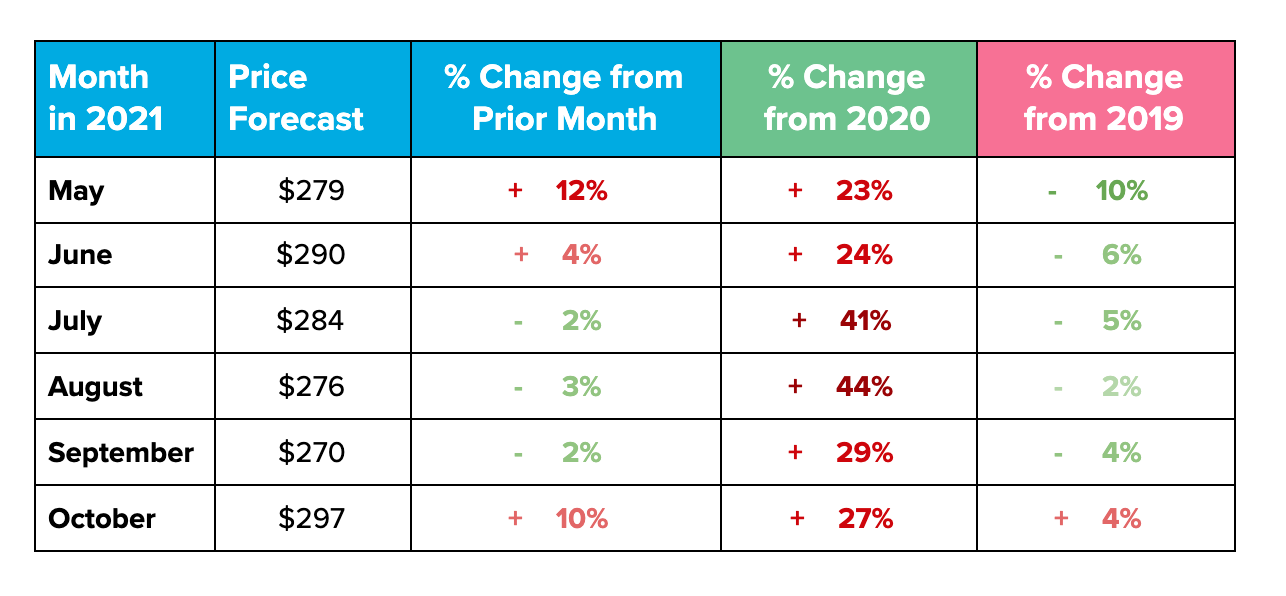
Financial analysts and travel experts often cite specific “booking windows” to find the lowest prices. For domestic travel, the sweet spot is typically 1 to 3 months in advance. For international routes, 2 to 8 months is the standard recommendation. Booking too early can be just as expensive as booking too late, as airlines often wait to see demand levels before releasing their most competitive “saver” fares.
The Low-Cost Carrier (LCC) vs. Full-Service Debate
The “cost” of a ticket also depends on the business model of the airline. Low-cost carriers (LCCs) like Spirit, Ryanair, or Southwest offer lower base fares by “unbundling” services. In this model, you pay for the seat only. If you require a carry-on bag, a checked bag, or a specific seat assignment, the price can quickly escalate to match or exceed that of a full-service carrier like Delta or Lufthansa. From a business finance standpoint, it is often more cost-effective to pay a higher upfront price for a full-service ticket that includes these amenities rather than paying a dozen micro-transactions on an LCC.
The Impact of Ancillary Fees on Your Bottom Line
In the last decade, airlines have moved toward an “ancillary revenue” model. This means that a significant portion of their profit comes from things other than the ticket itself. Understanding these costs is vital for accurate travel budgeting.
Baggage and Weight Restrictions
Baggage fees are now a multi-billion dollar industry for airlines. A single checked bag can cost between $30 and $100 depending on the route and the airline’s policy. For a family of four, this can add $400 to the total cost of a round-trip journey. Financial optimization in this area involves investing in lightweight luggage and utilizing airline-branded credit cards that offer free checked bags as a primary perk.
Seat Selection and Convenience Fees
The monetization of cabin space has led to “preferred seating” fees. Airlines now charge extra for seats in the front of the cabin, exit rows, or even just the “privilege” of sitting next to a travel companion. While these costs are optional, they represent a significant “hidden” cost for those who value comfort or are traveling with children.
Maximizing ROI: Travel Rewards and Financial Incentives
For those who travel frequently, the nominal cost of a ticket can be offset through the strategic use of financial instruments. Travel is not just an expense; it is an ecosystem of rewards.
The Power of Credit Card Points and Churning
One of the most effective ways to lower the cost of a plane ticket is through credit card rewards. Premium travel cards offer sign-up bonuses that can be worth several round-trip domestic flights. By routing everyday business or personal expenses through these cards, travelers earn points that can be redeemed for airfare, often at a valuation of 1.5 to 2 cents per point. For many high-net-worth individuals and business owners, the actual “cash” cost of their flights is near zero because they are funded entirely by “spend-back” rewards.
Business Travel and Tax Deductibility
For entrepreneurs and freelancers, the cost of a plane ticket is often a tax-deductible business expense. If the primary purpose of the trip is business-related, the IRS (and similar tax authorities globally) allows for the deduction of airfare from taxable income. This effectively reduces the “real” cost of the ticket by the traveler’s marginal tax rate. A $1,000 ticket for someone in a 30% tax bracket essentially costs $700 when the tax savings are factored in at year-end.
Protecting Your Investment: Insurance and Cancellation Policies
Finally, the cost of a ticket must be weighed against the risk of loss. Non-refundable tickets are cheaper, but they carry the financial risk of total loss if plans change.
The Value of Travel Insurance
When purchasing expensive international tickets, travel insurance is a critical financial tool. For a small percentage of the ticket price (usually 4-8%), insurance protects the buyer against unforeseen circumstances like medical emergencies or job loss. In the context of personal finance, this is a “hedging” strategy—spending a small amount of money now to prevent a large financial loss later.

Refundable vs. Non-Refundable Fares
Airlines offer “flexible” or “refundable” fares at a significant premium—often double or triple the price of a standard economy ticket. For the average traveler, these are rarely worth the cost. Instead, many find better value in “Main Cabin” fares which, while not refundable to a credit card, allow for changes and cancellations in exchange for a future flight credit. Understanding these nuances allows travelers to choose the level of financial risk they are comfortable with.
In conclusion, the answer to “how much does a plane ticket cost” is not found in a single price point, but in a series of financial decisions. By analyzing market trends, understanding the components of the fare, leveraging reward systems, and managing ancillary fees, individuals and businesses can navigate the complexities of airfare economics to ensure they are getting the best possible return on their travel investment. Airfare is a marketplace that rewards the informed and the strategic; with the right approach, the cost of flying can be managed as effectively as any other part of a diversified financial portfolio.
aViewFromTheCave is a participant in the Amazon Services LLC Associates Program, an affiliate advertising program designed to provide a means for sites to earn advertising fees by advertising and linking to Amazon.com. Amazon, the Amazon logo, AmazonSupply, and the AmazonSupply logo are trademarks of Amazon.com, Inc. or its affiliates. As an Amazon Associate we earn affiliate commissions from qualifying purchases.